



Teak Sea Chest
A teak sea chest brings heavy-duty maritime history and robust timber storage straight into a modern room.
Teak Sea Chest
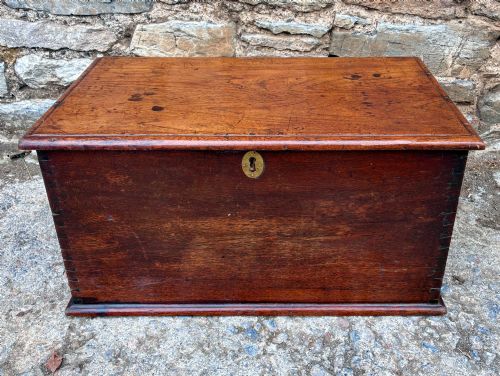
A teak sea chest is a heavy storage trunk built for travel and daily service across the oceans during the eighteenth, nineteenth, and early twentieth centuries. These pieces encompass campaign chests, strong boxes, blanket boxes, and merchants chests constructed by makers working in colonial and domestic ports.
Most examples found on this page date from the Victorian and Edwardian eras, alongside pieces originating in the eighteenth century and around nineteen hundred. They take the form of large trunks and coffers designed to withstand rough conditions.
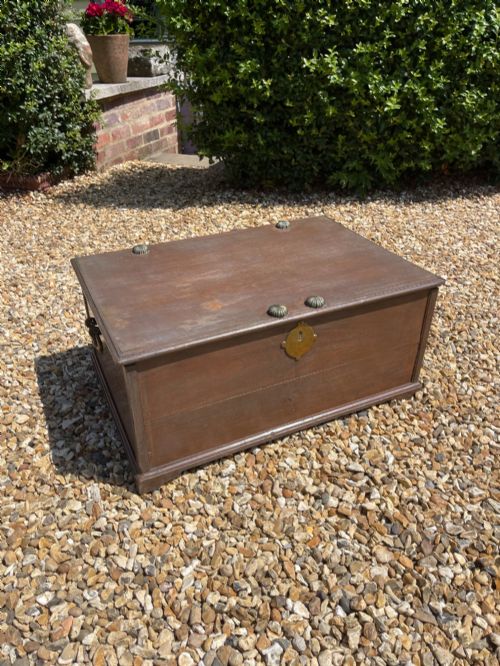
Makers utilised resilient tropical timbers and sturdy construction methods to build these utilitarian containers. Surviving items often reflect styles such as Anglo Indian, Dutch Colonial, Georgian Colonial, and rustic colonial designs.
How they were made
Makers constructed these chests primarily from solid teak and associated hardwoods, selecting timber known for its resistance to moisture and decay in marine environments. This heavy wood forms the core structure of trunks, storage chests, and fitted merchant boxes.
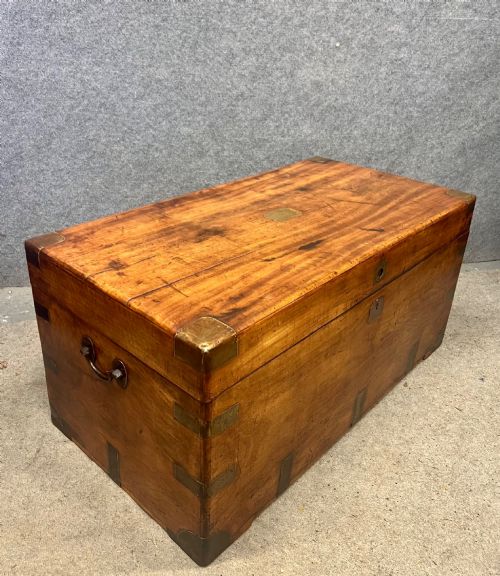
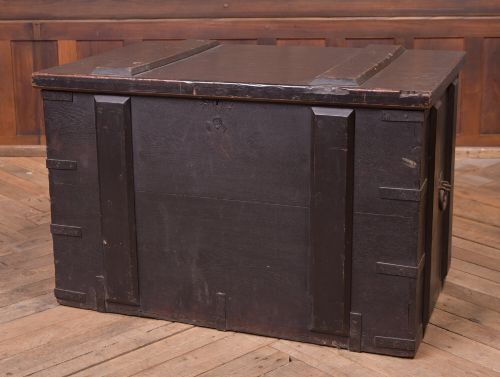
To reinforce the heavy wooden panels against the strains of travel, craftsmen added wrought iron banding and solid brass mounts, hinges, and corner plates. These metal additions secured the joints while allowing frequent handling on ships and in transit.
Teak Sea Chest Retail Price Guide 2026
Typical asking prices for teak sea chest among the pieces listed under this phrase on Sellingantiques today, from the lower quarter to the upper quarter. They describe what is for sale here now, not the wider market.
A workman's tool chest smells faintly of decades-old sawdust and stubborn ambition.
What varies in quality
The distinction between standard utility boxes and superior examples rests on the integration of interior fittings and the calibre of the metal hardware. Fitted merchant chests with specialised compartments represent a more demanding standard of construction than simple blanket boxes.
The refinement of the joinery and the substantial weight of the brass and iron banding separate everyday workman pieces from finely detailed colonial campaign trunks. The treatment of the solid teak surfaces also reflects the original intended status of the chest.
The Teak Sea Chest Glossary
- Teak
- A dense tropical hardwood valued for its natural oils and durability. This timber resists warping and weathering in marine climates.
- Campaign chest
- Portable furniture designed for military officers or travellers. These pieces often feature recessed brass fittings and sturdy corner reinforcements.
- Coffer
- A large wooden chest traditionally used for storing valuables or dry goods. They feature heavy lids and robust construction.
- Brass bound
- The practice of reinforcing box edges and corners with brass strips. This technique protects the timber from heavy impacts during transport.
Teak Sea Chest: Frequently Asked Questions
How were these chests used originally?
Seafarers, merchants, and military officers used these trunks to transport personal belongings and trade goods on long voyages. Their rugged build protected contents from saltwater and rough handling.
Many featured internal compartments or fitted trays to keep small instruments, papers, and valuables organised during transit.
How do I date a teak chest?
Dating relies on examining construction techniques, the style of the metal hardware, and recorded periods like the Georgian, Victorian, or Edwardian eras. Earlier pieces often display hand-forged iron work and specific colonial stylistic traits.
Later nineteenth-century examples may incorporate standardised brass mounts and machine-sawn timber components that reflect industrial manufacturing shifts.
How do I live with a sea chest?
These chests function well as coffee tables, heavy storage furniture, or statement pieces at the foot of a bed. Their generous interior space accommodates blankets, books, and household items.
Maintenance involves occasional treatment of the teak timber to preserve its natural finish while keeping the brass and iron mounts clean.