
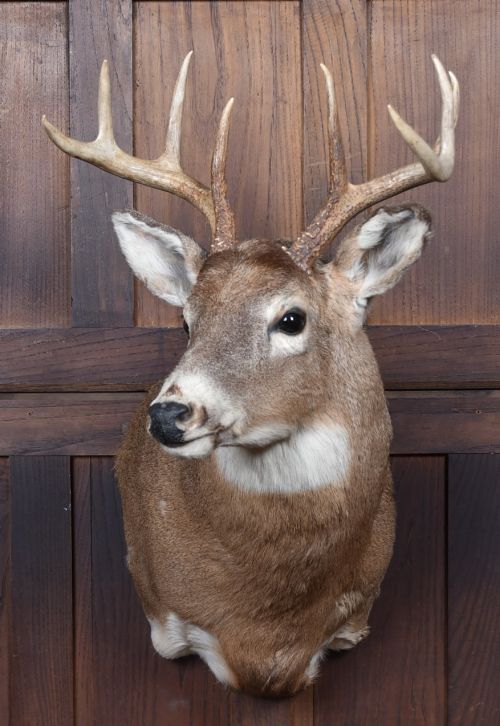
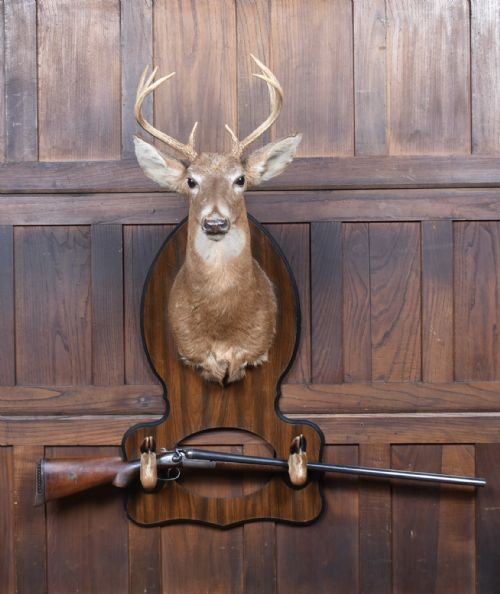
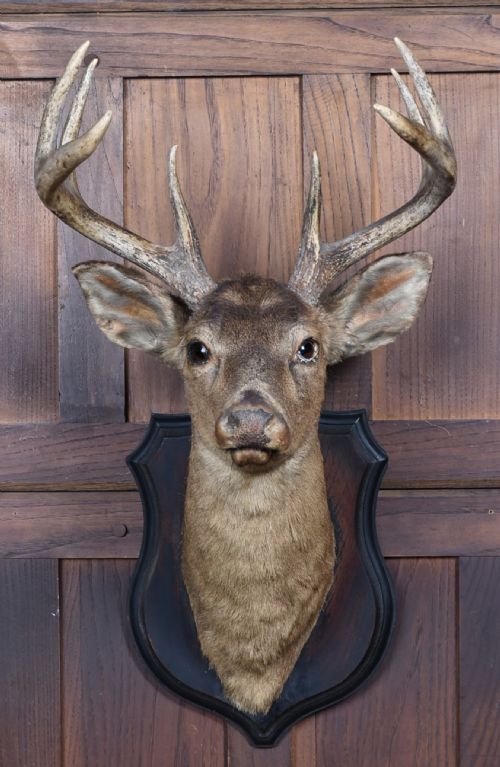


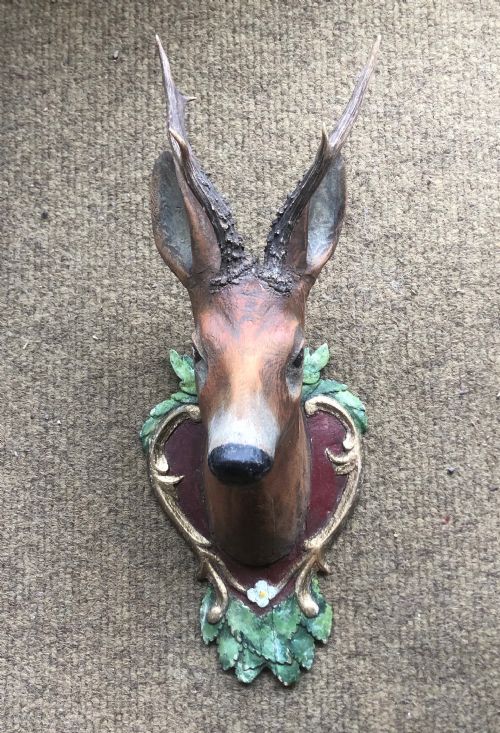
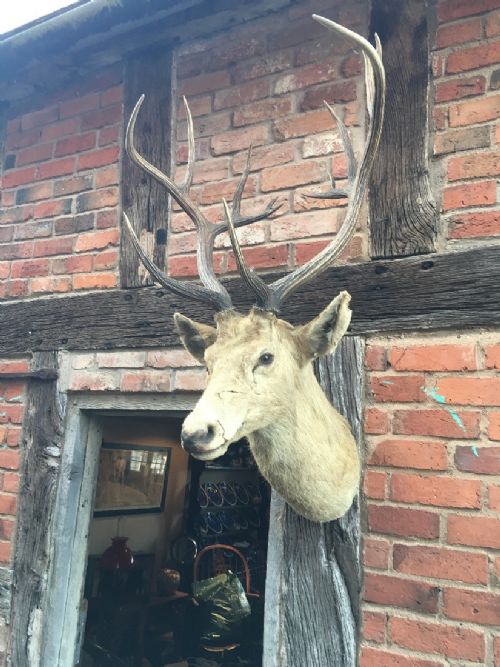
Taxidermy Deer Wall Mount
These taxidermy deer wall mount pieces bring the presence of the forest directly into your room, offering centuries of antler and hide craftsmanship.
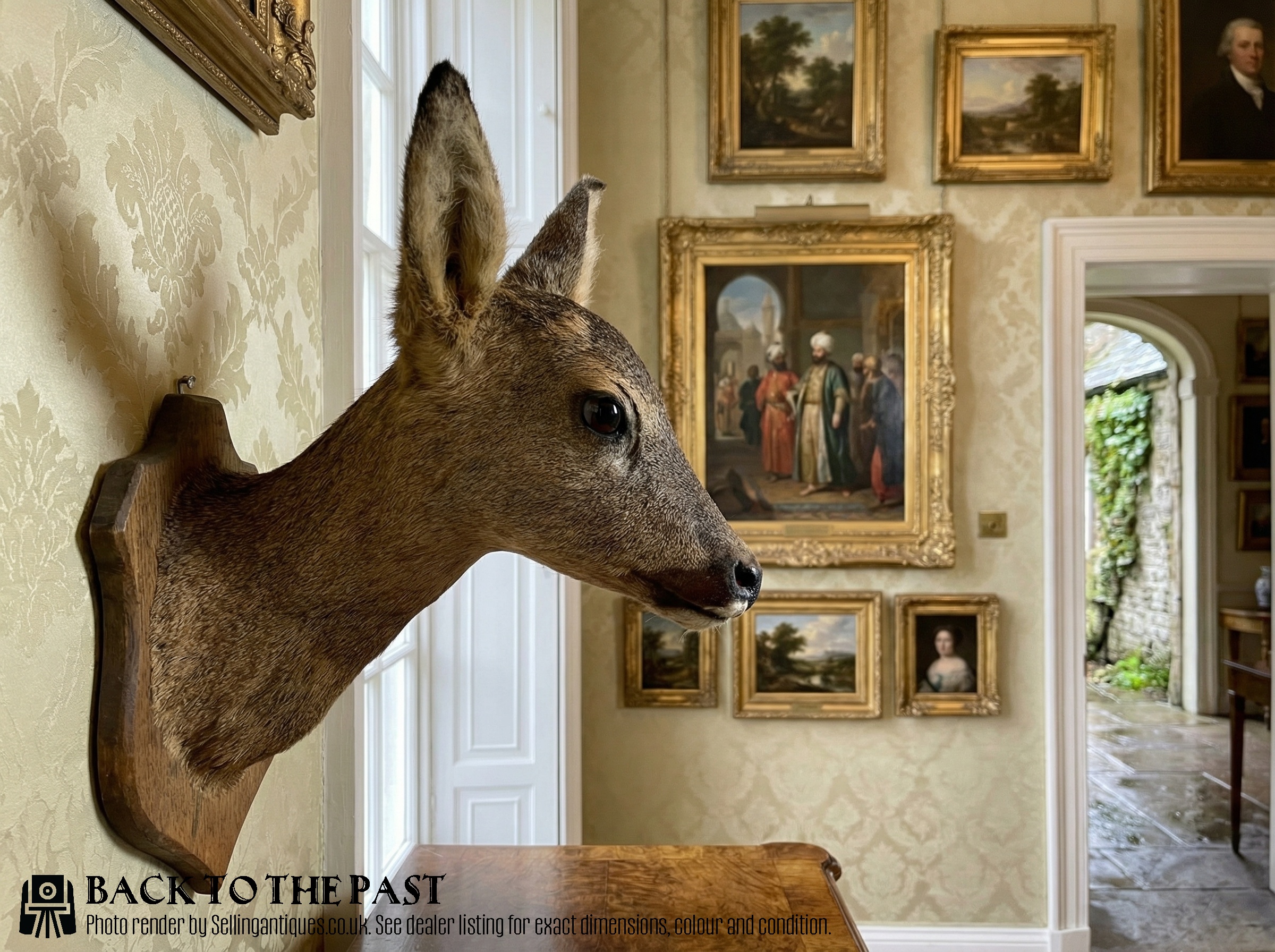
Taxidermy Deer Wall Mount
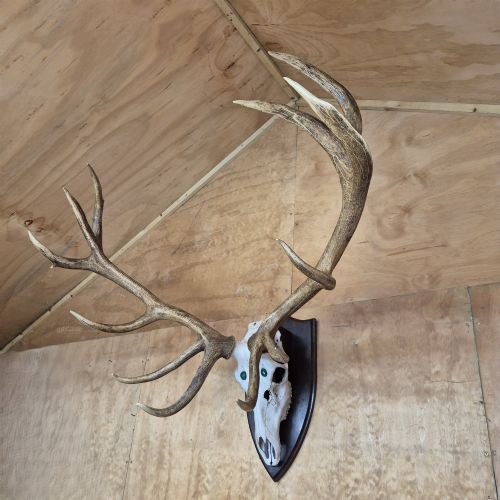
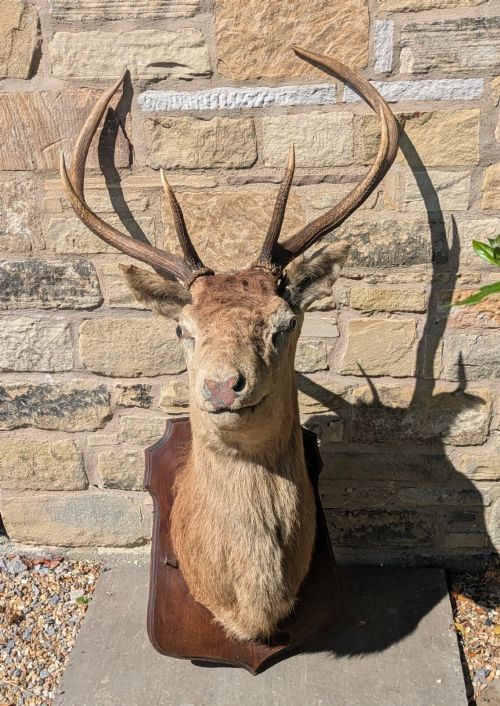
A taxidermy deer wall mount captures the grandeur of stags, bucks, and roebucks through preserved hides and genuine antlers. When you search for a taxidermy deer wall mount, you encounter pieces ranging from simple antler sets to full head mounts.
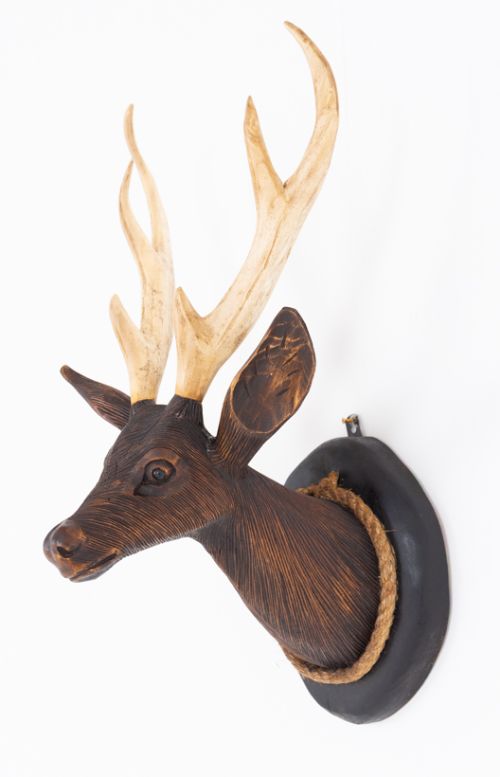
The selections span the nineteenth century through the twentieth century, encompassing Edwardian examples and distinct regional pieces. These items appear as traditional shoulder mounts or carved wooden representations intended for interior display.
Many specimens are mounted upon carved wooden shields or oak plaques designed for hanging. They serve as historical wall sculptures that reflect traditional hunting culture and domestic decoration from earlier eras.
Materials and construction
Taxidermists utilised real bone, natural antlers, and preserved animal hide fixed over structural forms. Glass eyes were frequently inserted to recreate a lifelike gaze in the mounted specimens.
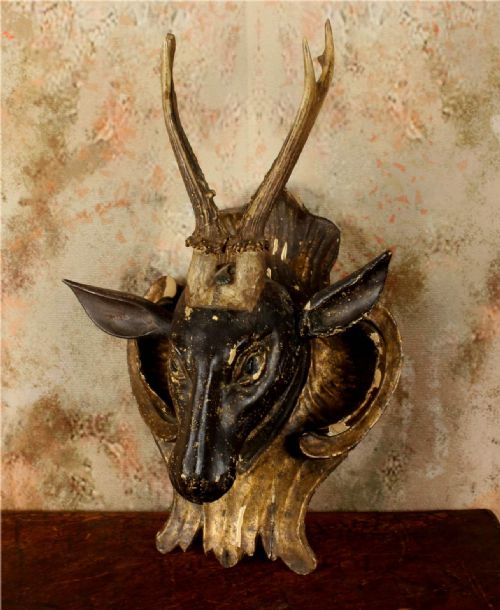
Carved wood provides the backing shields and ornamental frames, frequently utilising oak in continental workshops. Paint and carved wood details define the folk art interpretations alongside traditional taxidermy methods.
Listings incorporate items utilising natural antler, oak, glass, and carved wood across nineteenth-century and twentieth-century periods.
Quality and craftsmanship
The scale and point count of the antlers dictate much of the presence, with expansive sets like twelve-point royals commanding attention. Taxidermy skill appears in the preservation of the hide and the natural expression of the head.
The complexity of the woodwork sets individual pieces apart, particularly in Black Forest carvings and detailed oak shields. Age and the stability of the mounting materials also influence the overall standard of each piece.
The Taxidermy Deer Wall Mount Glossary
- Antler
- The branched bony appendage shed and regrown annually by deer, forming the main decorative feature of these mounts.
- Black Forest
- A nineteenth-century carving style originating in Central Europe, known for deeply carved naturalistic foliage and animal forms in dark wood.
- Taxidermy
- The art of preparing, stuffing, and mounting the skins of animals with lifelike effect for display.
- Shield
- The shaped wooden plaque or board upon which a head or set of antlers is mounted for wall hanging.
- Folk art
- Utilitarian or decorative objects made by self-taught individuals, often featuring hand-carved wood and painted surfaces.
Taxidermy Deer Wall Mount: Frequently Asked Questions
Are the antlers real?
The vast majority of listings feature genuine natural bone antlers attached to either preserved skulls or carved wooden heads.
Listings specify carved wood alternatives when the entire piece is an artisan sculpture rather than a preserved specimen.
What periods are common?
The selection spans from the early nineteenth century through the Edwardian era and into the 1930s.
Nineteenth-century examples frequently showcase traditional taxidermy and Black Forest wood carving traditions.
How do I care for taxidermy?
Keep mounted specimens away from direct sunlight and damp environments to protect the natural hair and wooden shields.
Gentle dusting with a soft brush maintains the surface without damaging delicate hair or bone structures.