


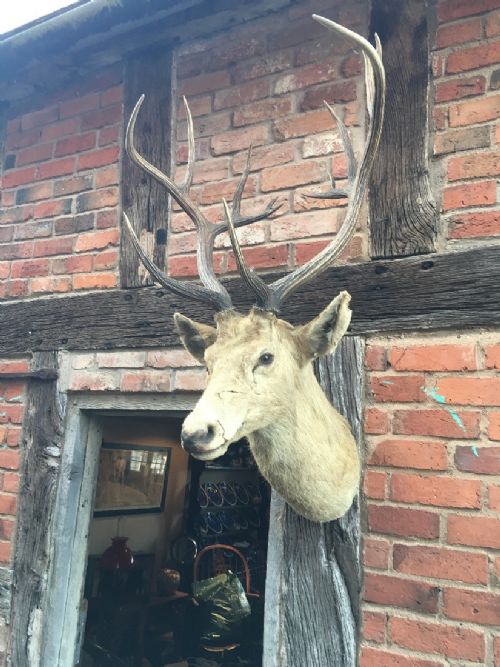
Vintage Hunting Trophy Head
A vintage hunting trophy head brings the dramatic atmosphere of the Highland lodge into a modern interior.
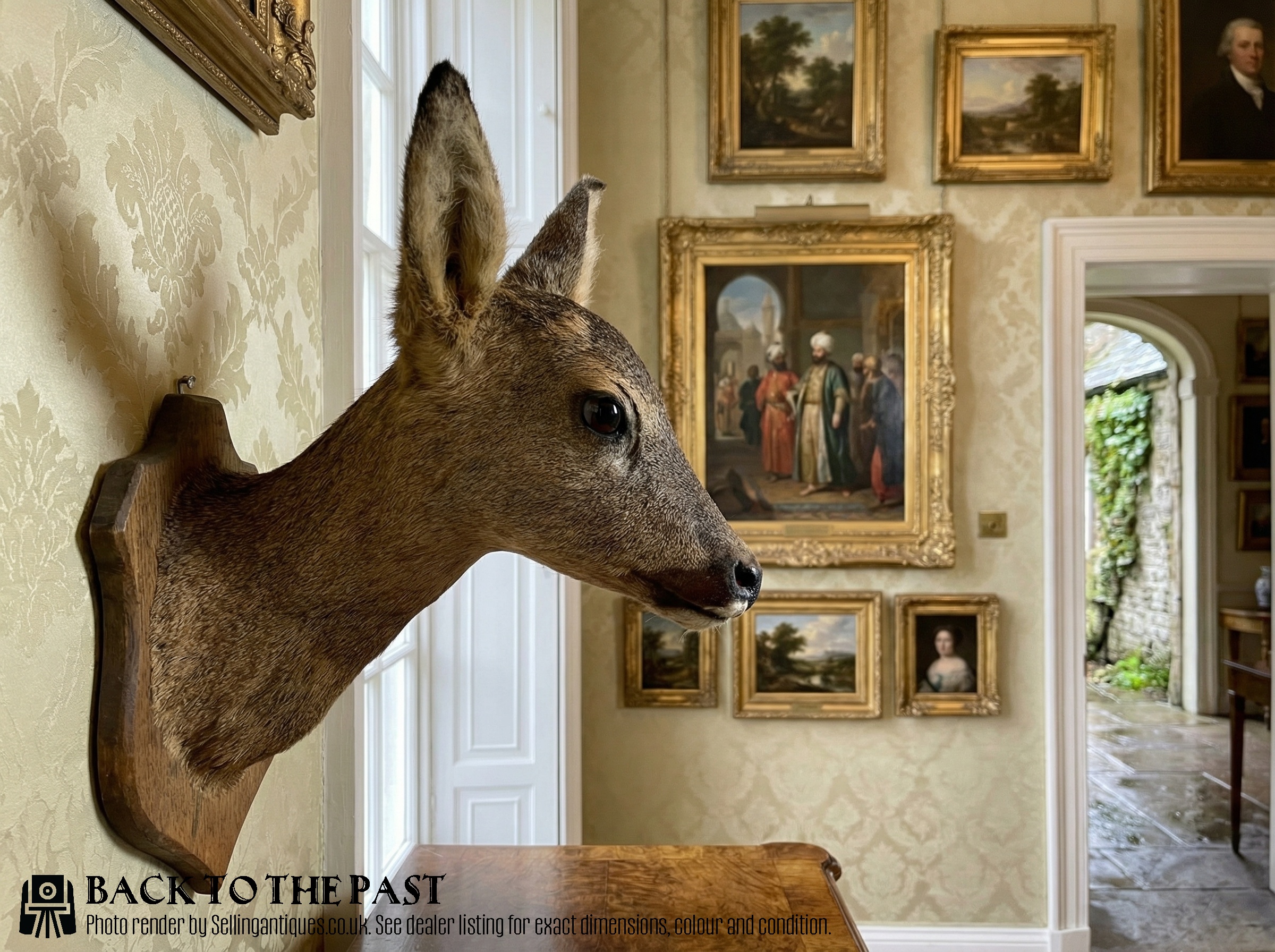
Vintage Hunting Trophy Head
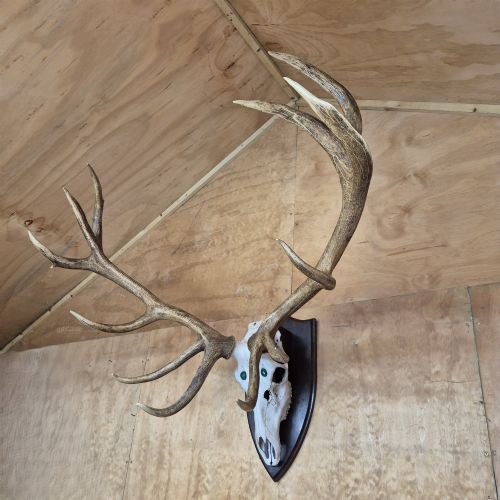
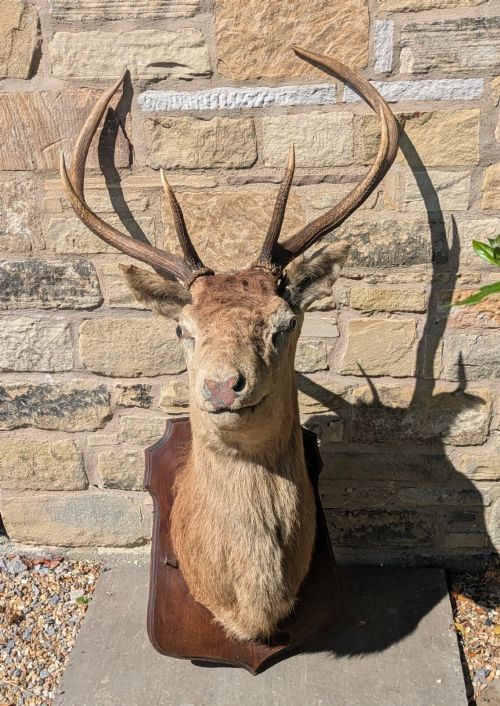
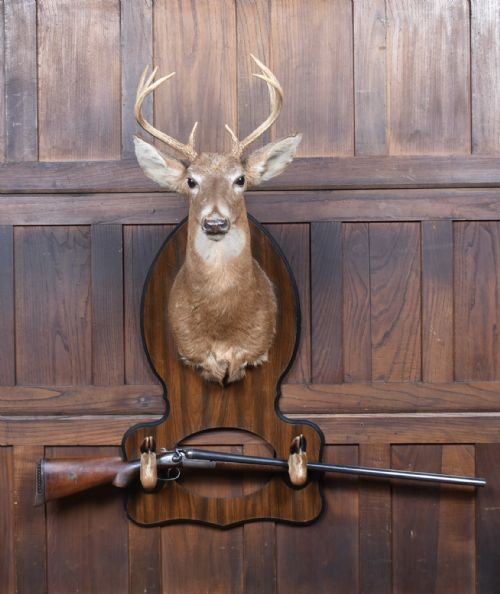
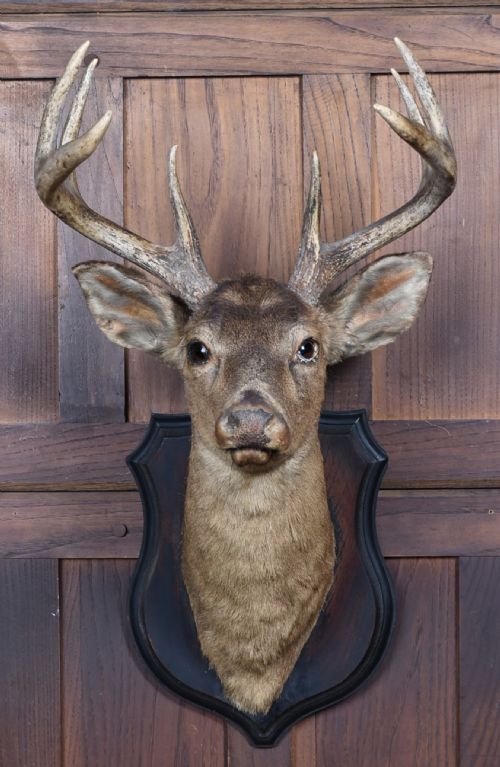
A vintage hunting trophy head captures the robust spirit of traditional sporting culture through preserved animal specimens and mounted antlers. When exploring this selection, buyers encounter impressive red deer, roe deer, and stags alongside smaller wildlife mounts designed for wall display.
The objects stem from the late nineteenth century through to the mid-twentieth century, encompassing Victorian, Edwardian, and Highland lodge styles. Many examples utilise traditional carved wooden shields or natural horn structures to anchor the mount securely to the wall.
Alongside major mammal heads, the category includes specific wall decor items such as mounted fox masks and functional desk accessories like double inkwells. These pieces reflect a historical British sporting aesthetic that prioritized both natural history study and interior ornamentation.
Materials and construction methods
Taxidermy specimens rely on natural hide, bone, and glass eyes to recreate a lifelike presence, shaped over sturdy internal forms. Skilled artisans handled the preservation and mounting of animal pelts to ensure durable display over decades.
Antlers and horns are secured to shaped oak and carved wood shields, often featuring detailed woodworking along the mounting edge. These timber mounts provide essential structural support while enhancing the decorative presentation of the trophy.
Several mounted fox masks bear the unmistakable signature of historic taxidermy workshops from Royal Leamington Spa.
Assessing quality in historical mounts
The craftsmanship of the timber backing plate and the symmetry of the antlers or horns significantly influence the overall refinement of the piece. Superior examples display careful joinery on the carved shields and immaculate preservation of the natural materials.
Peter Spicer and Sons·P. Spicer and Sons
The Vintage Hunting Trophy Head Glossary
- Taxidermy
- The art of preserving, preparing, and mounting animal skins for display in a lifelike state. This practice forms the foundation of every major specimen found within the collection.
- Shield
- A carved wooden plaque used as a structural backplate for mounting antlers or animal heads onto a wall. Oak is frequently utilised for its strength and decorative grain.
- Point
- An individual branch or tine on an antler, used by specialists to classify the size and maturity of the animal. Larger sets command attention for their extensive point counts.
- Mask
- The head and facial portion of a smaller animal, such as a fox, prepared specifically for wall mounting. These items capture alert expressions typical of traditional sporting trophies.
Vintage Hunting Trophy Head: Frequently Asked Questions
What periods do these pieces span?
The selection spans from the late nineteenth century through the Edwardian era and into the mid-twentieth century.
Victorian and Edwardian pieces often display darker carved oak shields and traditional Highland lodge aesthetics.
How should I clean natural taxidermy hides?
Dust the fur gently using a soft brush or a low-suction vacuum attachment on a delicate setting.
Avoid chemical cleaners, moisture, and direct sunlight to protect the fragile natural hide and glass eyes.
What materials are used in the mounts?
Common materials include natural taxidermy hide, bone, glass, and authentic antlers mounted onto carved wooden shields.
Oak is frequently utilised for the timber backing boards to support the heavy weight of the specimens.