





Taxidermy and Curiosities
Taxidermy and curiosities bring the natural world indoors through preserved specimens, glass domes and bone.
Taxidermy and Curiosities
When you search for taxidermy and curiosities, you encounter preserved animal specimens, skeletal remains and natural history displays. These objects reflect the Victorian and Edwardian fascination with natural science and interior decoration.
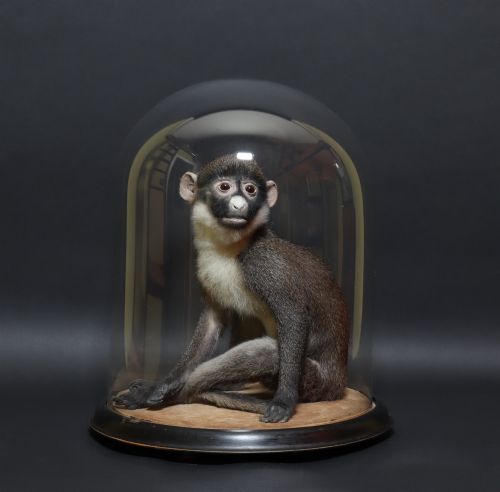
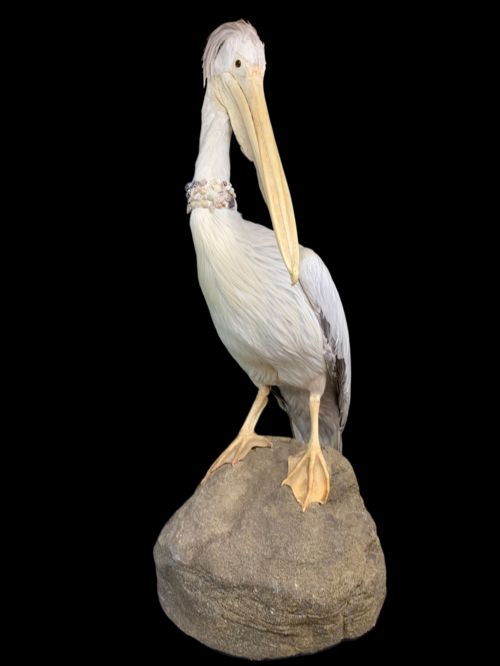
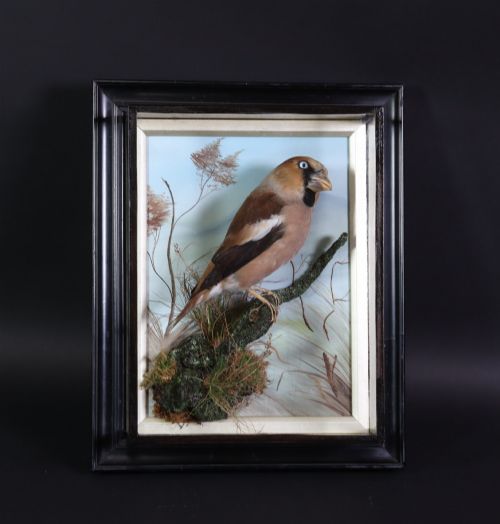
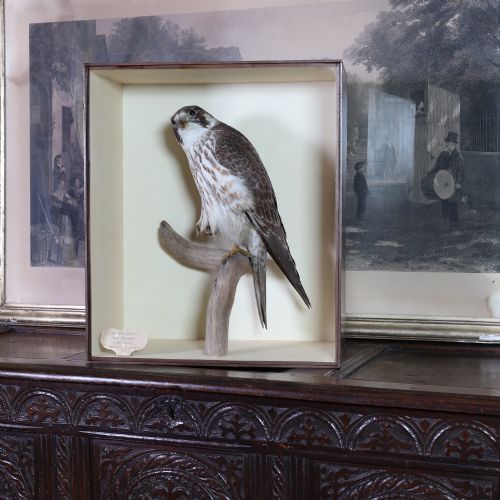
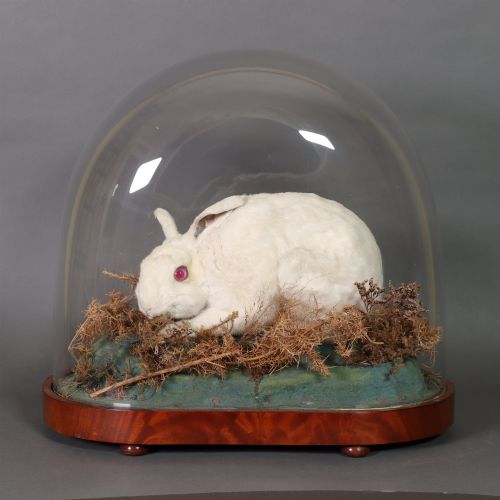
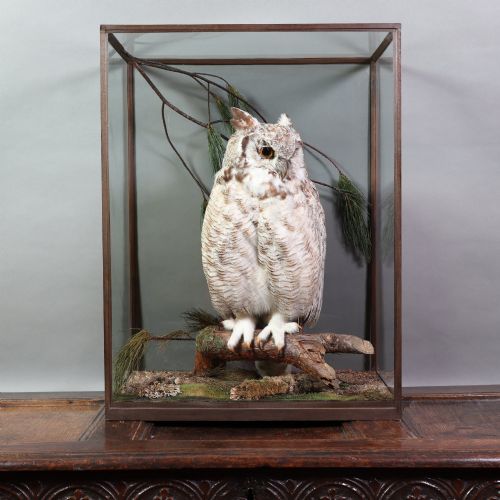
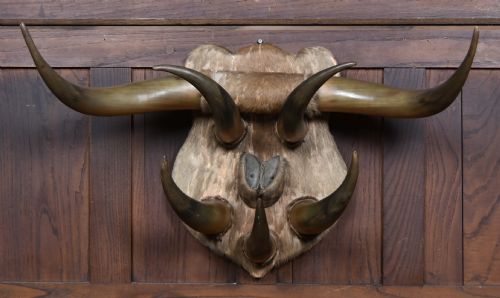
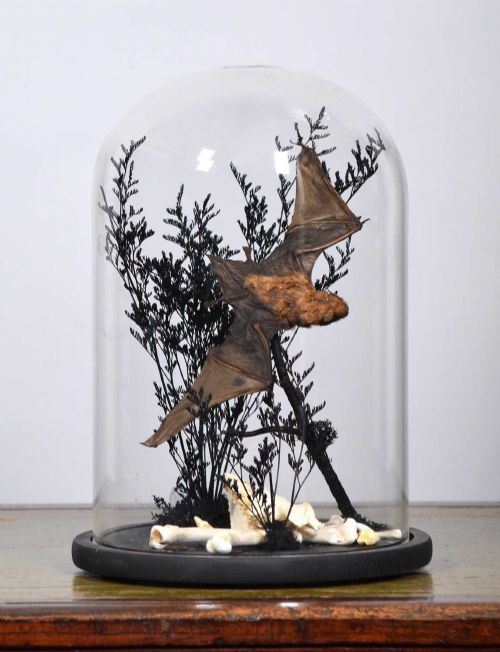
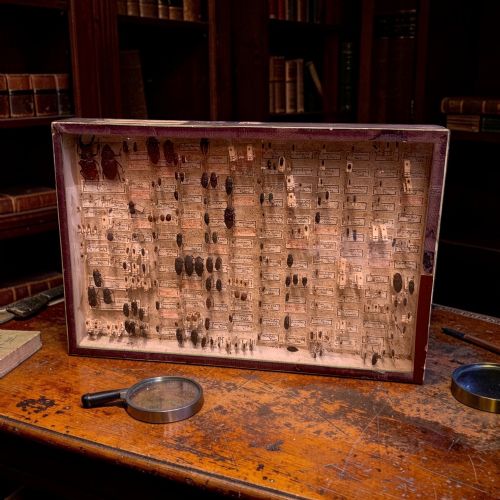
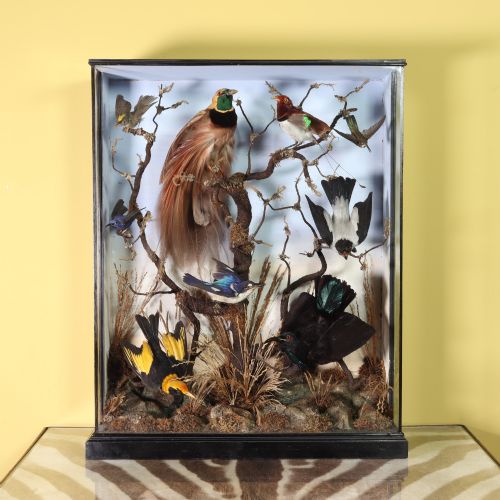
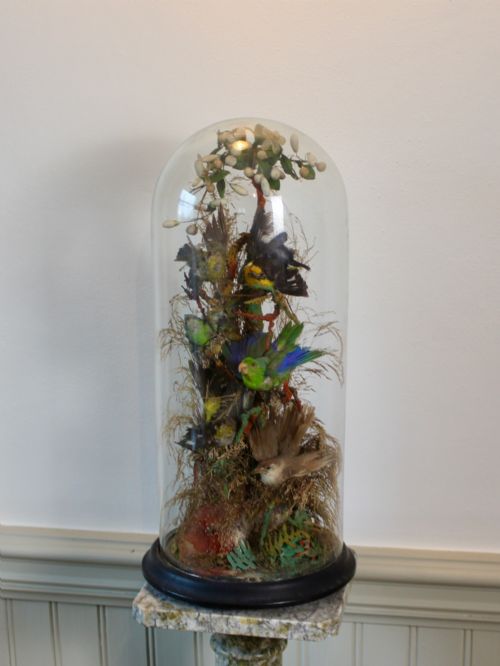
The most common formats on this page include glass display domes, flat-sided glass cases and wall-mounted horns or skulls. Birds, mammals and reptiles appear alongside butterflies and feathers housed in wooden and ebonised frames.
Materials and construction
Taxidermy specimens utilise preserved hides, feathers and fur mounted over internal armatures, often arranged alongside natural foliage inside glass cloches. Blow-glass domes sit atop wooden bases to protect delicate specimens from dust and humidity.
Cases incorporate ebonised wood, bone and horn, relying on traditional joinery and sealed glass to create airtight environments for long-term preservation.
Taxidermy and Curiosities Retail Price Guide 2026
Typical asking prices for taxidermy and curiosities among the pieces listed under this phrase on Sellingantiques today, from the lower quarter to the upper quarter. They describe what is for sale here now, not the wider market.
Listings feature specimens from the Victorian, Edwardian and early twentieth century periods, utilising glass, wood, feathers, bone, horn and fur.
Judgments of quality
Quality rests upon the anatomical accuracy of the taxidermy work and the skill of the original mounting. Master practitioners capture lifelike postures and expressions, whereas lesser pieces exhibit stiff or distorted forms.
The clarity and age of the glass dome matter greatly, as hand-blown original glass carries subtle imperfections and optical ripples that distinguish period display cases from modern replacements.
James Gardner of London·Rowland Ward Ltd·Henry Ward London·Hutchings of Aberystwyth
The Taxidermy and Curiosities Glossary
- Cloche
- A bell-shaped glass cover used to protect delicate taxidermy specimens and curiosities from dust. These clear glass covers sit on wooden bases.
- Ebonised wood
- Timber treated with a dark stain or finish to imitate ebony. This material frequently appears in Victorian display bases and frames.
- Entomology case
- A shallow wooden box fitted with glass to display preserved insects such as butterflies and beetles. Such cases organise specimens scientifically.
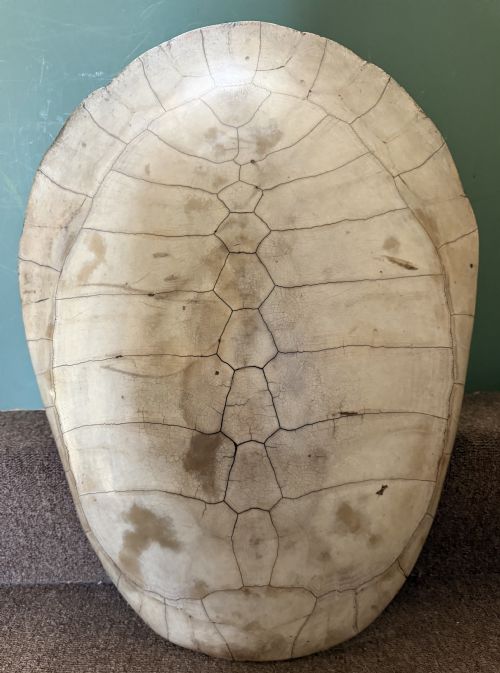
- Carapace
- The upper shell of a turtle or tortoise. These skeletal plates appear cleaned and polished as decorative curiosities.
Taxidermy and Curiosities: Frequently Asked Questions
Where should I place taxidermy at home?
Position specimens away from direct sunlight and damp areas to protect feathers, fur and historical taxidermy mounts from fading or degradation.
Keep them on stable shelves or tables where temperature fluctuations remain minimal throughout the year.
How do I identify a Victorian glass dome?
Examine the glass closely for minor bubbles, thickness variations and subtle waviness that indicate traditional mouth-blown manufacturing methods.
Period wooden bases often feature simple turned mouldings and darker ebonised finishes typical of the nineteenth century.
What is a cabinet of curiosities?
A cabinet of curiosities is a collection of natural history specimens, oddities and artefacts assembled to showcase the diversity of the natural world.
These collections originated in Renaissance Europe and experienced a major revival during the Victorian era.