

Taper Candle Stands
These taper candle stands span centuries of metalwork and ceramics, offering steady light and decorative weight to any surface.
Taper Candle Stands
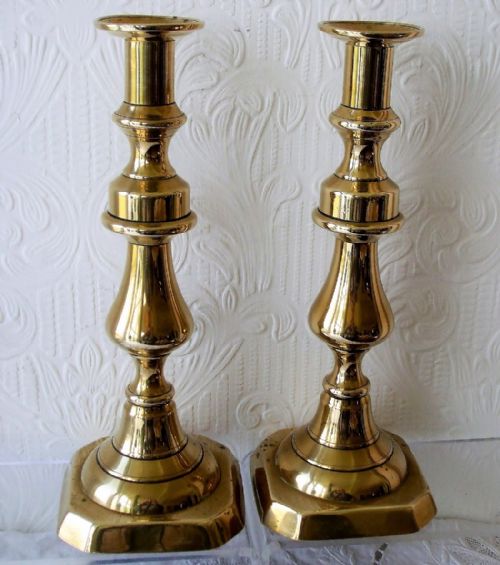
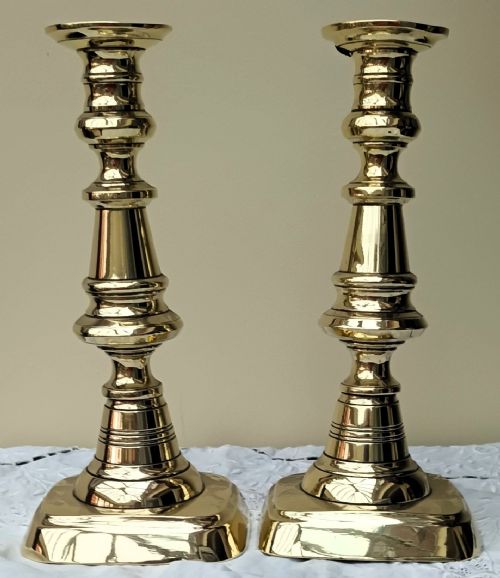
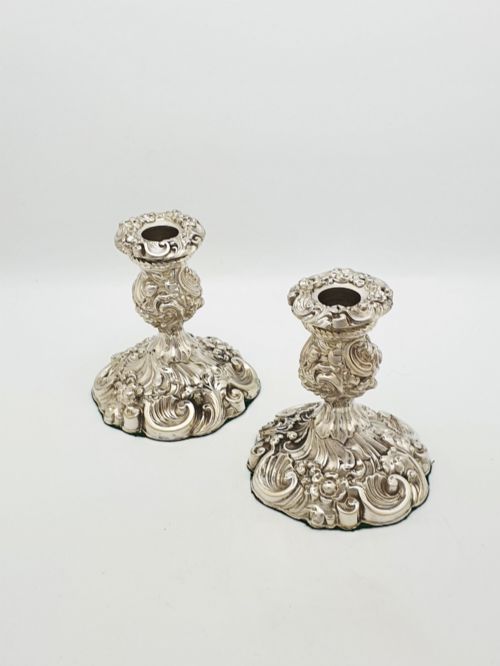
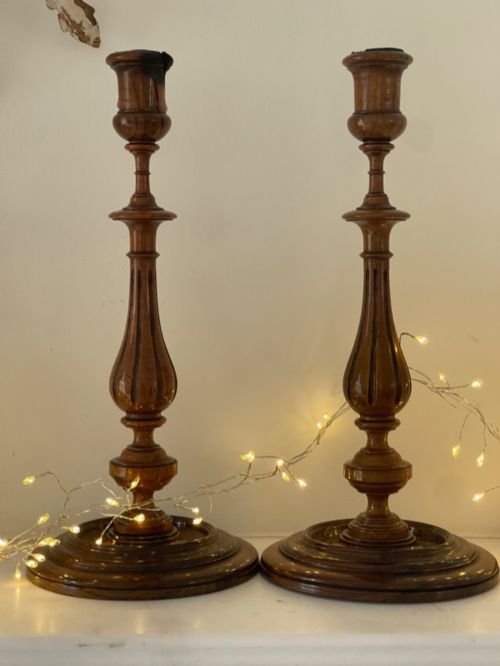
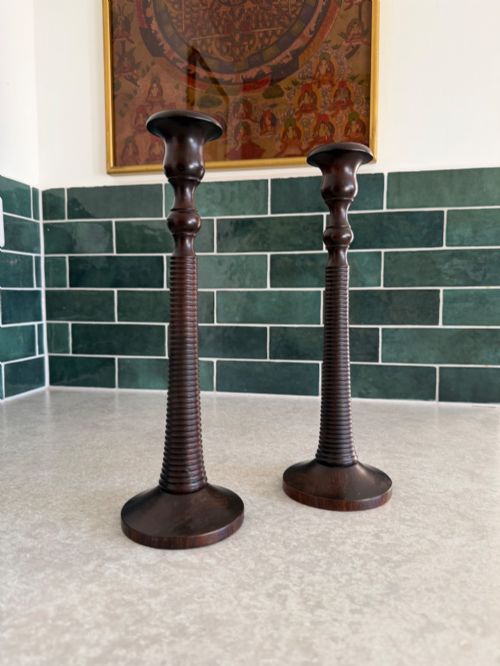
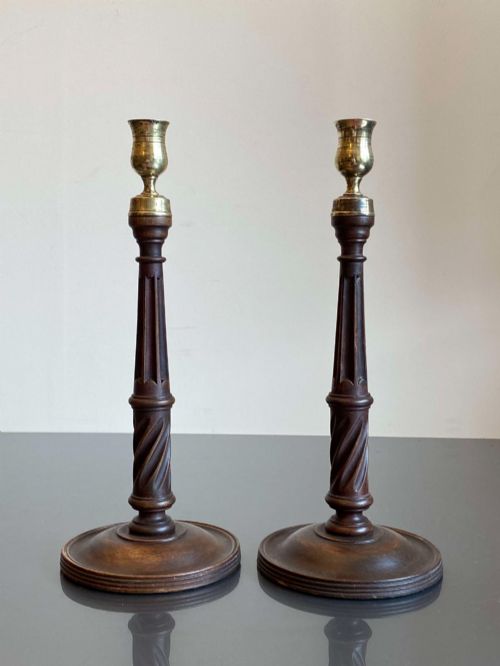
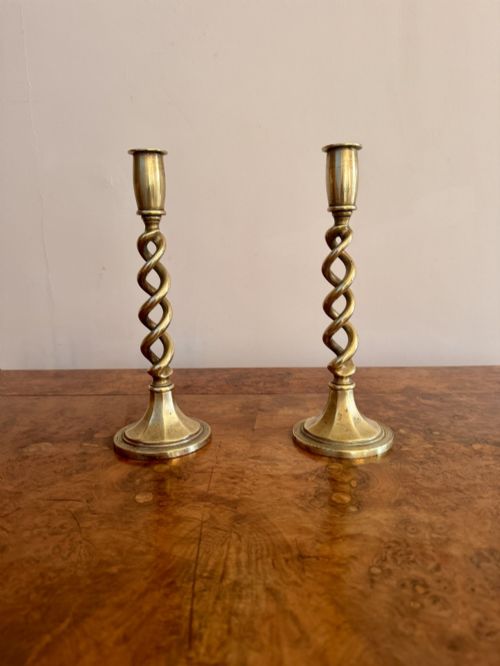
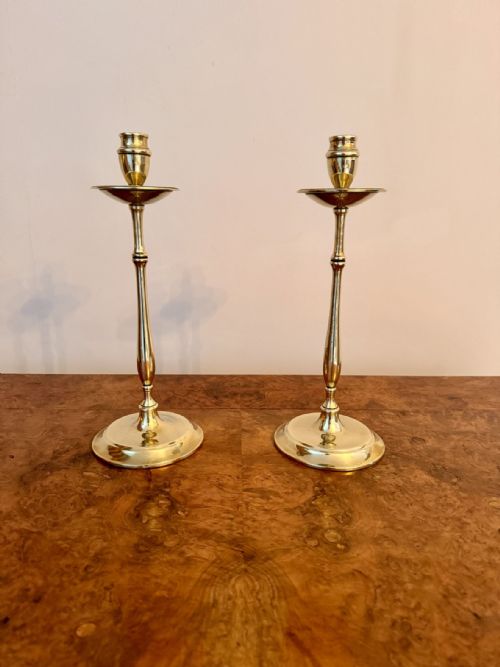
When searching for taper candle stands, buyers encounter items produced across the eighteenth, nineteenth, and early twentieth centuries. The selection on this page relies heavily on brass, silver plate, and pewter examples shaped as candlesticks and holders.
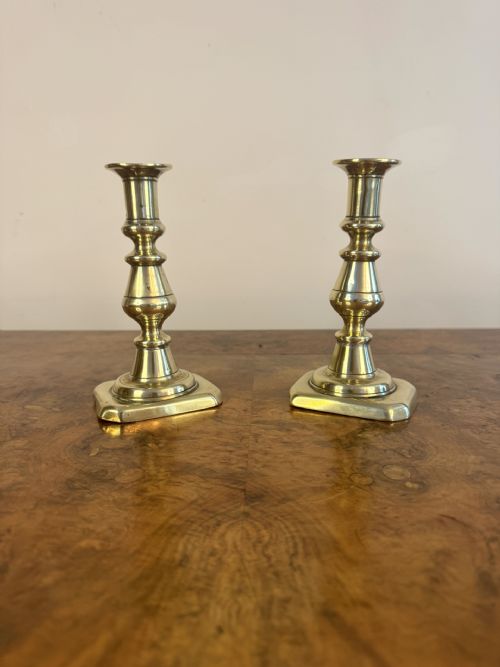
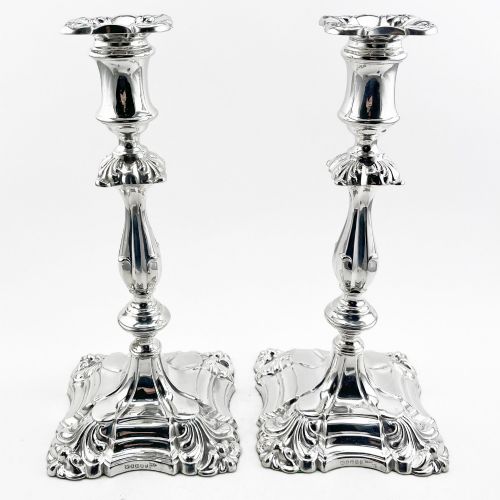
Most pieces date from the Victorian, Edwardian, and Georgian periods, alongside items from the Regency and Arts and Crafts eras. Brass and silver plated designs appear most frequently among these listings, often formed as pairs.
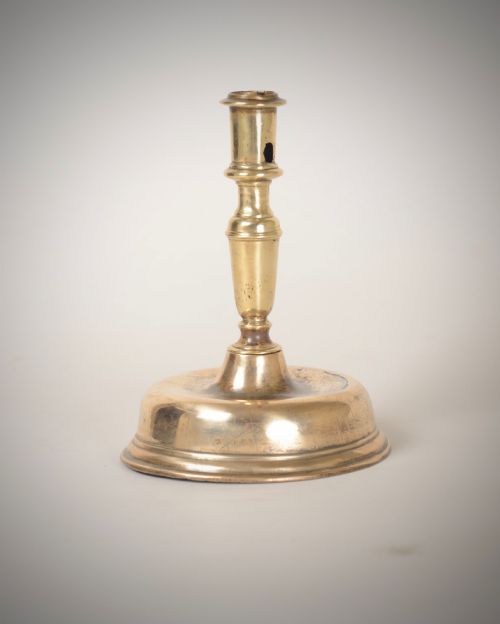
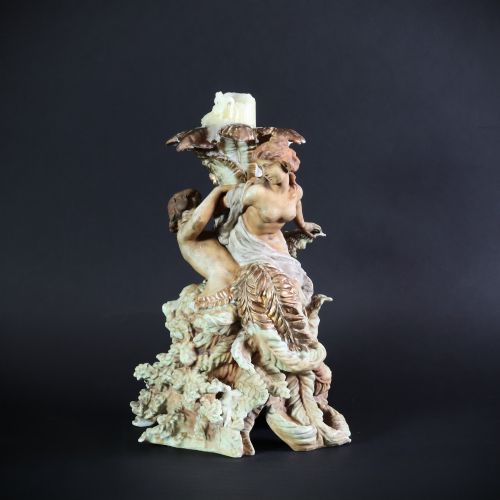
Forms range from slender nineteenth century brass stems to heavy cast bronze, porcelain, and earthenware bodies. Pieces span utilitarian desk models to tall church candlesticks and figural designs.
Materials and construction methods
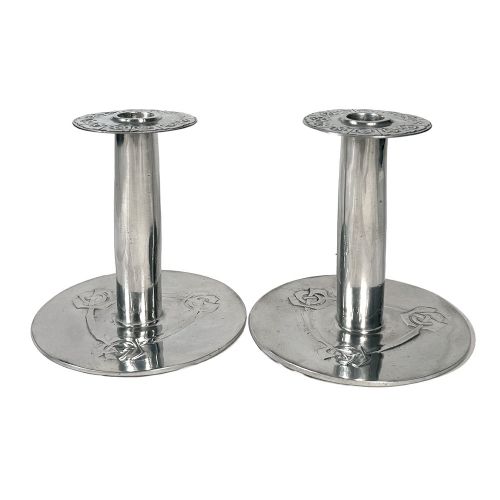
Metals dominate the selection, utilising cast and seamed brass, bronze, pewter, and sterling silver applied over base metals. Pewter compositions include specialised alloys like Tudric, while silver plating coats copper or nickel foundations.
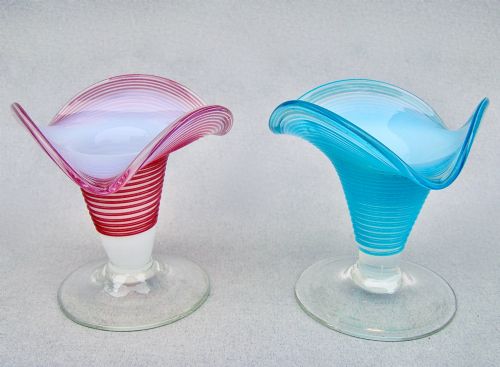
Ceramic examples employ hard paste porcelain, ironstone, and enamel, decorated with moulded foliage or transfer patterns. Marble and tortoiseshell elements occasionally integrate with metal bases for added mass.
Taper Candle Stands Retail Price Guide 2026
Typical asking prices for taper candle stands among the pieces listed under this phrase on Sellingantiques today, from the lower quarter to the upper quarter. They describe what is for sale here now, not the wider market.
A pug dog and a pair of bears take their turn holding candles among the metalwork.
Distinctions in craftsmanship
Quality rests upon the crispness of the casting, the integrity of seamed construction, and the preservation of original surface finishes. Superior metalwork displays sharp detailing on floral motifs, reeded columns, or figural subjects without smoothing from over-cleaning.
Weight and balance distinguish higher tier examples, where substantial bases support tall stems securely. Maker attribution and matched pairing further separate standard production items from workshop outputs.
Elkington and Co·Archibald Knox for Liberty and Co·WMF·Mappin and Webb·Nymphenburg·Ridgway·J.T. and Co·Rene Lalique
The Taper Candle Stands Glossary
- Ejector candlestick
- A brass design containing an internal mechanism to push out the remaining wax stump. This device typically operates via a small slide on the stem.
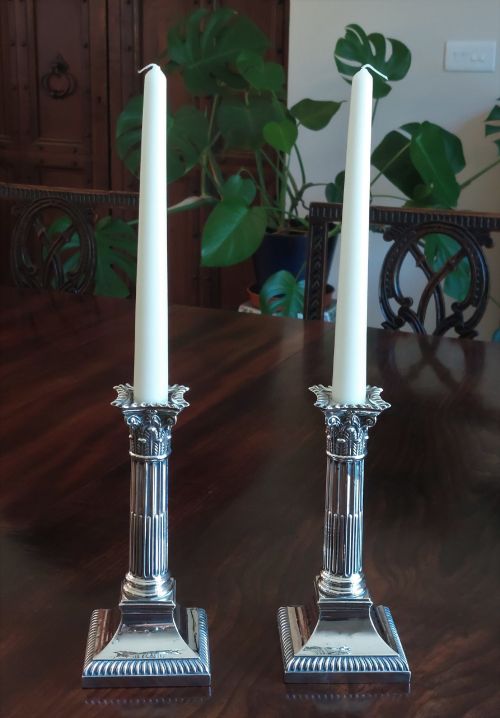
- Corinthian column
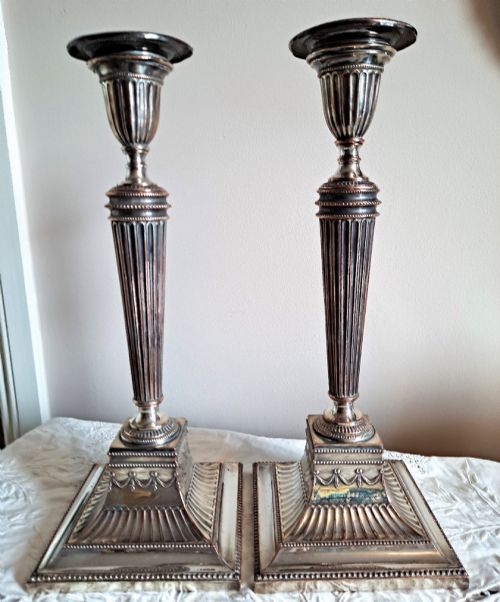
- A classical architectural style adapted for candlesticks, featuring an ornate capital decorated with acanthus leaves. The fluted shaft rests upon a stepped square base.
- Tudric
- A brand name used by Liberty and Co for a high grade pewter alloy. It is commonly associated with Arts and Crafts metalwork.
- Seamed brass
- Metal components joined along a visible vertical line from the manufacturing process. Older examples often display hand-finished seams prior to turning on a lathe.
- Ironstone
- A heavy, durable type of earthenware patented in the nineteenth century. It provides a robust body for moulded candlesticks.
Taper Candle Stands: Frequently Asked Questions
What periods do these taper candle stands cover?
The inventory spans the eighteenth century through to the early twentieth century, taking in Georgian, Regency, Victorian, and Edwardian eras.
Design influences range from classical revival styles like Louis XVI and Retour d'Egypte to Arts and Crafts and Art Nouveau movements.
How do I know if silver items are solid?
Listings distinguish between sterling silver and silver plate. Hallmarks on the body usually confirm solid sterling silver content.
Silver plated items utilise a thin layer of silver over base metals such as copper or brass.
What is the difference between desk and church candlesticks?
Desk candlesticks are smaller, lower forms built with wide drip pans to protect writing surfaces from wax spills. They often feature integrated match holders or handle rings.
Church candlesticks are taller, heavier altar pieces designed for ceremonial illumination in large spaces.
How do I care for antique brass and pewter?
Metals benefit from dust removal using a soft dry cloth. Aggressive metal polishes strip away age patinas and should be avoided.
Pewter requires minimal intervention to preserve its dark grey oxidized surface.