

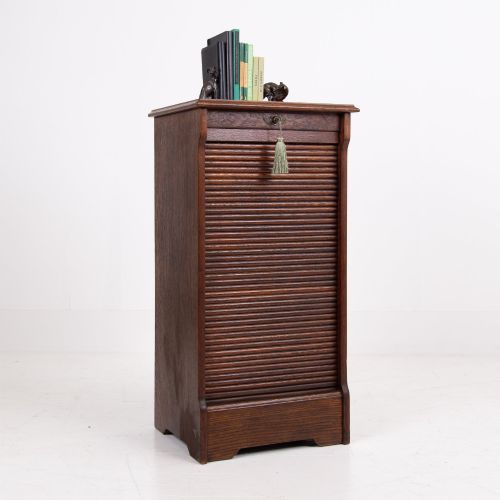
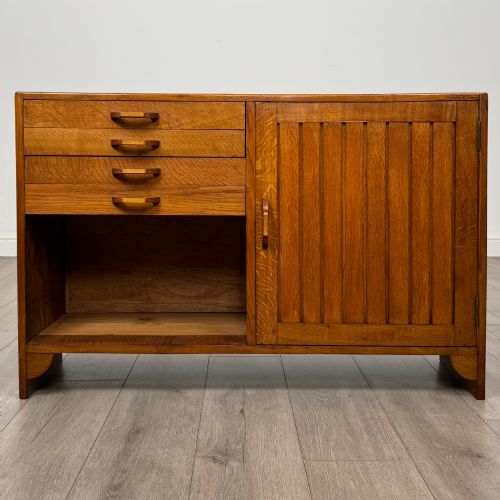
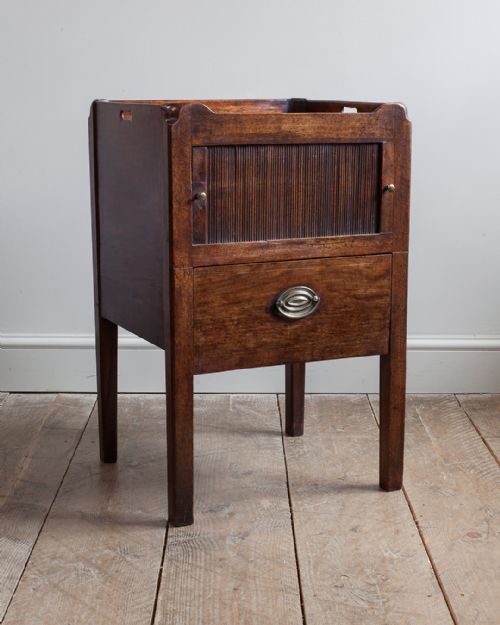


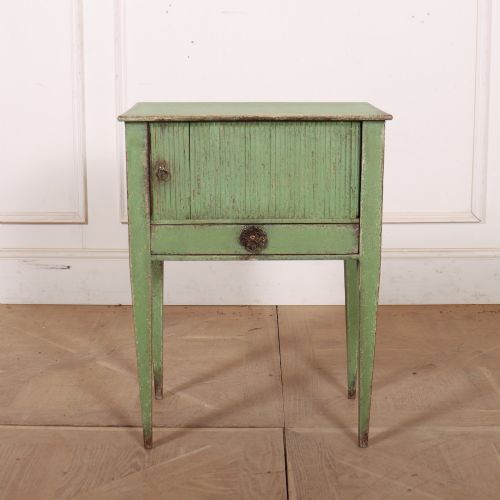
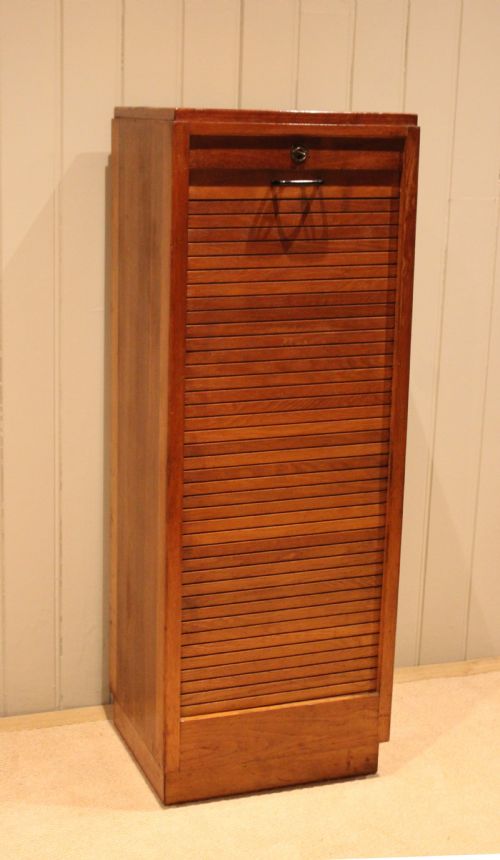
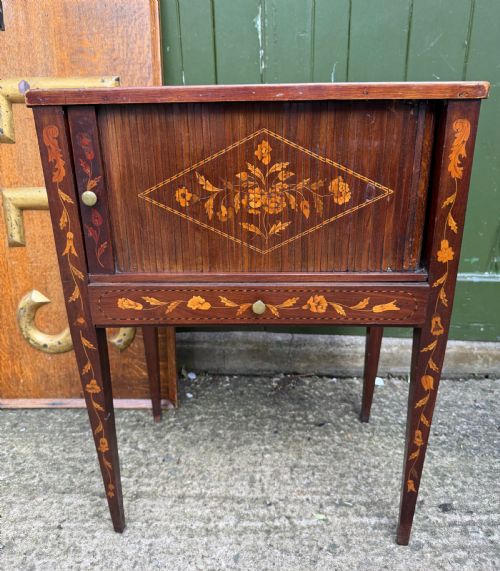
Tambour Door Cabinet
A tambour door cabinet uses narrow strips of wood to conceal storage with a smooth sliding action that saves space.
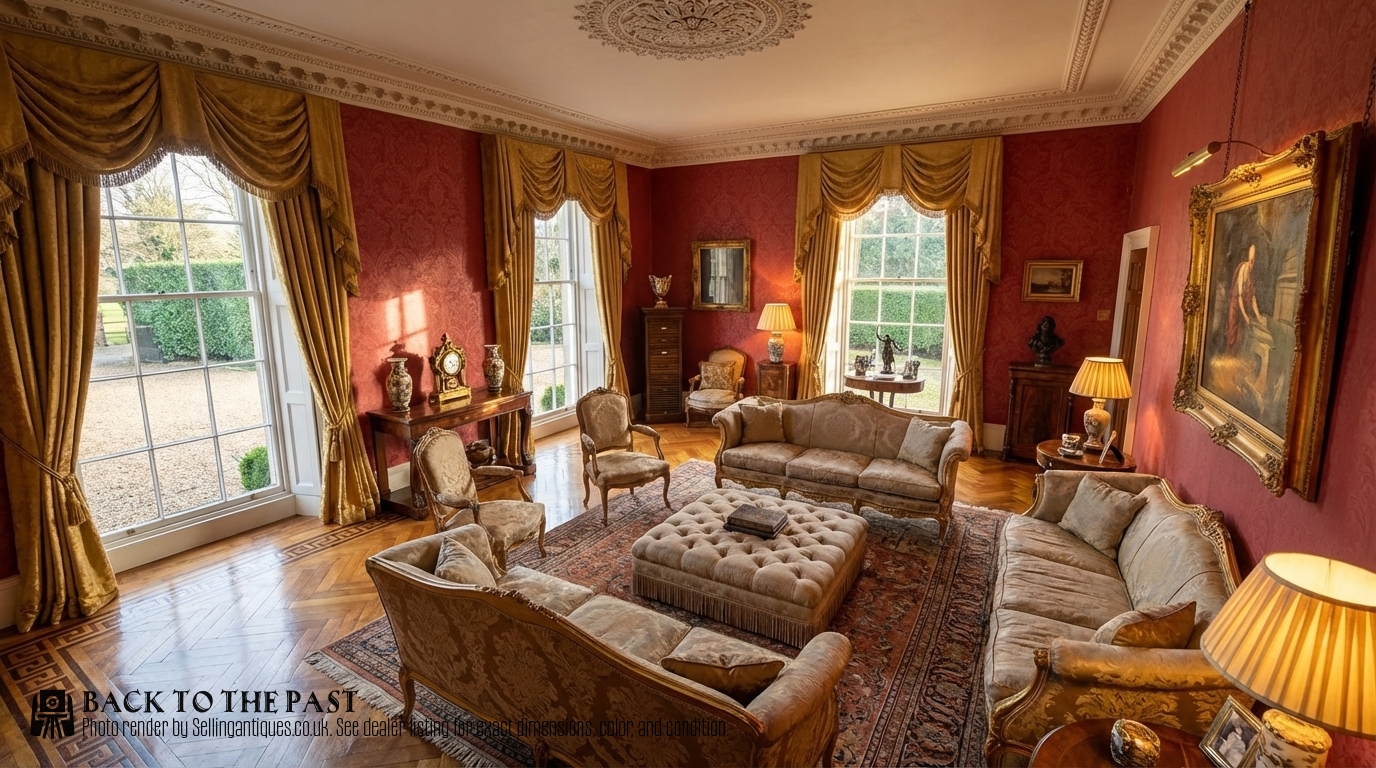
Tambour Door Cabinet
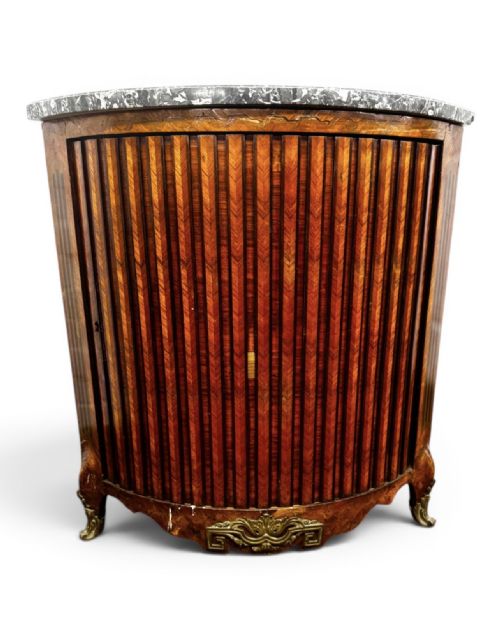
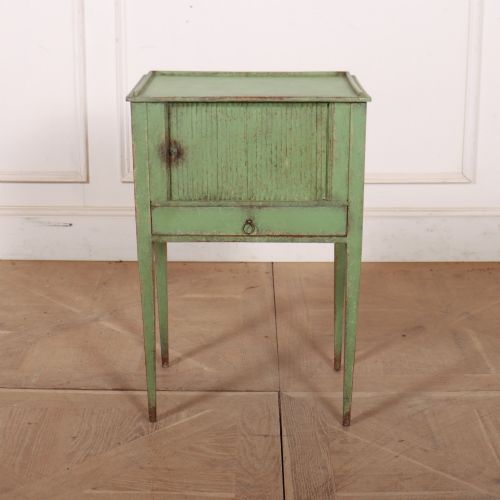
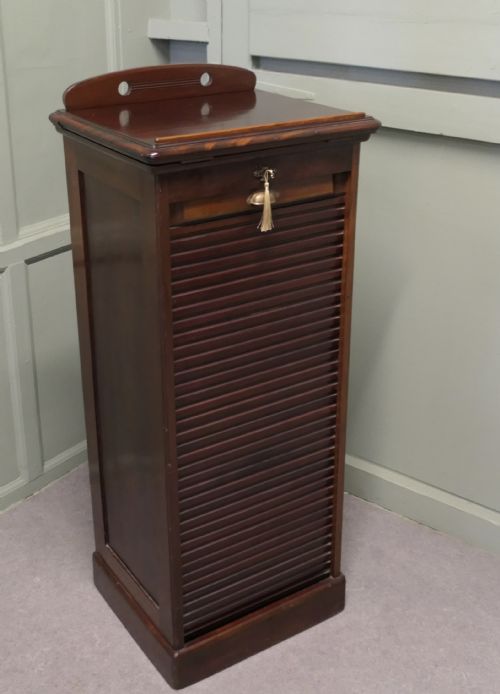
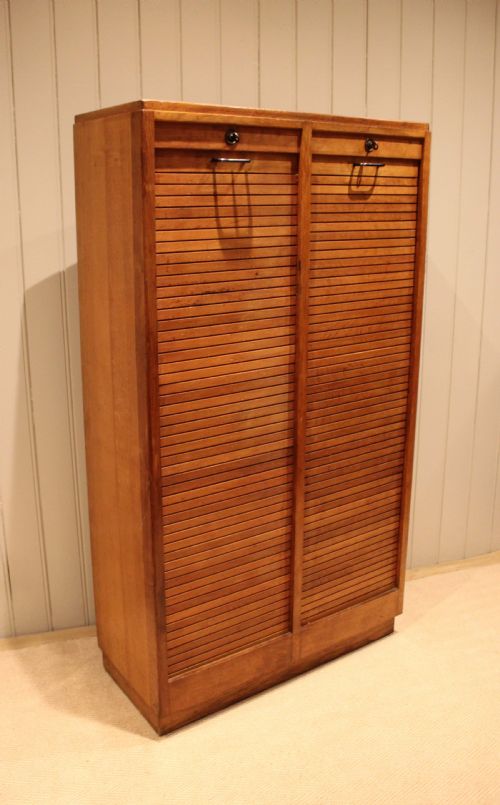
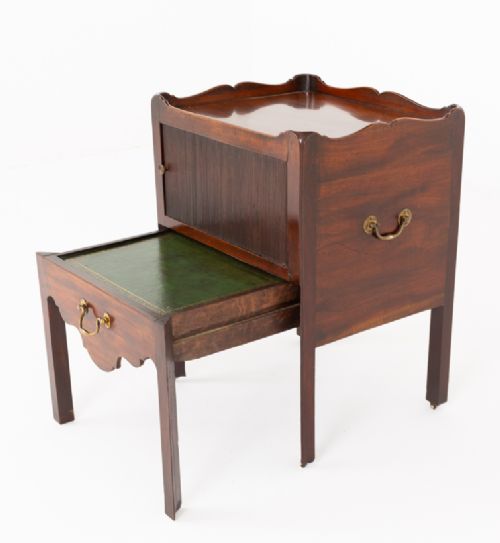
A tambour door cabinet is a piece of furniture designed with flexible slatted shutters that slide along tracks to enclose the interior space. When searching for a tambour door cabinet, buyers encounter various forms ranging from compact office filing units to elegant bedside cupboards and corner units.
The selections span multiple periods including the Georgian era, the nineteenth century, and the early twentieth century, showing both domestic bedside pieces and commercial office furniture. Oak and mahogany appear frequently as primary timbers, alongside walnut, satinwood, and canvas components.
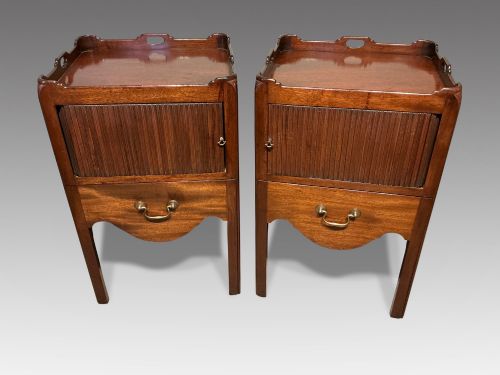
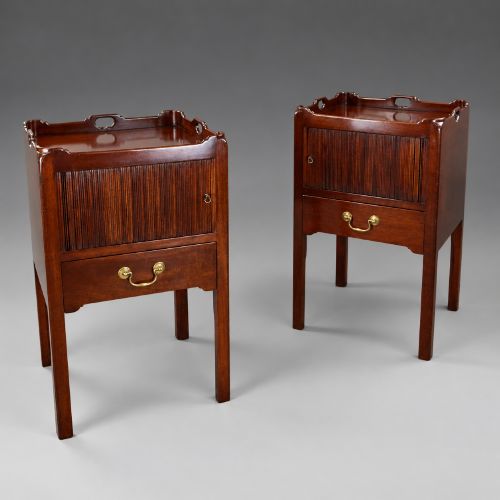
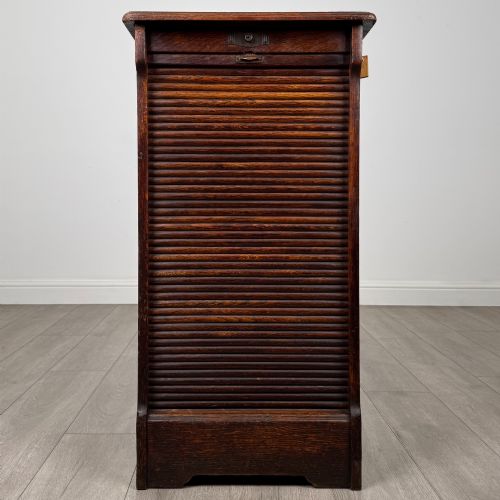
Domestic versions often take the form of bedside tables or nightstands with tray tops, whilst commercial iterations provide single or double tambour fronts for filing documents and office use.
How they were made
Makers constructed tambour shutters by gluing narrow wooden slats onto a strong fabric canvas backing, which allowed the rigid strips to curve smoothly around tracks. Solid timbers like mahogany and oak formed the primary carcases, complemented by secondary woods and occasional boxwood or satinwood stringing.
Joinery techniques relied on traditional framing to house the sliding door channels securely, ensuring the flexible slats moved without jamming. Surface finishes involved polished wood grains, Dutch floral marquetry inlay, and painted treatments on regional examples.
Tambour Door Cabinet Retail Price Guide 2026
Typical asking prices for tambour door cabinet among the pieces listed under this phrase on Sellingantiques today, from the lower quarter to the upper quarter. They describe what is for sale here now, not the wider market.
Materials recorded across these items include mahogany, oak, walnut, satinwood, boxwood, and canvas.
What varies in quality
The standard of a tambour door cabinet rests on the precision of the slatted track mechanism and how smoothly the flexible door travels along its groove. Superior examples maintain alignment without binding, while inferior pieces suffer from warped slats or worn canvas backings that restrict movement.
Timber selection and cabinet proportions also dictate grade, with finely figured mahogany and quarter-sawn oak sitting above plain utility pieces. Original hardware, intact tray tops, and crisp marquetry inlay distinguish finer workshops from standard production.
The Tambour Door Cabinet Glossary
- Tambour
- Flexible sliding shutter doors made from narrow strips of wood affixed to canvas. This ingenious construction conceals contents without requiring clearance for swinging doors.
- Tray top
- A raised gallery rim surrounding the upper surface of a bedside cabinet or commode. It prevented items from rolling off the edge.
- Marquetry
- Decorative patterns formed by fitted veneers applied to a furniture surface. Floral motifs appear frequently on Dutch regional pieces.
- Commode
- A small enclosed cabinet or chest designed for bedroom use during the eighteenth and nineteenth centuries. Many incorporate tambour doors above lower cupboards or drawers.
- Nightstand
- A small bedside table built to hold chamber items or personal belongings. These often feature enclosed cupboards with tambour shutters.
Tambour Door Cabinet: Frequently Asked Questions
What is a tambour door?
A tambour door consists of narrow wooden slats attached to a fabric backing that allows the door to curve around a track. This design conceals the cabinet interior whilst saving space in tight rooms.
Makers utilised this method on both office filing units and domestic bedside tables to provide sleek access to stored items.
How do I clean tambour slats?
Clean the slatted surface gently using a dry or barely damp cloth to remove dust from the recessed grooves between each strip. Avoid excess moisture that could penetrate the fabric backing.
Apply suitable furniture wax occasionally to maintain the timber finish and help the slats glide smoothly along their tracks.
Were these used in offices?
Office filing cabinets frequently employed single or double tambour fronts during the early twentieth century. These units stored documents securely while occupying minimal floor space.
Similar mechanisms also appeared on desks and writing tables from the same period.
How do I date an oak cabinet?
Examine the construction methods, timber grain, and hardware to determine the period of an oak cabinet. Pieces from the Georgian era show hand-cut joinery, whilst twentieth-century office furniture employs standardised metal fittings and machine-cut components.
Style indicators such as Edwardian proportions or Arts and Crafts influences help narrow down the decade of manufacture.