

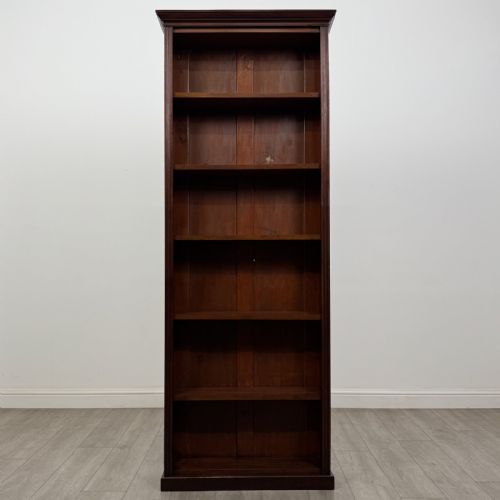
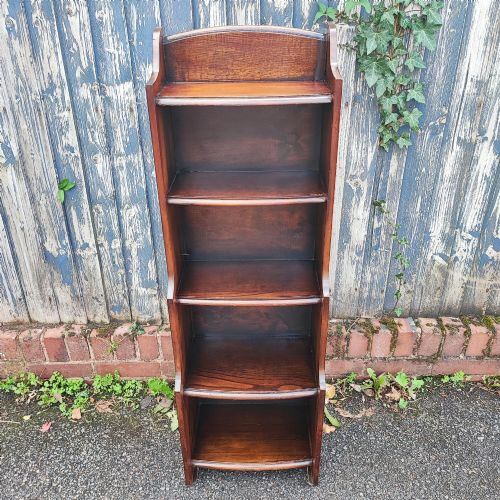
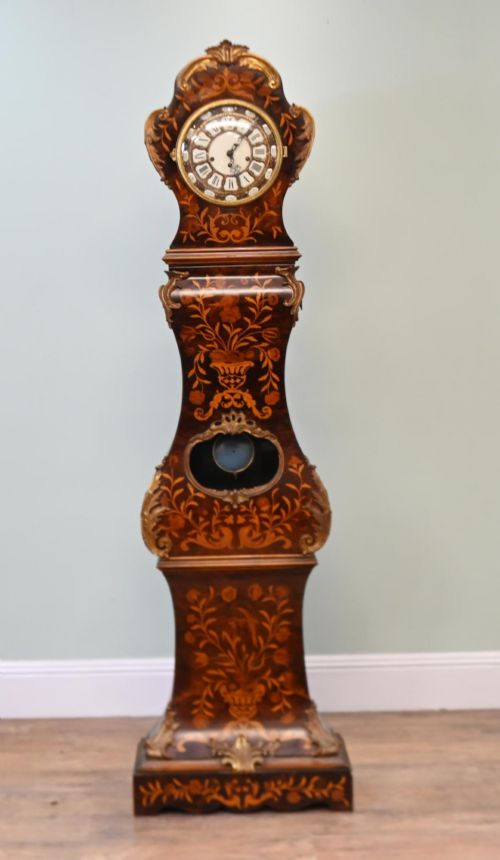

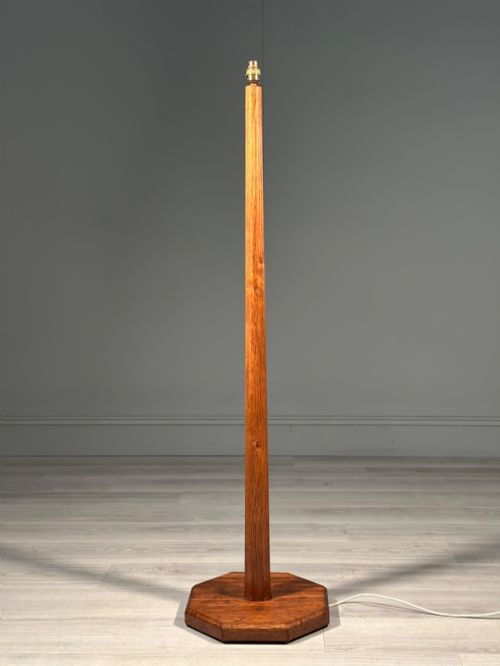
Tall Wooden Stand
A tall wooden stand elevates a display, bringing vertical presence to a room through forms like torcheres, pedestals, and plant stands.
Tall Wooden Stand
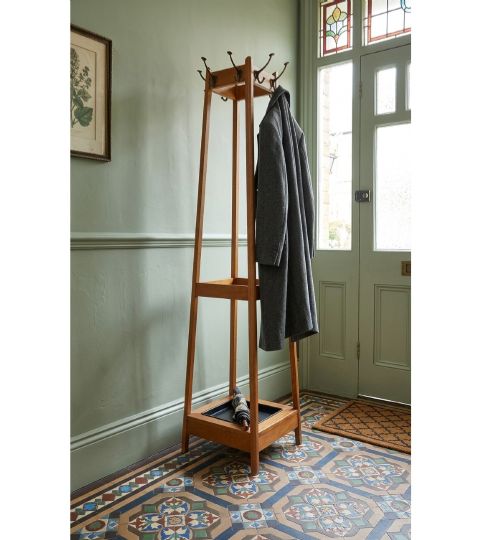
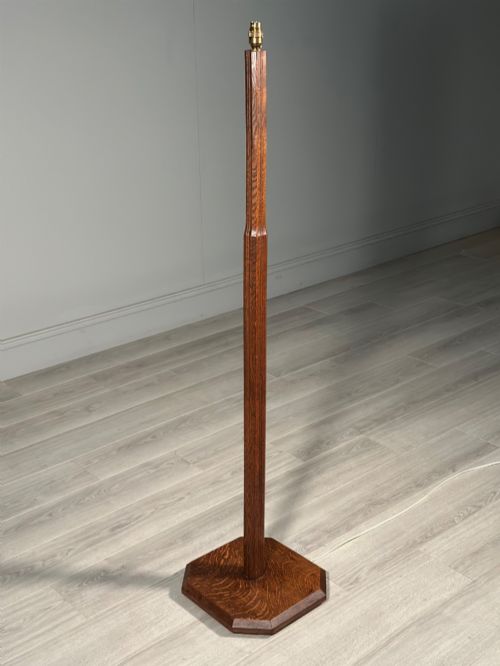
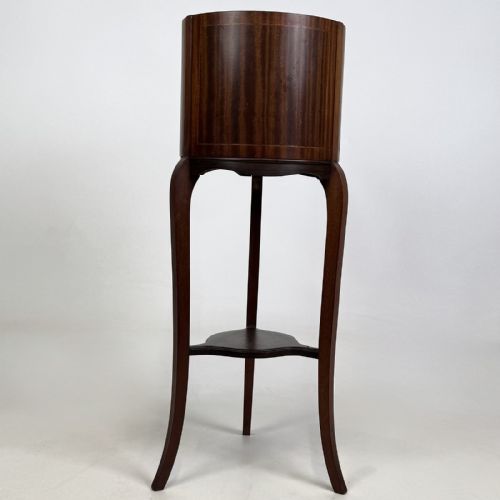
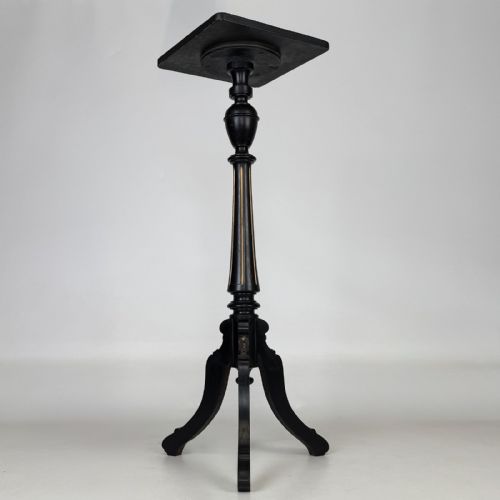
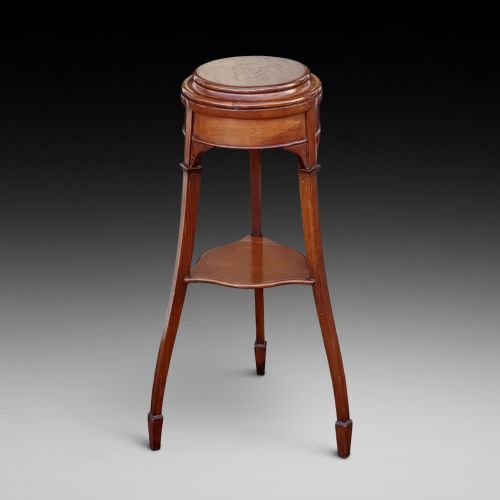
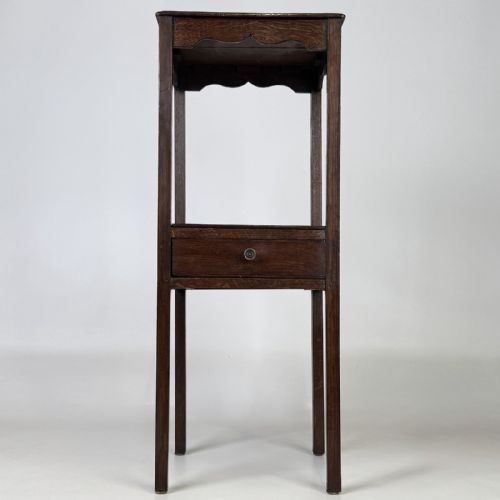
A tall wooden stand encompasses a range of vertical furnishings designed to support objects such as plants, lamps, or decorative urns. The selection on this page leans heavily towards Edwardian and Victorian plant stands, torcheres, and pedestals, alongside Georgian examples.
Makers utilised various forms, including tripod bases, column display pedestals, and multi-tier stands. These pieces served practical domestic roles in displaying botanical specimens or lighting rooms before electric ceiling fixtures became common.
Origins span British workshops as well as continental pieces, including Dutch walnut and French carved oak designs. Buyers encounter everything from simple rustic pine structures to finely inlaid mahogany and satinwood creations.
How they were made
Craftsmen shaped these stands from solid timbers such as mahogany, oak, walnut, and elm, often applying ebonised finishes or satinwood inlay for decorative contrast. Structural integrity relied on traditional joinery, turned pillars, and stable tripod or column configurations.
Surface ornamentation involved hand-carving, brass detailing, and inlaid veneers. Torcheres and display pedestals required precise balance in their vertical stems to support weight securely at height.
Tall Wooden Stand Retail Price Guide 2026
Typical asking prices for tall wooden stand among the pieces listed under this phrase on Sellingantiques today, from the lower quarter to the upper quarter. They describe what is for sale here now, not the wider market.
Listings feature woods spanning mahogany, oak, walnut, elm, satinwood, and pine, alongside decorative ebonising and brass details.
What varies in quality
Quality reveals itself in the choice of timber and the precision of the turning and carving. Finer stands exhibit crisp detail in carved knees or columns and careful matching of wood grain.
Stability and proportion dictate the standing power of a piece. Superior examples maintain a balanced weight distribution across their bases, whereas lesser items may feel top-heavy or rely on crude joins.
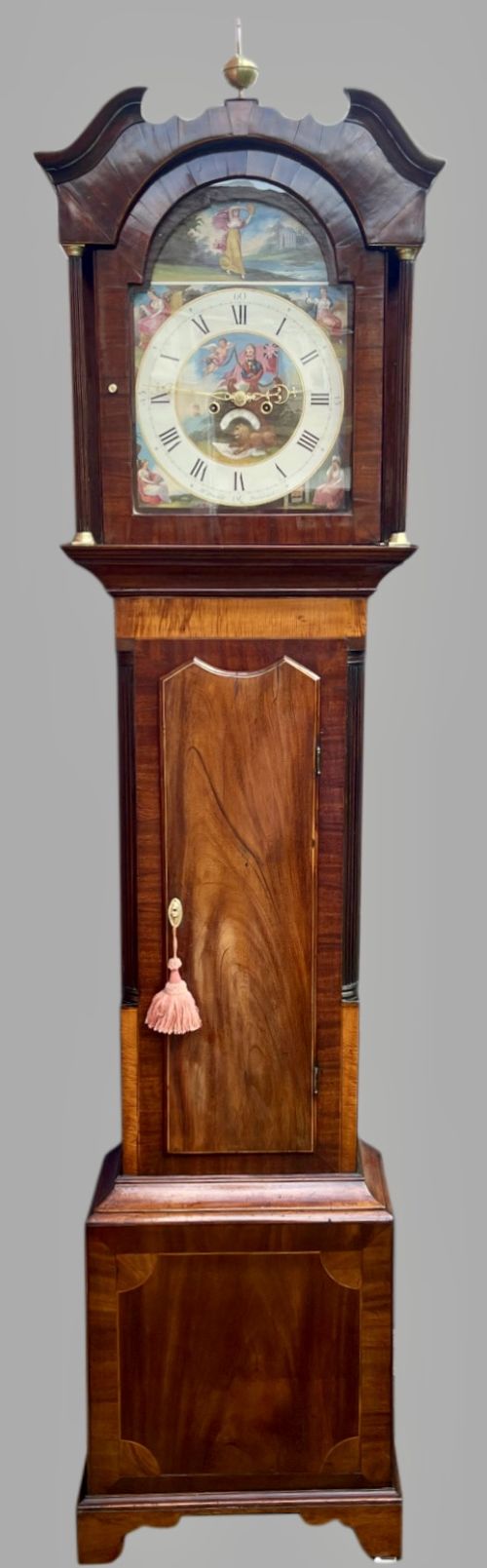
Hendrie Ogg·D. Straiton·GM Elwood·JS Henry
The Tall Wooden Stand Glossary
- Torchere
- A tall ornamental stand or candlestick designed to hold a light source or display an object. These pieces typically feature slender columns.
- Pedestal
- A structural support or plinth used to elevate a bust, vase, or plant. They range from plain columns to ornate carved designs.
- Inlay
- A technique where contrasting woods or materials are inserted into recesses within the primary timber. Satinwood and kingwood frequently appear in this work.
- Ebonised
- Wood treated with a dark finish to imitate ebony. This treatment became popular during the Victorian period for dramatic contrast.
- Gallery
- A raised decorative border along the edge of a shelf or top. It prevents items from sliding off the surface.
Tall Wooden Stand: Frequently Asked Questions
What is a torchere used for?
A torchere originally functioned as a stand for a torch or candle lamp to illuminate dark corners of a room. Today, collectors utilise them to elevate plants, sculptures, or modern lamps.
Their slender vertical profile allows them to fit into tight spaces where traditional tables cannot go, adding height and architectural interest to an interior scheme.
How do I tell a Victorian stand from an Edwardian one?
Victorian stands tend to feature heavier timbers, darker ebonised finishes, and more ornate, dense carving. They reflect a period of robust ornamentation and solid structural presence.
Edwardian pieces often display lighter woods like mahogany and satinwood, frequently incorporating delicate inlay work or slender pillars in the Arts and Crafts taste.
Are plant stands strong enough for heavy pots?
Most antique plant stands were built to support substantial ceramic or terracotta jardiniere pots filled with soil and plants. Solid timber construction and sturdy tripod or multi-tier bases provide the necessary load-bearing capacity.
However, checking the integrity of the joints and the stability of the base remains wise before placing fragile or extremely heavy items at height.
Where should I place a tall stand in my home?
Tall stands work exceptionally well in empty corners, framing doorways, or flanking larger pieces of furniture to break up horizontal lines. Their height draws the eye upward, making rooms feel taller.
Placing them away from heavy foot traffic prevents accidental knocks, especially for narrow tripod torcheres or pieces supporting delicate decorative objects.