


Tall Wooden Side Table
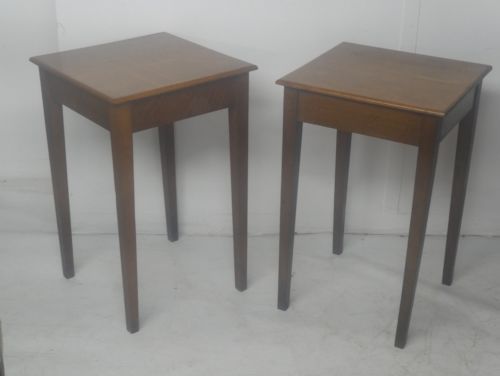
A tall wooden side table brings useful surface space and architectural height to a corner, combining practical proportion with period character.
Tall Wooden Side Table
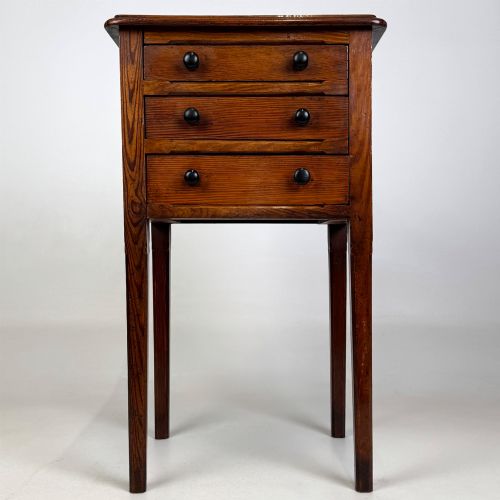
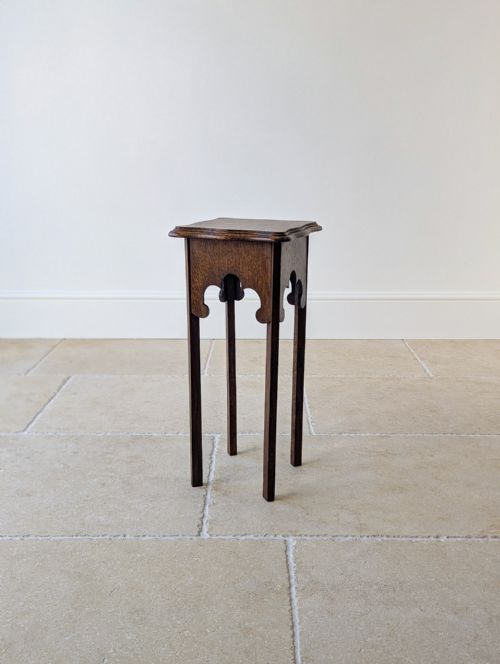
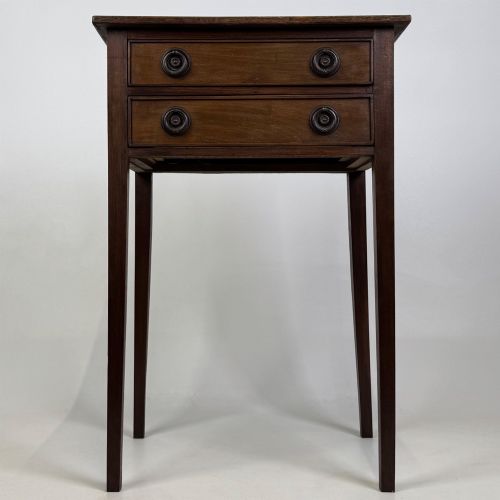
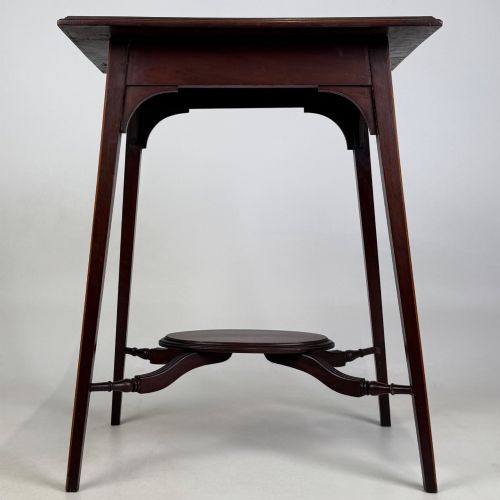
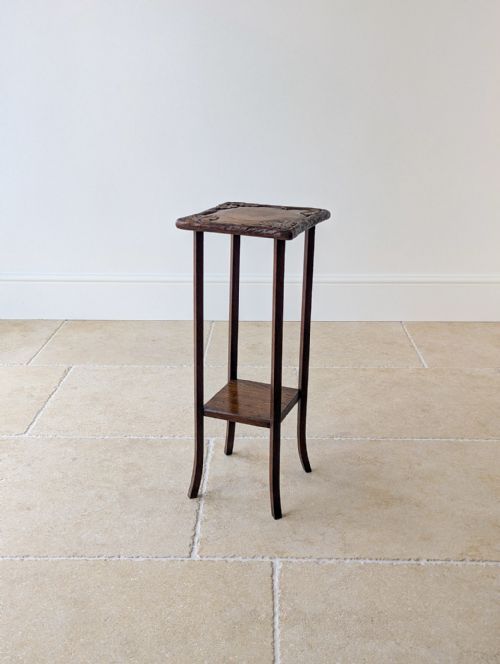
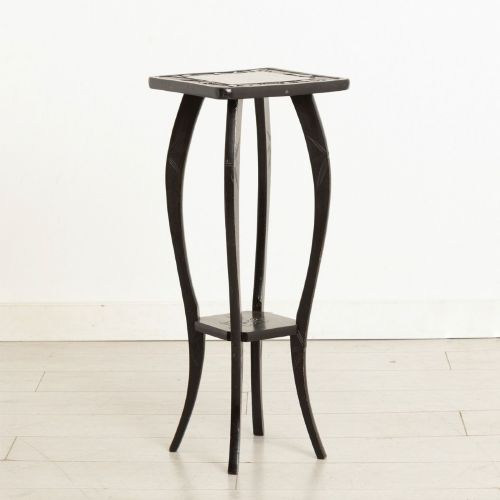
When you search for a tall wooden side table, you encounter elevated furniture designed to hold lamps, plants, or bedside requisites without dominating a room's floor space. These pieces span utility forms like plant stands, bedside cabinets, and tall lamp tables dating from the Victorian and Edwardian eras.
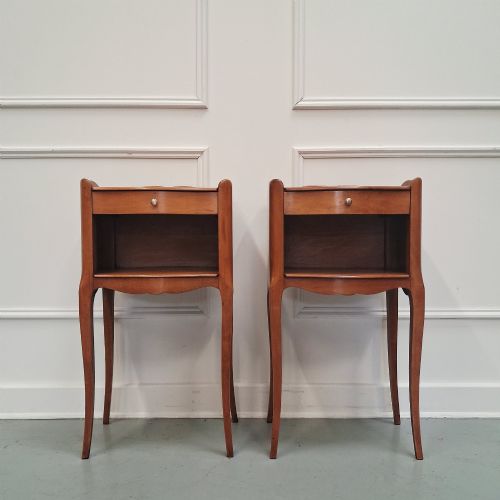
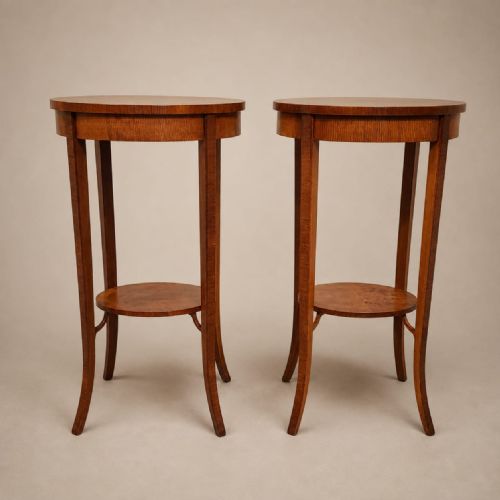
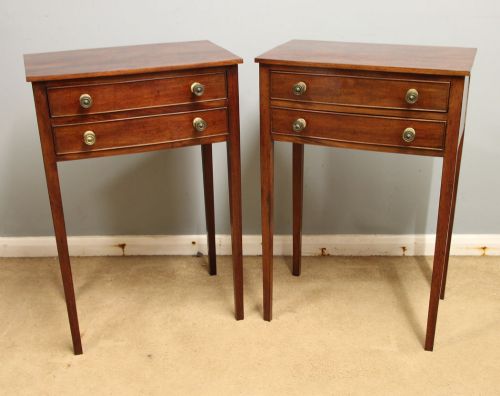
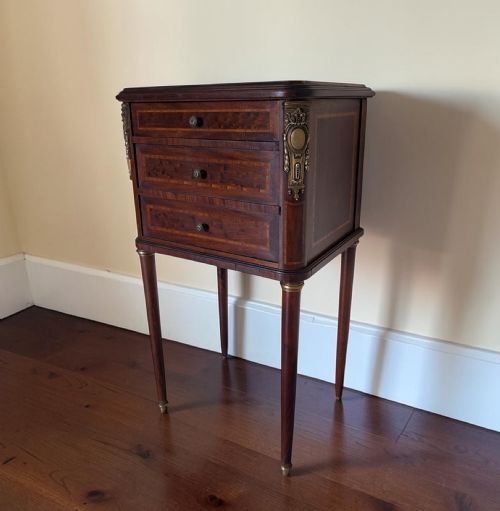
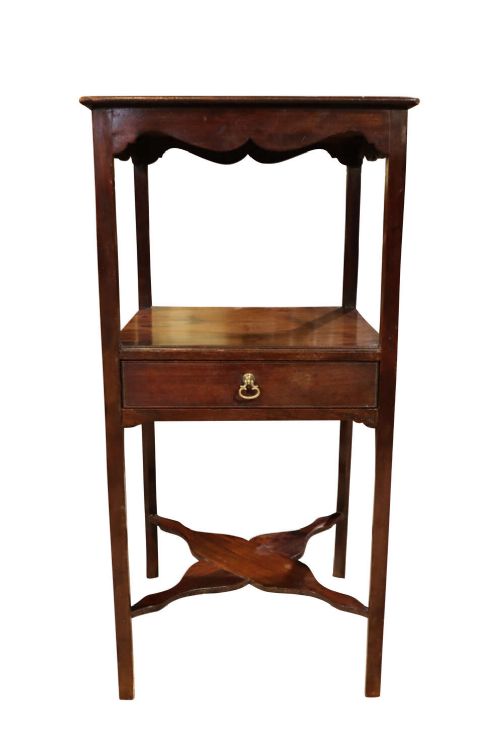
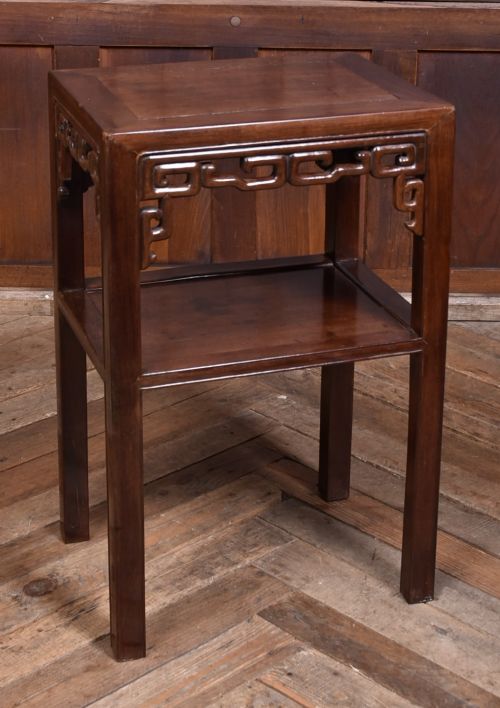
The specimens seen here range from simple oak and pine utility pieces to inlaid mahogany occasional tables and French cherry or walnut designs. Many adopt specific roles such as pedestal stands, urn stands, or nightstands, yet share an elevated profile that distinguishes them from standard low coffee tables.
Materials and construction methods
Makers relied heavily on solid hardwoods like mahogany, oak, and walnut, frequently applying boxwood stringing, marquetry, or burr veneers to elevate the visual texture of the timber. Pitch pine, kingwood, and satinwood also appear among the structural choices used by period cabinet makers.
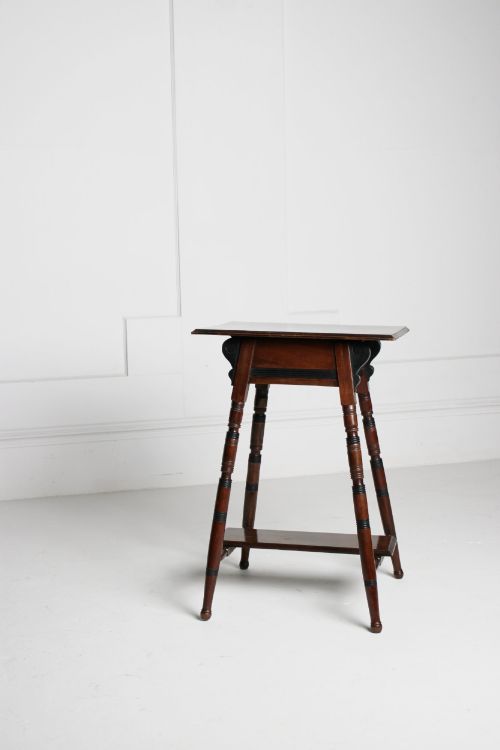
Joinery techniques varied from sturdy mortise and tenon frames in Arts and Crafts pieces to refined dovetailing in drawers and delicate turning on slender plant stand stems. Surfaces were finished to highlight natural grain patterns, occasionally featuring painted finishes or hand-carved decorative motifs.
Several pieces double as pedestals for busts, proving that Victorian households liked to keep a watchful ancestor close to the lamp.
Factors of distinction
Quality rests upon the selection of timber and the precision of decorative inlays, such as intricate marquetry or fine boxwood stringing set into solid mahogany or walnut. Superior examples demonstrate crisp carving, balanced proportions, and structural integrity across slender legs and tiered shelves.
Provenance and originality heavily influence the standing of a piece, separating standard utility furniture from finer retail commissions associated with notable cabinet makers and London establishments.
Druce & Co London·Shoolbred·Liberty of London
The Tall Wooden Side Table Glossary
- Urn stand
- A tall, slender table traditionally designed to support a tea urn, often featuring an octagonal or square top with raised edges.
- Plant stand
- An elevated pedestal piece intended to display botanical specimens, commonly built with multiple tiers or carved wooden supports.
- Marquetry
- The art of applying decorative veneer pieces in wood to form intricate geometric or floral patterns across a tabletop.
- Nightstand
- A small bedside cabinet or table used to hold nocturnal requisites, frequently fitted with a combination of drawers and cupboards.
- Stringing
- A narrow inlay of contrasting wood used to outline panels, drawers, or table borders for subtle visual emphasis.
Tall Wooden Side Table: Frequently Asked Questions
What distinguishes a plant stand from a side table?
Plant stands generally feature taller, narrower footprints designed specifically for display rather than surface utility.
They often incorporate tiered platforms or slender columns that differentiate them from broader lamp and occasional tables.
Where should I place a tall side table?
These tables suit narrow hallways, awkward corners, or spaces beside high-backed seating where standard furniture feels too low.
They also function effectively beside beds or as elevated stands for lamps and decorative urns.
How do I identify an Edwardian piece?
Edwardian examples frequently display lighter construction, simpler Arts and Crafts influences, or Sheraton revival inlay.
Cabinet makers of this period often utilised mahogany or oak with restrained decorative motifs reflecting domestic practicality.
Are these tables sturdy enough for daily use?
Solid hardwood construction ensures most pieces withstand everyday placement of lamps, books, and decorative objects.
Slender styles like plant stands require careful placement to avoid tipping when burdened with heavy items.