


Tall Wooden High Stools
Tall wooden high stools bring practical height and honest utility to any room, offering robust seating shaped by decades of everyday use.
Tall Wooden High Stools
When you search for tall wooden high stools, you are looking at elevated seating designed for commercial work, writing desks, and public houses. The examples you are most likely to meet on this page originate from the nineteenth century up through the mid twentieth century, reflecting practical domestic and trade environments.
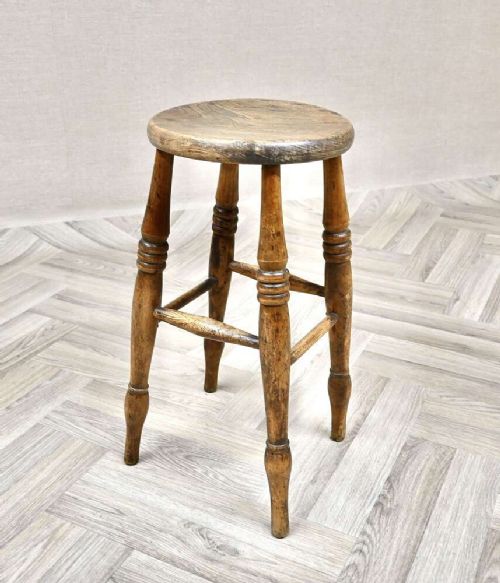
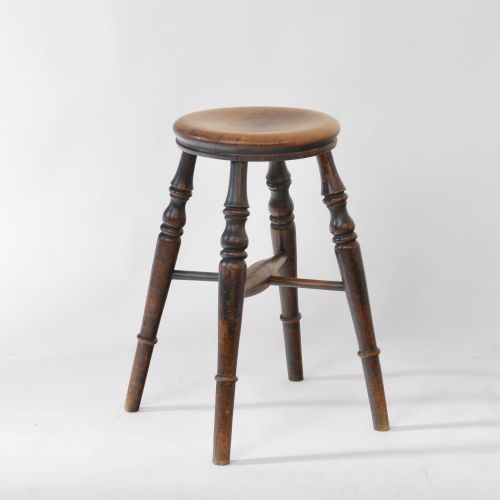
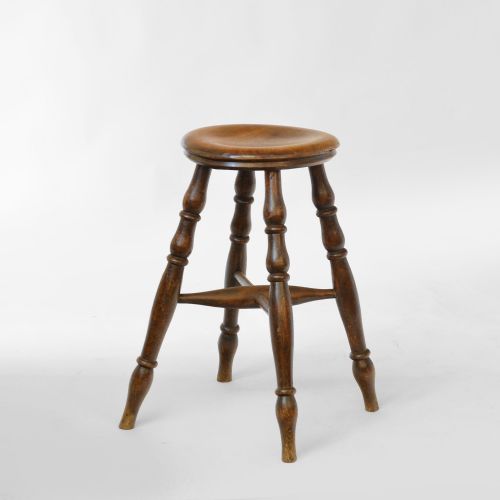
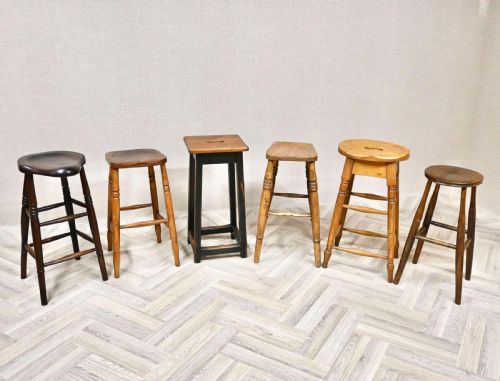
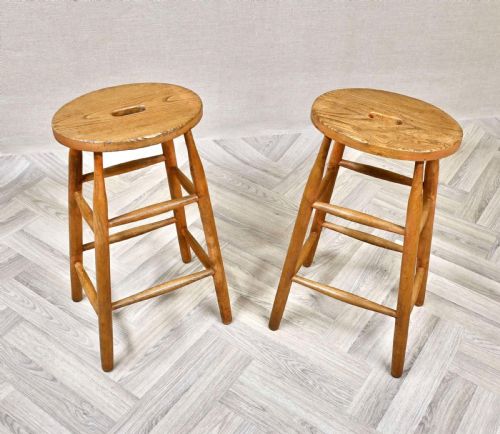
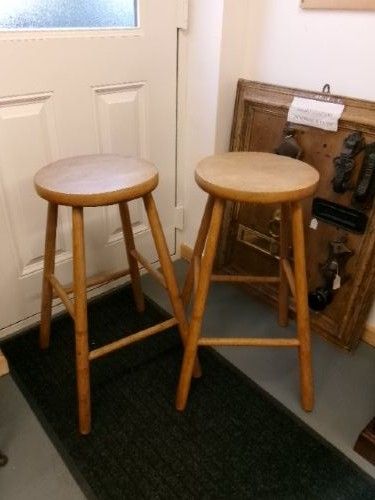
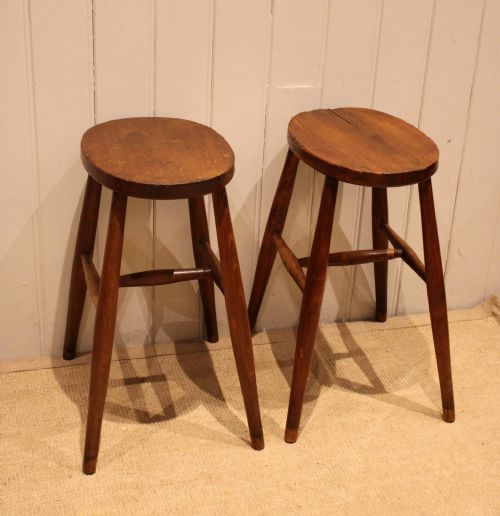
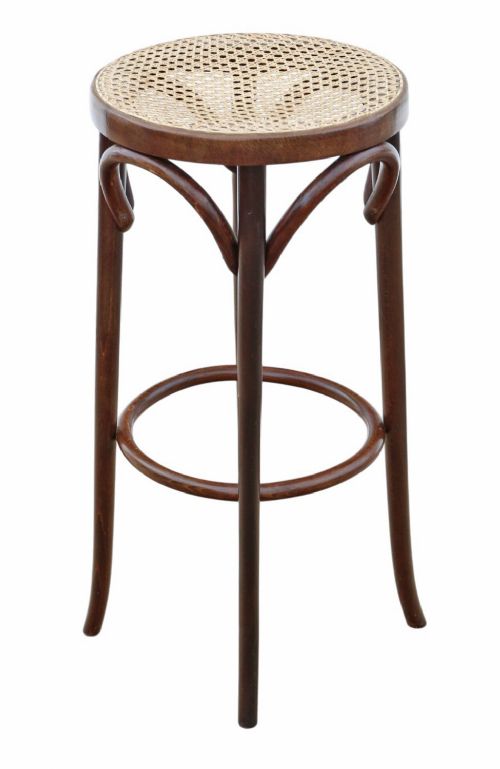
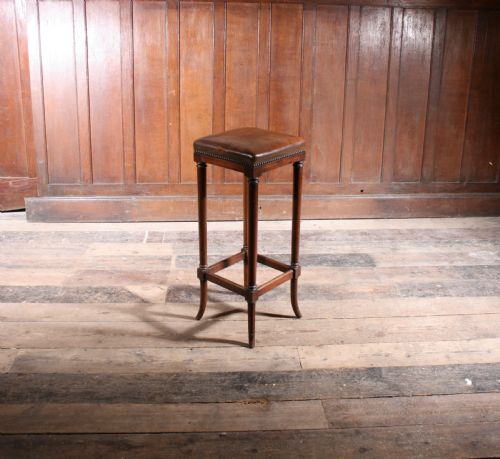
Forms span from slender clerk's stools and turned beech tavern seats to sturdy elm-topped kitchen stools and bentwood designs. These pieces served tradesmen, writers, and patrons who needed an elevated vantage point for standing-height desks and counters.
Origins stretch across English country workshops and European bistro makers, utilising local timbers suited to heavy daily weight. Each piece carries the distinct marks of its original working life, whether in a village pub or a Victorian office.
Materials and construction
Makers relied heavily on native hardwoods like elm, beech, sycamore, and oak, often combining timbers for structural resilience. Elm frequently provided a tough, durable top capable of resisting heavy wear, while beech and birch offered flexible strength for turned legs and spindles.
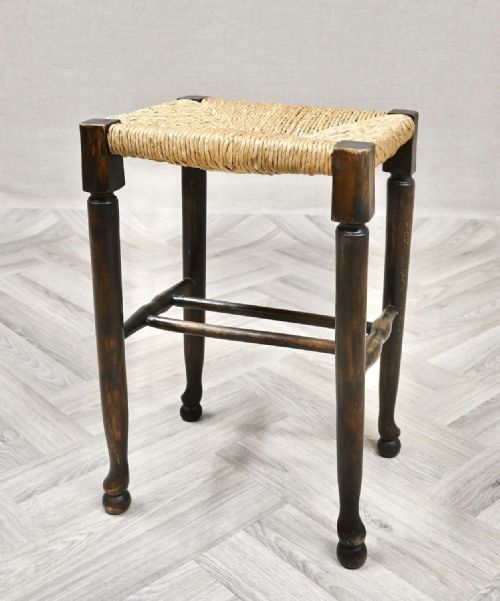
Joinery techniques focused on rigidity, utilising deep mortise and tenon joints alongside pegged construction and steam-bent components. Turning lathes shaped the tapered legs and stretchers that brace the tall frames against lateral movement.
Listings span the nineteenth and early twentieth centuries, featuring elm, beech, and mahogany across styles from George III to Victorian vernacular.
Assessing quality and proportion
Quality rests in the integrity of the timber selection and the retention of original height without clumsy alterations. Finer examples display well-proportioned turned stretchers that provide both structural stability and comfortable footrests.
The character of the seating surface marks a clear division, with thick, figured elm slabs or neatly woven rush seats sitting above standard replacement boards. Original surface patination, developed through decades of handling, separates honest vernacular pieces from heavily restored ones.
The Tall Wooden High Stools Glossary
- Elm
- A dense, tough hardwood with an interlocking grain that resists splitting. Makers frequently chose it for seating tops because it endured hard daily friction.
- Bentwood
- Wood softened by steam and bent into curved structural forms. This technique created lightweight yet resilient frames common in European bistro seating.
- Stretcher
- A horizontal support connecting the legs of a stool to increase stability. On tall seating, these members double as resting places for the feet.
- Clerk's stool
- A tall, utilitarian seat designed for use at a high writing desk. These pieces typically feature simple turned legs and a straightforward round or square top.
- Vernacular
- Everyday objects built by local craftsmen to fulfill a specific function rather than follow high-style fashion. These pieces emphasise sturdy construction over decorative ornament.
Tall Wooden High Stools: Frequently Asked Questions
Where were tall wooden high stools used?
These elevated seats found homes in nineteenth-century offices, merchant counting houses, and public taverns where clerks and patrons worked or drank at raised counters.
Over time, many migrated into domestic kitchens and studio spaces as people sought practical, space-efficient seating with genuine historical character.
How do I care for antique wood stools?
Keep the timber clean using a dry cloth and apply a traditional beeswax polish occasionally to nourish dry surfaces. Avoid placing them near direct heat sources that might cause old timber to split or joints to loosen.
Regular gentle care preserves the natural patination built up over generations of use without altering the historic finish.
Are these stools comfortable for daily sitting?
Most pieces were built for brief or working tasks rather than lounging, featuring firm wooden tops or supportive rush seats. Their height makes them ideal for modern kitchen islands and breakfast bars when paired with appropriate counter dimensions.
Adding a simple loose pad can increase comfort while keeping the original structure entirely uncompromised.
How can I tell a nineteenth-century stool apart?
Examine the turning marks on the legs, the wear patterns around the footrests, and the method of joining the seat to the frame. Nineteenth-century examples often show hand-turned details and subtle asymmetry born of regional workshop practices.
Tool marks left by drawknives and lathes give away the manual fabrication methods used long before mass production.