


Tall Wooden Corner Cupboard
A tall wooden corner cupboard solves an awkward room layout while hiding clutter with traditional charm.
Tall Wooden Corner Cupboard
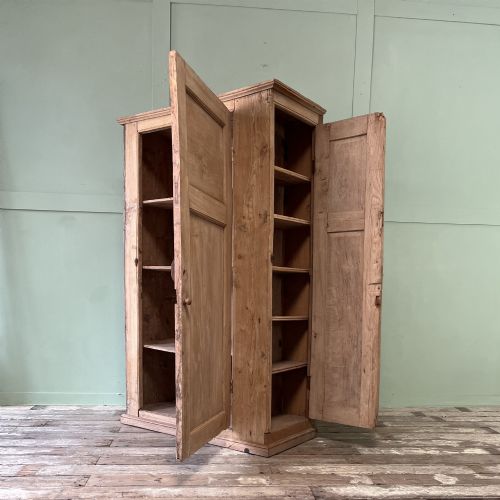
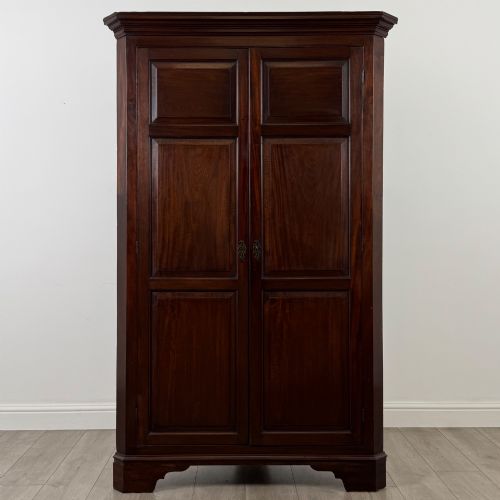
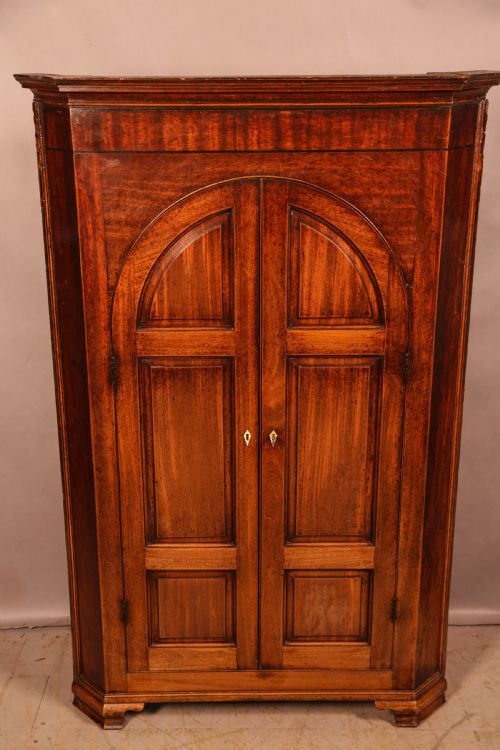
A tall wooden corner cupboard provides vertical storage specifically designed to fit snugly into the 90-degree intersection of two walls. These pieces occupy periods ranging from the eighteenth century through the Edwardian era, spanning Georgian, Welsh vernacular, and rustic farmhouse styles. Floor-standing examples dominate the selection, often featuring single or multiple doors to conceal internal shelving.
Makers utilised various regional timbers to construct these cabinets, resulting in finishes that shift from unpainted native woods to aged painted surfaces. Buyers most frequently encounter mahogany and pine variations, alongside occasional examples in oak, elm, and fruitwood inlay. Interior layouts sometimes serve dual purposes, functioning as general storage or specialised drinks cabinets.
Materials and construction methods
Cabinet makers relied primarily on solid hardwoods and softwoods like mahogany, oak, and pine to build the structural carcass and panelled doors. Timber selection dictated whether the piece received a polished mahogany finish or simpler painted treatments suitable for rustic farmhouse environments. Brass hardware such as hinges and escutcheons frequently accompanied the woodwork.
Joinery methods involved traditional panelled construction to ensure the tall framework remained stable within room corners. Fine detailing on select mahogany and fruitwood inlay versions required precise hand-cutting and fitting. Glazed doors on specific cabinets incorporated timber framing to hold individual glass panes securely.
Listings span multiple eras including the Georgian period, the nineteenth century, and the Edwardian era, utilising mahogany, pine, oak, elm, and fruitwood inlay.
Assessing quality in construction and detail
Quality differences emerge in the choice of timber and the precision of the joinery rather than the sheer scale of the cabinet. Finer examples display carefully matched wood grains, sophisticated fruitwood inlay, and refined surface patination achieved over centuries. Simpler vernacular pieces utilise straightforward pine or elm construction focused purely on utility.
The sophistication of the hardware and internal arrangement further distinguishes different tiers of manufacture. Cabinets featuring fine brass detailing and panelled doors reflect greater joinery ambition than basic utilitarian storage cupboards. The integration of glazed sections or multi-door configurations also indicates higher workshop standards.
The Tall Wooden Corner Cupboard Glossary
- Georgian
- A design period spanning the eighteenth and early nineteenth centuries characterised by classical proportions and mahogany or oak usage.
- Vernacular
- Everyday furniture built by local craftsmen using regional materials rather than following formal metropolitan design rules.
- Inlay
- A decorative technique where contrasting pieces of wood, such as fruitwood, are embedded into the primary timber surface.
- Glazed
- Fitted with glass panels in the doors, allowing the interior contents to remain visible while protected from dust.
Tall Wooden Corner Cupboard: Frequently Asked Questions
Where should I place a corner cupboard?
These cabinets fit neatly into any unused 90-degree wall junction, making them ideal for dining rooms, hallways, or living spaces where floor area is restricted.
Because they utilise vertical space without projecting far into the room, they maintain natural traffic flow while providing generous enclosed shelving.
How do I distinguish Georgian from Edwardian examples?
Georgian versions typically feature rich mahogany or oak timbers, often accompanied by formal neoclassical design traits or refined panel work.
Edwardian pieces tend to show simpler construction methods and lighter woods or painted surfaces, reflecting later domestic storage needs.
Are these cupboards suitable for modern homes?
Their tall, angular footprints allow them to integrate seamlessly into contemporary interiors by turning dead architectural space into practical storage.
They work effectively for concealing tableware, books, or drinks collections while adding historical character to a room.
What woods were commonly used?
Cabinet makers selected native and imported timbers depending on the region and period, with mahogany, pine, oak, and elm appearing frequently.
Some pieces also incorporate fruitwood inlay or painted finishes to enhance the visual appearance of the timber.