

Tall Wood Mirror
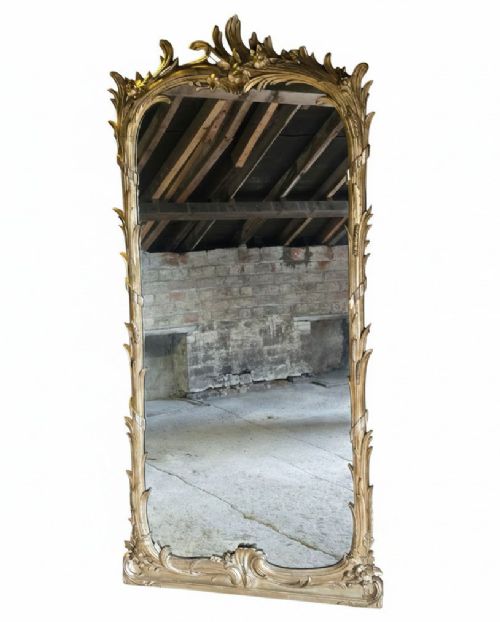
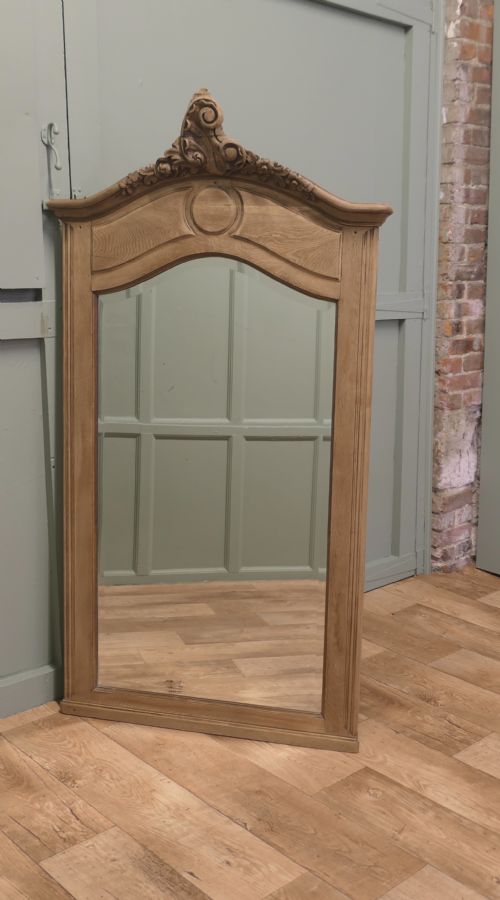
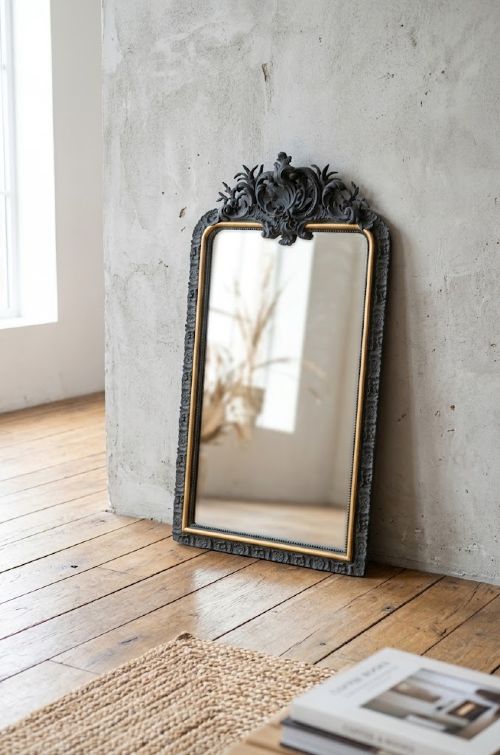
A tall wood mirror brings height and reflected light to a room, drawing the eye upward with vertical proportions.
Tall Wood Mirror
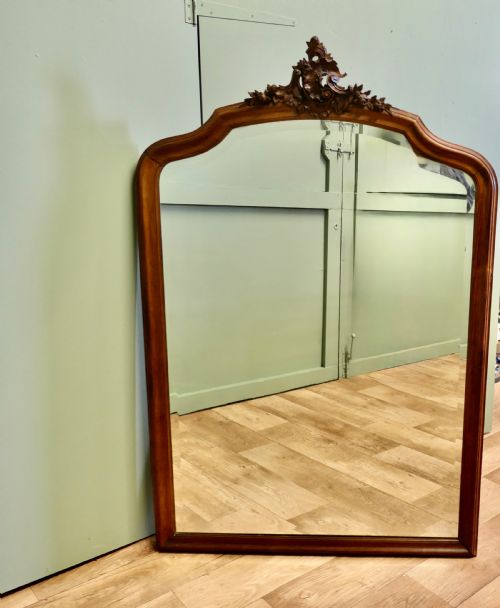
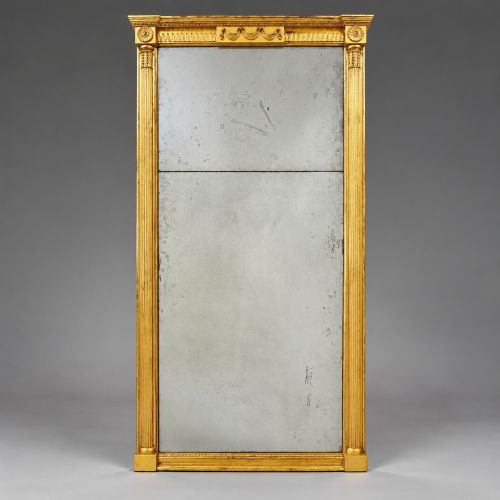
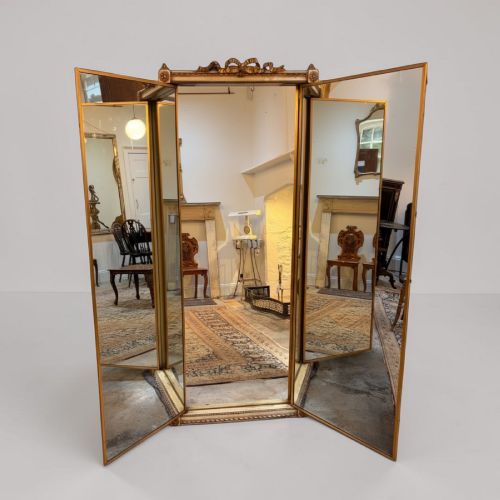
When you search for a tall wood mirror, you encounter vertical hanging or freestanding frames designed to elongate interior spaces. These pieces function primarily as architectural elements, often hung between windows or placed above fireplaces and consoles.
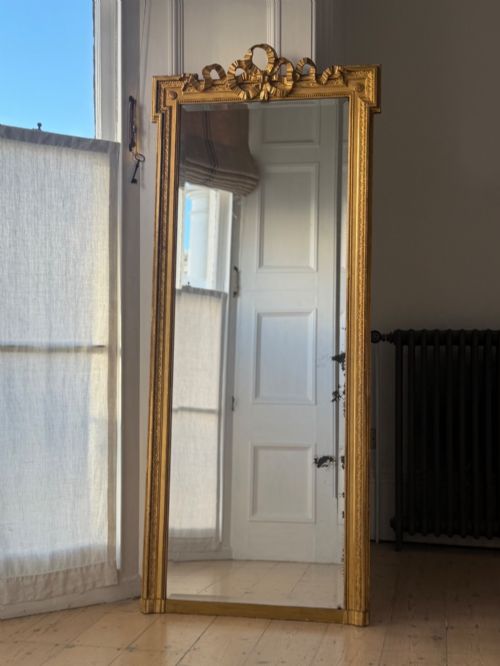
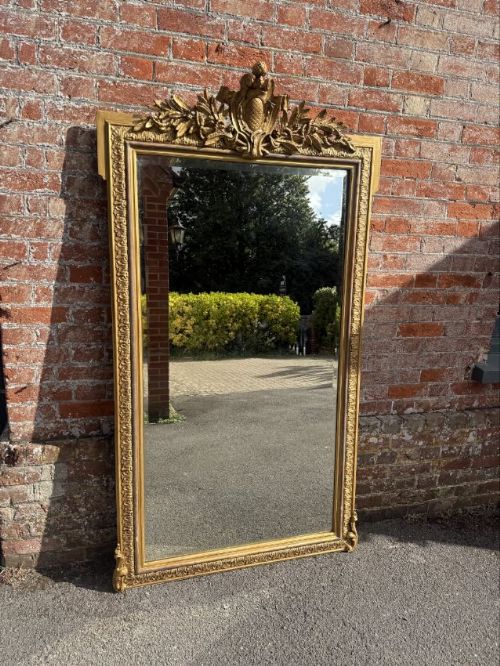
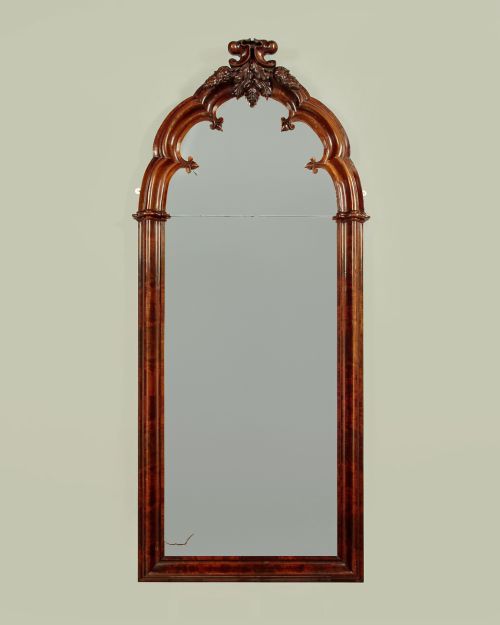
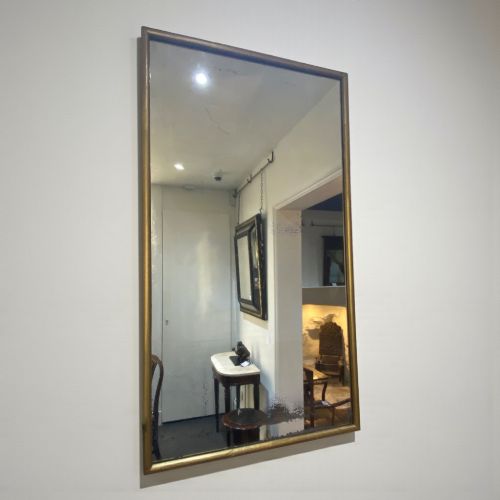
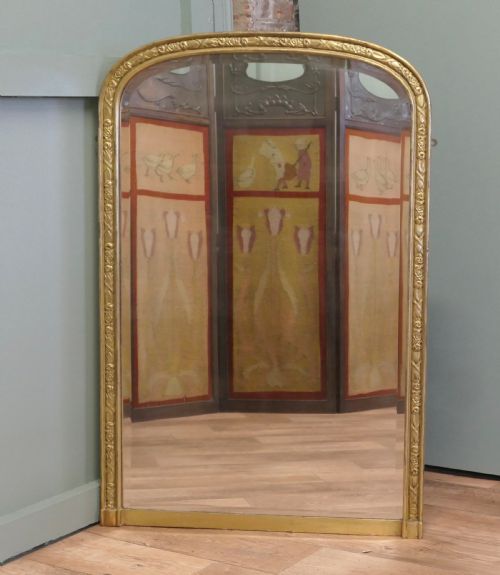
The most common examples on this page are nineteenth-century French and English wall-hanging pier mirrors and overmantels. They combine substantial wood or gesso frames with tall glass plates, frequently reaching heights well over one and a half metres.
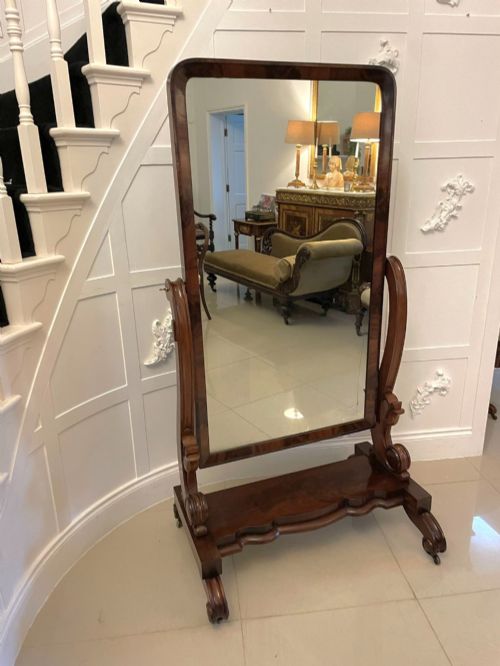
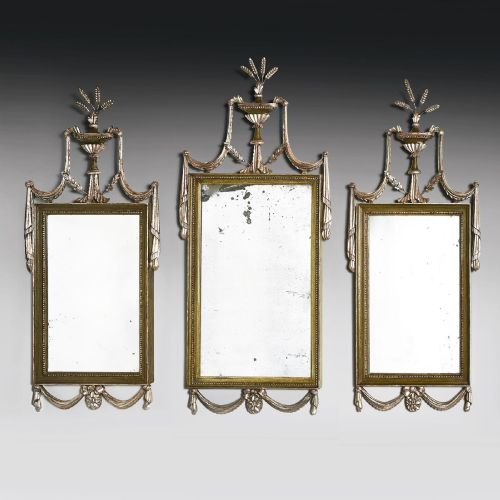
Originating in periods spanning the Georgian, Victorian and Edwardian eras, these mirrors reflect diverse stylistic revivals. French Louis Philippe, neoclassical, and ornate rococo designs dominate the selection, alongside freestanding mahogany cheval mirrors.
How they were made
Makers built these frames using dense timbers like mahogany, walnut, and oak, often applying layers of gesso over a wood base to prepare the surface for carving or gilding. Carvers shaped intricate motifs directly into the wood or moulded the gesso composition before applying gold leaf or paint.
Mirror glass plates were traditionally hand-silvered and held within the rebate by wooden backing boards secured with old brads or screws. Heavy frames required sturdy joinery, such as halved or mortise and tenon corners, to support the immense weight of the glass over time.
Tall Wood Mirror Retail Price Guide 2026
Typical asking prices for tall wood mirror among the pieces listed under this phrase on Sellingantiques today, from the lower quarter to the upper quarter. They describe what is for sale here now, not the wider market.
Listings feature eighteenth-century revival designs produced during the nineteenth century in French and English workshops.
What varies in quality
The depth and crispness of the hand-carved ornamentation separate standard production from superior craftsmanship. Sharp relief work in the wood and refined application of the gilt or paint indicate skilled workshop execution.
The integrity of the original mirror plate and the weight of the timber frame dictate the overall substance of the piece. Thick, heavy timber construction ensures the frame resists warping under the structural load of tall glass plates.
Gillows Of Lancaster·John Belchier
The Tall Wood Mirror Glossary
- Pier mirror
- A tall mirror specifically designed to hang on the wall space between two windows. These vertical glasses often matched the height of the windows to maximise interior light.
- Overmantel mirror
- A large horizontal or arched mirror created to sit directly above a fireplace mantelpiece. They frequently incorporate landscape proportions or tall frames that anchor the chimney breast.
- Cheval mirror
- A freestanding full-length dressing mirror mounted on a vertical swivelling frame between two upright posts. The glass tilts on pivot screws to adjust the viewing angle.
- Gesso
- A plaster-like mixture applied to wood frames to provide a smooth surface for gilding or painting. Artisans carved intricate decorative details directly into this hardened layer.
- Trumeau mirror
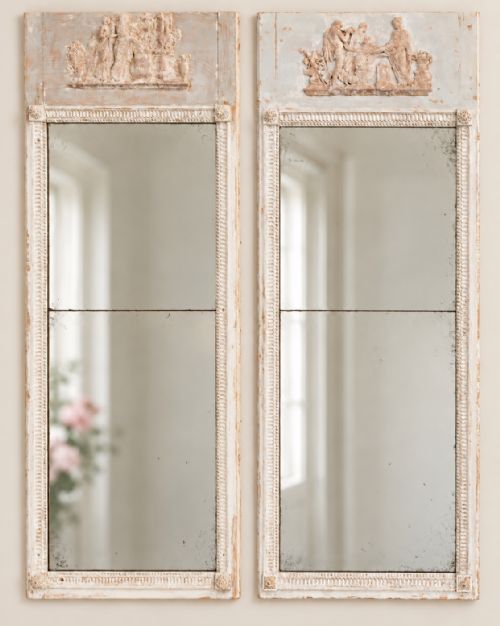
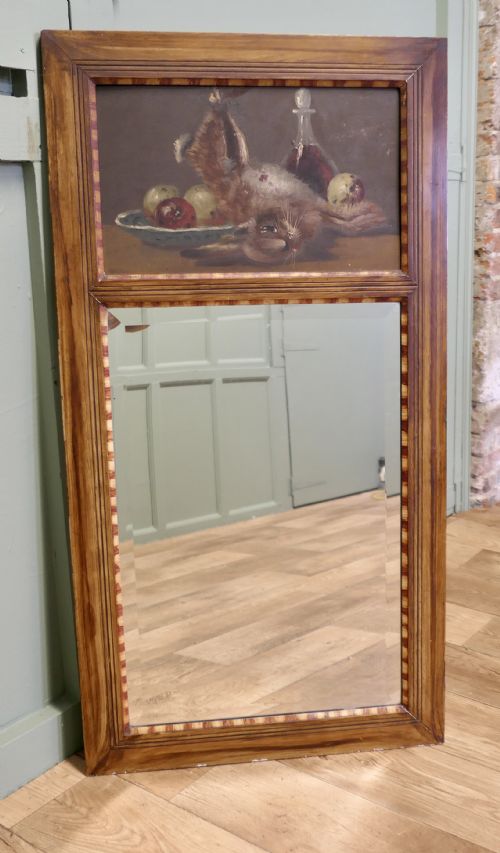
- A decorative wall mirror combined with a painted panel or oil painting set into the upper section of the wooden frame. This French form dates extensively to the eighteenth and nineteenth centuries.
Tall Wood Mirror: Frequently Asked Questions
Where should I hang a tall mirror?
These tall frames suit high-ceilinged rooms where vertical proportions balance the architectural scale. Placing them opposite a window captures maximum daylight and deepens the perspective of the interior.
Avoid narrow corridors where heavy frames risk accidental knocks, and ensure wall fixings anchor directly into solid masonry or studs to support the weight.
How do I identify a nineteenth-century mirror?
Examine the construction of the timber backing boards and the composition of the frame materials. Hand-beveled plates, oxidized mirror silvering, and old fixings point firmly to period manufacture.
Look closely at the carved gesso and wood details for signs of hand tooling rather than modern synthetic moulding.
What is the difference between a pier and a trumeau mirror?
A pier mirror is built to hang on the wall space between architectural openings such as windows or doors. Its primary function is reflecting light into darker central areas of a room.
A trumeau mirror incorporates an integrated decorative panel or painted artwork set directly above the glass plate within a unified frame structure.