





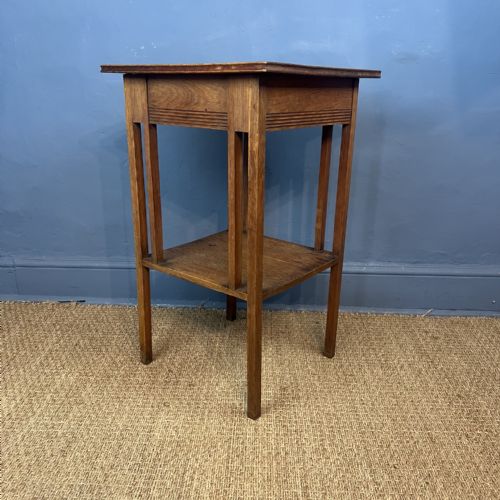

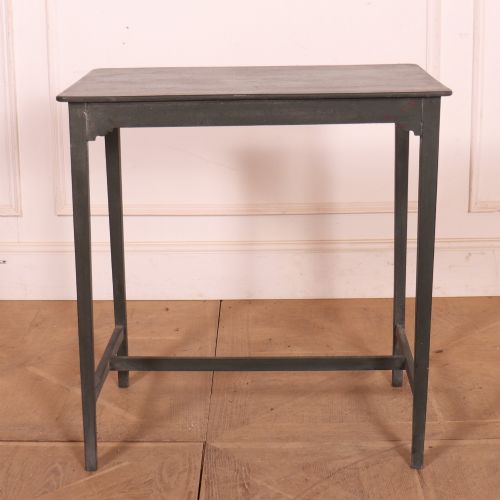
Tall Side Lamps
Tall side lamps provide vertical illumination and surface space, combining a tall table lamp or slender column stand with a convenient resting place for domestic items.
Tall Side Lamps
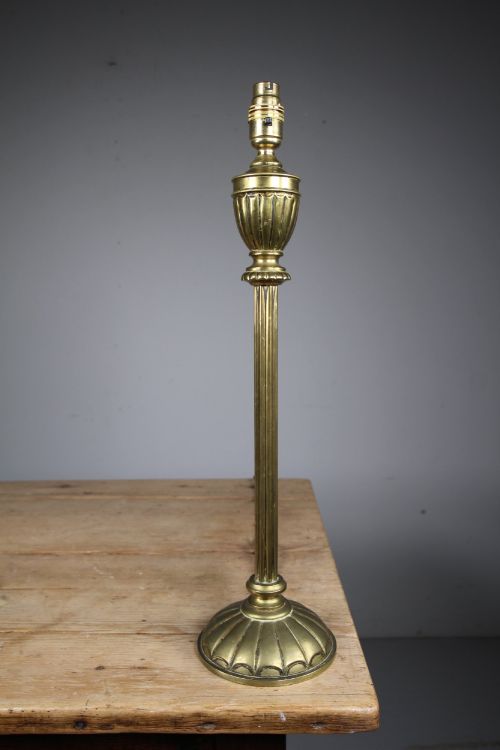
When you search for tall side lamps, you encounter a mix of elevated lighting fixtures and functional furniture adapted for illumination. The selection includes tall brass table lamps, brass corinthian column lamps, and crystal lamps designed to sit high alongside seating or beds.
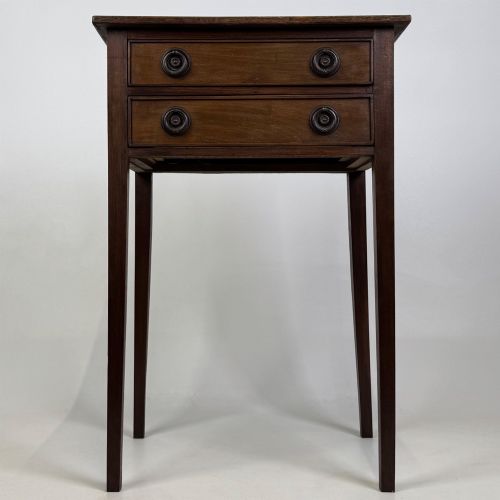
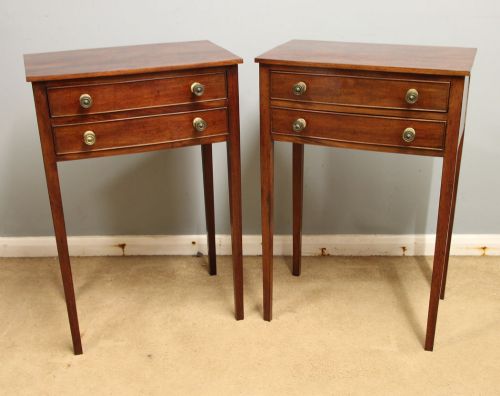
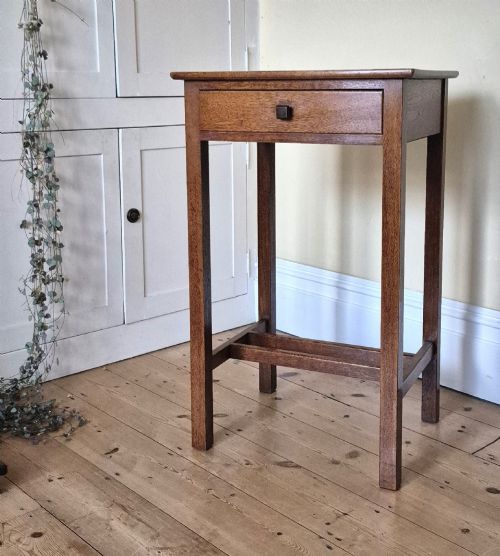
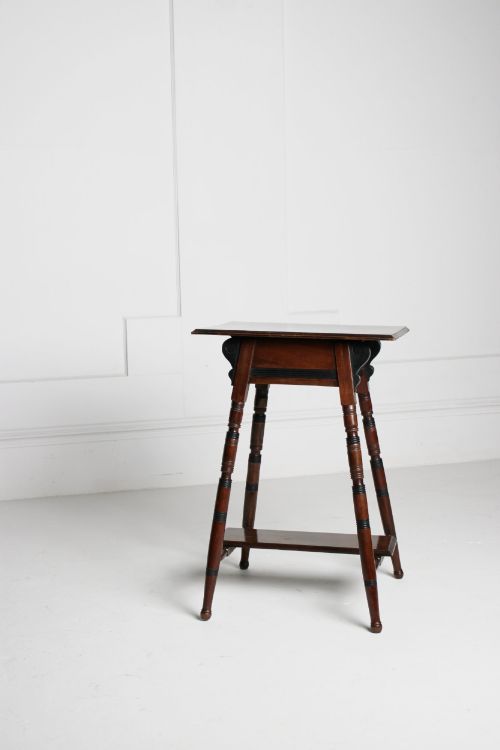
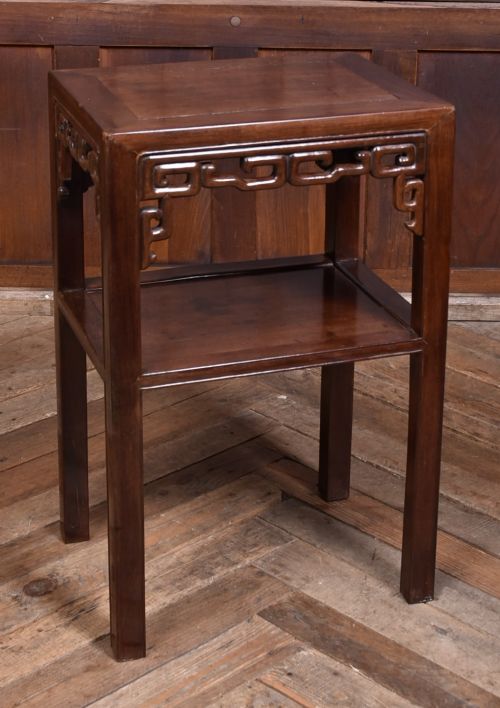
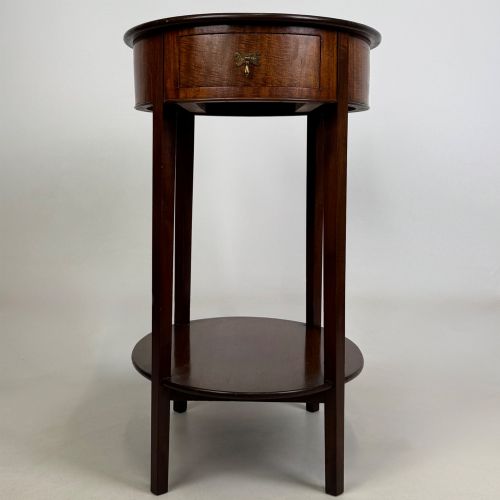
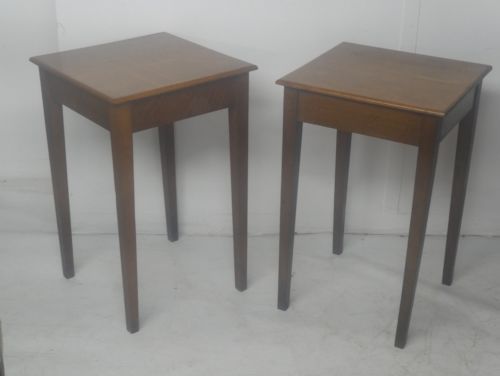
The furniture forms frequently serving these lamps span the nineteenth and early twentieth centuries, including Edwardian mahogany side tables, oak lamp tables, walnut occasional tables, and bedside cabinets. These pieces originate from periods such as the Victorian and Edwardian eras, alongside Art Deco and Arts and Crafts movements.
Materials and construction
Cabinet makers utilised dense hardwoods including mahogany, oak, walnut, rosewood, and satinwood, frequently employing boxwood stringing, marquetry inlay, and hand painting to decorate surfaces. Tables often feature galleried tops, single or double drawers, and onyx surfaces supported on slender legs or pedestals.
Lighting components rely heavily on cast brass, silver plating, and crystal, with columns shaped into classical architectural orders such as the Corinthian style. Metalwork is combined with weighted bases to support tall shafts safely while maintaining stability.
Some tall stands double comfortably as plant holders, proving Victorian ferns needed good lighting too.
Distinctions in craftsmanship
The standard of a piece rests upon the crispness of timber carving, the precision of inlay work, and the weight and finish of metal castings. Superior items display harmonious proportions, uncompromised structural integrity in the joints, and genuine period materials rather than later replacements.
In lighting elements, quality shows in the thickness of the brass plating, the clarity of the crystal cut, and the retention of original decorative details on column capitals. Fine furniture demonstrates careful timber selection with consistent grain patterns across table tops and drawers.
Hubert Simpson of Kendal·Druce and Co London
The Tall Side Lamps Glossary
- Corinthian column
- A classical architectural column style featuring ornate acanthus leaves on the capital, frequently adapted for tall metal table lamps. This design provides both vertical height and decorative formality.
- Galleried top
- A raised wooden or brass railing fitted around the perimeter of a table surface to prevent items from sliding off. This feature is common on small side and bedside tables.
- Inlay
- A decorative technique where contrasting materials such as satinwood, boxwood, or brass are embedded into recesses within the primary wood surface. It defines many Edwardian and Victorian pieces.
- Occasional table
- A versatile small table designed to be moved easily and utilised as needed around a room for lamps or drinks. These forms frequently double as lamp tables in period interiors.
Tall Side Lamps: Frequently Asked Questions
What defines a tall side lamp?
These items combine elevated lighting sources, such as tall brass columns or crystal lamps, with supporting surfaces like side tables, plant stands, and bedside cabinets.
They offer both illumination and functional display space at an elevated level suited for placement beside seating or beds.
How do I style these pieces at home?
Tall side lamps fit naturally beside deep sofas, reading chairs, or beds where extra vertical reach is useful.
Pairs of matching tables or columns work effectively to create symmetry in a room, while single stands act as focal points in corners.
Which periods are most common?
The selection spans the nineteenth century through the early twentieth century, with a strong representation of Edwardian and Victorian pieces.
Art Deco and Arts and Crafts examples also appear alongside eighteenth-century revival styles.
Are these lamps safe for daily use?
Many metal and crystal lamps from these periods are listed as rewired to meet modern electrical standards.
Buyers should verify the wiring status before connecting them to contemporary power sources.