

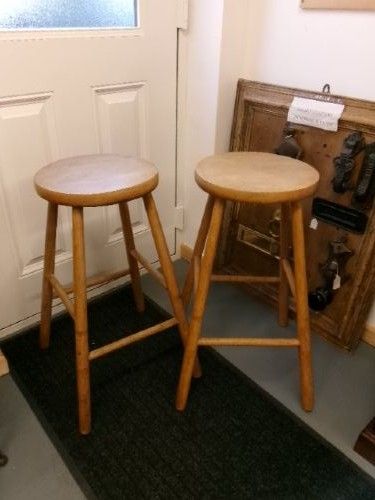

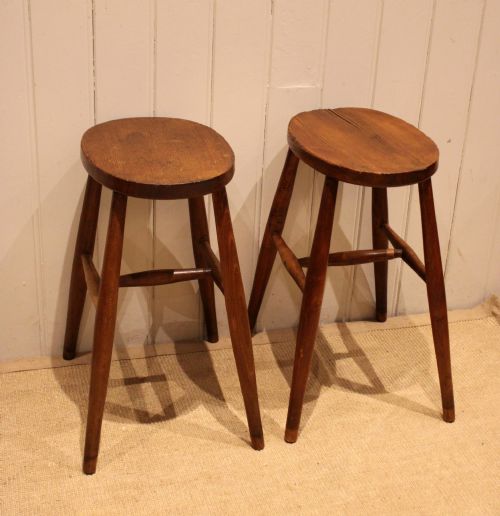


Tall Rustic Stool
A tall rustic stool brings honest vernacular charm to a room, offering elevated seating shaped by practical utility in pubs, dairies and workshops.
Tall Rustic Stool
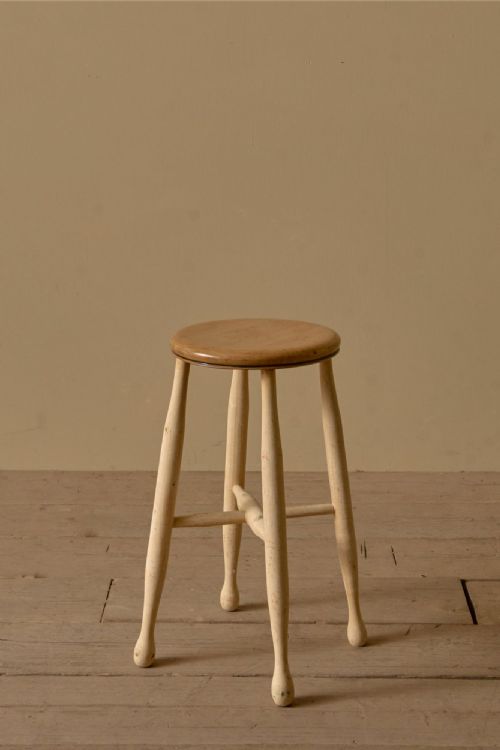
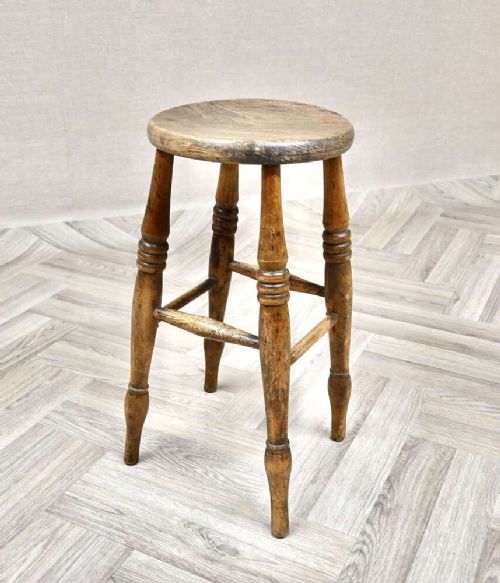
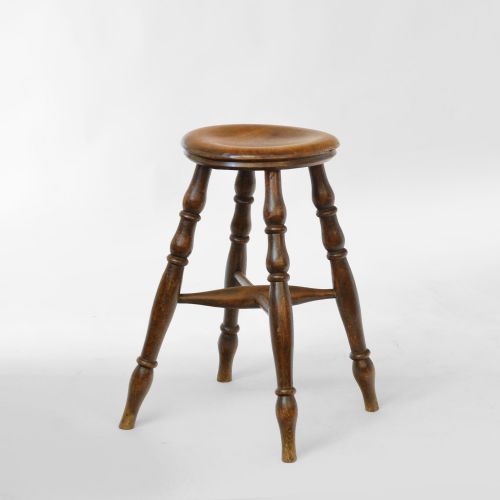
A tall rustic stool is a utilitarian high seat designed for work, public houses, or rural settings, encompassing clerk's stools, tavern seating, and bar stools. These pieces originate primarily from the nineteenth century and the mid-twentieth century, capturing domestic and commercial vernacular traditions.
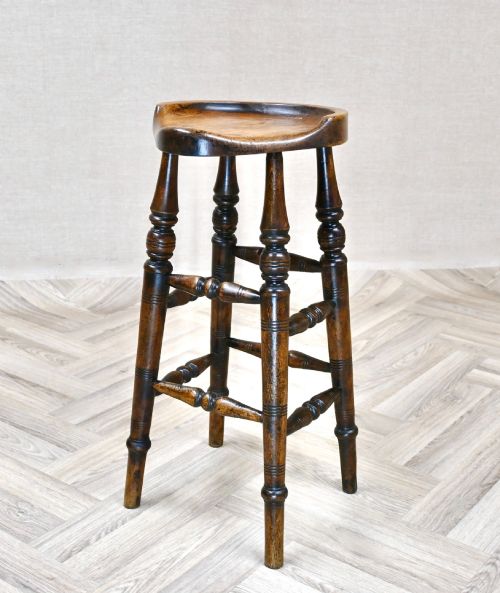
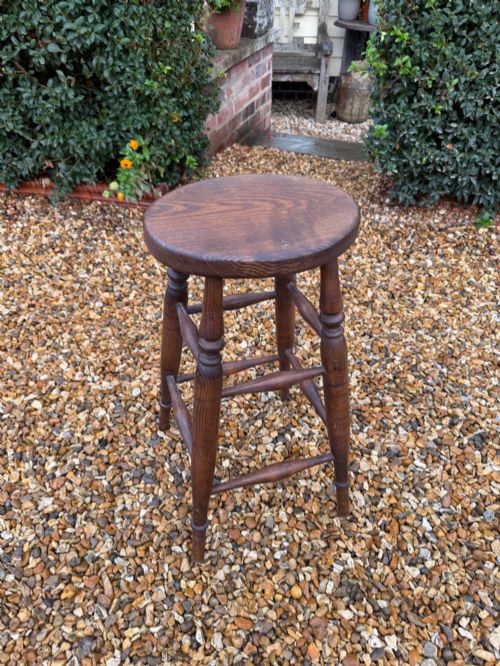
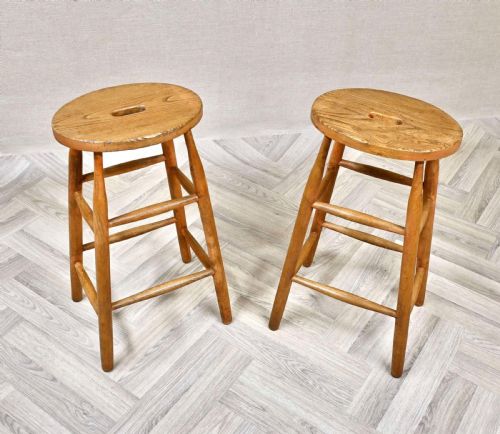
The versions most commonly met on this page include nineteenth-century sycamore pub or tavern stools, elm saddle seat examples, and turned beech clerk's stools. Alongside these, buyers find pairs and groups of high bar stools dating from the decades around nineteen thirty and nineteen forty.
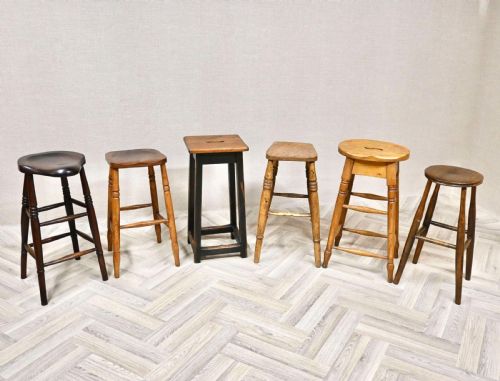
Forms range from simple general purpose stools to specialist dairy and artist's seating, reflecting the specific occupations of their makers. Most examples rely on sturdy wooden frames and high legs suited to standing desks or counters.
How they were made
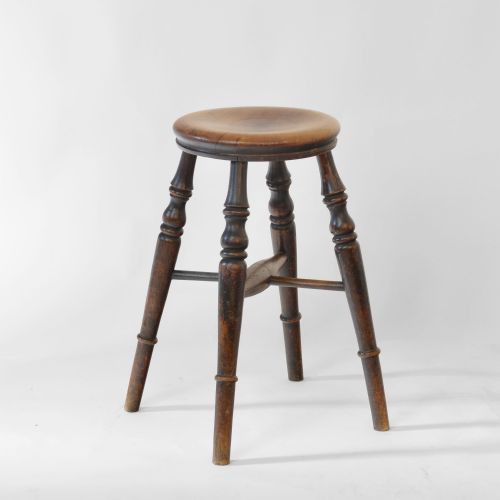
Construction techniques combine traditional woodturning for legs and spindles with pegged joints or solid slab tops. Some pieces retain traces of original paint finishes, showing how functional workshop and tavern furniture was maintained.
Tall Rustic Stool Retail Price Guide 2026
Typical asking prices for tall rustic stool among the pieces listed under this phrase on Sellingantiques today, from the lower quarter to the upper quarter. They describe what is for sale here now, not the wider market.
Listings span from the mid-nineteenth century through the nineteen forties, showing regional forms in elm, beech, pine, and sycamore.
What varies in quality
Quality in a tall rustic stool rests on the thickness and figuring of the timber, particularly where elm seat tops show deep grain patterns. Superior examples display balanced proportions in the turned stretchers and legs rather than purely utilitarian heft.
Wear patterns also influence character, where genuine use over generations has softened edges and burnished the wood surfaces naturally. Construction integrity remains paramount, distinguishing solid period joinery from later repairs.
The Tall Rustic Stool Glossary
- Saddle seat
- A wooden seat carved into a concave, ergonomic shape resembling a horse saddle. This design provides comfort during long hours of sitting at a desk or workbench.
- Stretchers
- The horizontal wooden bars connecting the legs of a stool to provide structural stability and bracing. They frequently double as footrests on high tavern and bar seating.
- Vernacular
- Everyday objects made by local craftsmen for practical use rather than following formal high-style design rules. These pieces show regional variations in material and construction.
- Turned
- Wood shaped on a lathe by rotating the timber against cutting tools to create cylindrical or spindle-shaped legs and supports. This technique was standard for nineteenth-century seating.
Tall Rustic Stool: Frequently Asked Questions
How are tall rustic stools used today?
These tall seats fit naturally beside kitchen islands, breakfast bars, and high workspaces. Their narrow footprint and robust construction make them practical for daily seating in modern homes.
They also serve as display surfaces for plants or decorative objects when not in use for sitting. Their varied heights and woods allow them to mix easily with different interior styles.
What woods were commonly used for these stools?
Elm is frequently found in these listings, especially for shaped or saddle seats due to its tough, interlocking grain. Beech and birchwood appear regularly in the turned legs and stretchers.
Pine and sycamore also feature in pub and clerk seating, offering sturdy surfaces that withstand heavy daily wear. Metal components appear occasionally in industrial or mid-century pieces.
How can I tell a nineteenth-century stool apart?
Nineteenth-century examples often display hand-turned components, pegged joinery, and timber patination developed through decades of handling. The tool marks and wear patterns reflect traditional workshop methods.
Later twentieth-century pieces tend to show different timber preparation and more uniform machine turning. Examining the underside of the seat often reveals the construction methods of the period.
Do these stools come in matching pairs?
The inventory includes single pieces alongside matched pairs and small groups of high stools. Sets of multiple stools are particularly characteristic of tavern and commercial pub seating.
Single pieces often originate from individual workplaces, such as a clerk's desk or an artist's studio. Buyers can find both individual character pieces and coordinated sets across the selection.