

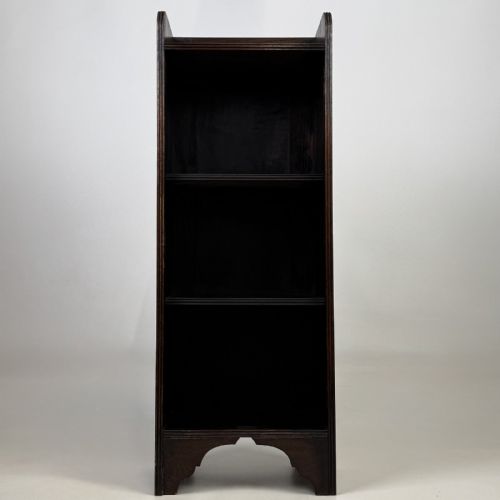
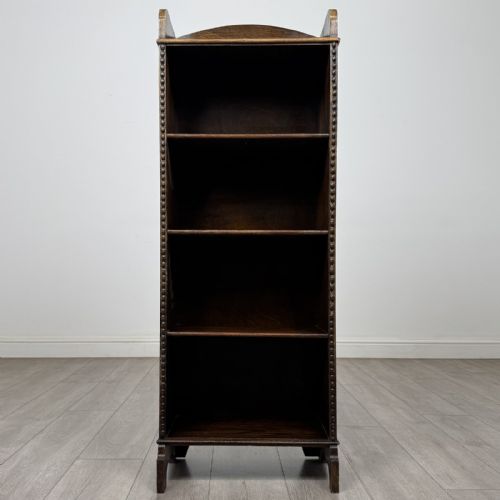
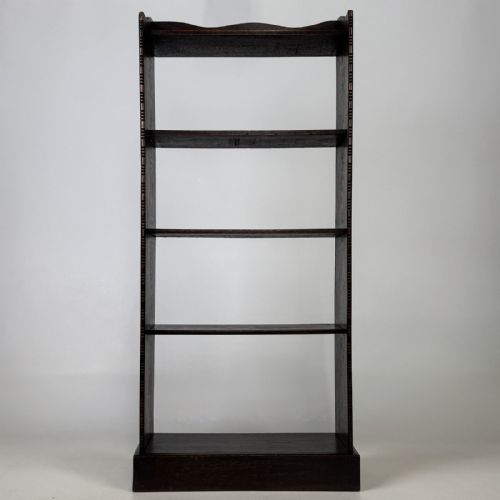
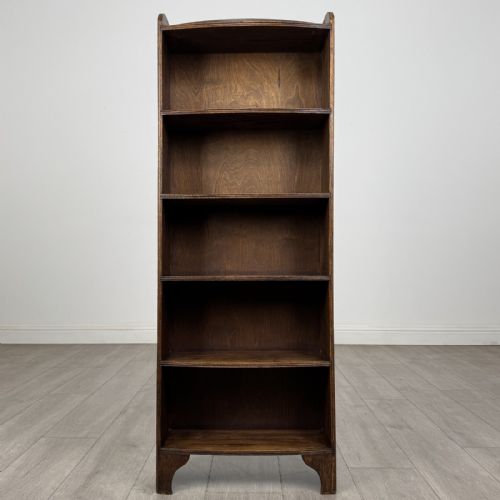
Tall Open Shelving
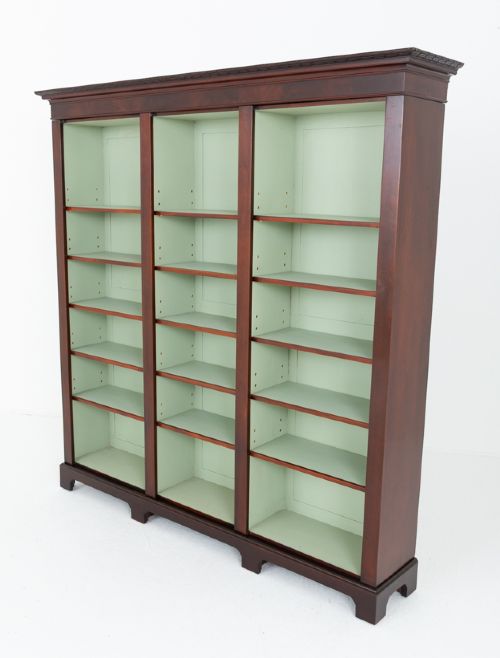
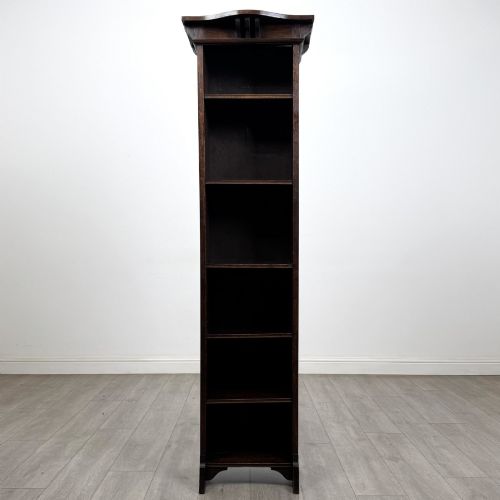
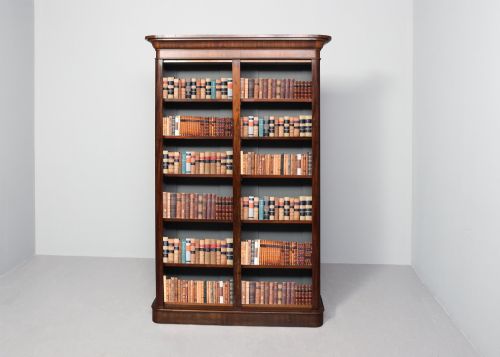
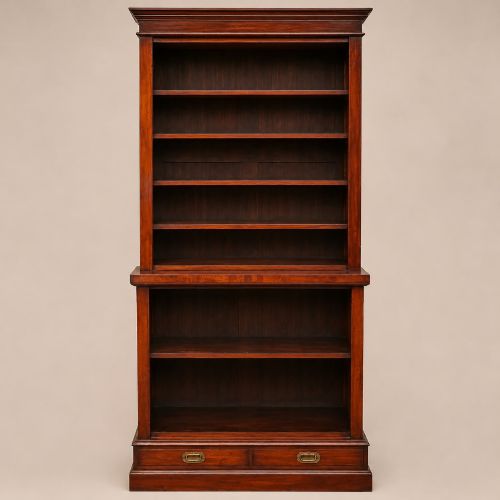
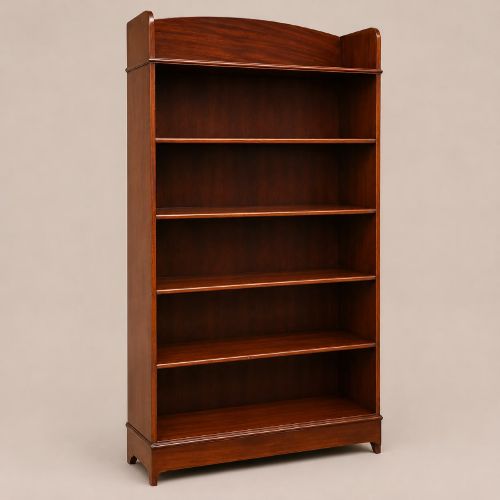
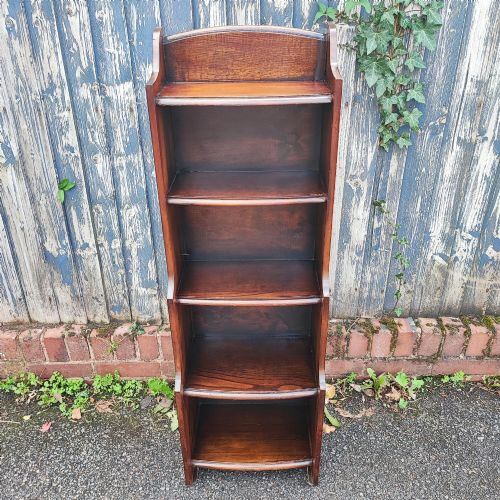
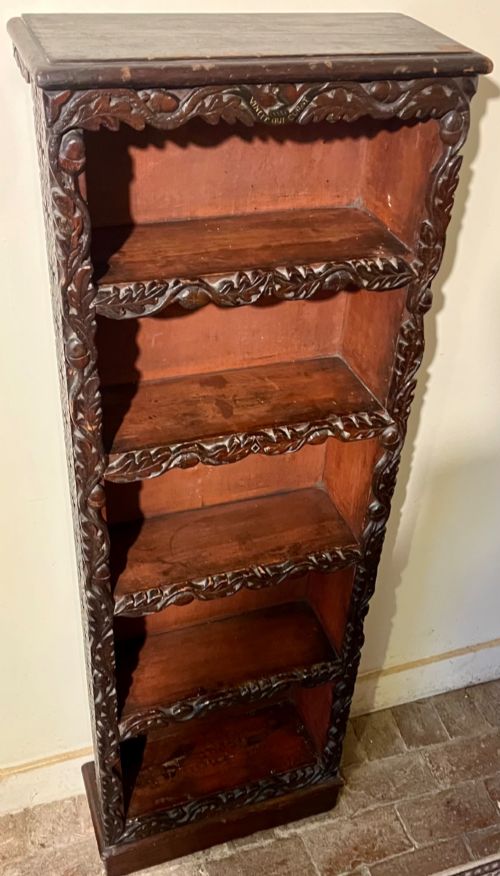
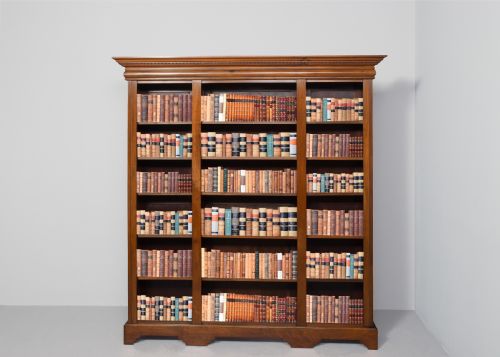
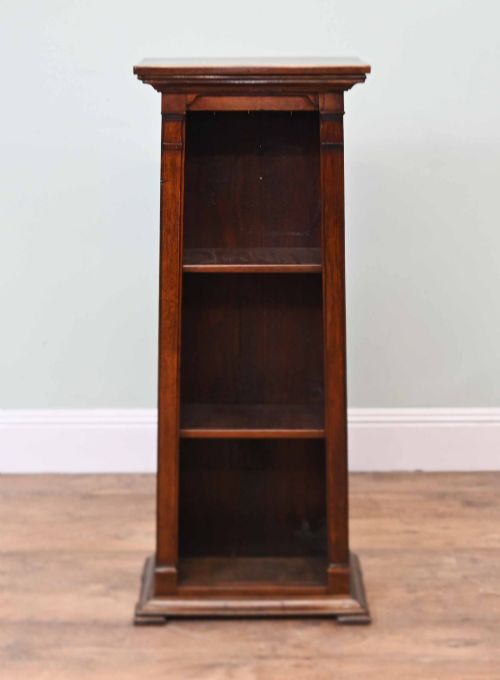
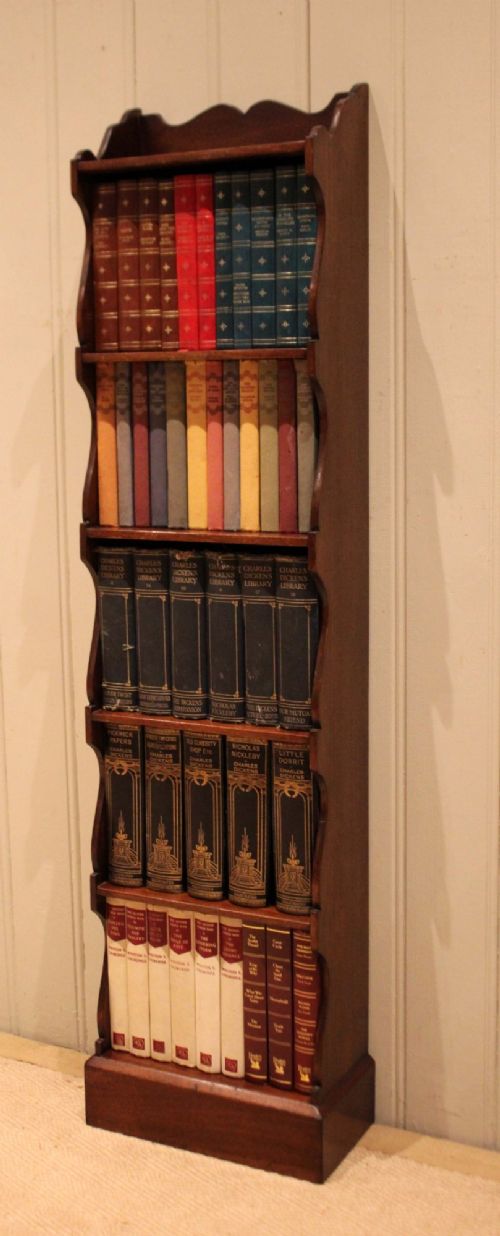
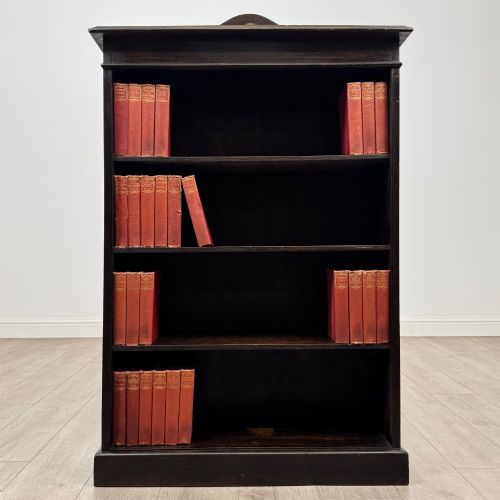
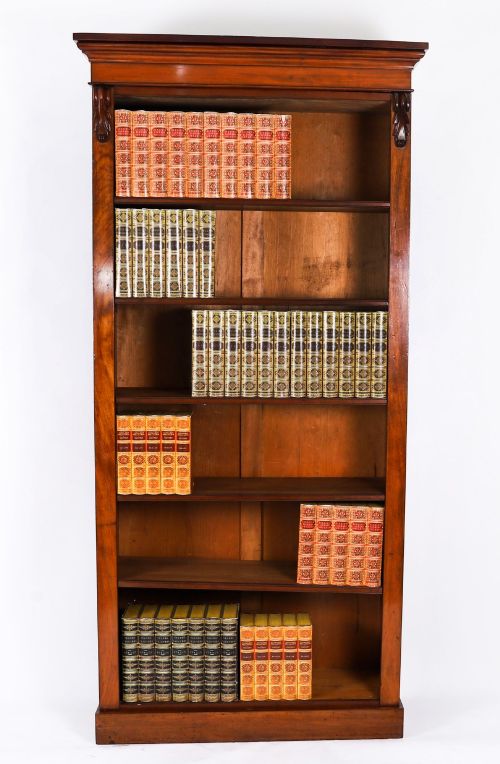
Tall open shelving brings generous book storage and display space to a room, ranging from robust nineteenth-century oak bookcases to refined Edwardian inlaid mahogany pieces.
Tall Open Shelving
Tall open shelving comprises bookcases, open library units, and display pieces designed to hold volumes and decorative objects without the barrier of doors. When you search for tall open shelving, you encounter sturdy nineteenth-century forms alongside lighter Edwardian designs.
The most common versions on this page are oak and mahogany open bookcases dating from the Victorian and Edwardian eras. These pieces offer vertical storage across multiple tiers, frequently featuring adjustable shelves to accommodate varying book heights.
Origins span British workshops of the nineteenth and early twentieth centuries, alongside continental European examples and specific regional styles such as Arts and Crafts or Sheraton Revival. Forms range from simple pine units to architectural walnut and rosewood library bookcases.
Materials and construction
Makers utilised solid and veneered hardwoods including mahogany, oak, walnut, burr walnut, and rosewood, alongside softer pine for utilitarian pieces. Brass embellishments appear on select continental designs, while inlay work defines Sheraton Revival and Edwardian mahogany pieces.
Construction techniques focus on structural integrity to support heavy rows of books across tall vertical frames. Adjustable shelving mechanisms, carved detailing, and beaded edges demonstrate the underlying carpentry applied across different periods.
Tall Open Shelving Retail Price Guide 2026
Typical asking prices for tall open shelving among the pieces listed under this phrase on Sellingantiques today, from the lower quarter to the upper quarter. They describe what is for sale here now, not the wider market.
Listings feature pieces spanning the nineteenth century through the 1930s, constructed in oak, mahogany, walnut, pine, and rosewood.
What varies in quality
Quality reveals itself in the selection of timber and the precision of the cabinetmaker's joinery. Finely figured burr walnut, rich rosewood, and crisp carved details distinguish superior examples from plain utilitarian pine shelving.
Proportion and execution dictate distinction, such as balanced inlay work on mahogany frames or the architectural integrity of large library bookcases. Original adjustable shelving systems and well-preserved waxed finishes elevate the standing of a piece.
Wylie Lochhead of Glasgow·E.A. Taylor
The Tall Open Shelving Glossary
- Open Bookcase
- A piece of furniture designed specifically for holding books, featuring exposed shelves without front doors. These units range from compact Edwardian models to large nineteenth-century library fixtures.
- Whatnot
- A piece of open shelving with multiple tiers used for displaying ornaments and books. They often feature slender upright supports and delicate proportions.
- Adjustable Shelves
- Shelves supported on movable brackets or pegs, allowing the internal height between tiers to be altered. This feature appears frequently in nineteenth and twentieth-century bookcases.
- Inlay
- A decorative technique where contrasting strips of wood or shell are inserted into the primary timber surface. Sheraton Revival and Edwardian pieces frequently employ this method.
- Burr Walnut
- Timber taken from the warted growth of a walnut tree, yielding complex swirling grain patterns. It is used as a veneer on high-status nineteenth-century furniture.
Tall Open Shelving: Frequently Asked Questions
What is tall open shelving used for?
These pieces provide accessible vertical storage for large book collections and display space for decorative objects.
They suit studies, libraries, and living rooms where books need to be visible and within easy reach.
How do I identify a Victorian bookcase?
Victorian examples typically feature heavier timbers like mahogany, oak, or burr walnut with substantial proportions and darker finishes.
Construction details often include deep cornices, carved elements, and sturdy plinth bases dating from the nineteenth century.
Are the shelves adjustable?
Many of the bookcases listed feature adjustable shelves supported by traditional wooden tracks or metal pins.
This adaptability allows the unit to house volumes of varying heights, from standard novels to large folio editions.
What wood types are most common?
Oak and mahogany appear most frequently across the nineteenth and early twentieth-century selections.
Walnut, rosewood, and pine also feature prominently, offering distinct grain patterns and colour variations.