

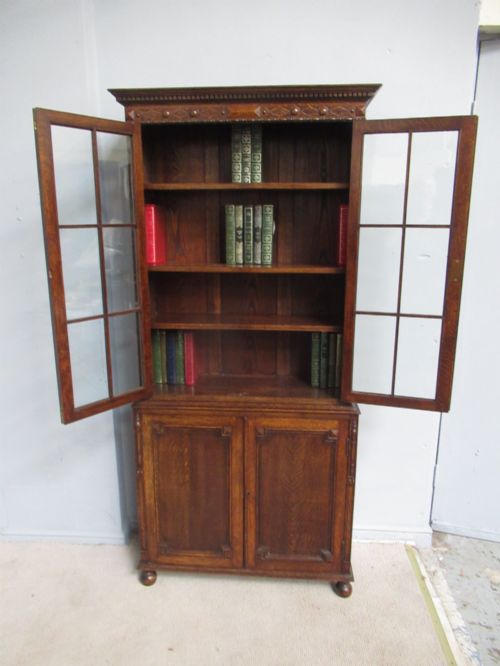
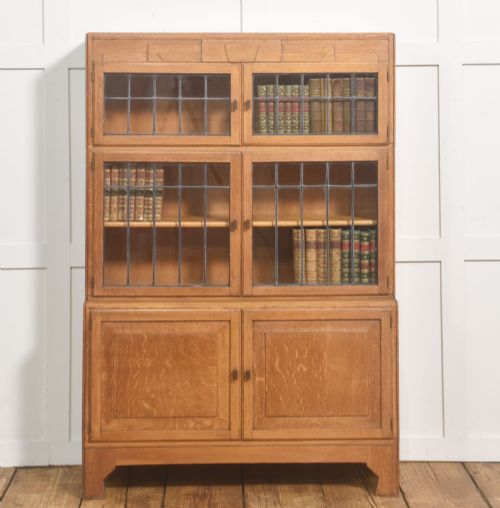
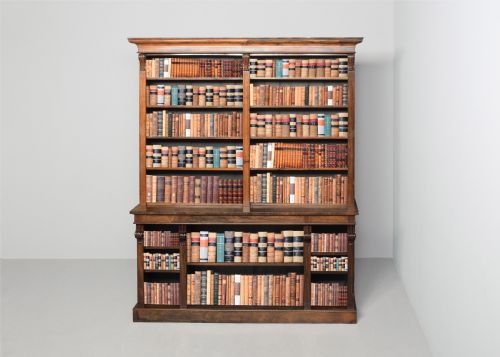
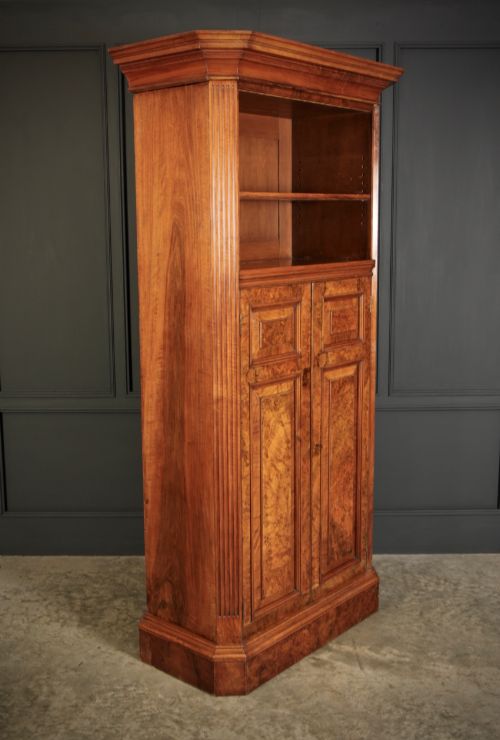
Tall Library Cabinet
A tall library cabinet organises serious volumes within imposing vertical proportions, combining generous shelving with enclosed storage for domestic studies.
Tall Library Cabinet
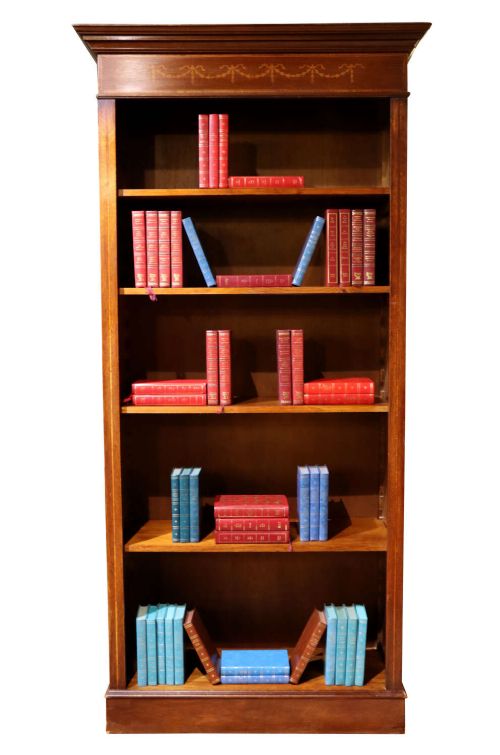
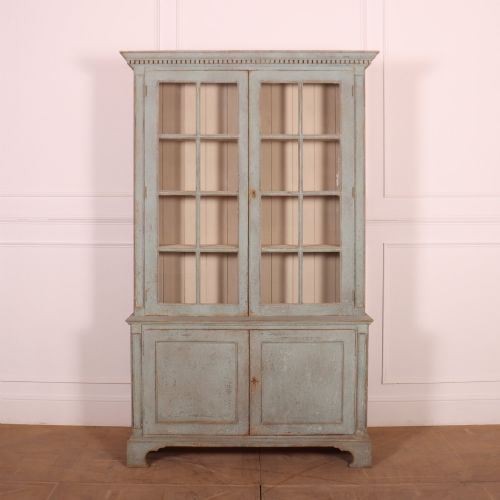
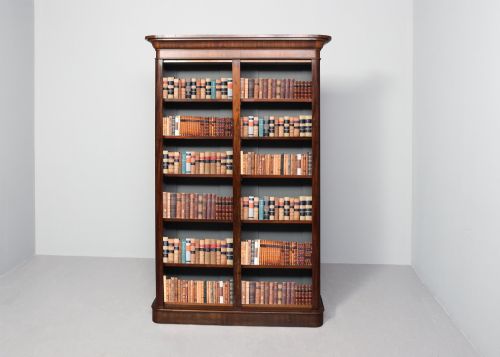
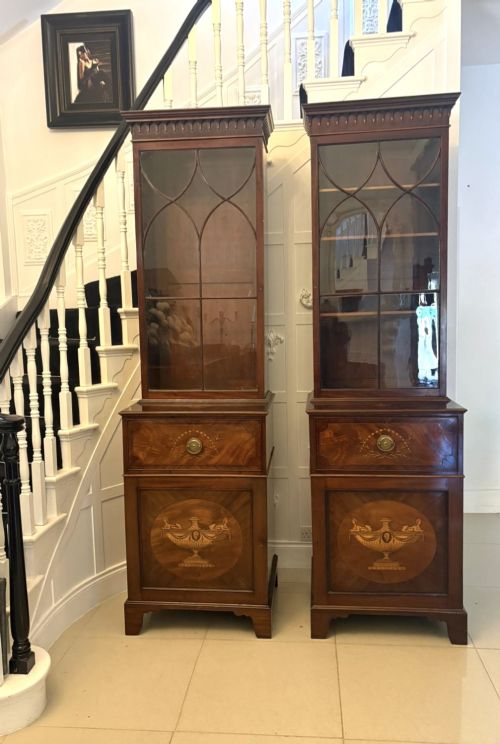
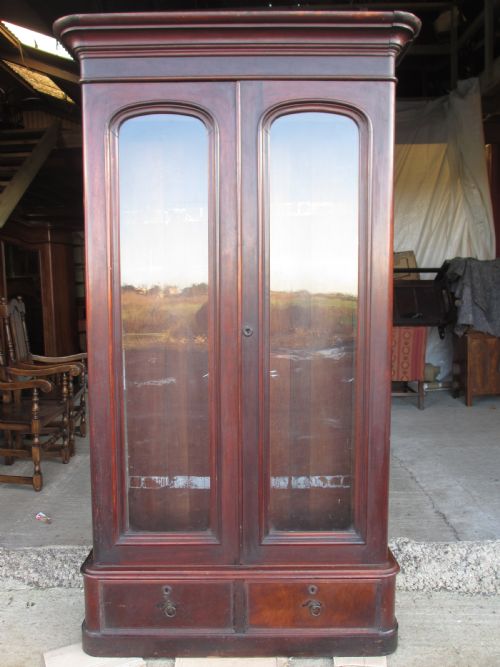
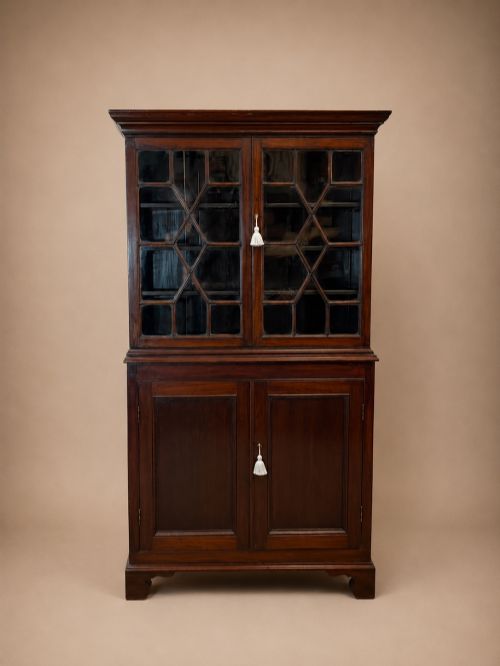
A tall library cabinet serves primarily to house substantial book collections within domestic and institutional settings. These pieces appear across periods spanning from the Regency era through to the early twentieth century, taking the form of open front shelving, glazed display units, and secretaire combinations.
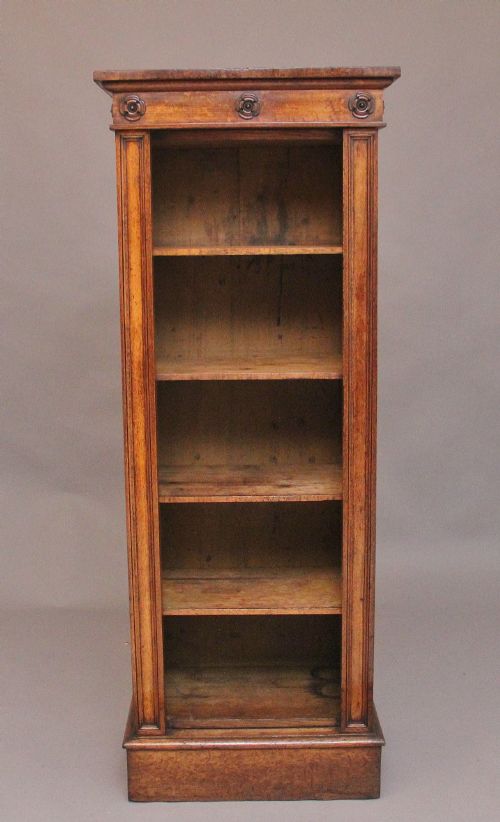
Mahogany and oak dominate the available selection, frequently shaped into narrow or monumental proportions designed to maximise vertical wall space. Makers such as Howard & Sons, Marsh & Tatham, and S and H Jewell represent notable workshops producing these tall storage forms during the nineteenth and early twentieth centuries.
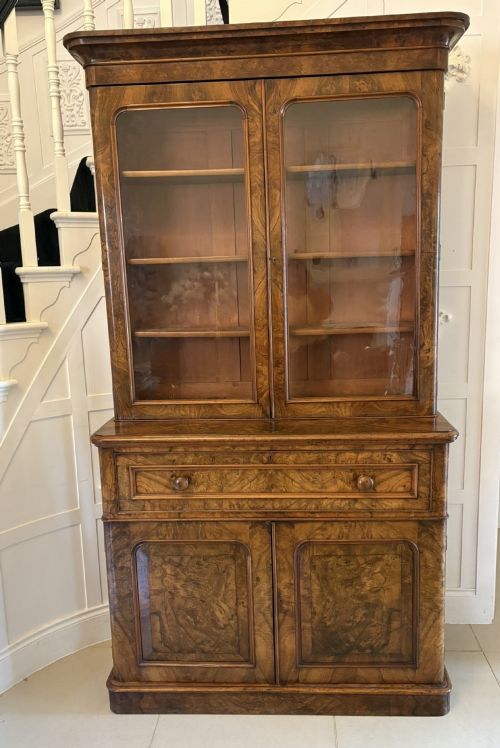
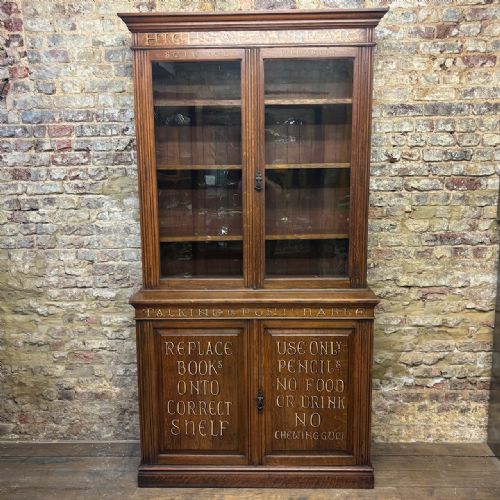
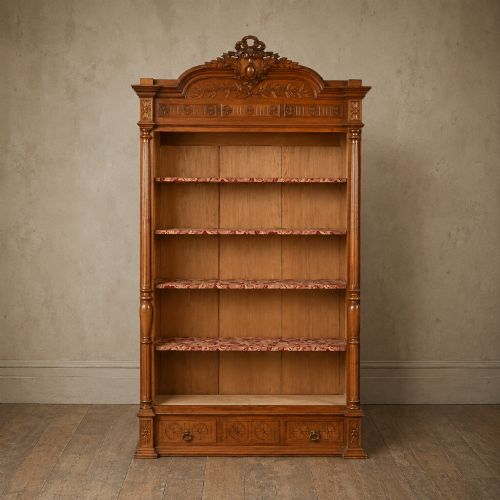
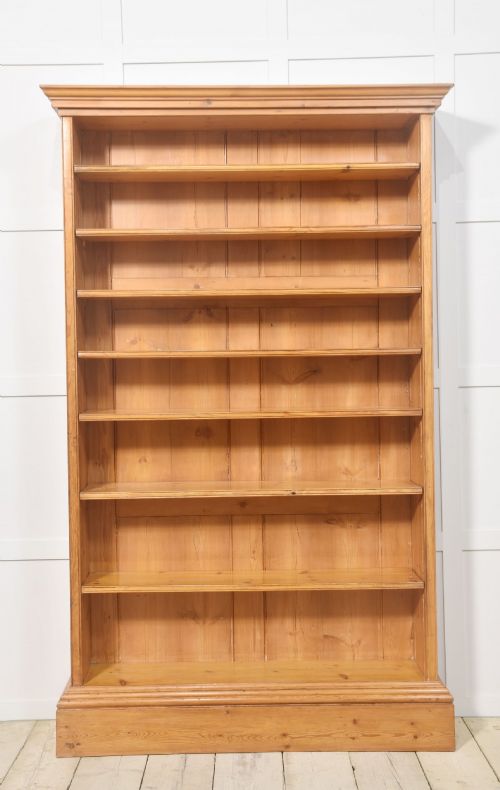
Buyers encounter variations ranging from simple deal wood school shelving to heavily carved continental oak bookcases and inlaid satinwood or burr walnut designs. The integration of glazed doors, adjustable shelves, and Wellington bases provides functional diversity across the listed inventory.
Materials and construction methods
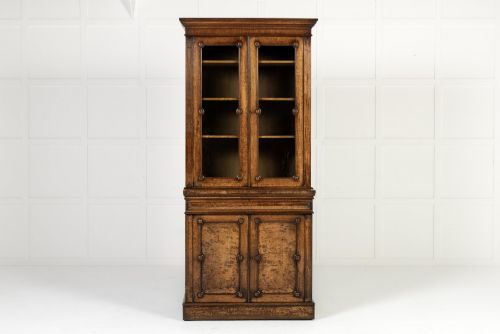
Cabinet makers utilised dense hardwoods including mahogany, oak, and walnut to support heavy rows of books without sagging. Timber selection often involved figured veneers such as burr walnut and pollard oak applied over secondary woods to create decorative surface patterns.
Joinery methods incorporated adjustable wooden or brass shelving tracks alongside traditional mortise and tenon frames. Glazed doors frequently employed delicate wooden or brass astragal bars to secure individual panes of glass within the upper cabinet sections.
Inlaid decorative details utilise contrasting timbers like satinwood and boxwood, set into mahogany or rosewood surfaces. Carved elements appear particularly on nineteenth-century continental and Jacobean revival examples, demonstrating hand-chiseled ornamentation along cornices and stiles.
Tall Library Cabinet Retail Price Guide 2026
Typical asking prices for tall library cabinet among the pieces listed under this phrase on Sellingantiques today, from the lower quarter to the upper quarter. They describe what is for sale here now, not the wider market.
Listings feature woods including mahogany, oak, walnut, burr walnut, pollard oak, satinwood, pine, and deal.
Assessing quality in tall library cabinets
The calibre of a tall library cabinet depends heavily on the selection of timber veneers and the crispness of any applied carving. Superior examples display continuous grain matching across drawer fronts and cupboard doors, alongside well-proportioned architectural cornices.
Internal engineering marks the distinction between standard utilitarian shelving and fine cabinet work, particularly through the presence of smooth-operating adjustable shelf mechanisms and solid brass hardware. The thickness of backboards and the tightness of door mitres further indicate the standard of original workshop production.
Howard & Sons·Marsh & Tatham·S and H Jewell·Minty
The Tall Library Cabinet Glossary
- Astragal glazed
- Glass doors divided into smaller panes by narrow wooden or metal bars. These bars form structural grids across the front of the cabinet.
- Secretaire bookcase
- A tall cabinet featuring a fitted pull-down writing drawer with internal pigeonholes and small drawers. This section sits below open or glazed upper shelving.
- Wellington base
- A robust lower cabinet foundation characterised by sturdy proportions and vertical locking mechanisms. It provides heavy structural support for tall upper book storage.
- Open bookcase
- A tall shelving unit without doors designed for immediate access to volumes. These pieces rely entirely on fixed or adjustable internal wooden shelves.
- Inlay
- Decorative patterns created by fitting contrasting pieces of wood into recessed surfaces. Cabinet makers used satinwood and ebony to achieve sharp visual contrast.
Tall Library Cabinet: Frequently Asked Questions
What periods do these cabinets represent?
The available pieces span from the Regency and William IV eras through the Victorian and Edwardian periods into the 1920s and 1930s. Styles range from classical revival forms to arts and crafts and art deco designs.
Craftsmen across these decades adapted traditional proportions to suit changing domestic interiors, incorporating Edwardian inlay or earlier mahogany solids.
How do I adjust the shelves?
Many library cabinets utilise traditional wooden tooth-rack supports or brass slotted strips set into the interior walls. These systems allow individual shelves to be repositioned at varying heights.
Lifting the shelf slightly clears the supporting pegs or brackets from their slots, permitting vertical adjustment to accommodate different book sizes.
Are the shelves strong enough for heavy books?
Cabinet makers constructed these units using dense hardwoods like mahogany and oak specifically to support heavy volumes without bending. Solid timber construction provides inherent structural rigidity.
Adjustable shelf thickness and central vertical partitions on wider units further prevent sagging under the weight of extensive libraries.
How do I secure a tall cabinet?
Due to their height and narrow footprint, tall library cabinets often require wall attachment brackets to prevent tipping. This ensures stability, particularly on older uneven floors.
Most traditional units feature flush fixing points or allow discrete anchoring through the upper backboards without damaging visible exterior surfaces.