





Tall Iron Stand
A tall iron stand brings vertical presence to a room, holding light or plants with enduring functional strength.
Tall Iron Stand
When you examine a tall iron stand on this page, you are looking at practical utility transformed into decorative presence. These vertical items serve multiple domestic roles across different periods.
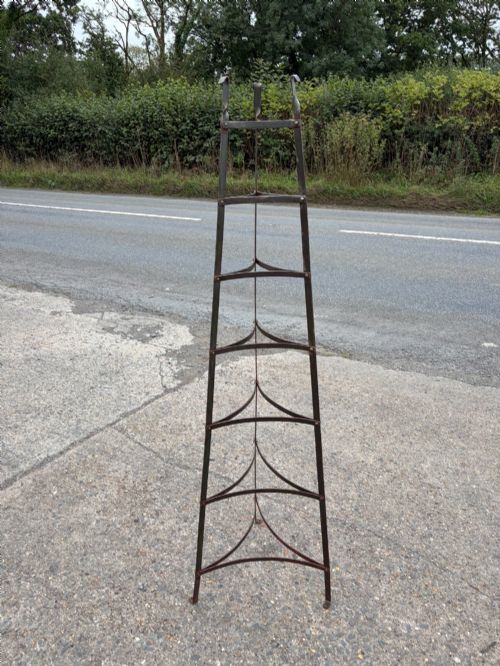
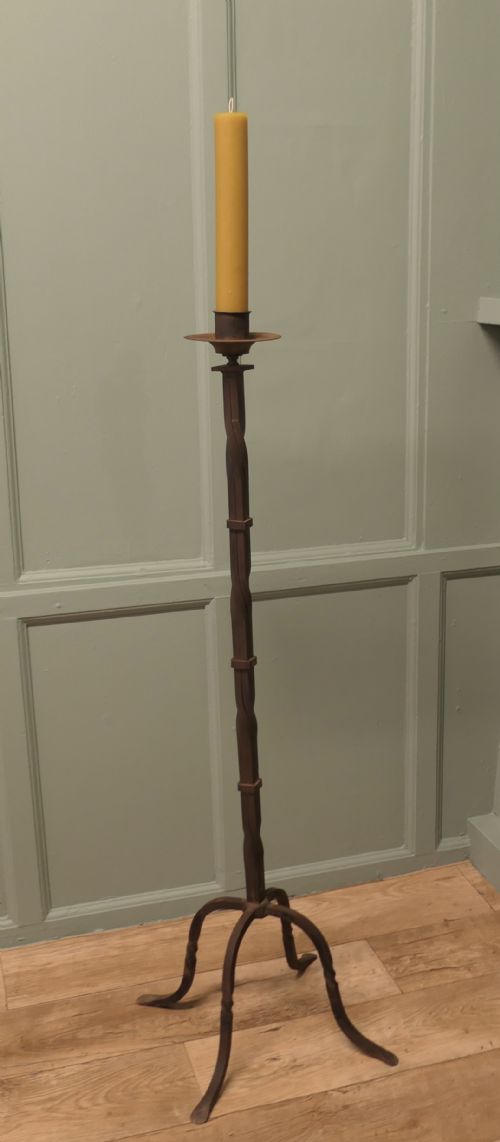
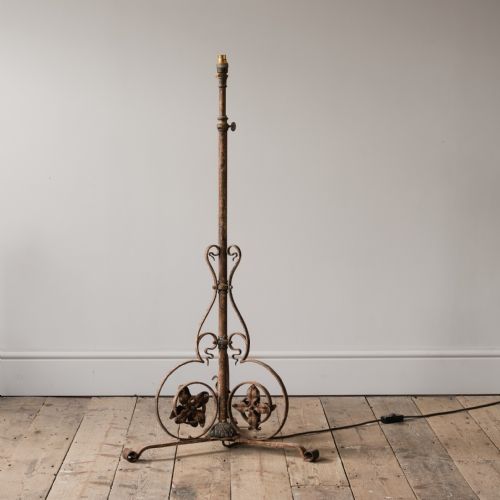
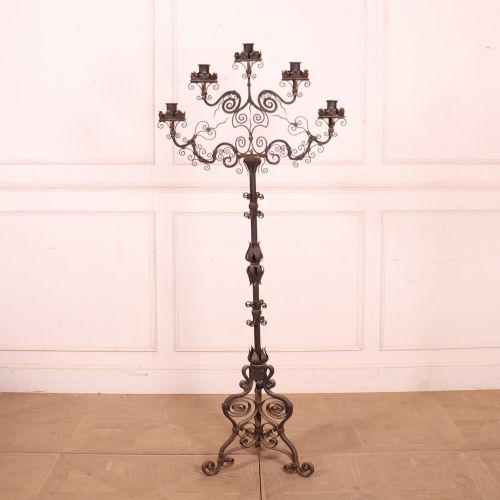
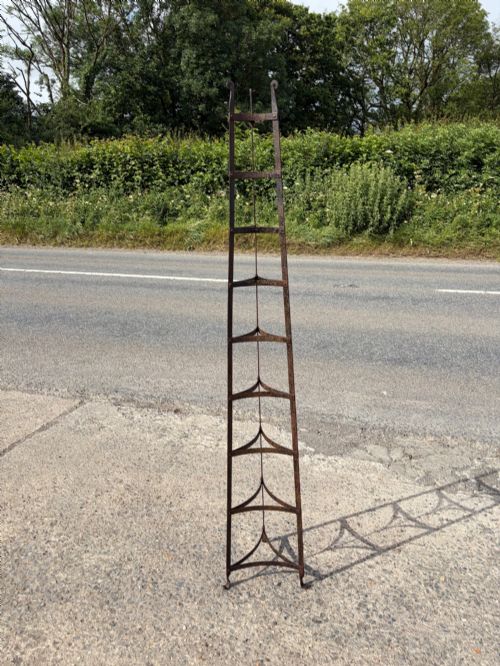
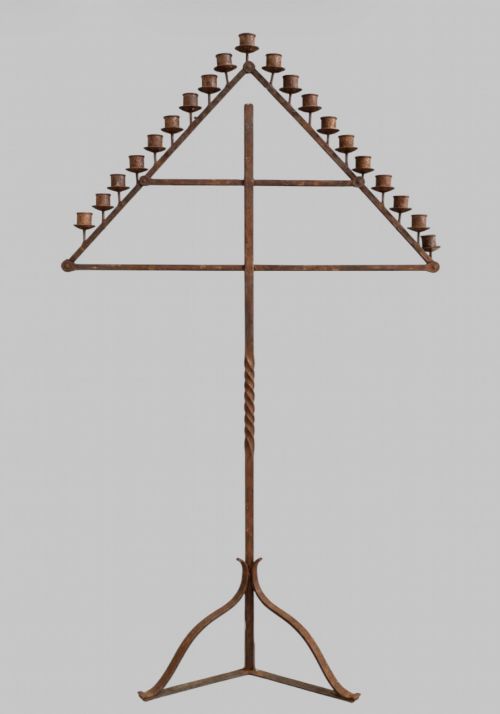
The most common forms you will meet here include plant stands, floor candlesticks, torchères, and multi-tiered pan stands. They originate from workshops across the nineteenth and early twentieth centuries, as well as earlier periods.
Each tall iron stand utilises rigid metal framing to elevate objects from the floor, whether supporting a heavy marble top or carrying multiple candle prickets.
How they were made
Blacksmiths shaped wrought iron manually, hammering bars into scrolling supports and structural legs. Cast iron elements provided repetitive ornamental detail through moulds.
Makers integrated brass and gilt metal for decorative highlights, mounting marble tops onto metal bases for display surfaces. Paint and applied finishes protected the metalwork while adding surface colour.
Tall Iron Stand Retail Price Guide 2026
Typical asking prices for tall iron stand among the pieces listed under this phrase on Sellingantiques today, from the lower quarter to the upper quarter. They describe what is for sale here now, not the wider market.
A Victorian birdcage on a cast iron stand sits ready for an avian resident who has long since flown.
What varies in quality
The distinction between standard utility items and finer examples lies in the execution of the blacksmith's work and the weight of the metal. Heavier gauge iron and hand-forged scrollwork indicate superior construction.
Proportion and stability separate basic functional pieces from ambitious architectural statements, such as multi-tiered pan stands or large pricket candlesticks designed for display.
The Tall Iron Stand Glossary
- Pricket candlestick
- A candle holder featuring a sharp metal spike upon which a large wax candle is mounted. This form appears frequently on floor-standing altar and church pieces.
- Torchère
- A tall ornamental stand designed to support a light source or decorative object. Examples range from Art Deco designs to earlier iron and brass formats.
- Wrought iron
- Iron that has been heated and hammered into shape by hand, showing subtle hammer marks and variations. This material forms the primary structure of many nineteenth-century stands.
- Amsterdam School
- An architectural and design movement from the early twentieth century known for expressive brickwork and wrought iron forms. Pieces from this style exhibit distinct geometric and curved metal detailing.
- Portico stand
- A tall hallway piece, such as a coat or umbrella stand, featuring architectural supports reminiscent of a classical portico. These heavy Victorian items organise entryways.
Tall Iron Stand: Frequently Asked Questions
How do I use a tall iron stand at home?
These tall stands suit corners and hallways where vertical height adds balance to a room. Plant stands and torchères display foliage or provide ambient lighting.
Larger multi-tiered stands function as display surfaces for collections or heavy objects. Their robust construction supports everyday domestic use.
How do I date a wrought iron stand?
Dating relies on observing construction marks, material combinations, and stylistic indicators such as Gothic Revival or Art Nouveau motifs. Hand-forged wrought iron often points to nineteenth-century or earlier blacksmith production.
Cast iron elements and specific factory aesthetics connect pieces to Victorian and Edwardian manufacturing periods. Comparing the joinery helps determine the era of origin.
What is the difference between cast and wrought iron?
Wrought iron is shaped by hand through heating and hammering, displaying individual tool marks and fibrous textures. This method allows for flexible, slender scrolls and custom joints.
Cast iron is poured into moulds while molten, resulting in uniform decorative patterns and heavier, rigid structures. Many nineteenth-century items combine both techniques for structure and ornament.
Where were these iron stands originally placed?
Many large stands originated in ecclesiastical settings, such as floor-standing altar candlesticks and pricket sticks. Domestic versions served country houses, conservatories, and Victorian hallways.
Shop display stands and multi-tiered pan racks fulfilled commercial and utilitarian roles in kitchens and retail spaces. Their sturdy build ensured longevity in busy environments.