
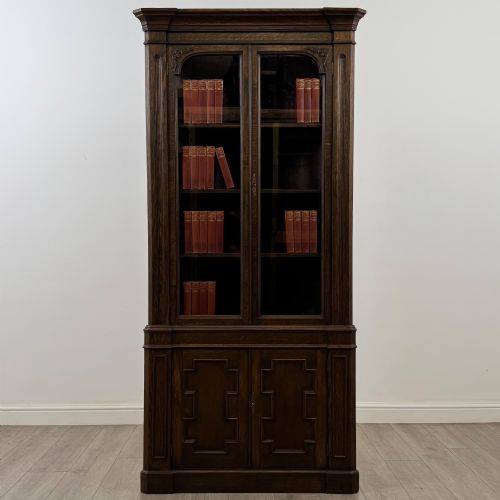
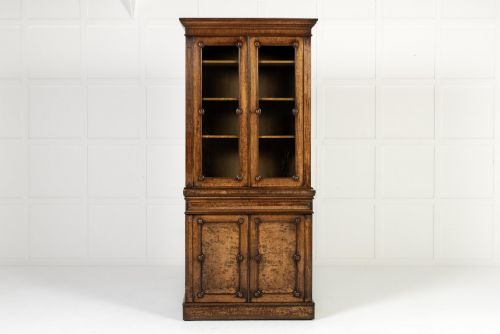
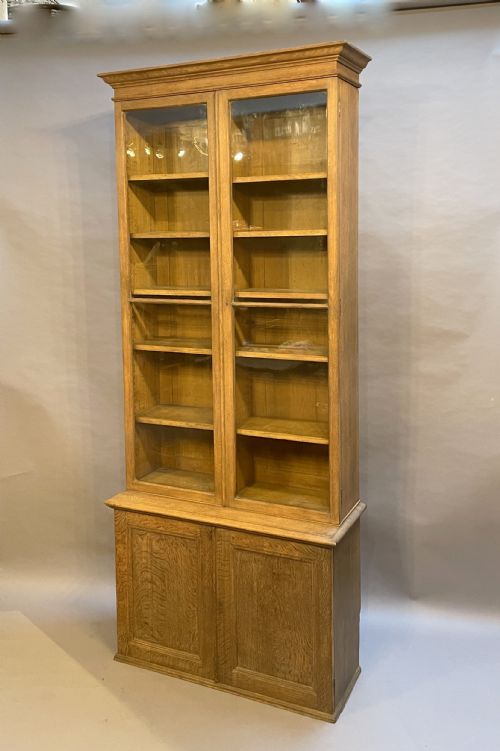


Tall Glazed Oak Cabinet
A tall glazed oak cabinet brings presence to a room, offering vertical display alongside sturdy timber construction.
Tall Glazed Oak Cabinet
When you search for a tall glazed oak cabinet, you are looking at substantial upright furniture designed to display and protect books or objects behind glass doors. These pieces serve as bookcases, display cabinets, and corner cabinets that utilise vertical wall space effectively.
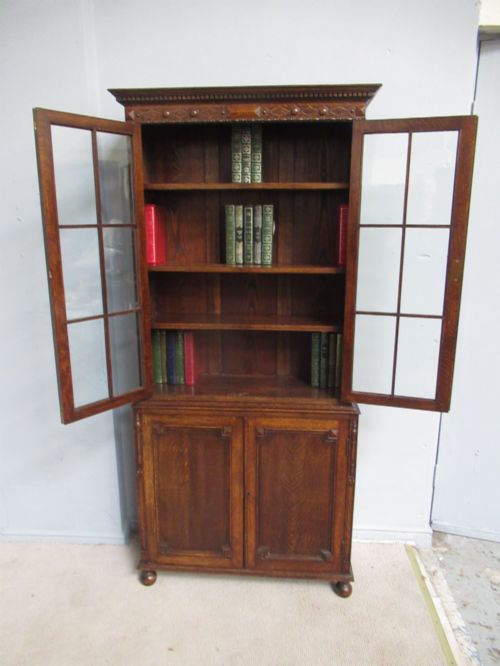
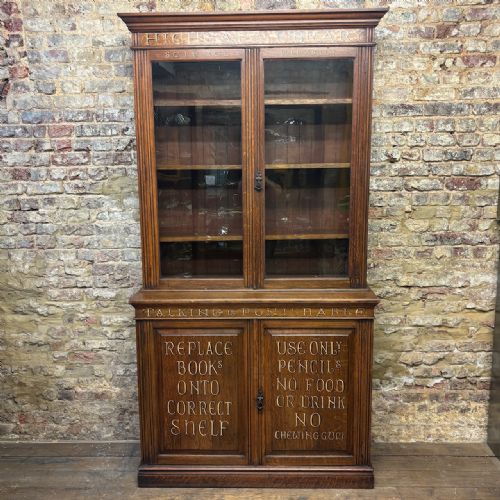
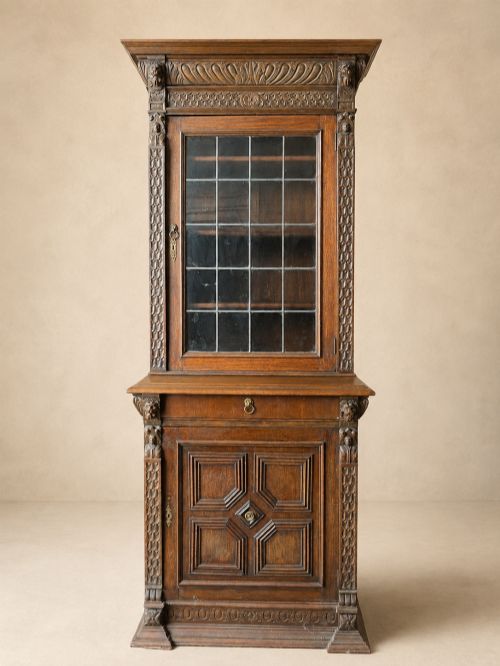
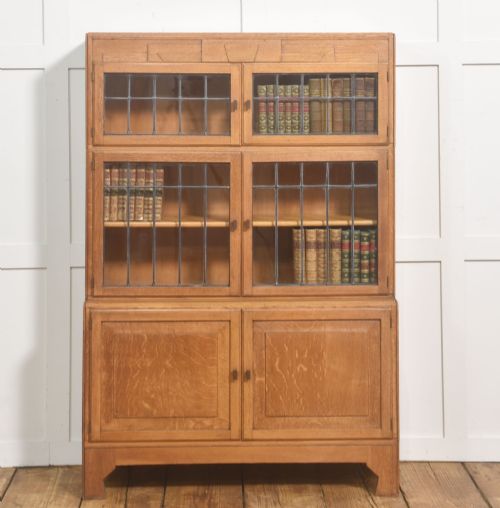
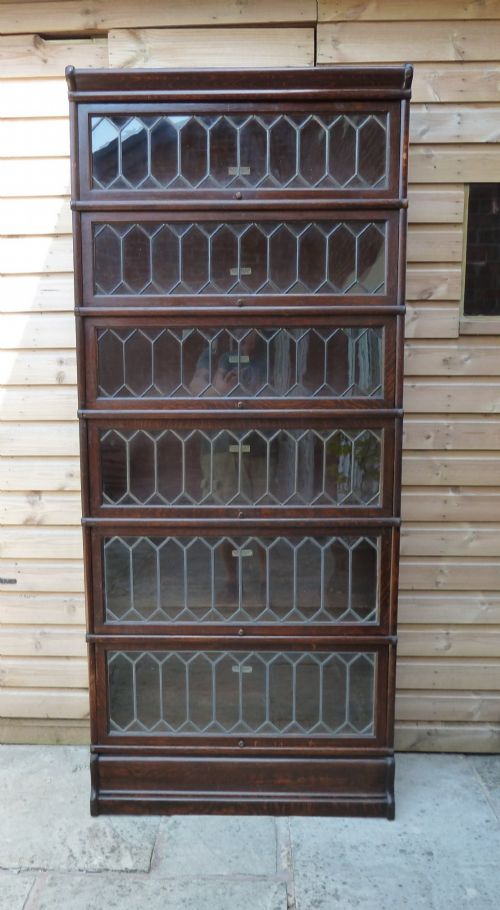
On this page, you will most frequently meet examples from the Victorian, Edwardian, and early twentieth-century periods. These range from school library bookcases and stacking sections to carved revival styles and slim display cabinets on stands.
How they were made
Makers built these cabinets primarily using solid oak and pollard oak, often incorporating glass for doors and panels, alongside brass, lead, and iron for hardware and leaded window cames. Timber selection ranged from plain solid boards to figured veneers.
Construction techniques include traditional joinery suitable for heavy upright loads, with glazed doors hung to protect the contents while maintaining visibility. Carved details, paneling, and stacked modular sections appear across various periods.
The listings show oak combined with glass, brass, lead, iron, walnut, and porcelain across multiple centuries.
What varies in quality
Quality in these cabinets lies in the selection of timber and the crispness of any carved or applied ornament. Superior examples feature well-figured oak, balanced proportions, and clean joinery that withstands the weight of heavy books or stacked sections.
The sophistication of the glazing bars, the quality of the glass itself, and the integrity of internal fittings distinguish standard workshop production from finer cabinet work. Original hardware and intact leaded lights further separate better examples.
Howard & Sons·Minty·A Blain & Son Liverpool·Globe Wernicke
The Tall Glazed Oak Cabinet Glossary
- Pollard oak
- Oak timber taken from pollarded trees, showing a distinctive clustered grain pattern. This decorative veneer appears on select nineteenth-century pieces.
- Stacking bookcase
- Modular shelving units with upward-lifting glass doors that stack vertically. These are often associated with makers such as Minty or Globe Wernicke.
- Jacobean Revival
- A style drawing on seventeenth-century motifs, including geometric mouldings and turned supports. This appears on several Victorian and Edwardian examples.
- Display cabinet
- A piece specifically glazed on multiple sides to exhibit objects rather than store books. These often stand on elevated bases or legs.
Tall Glazed Oak Cabinet: Frequently Asked Questions
What periods do these cabinets come from?
The pieces span from the Regency era through the Victorian and Edwardian periods into the early twentieth century. You will also encounter specific revivals such as Jacobean and Gothic styles.
Dates are established through construction methods, timber treatment, and stylistic markers recorded in the evidence.
How were these cabinets used originally?
They served primarily as libraries and display units in homes, offices, and institutions. Tall formats allowed maximum storage without taking up excessive floor space.
Glass doors protected valuable books and collections from dust while keeping them visible for daily reference.
How do I live with an oak cabinet?
Place the cabinet away from direct heat sources and sudden humidity changes to protect the solid oak timber and prevent warping. Ensure it is anchored securely if it holds significant weight.
Regular dusting with a dry cloth maintains the finish, while glass cleaner keeps the glazed panels clear.
How do I tell different styles apart?
Victorian examples often feature heavy carving, dark finishes, and Gothic or Jacobean revival motifs. Edwardian and later pieces tend towards lighter oak, cleaner lines, and Art Deco influences.
Modular stacking designs and slim proportions generally point towards the twentieth century.