





Tall Glass Vase
These tall glass vase pieces bring striking vertical presence to a room, spanning periods from the Victorian era through Art Deco.
Tall Glass Vase
A tall glass vase is a towering vessel designed to hold long-stemmed blooms or stand alone as a sculptural focal point in a room. When you search for this phrase, you will encounter significant vertical forms ranging from Victorian trumpet shapes to substantial 1920s Art Deco creations.
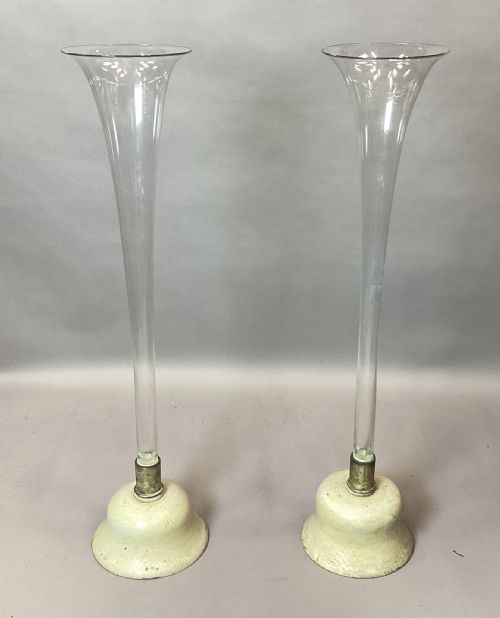
The pieces appearing on this page stretch upwards significantly, including floor vases and large mantel centrepieces. The origins span British, French, German and Czech workshops, showing a strong representation of early twentieth-century design alongside nineteenth-century examples.
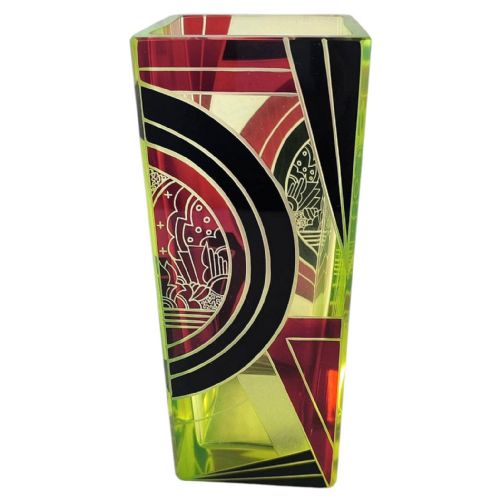
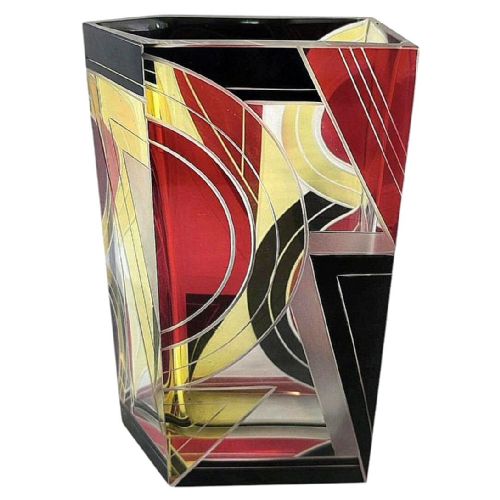
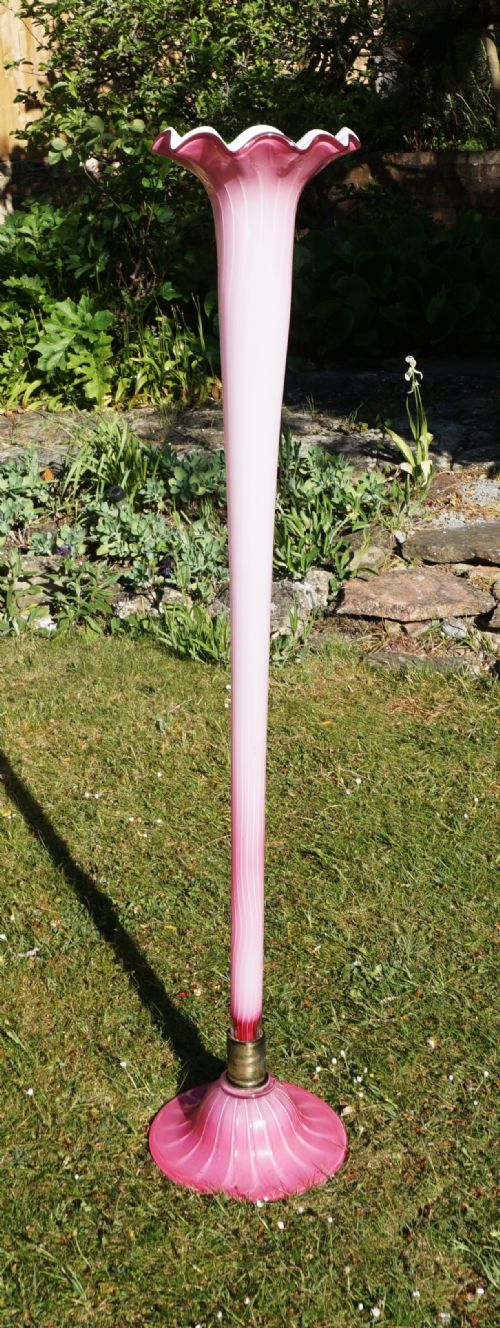
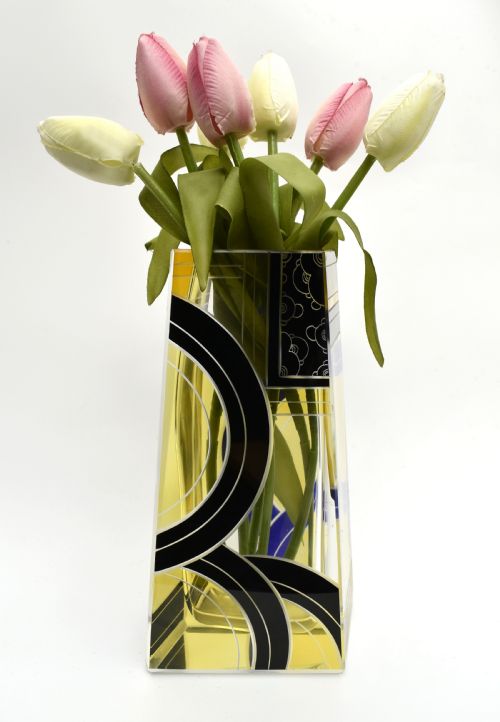
The dominant styles include flowing Art Nouveau florals, geometric Art Deco patterns, and traditional Victorian cranberry glass. Buyers seeking a tall glass vase will find both slender lily shapes and heavy, impressive crystal structures.
Materials and methods
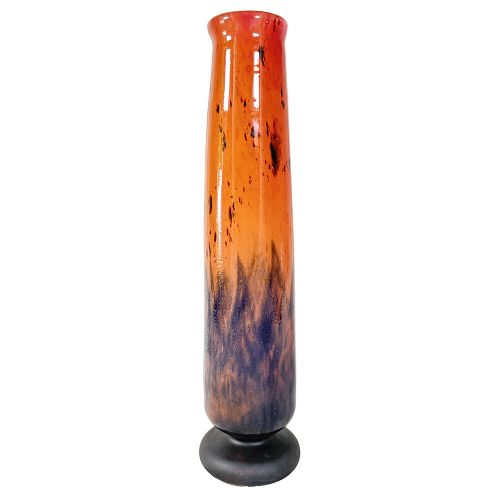
Makers utilised blown glass, crystal, and cased glass techniques to achieve depth of colour and structural integrity in these tall forms. Heavy lead crystal provided the necessary stability for massive pieces, while cased glass allowed layers of contrasting pink and white to fuse together.
Surface decoration frequently involved intricate enamel work, etching, and acid-cut cameo techniques. Master artisans applied coloured enamels and geometric or floral motifs by hand before firing, or used acid to carve away upper glass layers to reveal contrasting backgrounds.
Tall Glass Vase Retail Price Guide 2026
Typical asking prices for tall glass vase among the pieces listed under this phrase on Sellingantiques today, from the lower quarter to the upper quarter. They describe what is for sale here now, not the wider market.
The listings on this page span the Victorian era, the nineteenth century, and early twentieth-century movements including Art Nouveau and Art Deco.
Assessing quality
Quality rests in the weight, clarity, and precision of the glass body, alongside the skill required for surface execution. Substantial weight and thick crystal walls indicate superior substance, particularly in large floor-standing or heavy geometric vessels.
The crispness of the acid-etching or the fineness of the polychromatic enamelling separates standard production from exceptional studio work. Signed pieces by celebrated glasshouses demonstrate a higher standard of artistic design and finishing detail.
Daum·Karl Palda·Moser·Galle·Powell or Nazeing
The Tall Glass Vase Glossary
- Cased glass
- Glass formed of two or more distinct layers of different colours, often fused while hot. This technique allows artisans to cut through the outer layer to expose the contrasting colour beneath.
- Cameo glass
- Vessels carved using acid or mechanical tools to create raised designs in relief against a contrasting background. The method demands immense precision from the glass cutter.
- Enamel decoration
- The application of coloured vitreous glass paste onto the surface of a finished vessel. The piece is then fired again to fuse the decoration permanently to the glass body.
- Cranberry glass
- A rich reddish-pink glass created by adding gold chloride to the molten batch. It became extremely popular during the Victorian period for dramatic tableware and decorative vases.
- Trumpet vase
- A vessel shaped like an expanding horn, featuring a narrow base that flares widely toward the rim. These pieces suit long stems and create an elegant silhouette.
Tall Glass Vase: Frequently Asked Questions
Where should I place a tall glass vase?
These imposing vessels suit positions where their height can command attention without obstructing eye lines, such as on the floor in an empty corner, on a heavy sideboard, or upon a low entrance hall table.
Because many examples reach substantial heights and significant weights, they require stable surfaces away from high-traffic household areas where accidental knocks might occur.
How do I clean a tall glass vase safely?
Warm water and a mild detergent applied with a bottle brush will manage routine dust and interior residue safely. Avoid sudden temperature changes to protect older glass from thermal shock.
Enamelled and gilded surfaces require particularly gentle handling without abrasive scrubbing pads that might damage the historic decoration.
How can I tell Art Nouveau from Art Deco pieces?
Art Nouveau examples feature organic, flowing lines inspired by natural forms like flower stems and swelling petals. You will often see cameo carved floral motifs and soft, iridescent tones.
Art Deco pieces display strict symmetry, sharp angles, and repeating geometric patterns. They frequently utilise stark black enamels, clear crystal, and precise acid-etched banding.
Can these vases hold water for fresh flowers?
Many of these vessels were designed as functional flower holders, particularly the Victorian lily vases and trumpet shapes meant for long stems. However, heavy antique crystal and delicate enamelwork benefit from careful handling when filled.
Checking the interior for historic lime scale or residue will help determine how actively you wish to use the piece for fresh floral arrangements.