



Tall Glass Display Case
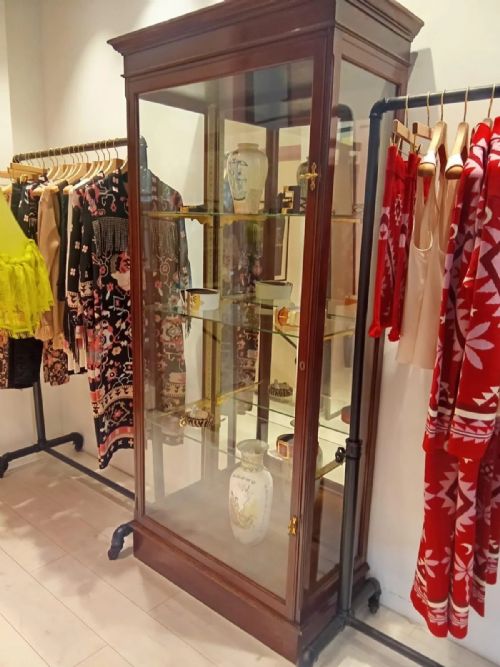
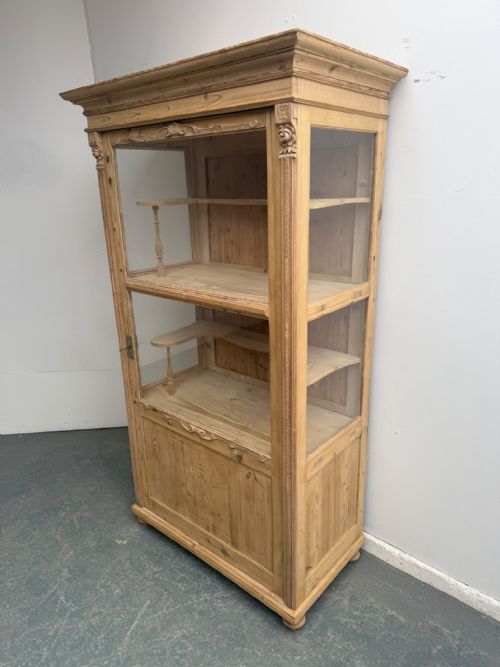
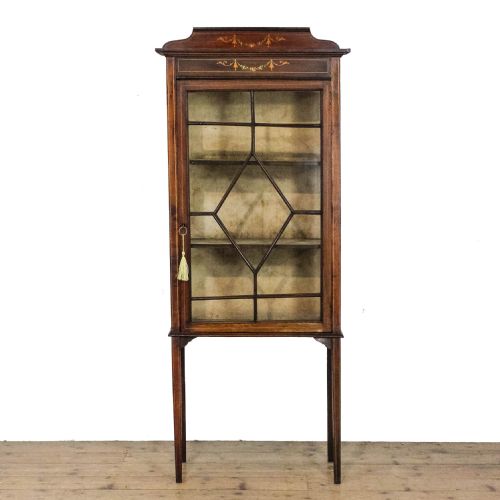
A tall glass display case holds and protects precious objects, bringing height and transparency to rooms through timber frames and glazed panels.
Tall Glass Display Case
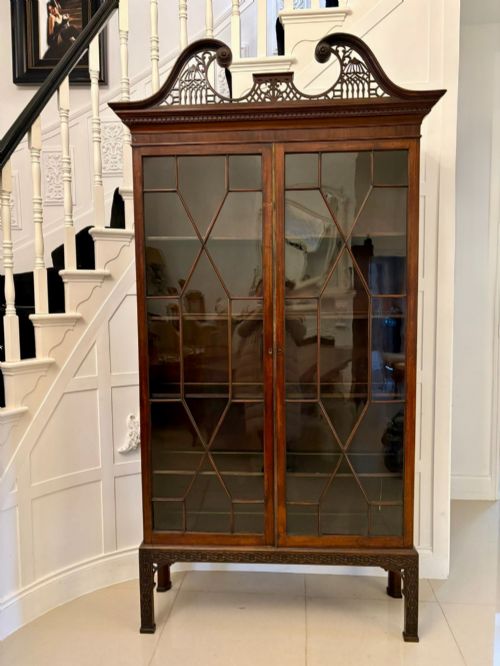
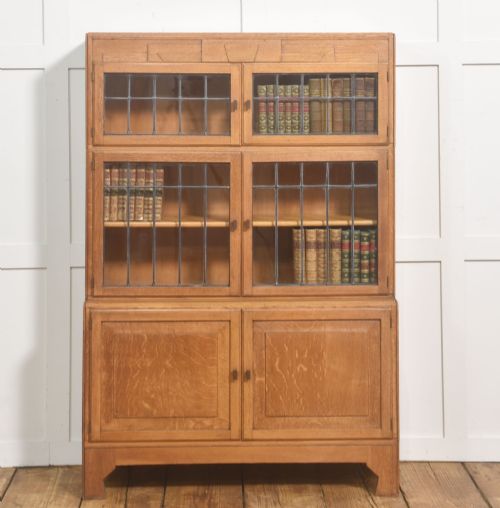
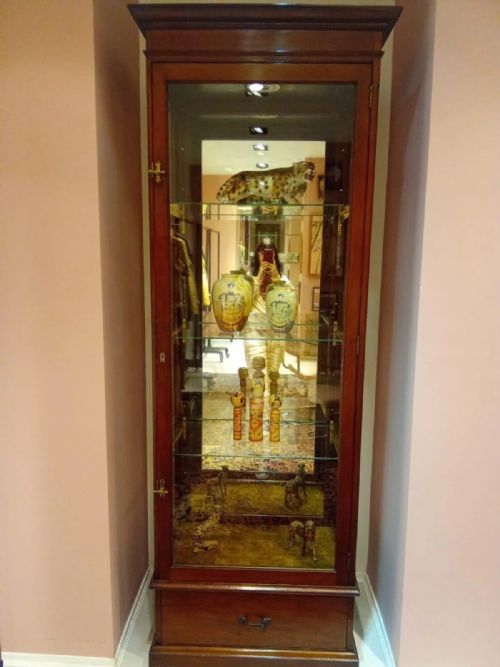
A tall glass display case bridges the gap between functional storage and visible exhibition, offering vertical presence in domestic and commercial spaces alike. When buyers search this phrase, they meet cabinets, bookcases with glazed doors, and tall taxidermy domes resting on bases.
The material record spans the Victorian, Edwardian, and Art Deco eras, drawing on styles from Gothic Revival to Art Nouveau. Mahogany, oak, ebonised wood, and satinwood form the vertical structures that house extensive panels of transparent glass.
Commercial shop display cabinets and jewellers' tower cabinets appear frequently alongside domestic display cases and collector domes. These domestic and retail pieces provide tall framing for books, specimens, and curiosities.
How they were made
Makers constructed the primary frames of these tall cases using solid hardwoods such as mahogany, oak, and pine, frequently applying satinwood crossbanding or ebonisation for visual contrast. Glazed panels and adjustable glass shelves insert into these timber skeletons to maximise light transmission.
Brass fittings, steel supports, and leather elements appear in specific styles like Art Deco, while traditional joinery secures the tall vertical weight. Domes employ blown glass resting on turned wooden or fabric-lined bases to enclose specimens securely.
Tall Glass Display Case Retail Price Guide 2026
Typical asking prices for tall glass display case among the pieces listed under this phrase on Sellingantiques today, from the lower quarter to the upper quarter. They describe what is for sale here now, not the wider market.
Some Victorian collectors required giant glass domes solely to house stuffed owls and botanical arrangements.
What varies in quality
The refinement of the timber joinery and the clarity of the glass separate standard production items from exceptional workshop commissions. Finer cabinets exhibit thoughtful proportions, such as bow fronts or inlaid stringing, alongside original adjustable glass shelving.
Commercial provenance and maker attribution elevate certain shop and tower cabinets, while the integrity of large blown glass domes dictates their desirability. The retention of original brass hardware, fabric linings, and polished finishes preserves the integrity of the piece.
E Pollard And Co Ltd
The Tall Glass Display Case Glossary
- Bijouterie cabinet
- A glazed display table or cabinet designed specifically for small valuables, jewellery, and curiosities. These often feature velvet or fabric-lined interiors.
- Astral glazed
- A method of dividing glass panes using slender wooden or metal glazing bars arranged in geometric patterns. This technique structures the doors of tall bookcases and cabinets.
- Taxidermy dome
- A blown glass bell jar fitted to a wooden base, created to protect and display preserved specimens and ornithological mounts. They range from small table versions to tall floor-standing showcases.
- Crossbanding
- A decorative border of veneer laid across the grain of the primary wood panel. Cabinet makers used this on mahogany surfaces to create contrast on Edwardian pieces.
- Ebonised
- Timber treated with a chemical stain or finish to imitate ebony. This dark finish appears on tower cabinets from the early twentieth century.
Tall Glass Display Case: Frequently Asked Questions
What fits inside a tall glass display case?
These vertical structures accommodate collections of books, ceramic dinnerware, taxidermy specimens, and curiosities behind protective glazing. Adjustable shelves allow the interior height to be adapted for objects of varying sizes.
Commercial variants house retail stock or jewellery, while domestic examples serve as prominent focal points for personal collections within a room.
How do I date a display cabinet?
Dating relies on observing the prevailing timber choices, hardware, and stylistic details recorded across the piece. Victorian examples often display heavy mahogany frames and arched glazing bars, while Edwardian pieces introduce satinwood crossbanding and inlaid motifs.
Art Deco and 1920s iterations incorporate ebonised finishes, steel frameworks, and cleaner vertical lines. Comparing these traits against known period styles clarifies the manufacturing era.
Where should I place a tall cabinet?
A tall glass display case requires stable floor space and sufficient vertical clearance to accommodate its height safely. Positioning the unit near natural light sources enhances the transparency of the side and door panels, illuminating the contents.
Avoid placing delicate timber frames in direct sunlight or beside active heat sources to prevent wood shrinkage and protect interior items.
What is a taxidermy dome?
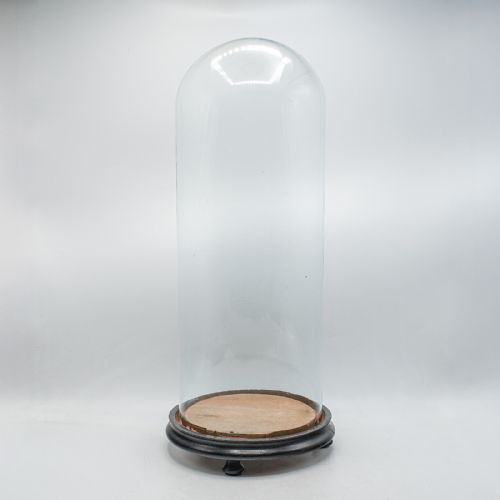
A taxidermy dome consists of a tall blown glass cover that rests upon a wooden base to shield specimens from dust and handling. These enclosures preserved birds, mammals, and botanical arrangements in Victorian and Edwardian interiors.
The glass sits securely in a groove on the base, allowing collectors to view the interior display from all horizontal angles.