




Tall Floor Standing Mirror
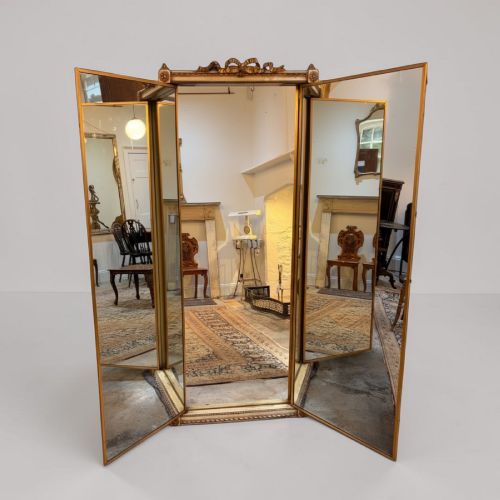
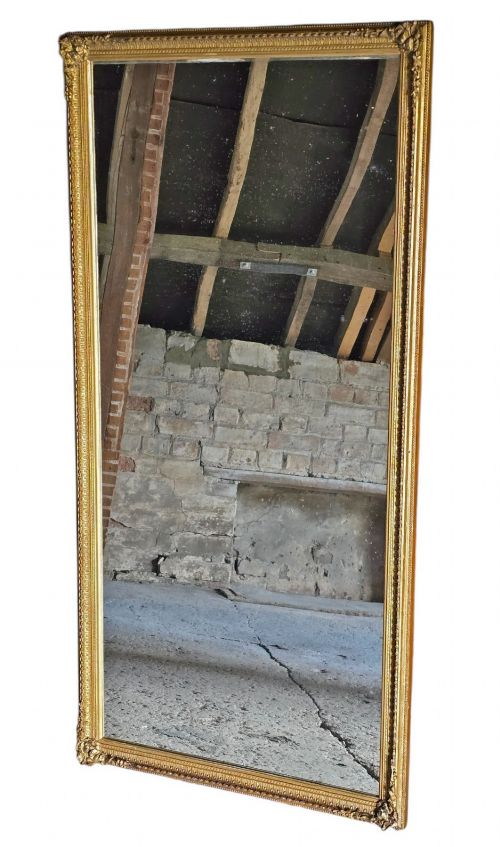
A tall floor standing mirror brings length and light to a room, appearing in forms from heavy Victorian mahogany to gilded French revival frames.
Materials and construction methods
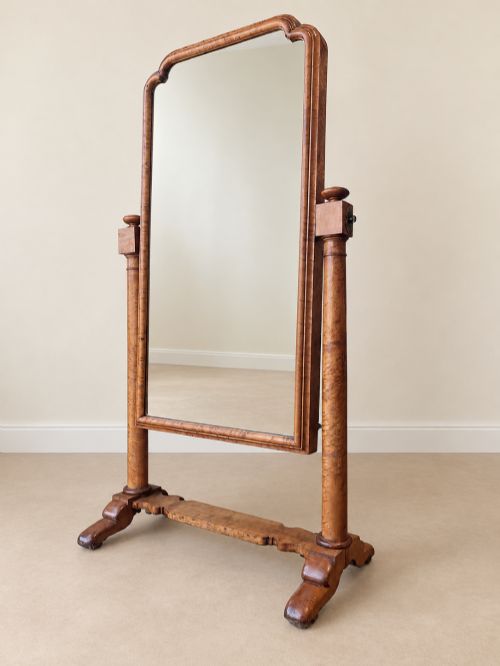
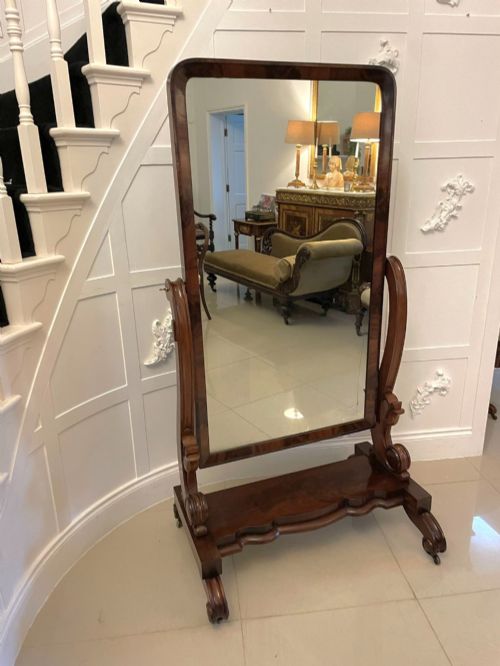
Makers built the structural frames using dense timbers like mahogany and walnut, or constructed them from softer woods intended for carving and surface gilding. Mahogany pieces often rest on brass sabots and castors, supporting the pivoting mirror plate with substantial upright posts.
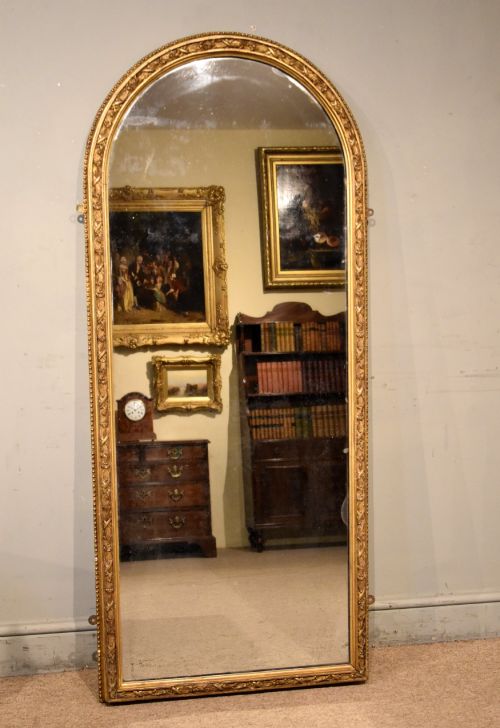
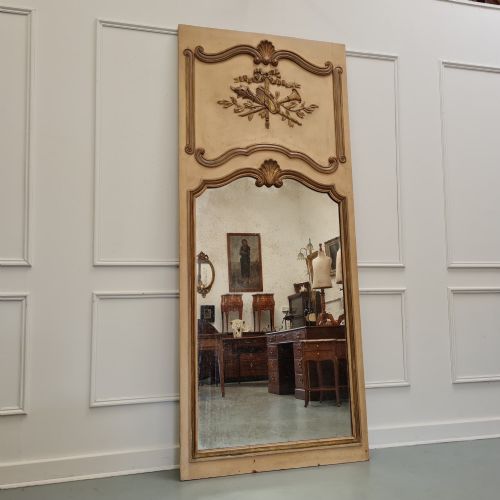
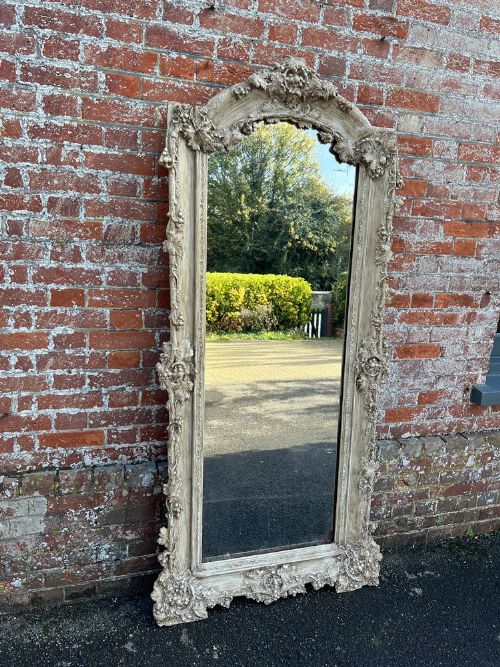
Giltwood and gesso pieces feature intricately carved wooden surfaces built up with plaster layers before receiving gold leaf or silver-gilt applications. Painted French trumeau and dressing mirrors rely on layered surface treatments, occasionally combined with mercury glass plates that show authentic ageing spots.
Distinctions in quality and execution
Superior examples distinguish themselves through the crispness of hand-carved wood and gesso ornamentation, particularly on French Louis revival and shaped-top frames. Finer nineteenth-century timber pieces display well-figured mahogany veneers, robust brass castors, and precise joinery on the standing frame.
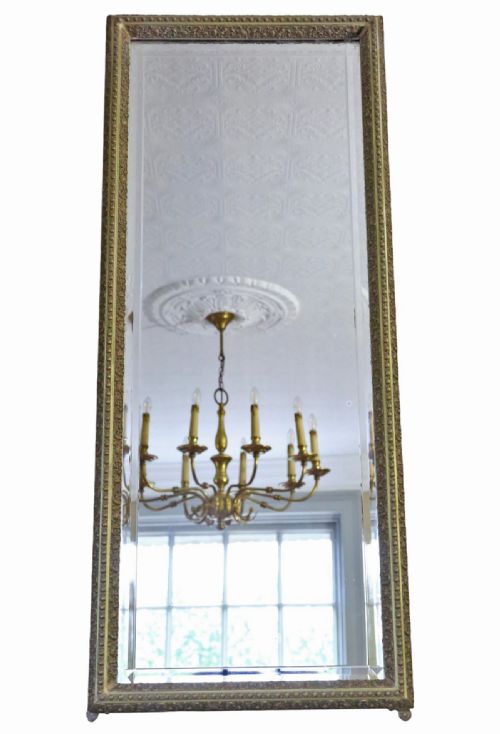
The weight and clarity of the mirror glass contribute significantly to the grade of the piece, with heavier bevelled plates and original mercury glass commanding greater respect. Quality also shows in the stability of the pivoting mechanism on cheval designs, ensuring the frame supports the glass securely without tilt.
Tall Floor Standing Mirror Retail Price Guide 2026
Typical asking prices for tall floor standing mirror among the pieces listed under this phrase on Sellingantiques today, from the lower quarter to the upper quarter. They describe what is for sale here now, not the wider market.
One robust six-foot mirror spent its earlier working life stationed inside a gentlemen's outfitter shop before finding retirement at home.
The Tall Floor Standing Mirror Glossary
- Cheval mirror
- A freestanding mirror mounted on a vertical swivelling frame supported by four legs. This design allows the user to tilt the glass to various angles for full-length viewing.
- Trumeau mirror
- An antique wall mirror featuring a painted or carved panel set above the glass. These originate largely from French interiors of the nineteenth century.
- Gesso
- A plaster-based material applied to wood frames to create a smooth surface for gilding. Skilled artisans carved intricate scrollwork and floral details into this layer.
- Mercury glass
- A double-walled glass blown type popular in the nineteenth century, created by pouring a liquid silvering mixture between glass layers. It yields a distinctive mottled reflective appearance.
- Sabot
- A metal sleeve fitted to the foot of a furniture leg. Brass versions frequently appear on Regency and Victorian mahogany stands to protect the timber.
Tall Floor Standing Mirror: Frequently Asked Questions
How do I secure a tall mirror safely?
Freestanding cheval mirrors require level flooring and properly adjusted pivot screws to prevent the heavy frame from swinging too freely. For tall dressing mirrors positioned near walls, supplementary discreet brackets secure the top safely against accidental knocks.
Positioning the base away from heavy foot traffic protects both the projecting legs and the surrounding woodwork. Regular checks of the floor castors ensure the entire heavy structure remains stable during daily adjustment.
What is the difference between a cheval and dressing mirror?
A cheval mirror stands independently on its own floor frame, supported by four legs and side pivots that allow the entire glass to tilt. A dressing mirror traditionally sits atop a chest of drawers or dressing table, though larger nineteenth-century examples reached full floor height.
Both forms served the purpose of full-length attire checks in Victorian and Edwardian bedchambers. The floor-standing versions provide complete mobility within a room without requiring wall anchorage.
How do I date an antique floor mirror?
Dating relies heavily on stylistic markers, such as the heavy brass sabots and sabre legs characteristic of Regency pieces from eighteen-twenty. Victorian examples tend to feature robust mahogany frames or ornate giltwood carvings, whereas nineteen-twenties pieces introduce streamlined Art Deco lines and utilitarian shop fittings.
Examining the backboards, fixings, and the composition of the glass plate further confirms the period of manufacture. Mercury glass and hand-bevelled edges point firmly toward nineteenth-century origins.
Can these mirrors be used in narrow hallways?
Narrow hallways benefit greatly from tall mirrors because their vertical height draws the eye upward and bounces available light across confined spaces. Wall-mounted full-length frames or slim dressing mirrors suit tight corridors where floor space for pivoting cheval legs is limited.
Gilded French frames and painted wooden finishes add decorative presence to plain entrance passages. Careful measurement of the swing clearance remains essential if selecting a pivoting floor model for a corridor.
How do I care for antique giltwood frames?
Antique giltwood and gesso surfaces require gentle dusting with a soft, dry brush rather than liquid cleaners that can damage the delicate gold leaf. Keeping the frames away from direct sunlight and damp conditions prevents the gesso layers from cracking or lifting over time.
Mirror plates respond well to standard glass cleaner applied sparingly to a cloth rather than sprayed directly onto the glass. This precaution stops moisture from seeping behind the antique silvering.