



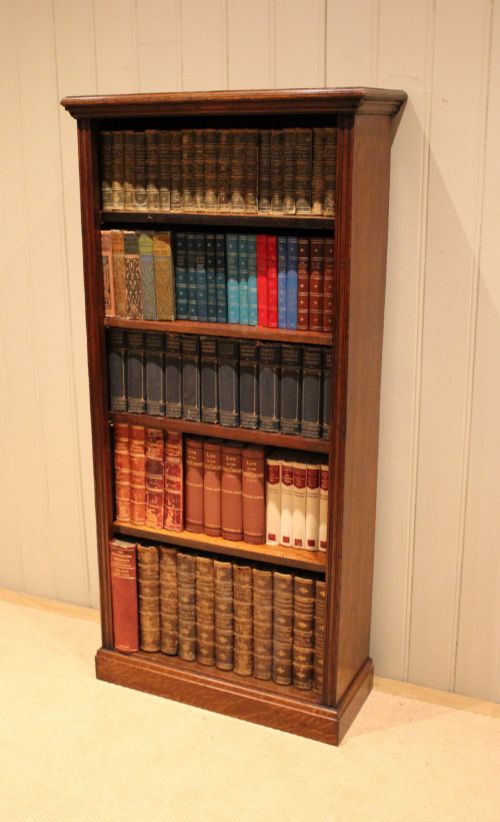
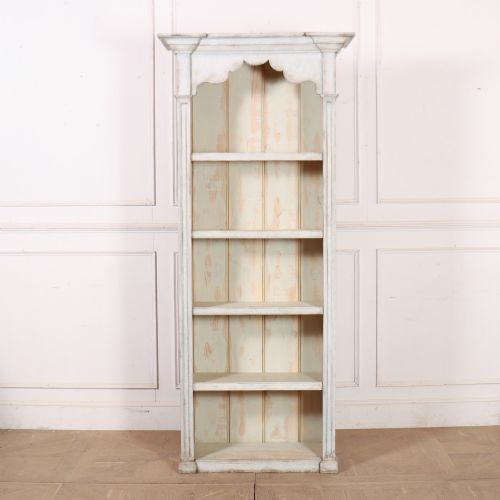
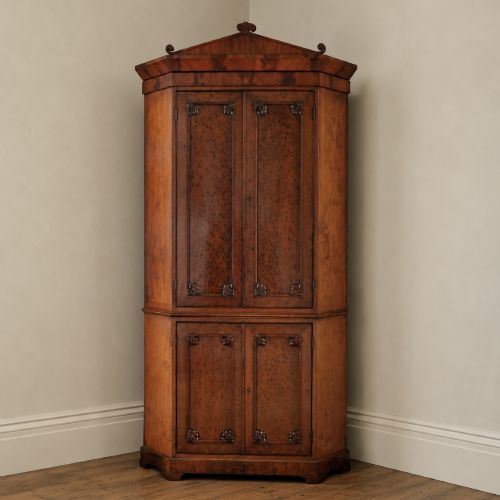
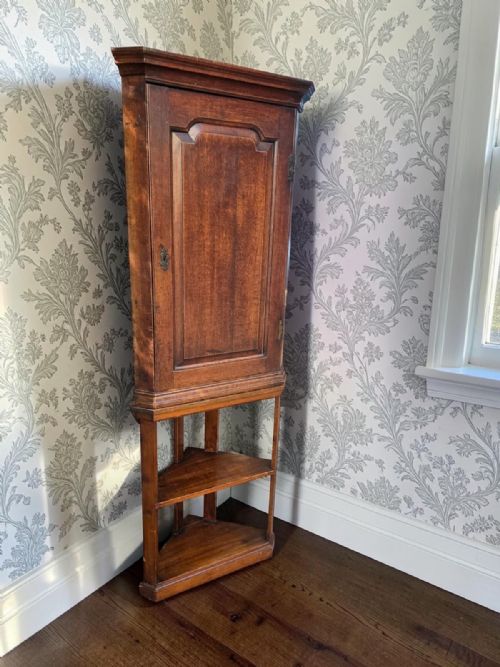
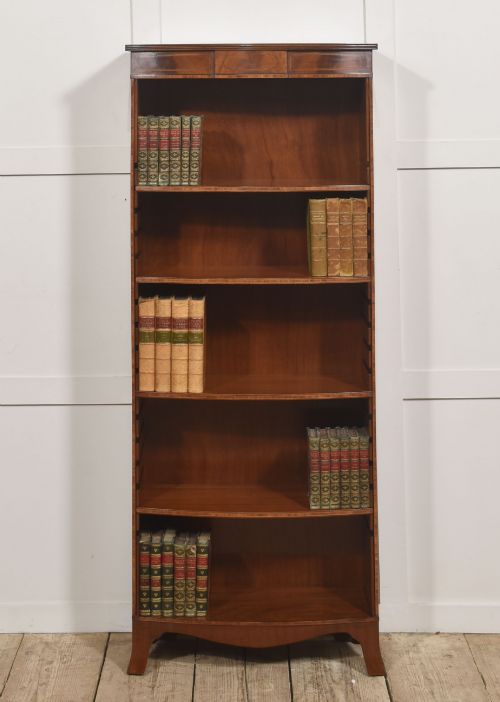
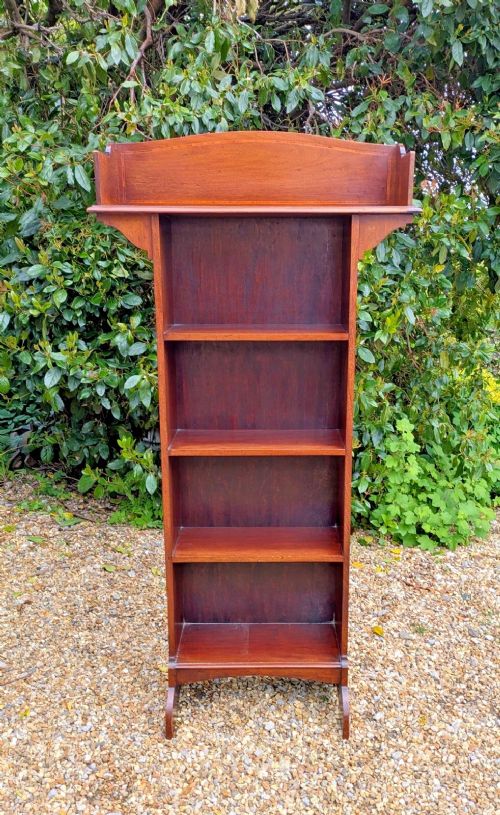
Tall Display Unit
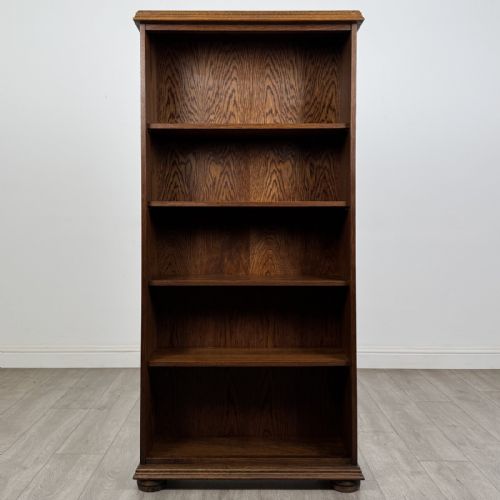
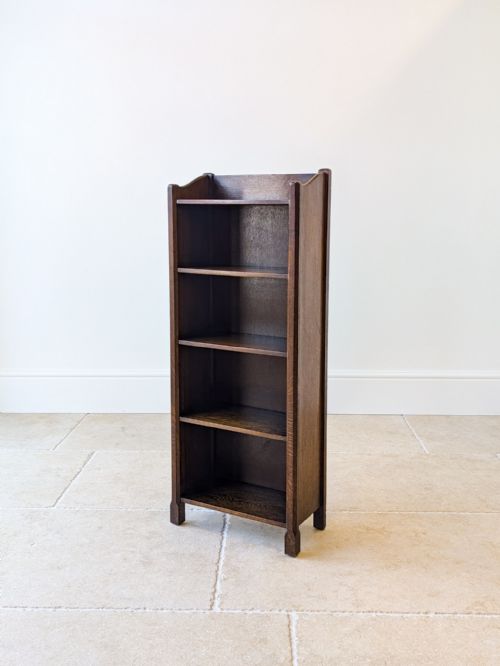
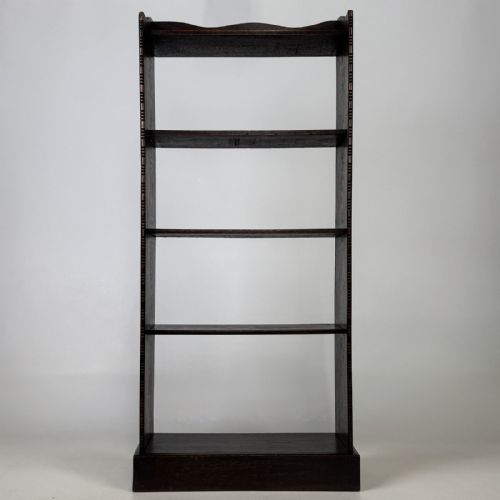
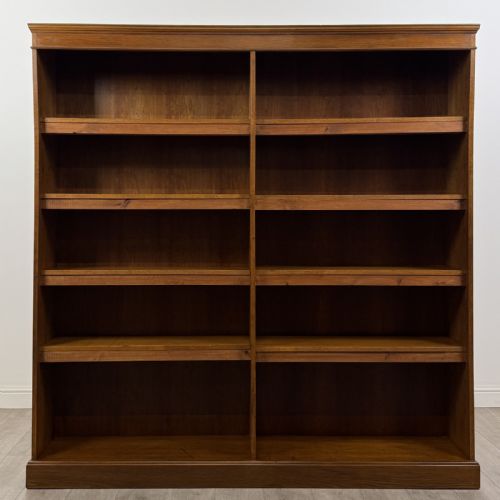
A tall display unit organises collections and books, bringing vertical height and character to a room.
Tall Display Unit
A tall display unit serves the practical need for storage while showing books and objects. When you search for a tall display unit, you encounter bookcases, glazed cabinets, corner cupboards, and open shelving systems designed to utilise vertical space.
The pieces on this page span the Victorian and Edwardian eras, alongside Art Deco, Arts and Crafts, and French Provincial designs. Makers from the nineteenth and early twentieth centuries constructed these tall pieces to house libraries and display ornaments in formal rooms.
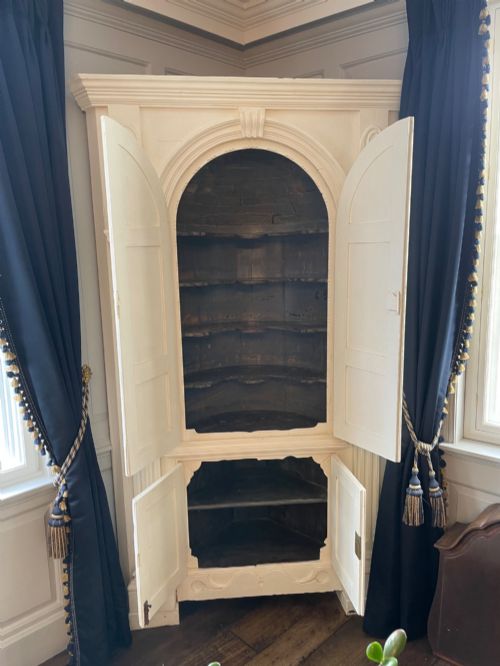
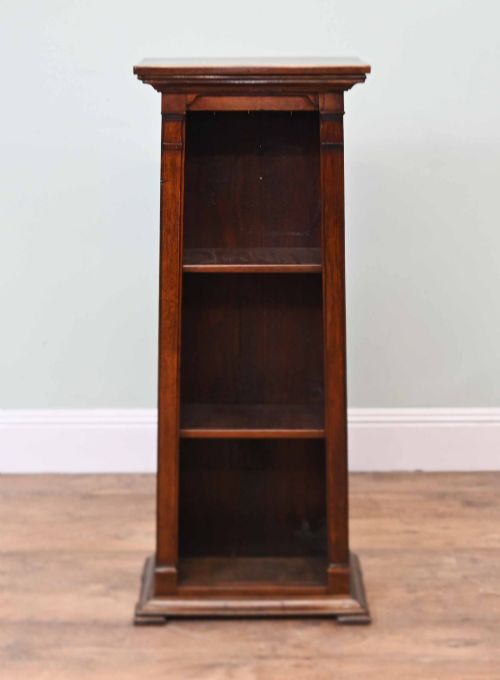
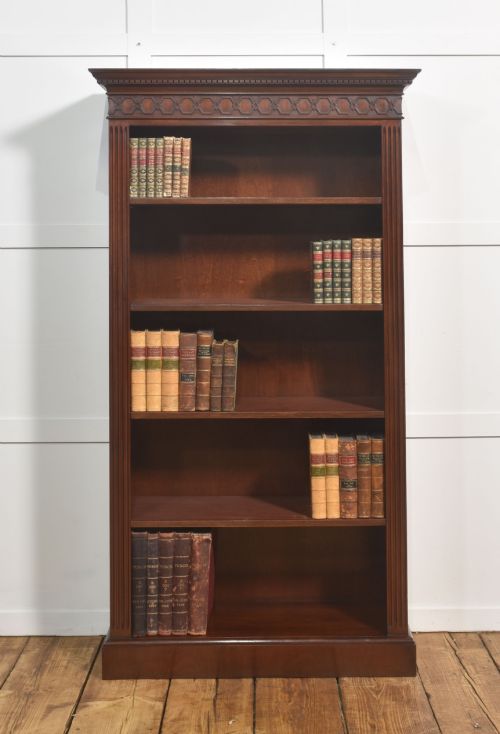
Open bookcases and glazed display cabinets dominate the selection, often featuring adjustable shelves. Corner units and whatnots also appear, offering alternative silhouettes for compact spaces and awkward room angles.
Materials and Construction
Cabinet makers relied heavily on timber species such as mahogany, oak, walnut, and pine. Solid construction techniques ensured stability in tall furniture, frequently incorporating brass hardware, beading, and glazed doors to protect the contents.
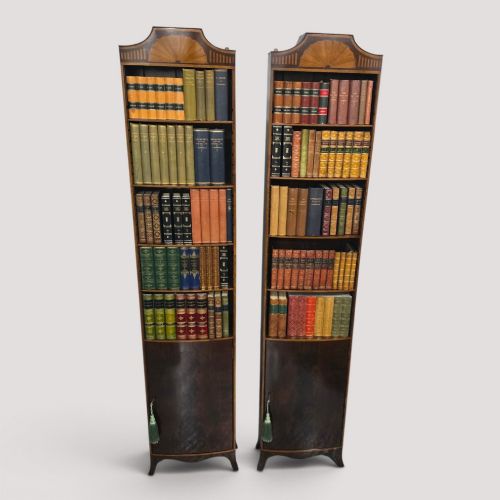
Surface finishes range from polished mahogany and waxed pine to painted treatments and inlaid satinwood details. Many examples include adjustable wooden shelving supported by traditional pegged or slotted uprights.
Tall Display Unit Retail Price Guide 2026
Typical asking prices for tall display unit among the pieces listed under this phrase on Sellingantiques today, from the lower quarter to the upper quarter. They describe what is for sale here now, not the wider market.
The listings on this site span the nineteenth century through the 1930s, featuring oak, mahogany, walnut, and pine construction.
Judging Quality and Character
The standard of a tall display unit rests on the selection of timber and the crispness of its mouldings. Fine examples display carefully matched wood grain, delicate inlay work, and robust structural joinery that prevents the leaning common in tall antique furniture.
Proportion and utility dictate distinction across the range. Pieces with balanced door panels, clean glass glazing bars, and original brass fittings demonstrate a higher grade of craftsmanship than plain utility shelving.
The Tall Display Unit Glossary
- Whatnot
- A set of open shelves supported by pillars, used for displaying ornaments and small objects. It originated in the eighteenth century and remained popular through the Victorian era.
- Glazed door
- A door fitted with glass panes to allow the contents of a cabinet to be viewed while protected from dust. These doors often feature wooden bars arranged in geometric patterns.
- Corner cupboard
- A specialised storage unit designed to fit squarely into the corner of a room, maximising floor space. They appear in both hanging formats and standing on a base or stand.
- Adjustable shelf
- A shelf that can be moved to different heights within a bookcase or cabinet using slots, pegs, or ratchet strips. This system provides flexibility for storing books of varying sizes.
- Inlay
- A decorative technique where contrasting pieces of wood or other materials are inserted into recessed portions of the base surface. Satinwood and darker veneers frequently created geometric borders.
Tall Display Unit: Frequently Asked Questions
How do I style a tall display unit?
Balance books in vertical stacks with decorative objects and framed photographs to create visual weight. Leave some space empty to prevent the shelves from looking cluttered.
Vary the heights of objects across different tiers and use the lower shelves for heavier items or larger volumes to maintain stability.
Are antique bookcases sturdy enough for heavy books?
Solid hardwood bookcases built from oak or mahogany easily support heavy volumes. Adjustable shelving systems in older units distribute weight securely across traditional wooden supports.
Check that the uprights remain firm and that the backboards are securely fixed to ensure the structure holds heavy loads without sagging.
How do I identify Edwardian tall furniture?
Edwardian pieces often feature lighter framing, simpler lines, and delicate inlay work compared to heavy Victorian designs. Walnut and mahogany woods frequently show bright, clean finishes.
Cabinet makers in this period combined functional adjustable shelving with restrained decorative mouldings suited to smaller, brighter homes.