

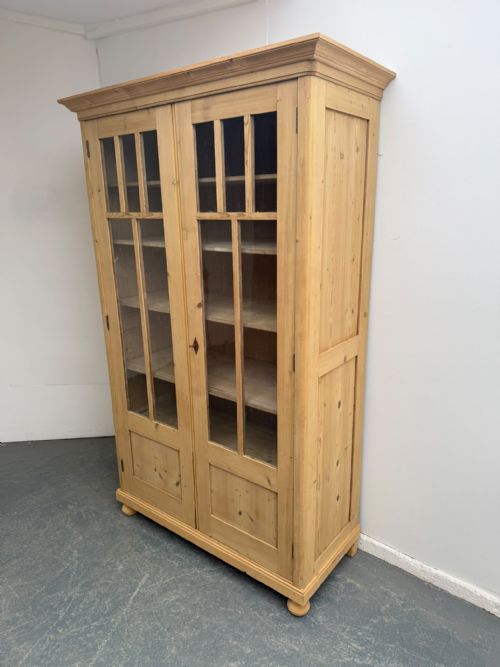


Tall Bookcase with Doors
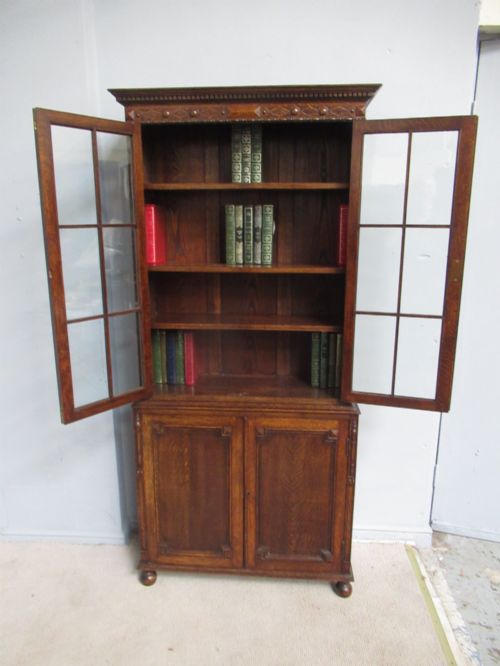
A tall bookcase with doors offers serious vertical storage while keeping fine bindings safely behind glass or timber panels.
Tall Bookcase with Doors
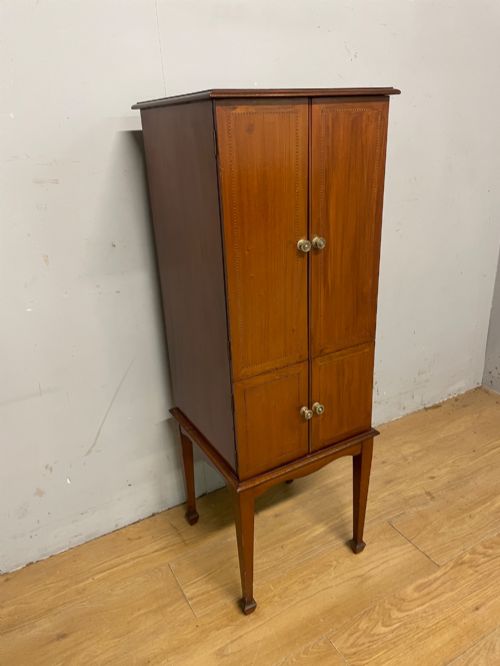
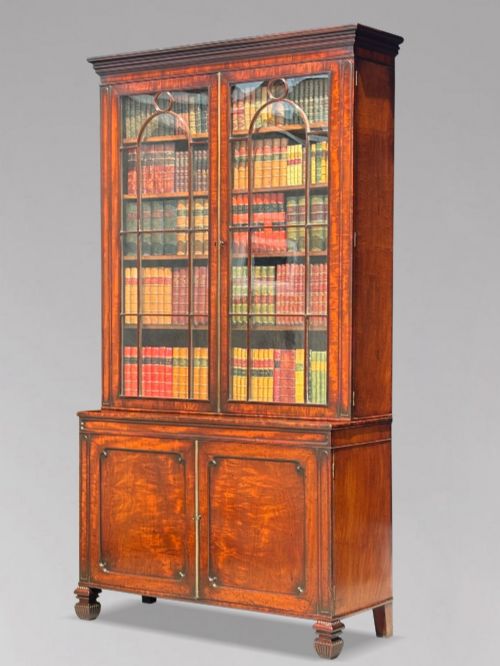
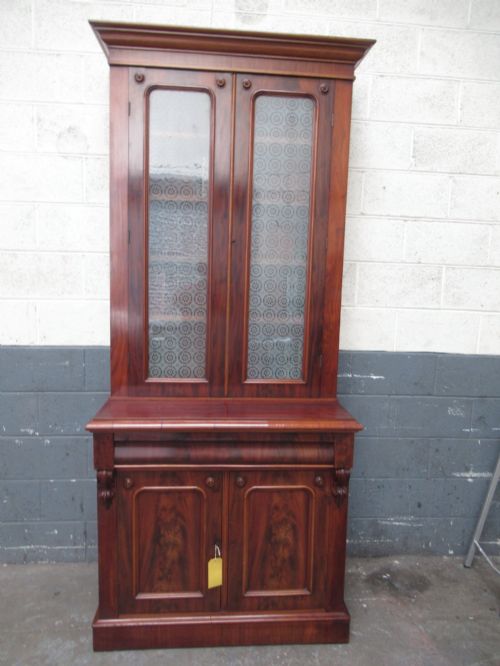
A tall bookcase with doors brings together ample vertical shelving and enclosed lower or upper compartments, drawing on traditions from the Georgian, Regency, and Victorian eras. These pieces serve primarily to house substantial book collections while protecting volumes from dust and light.
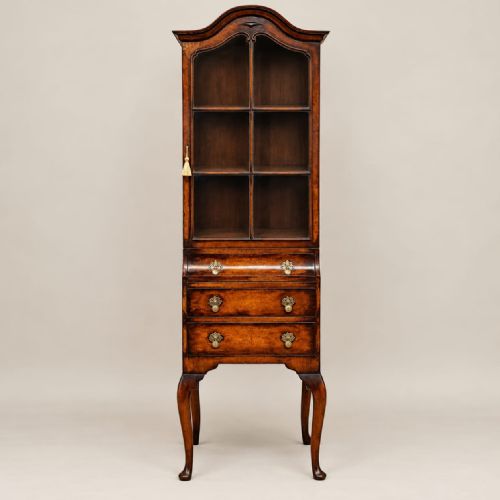
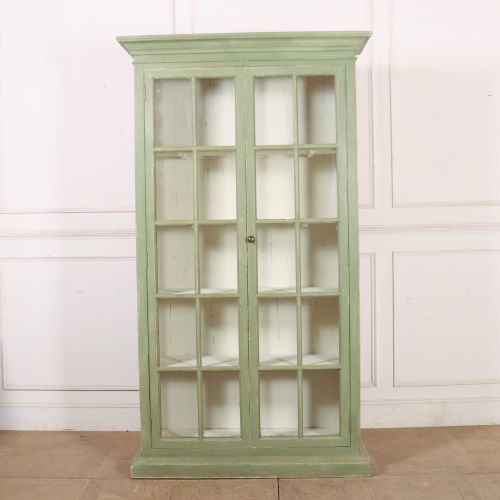
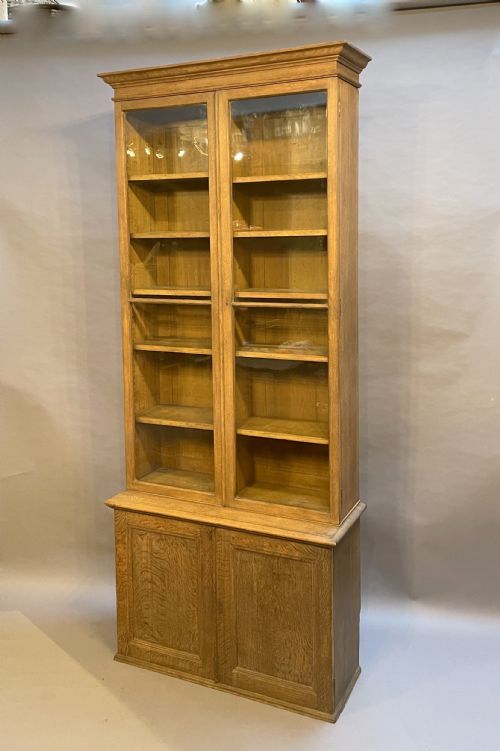
The most common examples encountered on this page date from the nineteenth century, built in substantial timbers like mahogany and oak. Buyers will also find specialised forms such as bureau bookcases and corner cabinets among the standard upright formats.
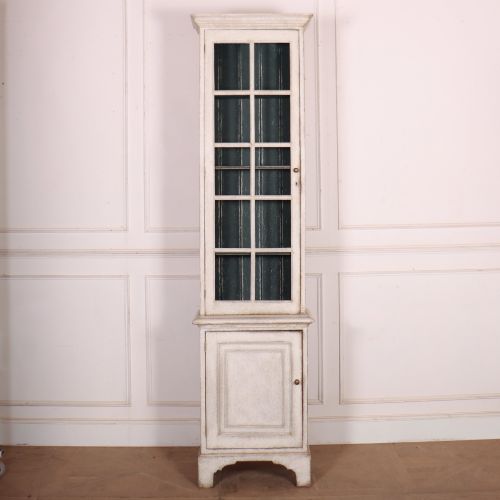
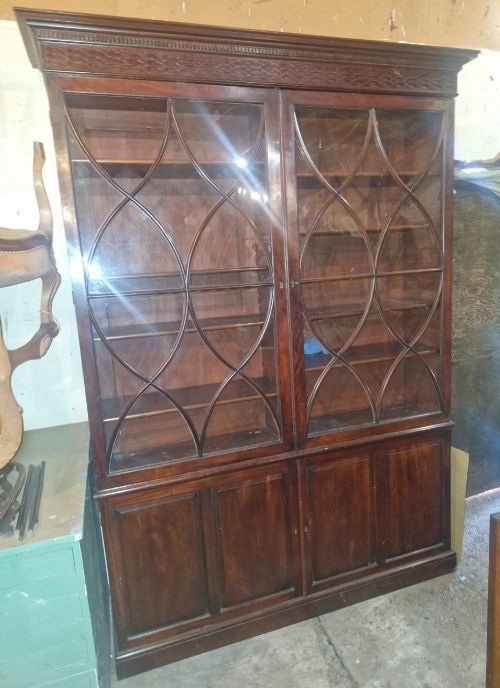
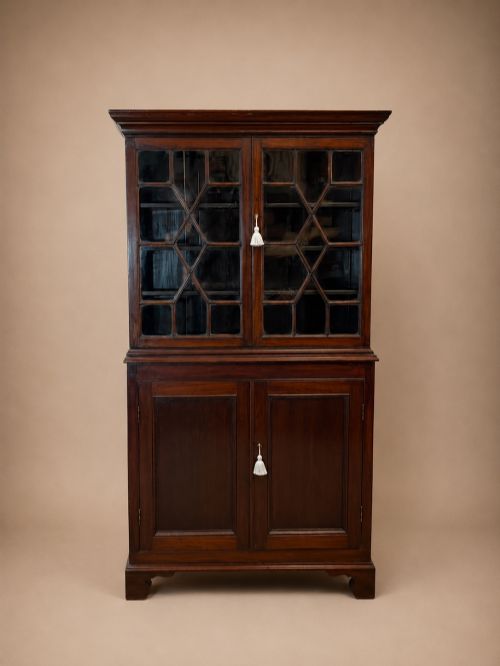
Earlier Georgian and Regency examples often display formal architectural proportions and refined glazing bars, whereas Victorian and later pieces range from golden oak to painted country house finishes.
Materials and construction
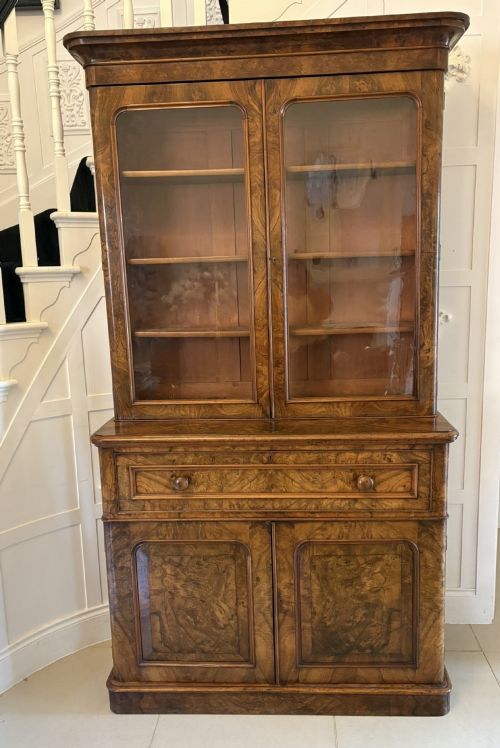
Makers relied heavily on solid mahogany and oak for these tall carcasses, frequently applying amboyna veneer or fine black paint for decorative effect. Brass hardware and clear glass panels complete the primary construction of the glazed upper sections.
Joinery techniques matched the vertical scale of the furniture, ensuring that heavy timber doors hung true and adjustable internal shelving could bear the weight of numerous volumes over decades.
Tall Bookcase with Doors Retail Price Guide 2026
Typical asking prices for tall bookcase with doors among the pieces listed under this phrase on Sellingantiques today, from the lower quarter to the upper quarter. They describe what is for sale here now, not the wider market.
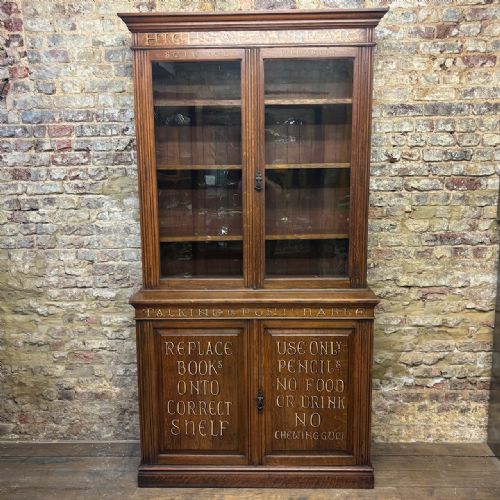
Several pieces conceal their literary contents behind school library doors and country house paintwork, waiting for a new chapter.
Assessing quality and finish
Quality rests in the crispness of the timber detailing, the transparency and age of the glass panels, and the integration of internal fittings like bureau drops or specialised shelving. Finer examples show careful selection of grain in mahogany or golden oak veneers.
The proportion and balance of the vertical structure dictate the overall visual success of the piece, separating standard utility furniture from more ambitious cabinet work.
The Tall Bookcase with Doors Glossary
- Bureau bookcase
- A combination of a sloping desk front and an upright bookcase section, allowing for both writing and storage. These pieces frequently date from the Georgian period.
- Glazed bookcase
- A cabinet featuring glass door panels that protect the contents from dust while displaying the library. The woodwork dividing the glass panes is known as glazing bars.
- Amboyna veneer
- A highly decorative, mottled wood veneer derived from the Pterocarpus indicus tree. It provides a rich, patterned surface on nineteenth-century cabinet work.
- Golden oak
- A warm, light honey-toned oak finish popular during the Victorian and Edwardian periods. It highlights the natural grain of the timber.
Tall Bookcase with Doors: Frequently Asked Questions
How do I care for a mahogany bookcase?
Keep the timber away from direct heat sources and sudden humidity changes to prevent warping in the large side panels and doors.
Apply a traditional wax polish occasionally to nourish the mahogany surface and maintain the depth of the grain.
Can the shelves be adjusted?
Many period bookcases feature fixed shelving, though nineteenth-century and later examples sometimes incorporate adjustable rack systems.
Check the interior construction to see how the timber supports are fitted into the carcass walls.
What is the difference between an open bookcase and a cabinet bookcase?
An open bookcase provides completely accessible shelving without any barrier between the books and the room.
A cabinet bookcase incorporates doors, usually glazed at the top and timber-panelled below, to enclose and protect the contents.
Are these bookcases suitable for low ceilings?
Because these pieces are designed with a tall vertical presence, measuring ceiling height carefully before purchase is essential.
Victorian and Georgian models often reach well over standard door height, requiring ample clearance in smaller rooms.