





Tableware Collectibles
Tableware collectibles gather functional dining pieces spanning centuries of craft, offering a tactile connection to historical meals.
Tableware Collectibles
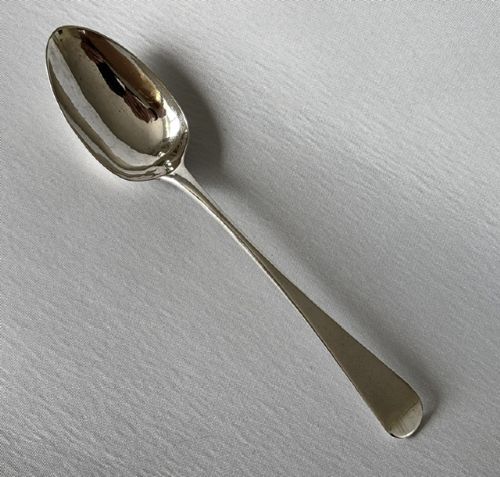
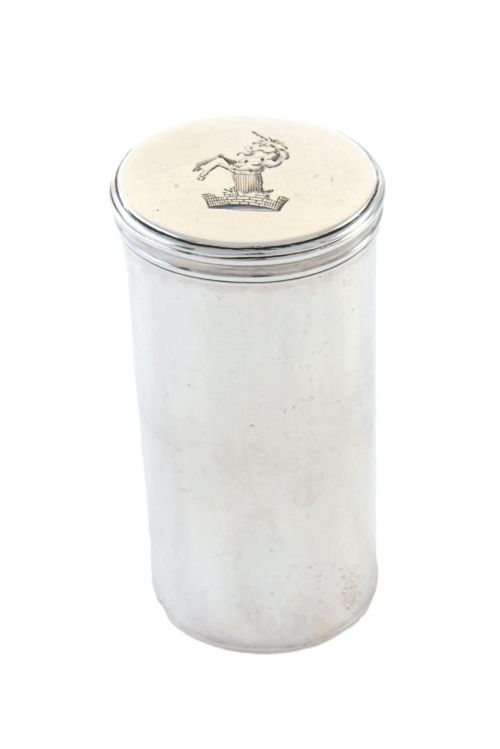
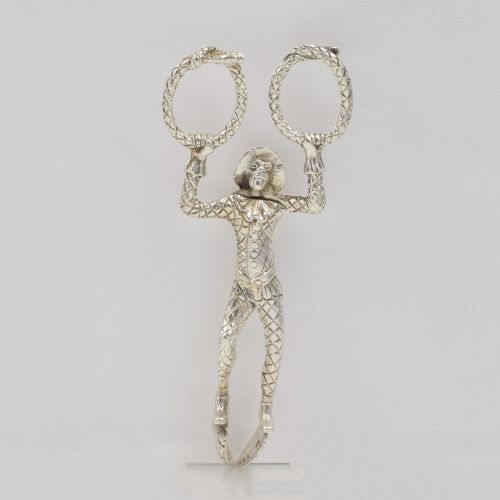
Tableware collectibles encompass functional dining items ranging from Georgian silver spoons to Victorian novelty pieces and mid-century modern utensils. These objects include cutlery, nutmeg graters, sugar tongs, spoon warmers, condiment sets, and pottery creamers.
How they were made
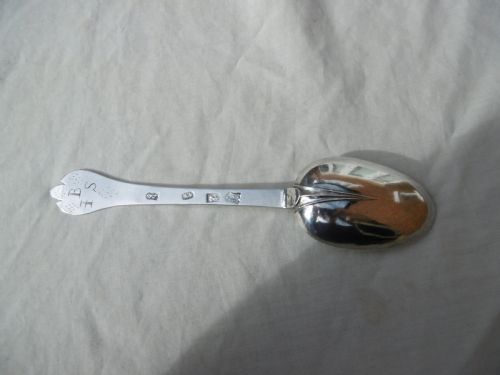
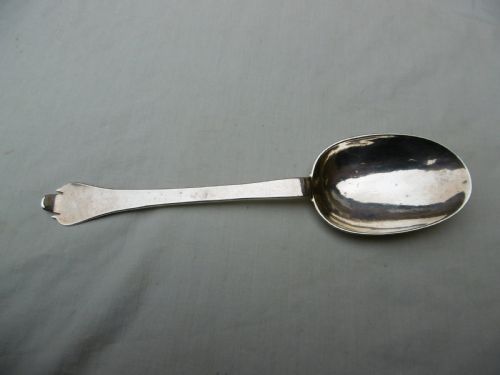
Metal items rely on traditional silversmithing techniques, shaping sterling silver, Britannia standard silver, and silver gilt into detailed forms such as trefid tablespoons and novelty animal condiment sets. Makers employed rigorous hammering and casting methods to achieve structural durability alongside fine decorative detail.
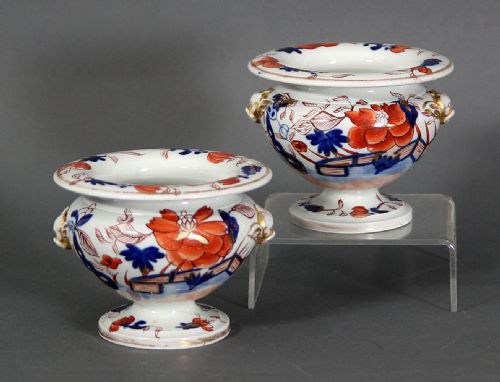
Ceramic pieces involve earthenware production, evident in ironstone china and jackfield pottery shaped into utilitarian vessels like cow creamers. Surface decoration incorporates hand-painted glazes and enamel work, particularly on mid-century commemorative and holiday spoons.
Tableware Collectibles Retail Price Guide 2026
Typical asking prices for tableware collectibles among the pieces listed under this phrase on Sellingantiques today, from the lower quarter to the upper quarter. They describe what is for sale here now, not the wider market.
Listings feature diverse materials including sterling silver, silver gilt, enamel, and ironstone pottery across periods spanning from the seventeenth to the twentieth century.
What varies in quality
Quality rests in the crispness of the maker marks and the preservation of original chasing, engraving, and surface gilding. Crisp hallmarks on seventeenth-century trefid spoons or eighteenth-century tablespoons indicate careful handling and authenticity.
The sophistication of design separates standard utilitarian items from exceptional novelty forms, such as figural harlequin monkeys or chick condiment sets. Superior examples maintain intact enamel, unblemished pottery glazes, and structurally sound ebonised wood elements.
Peter and Jonathan Bateman·Dee and Fargus·William Penstone·Benjamin Prosser·Mason
The Tableware Collectibles Glossary
- Trefid
- An early form of flatware featuring a flattened, three-lobed terminal handle popular in the seventeenth century.
- Nutmeg Grater
- A small portable pocket or table device used to grate hard spice at the dining table.
- Spoon Warmer
- A Victorian vessel designed to hold hot water, intended to warm spoons before serving soup or dessert.
- Slip Top Spoon
- An early style of spoon where the stem handle is cut off at an oblique angle, resembling a slipped stalk.
- Cow Creamer
- A ceramic or silver jug modelled in the shape of a cow, used to pour cream from its mouth.
Tableware Collectibles: Frequently Asked Questions
How were silver spoons used?
Silver spoons served everyday dining functions at the table, employed for eating broths, porridges, and various solid foods before specialised cutlery became widespread. Wealthier households utilised them to display status through fine metalwork.
Many surviving examples also functioned as personal possessions carried by individuals, or served commemorative roles during significant family and social events.
How do I identify a Georgian silver piece?
Identifying a Georgian silver piece involves examining the official hallmarks stamped into the metal, which typically indicate the standard of silver, the assay office, and the date letter corresponding to the reign of the monarch. Stylistic cues such as the weight, hand-beaten texture, and specific handle shapes also help date the item.
Consulting historical maker mark registries helps attribute the object to specific silversmiths operating during the eighteenth and early nineteenth centuries.
How should I clean antique silver tableware?
Antique silver tableware requires gentle cleaning methods using non-abrasive cloths and specialised silver polishes designed to preserve the underlying metal and historic patination. Vigorous scrubbing can wear away thin silver gilt layers or soften engraved details.
Proper storage in dry, tarnish-resistant environments helps maintain the finish between uses without the need for frequent polishing.