





Tabletop Spice Chest
A tabletop spice chest is a compact domestic container for precious flavourings, prized for bringing centuries of timber craftsmanship directly into modern rooms.
Tabletop Spice Chest
When you search for a tabletop spice chest, you encounter sturdy miniature furniture designed to sit upon surfaces and secure valuable commodities. These pieces appear across various historic eras, including Georgian, Regency, and Victorian periods.
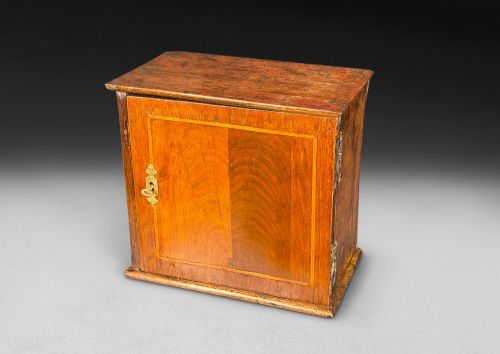
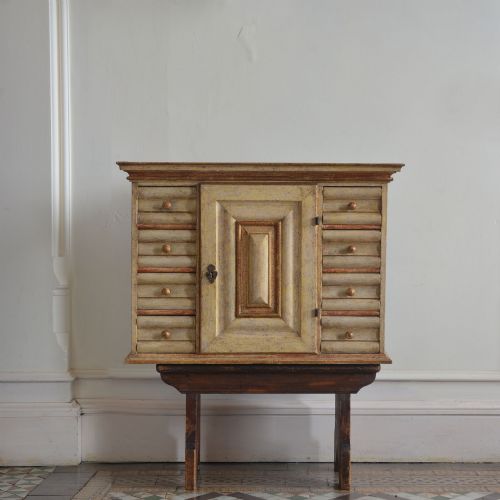
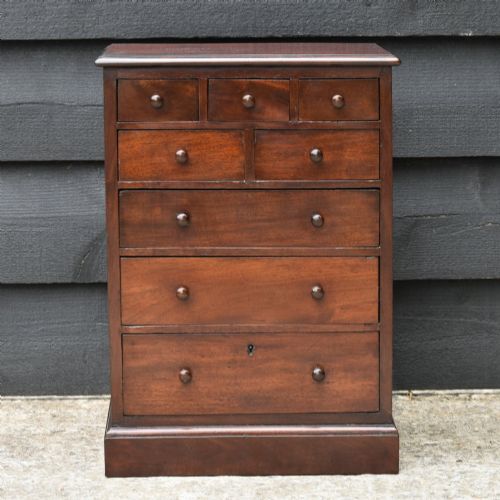
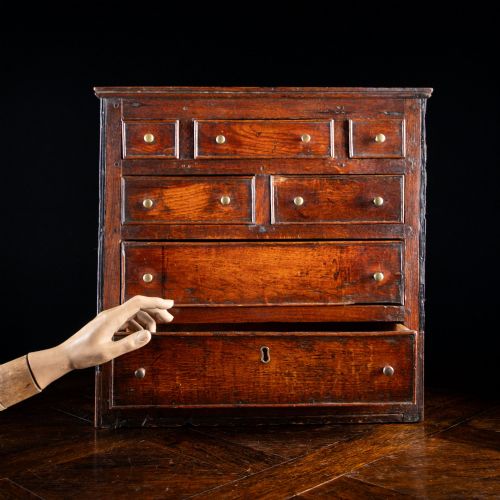
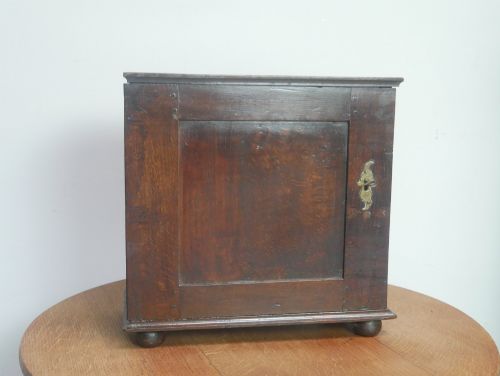
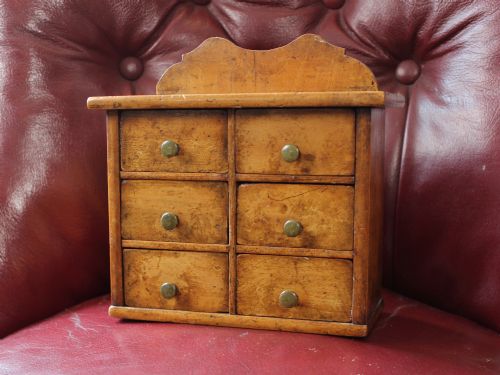
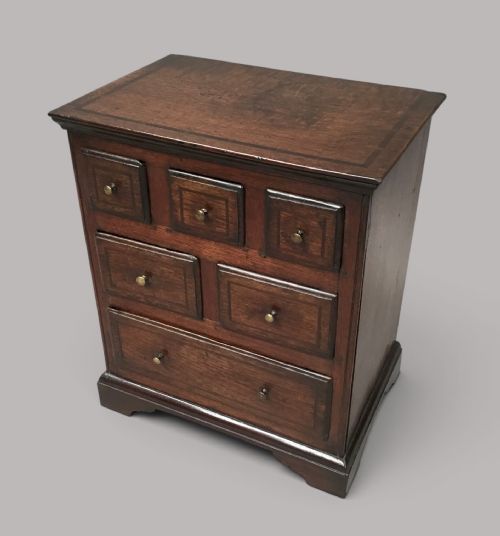
The objects take several distinct forms on this page, ranging from fitted spice cupboards with panelled doors to sets of miniature drawers and small table cabinets. Most examples originate from British traditions, reflecting the domestic habits of earlier centuries.
Oak and mahogany dominate the selection, often complemented by fruitwood, pine, burr walnut, and boxwood inlay. Each form provides practical containment on a miniature scale, translating large architectural furniture down to tabletop dimensions.
How they were made
Cabinetmakers constructed these small containers using solid hardwoods like oak and mahogany, alongside softer timbers such as pine and fruitwood. Joinery methods relied on traditional techniques suitable for miniature dimensions, ensuring structural integrity for heavy contents.
Surface decoration involved careful polishing, inlay work, and occasionally painted or carved details to enhance the natural grain of timber. Brass hinges, escutcheons, and locks were fitted to secure the doors and drawers of these compact storage pieces.
Tabletop Spice Chest Retail Price Guide 2026
Typical asking prices for tabletop spice chest among the pieces listed under this phrase on Sellingantiques today, from the lower quarter to the upper quarter. They describe what is for sale here now, not the wider market.
Apprentice joiners crammed decades of architectural ambition into these diminutive drawers, proving that big things genuinely come in small, locked packages.
What varies in quality
The distinction between standard examples and superior pieces rests on the selection of timber and the precision of the joinery. Figured woods like burr walnut or carefully matched mahogany indicate higher ambition in the workshop.
Attention to detail in the hardware, such as original brass locks and finely fitted internal drawers, elevates the standing of a piece. Finer items demonstrate harmonious proportions that mirror full-sized architectural joinery rather than appearing merely crude or rushed.
The Tabletop Spice Chest Glossary
- Miniature furniture
- Scale replicas of domestic furniture forms, often made by apprentices or as cabinetmaker samples. These items reproduce full-sized joints and proportions in miniature.
- Escutcheon
- A protective plate surrounding a keyhole, usually fashioned from brass. It prevents the timber around the lock from sustaining wear through repeated use.
- Burr walnut
- Timber taken from a growth deformation on a walnut tree, yielding highly decorative patterns. Cabinetmakers utilised thin veneers of this wood on statement surfaces.
- Apprentice piece
- An item created by a trainee craftsman to demonstrate mastery of specific woodworking skills. These objects often take the form of miniature chests of drawers.
Tabletop Spice Chest: Frequently Asked Questions
What was a tabletop spice chest used for?
These cabinets safely housed exotic and expensive culinary seasonings imported from abroad during earlier centuries. Keeping such valuable commodities under lock and key prevented theft in busy households.
Over time, owners repurposed the small drawers and compartments to store letters, trinkets, or sewing materials as domestic habits changed.
How do I date an oak spice cupboard?
Examining the construction methods, timber preparation, and hardware styles helps determine the age of an oak piece. Hand-cut joints and original iron or brass fittings often point towards eighteenth-century origins.
Later Victorian versions frequently display machine-sawn elements and different secondary woods behind the primary exterior surfaces.
Are miniature chests and spice cabinets the same thing?
While both fall under tabletop storage, miniature chests feature rows of external drawers mimicking full-sized bedroom furniture. Spice cupboards typically conceal their contents behind one or two hinged doors that open to reveal internal banks of drawers.
Both forms served similar domestic functions for storing precious small items within easy reach on a table or dresser.
Where should I place a tabletop spice chest?
These compact items sit comfortably on sideboards, desks, or mantelpieces where their timber grain and brass details can be appreciated. Stable humidity away from direct heat sources protects the old wood and historic finishes.
Positioning them at eye level allows easy access to any small drawers or lockable compartments.