

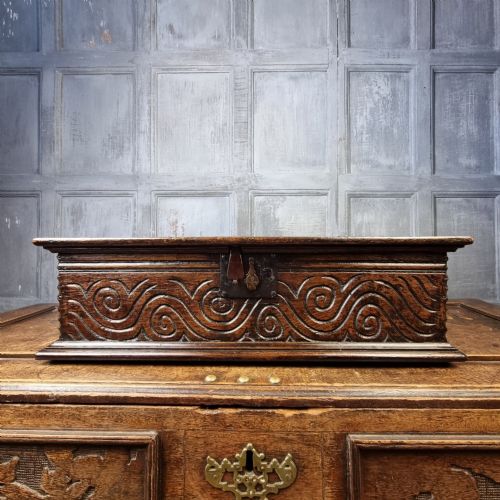


Tabletop Oak Coffer
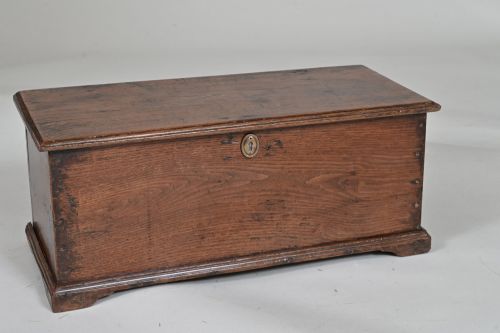
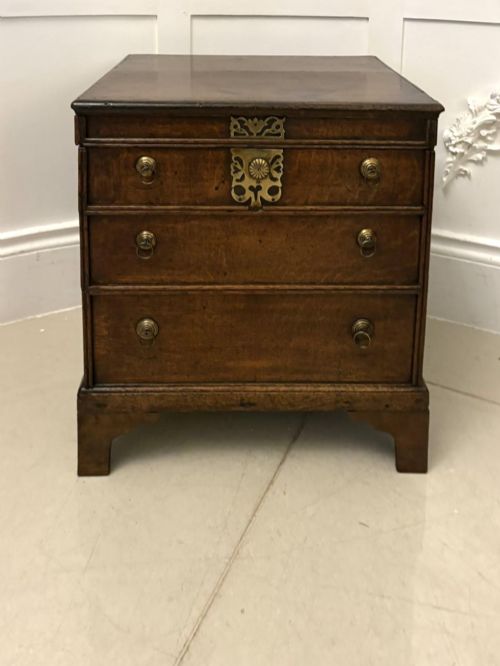
These tabletop oak coffer examples are compact miniature chests and desk boxes that offer historic storage for letters and documents.
Tabletop Oak Coffer
A tabletop oak coffer is a diminutive box or chest designed to sit upon a table, desk or surface rather than stand upon the floor. These pieces serve as practical receptacles for papers, valuables and books within domestic or ecclesiastical interiors.
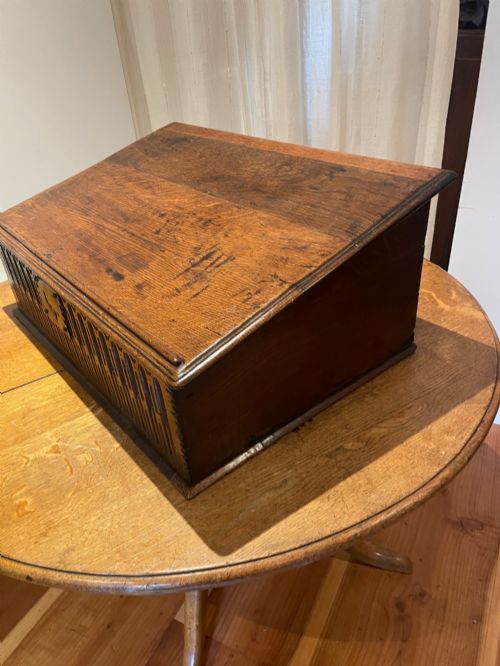
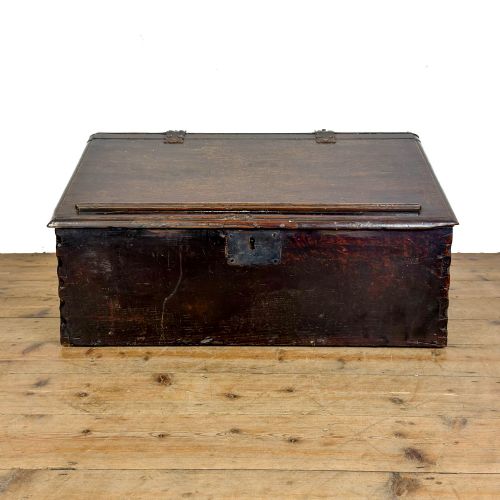
The selections on this page span several centuries, including seventeenth century items alongside eighteenth century and Georgian variants. Collectors encounter formats such as bible boxes, desk boxes, miniature chests, and Welsh coffor bach designs.
Origins stretch across English and Welsh vernacular traditions, alongside Dutch apprentice work. Buyers meet pieces bearing iron hinges and brass fittings that reflect domestic organisation of past eras.
How they were made
Makers construct these miniature coffers predominantly from solid oak timbers, utilising the natural grain and durability of the wood for longevity. Workshops employ traditional joinery methods suited to smaller domestic furniture.
Hardware elements such as brass escutcheons, hinges and iron mounts provide structural reinforcement and secure closure. These metal fixtures vary from simple utilitarian straps to decorative plates that complement the timber.
Tabletop Oak Coffer Retail Price Guide 2026
Typical asking prices for tabletop oak coffer among the pieces listed under this phrase on Sellingantiques today, from the lower quarter to the upper quarter. They describe what is for sale here now, not the wider market.
Some miniature coffers include secret compartments hidden behind tiny drawers, designed to outsmart curious household members.
What varies in quality
Quality in a tabletop oak coffer rests upon the crispness of the timber's surface patination and the integrity of the original construction. Superior examples retain their initial boards, period hardware and unaltered proportions.
Finer pieces demonstrate thoughtful joinery details and balanced domestic scale, distinguishing workshop items from cruder vernacular attempts. The preservation of the timber surface dictates the visual depth of the object.
The Tabletop Oak Coffer Glossary
- Coffor bach
- A Welsh miniature coffer or chest used historically for storing valuables or linens. These pieces frequently feature small drawer compartments beneath the main lid.
- Bible box
- A small sloped or flat-topped wooden box designed to hold a family bible or important manuscripts. They often sit upon tables in domestic or ecclesiastical settings.
- Desk box
- A portable box with a writing slope or flat lid intended for holding writing implements and letters. These containers represent early forms of portable desks.
- Vernacular furniture
- Objects built by regional craftsmen using local materials to satisfy everyday domestic requirements. This style prioritises utility and local tradition over high court fashions.
- Patina
- The surface sheen and colour developed by timber over centuries through handling, light exposure, and polishing. This visual depth indicates age and historic use.
Tabletop Oak Coffer: Frequently Asked Questions
What is a coffor bach?
A coffor bach is a small Welsh miniature coffer traditionally used for keeping personal valuables and keepsakes. These items typically feature a hinged lid and small drawers at the base.
Craftsmen built them in domestic workshops, reflecting regional vernacular styles of the eighteenth century and earlier periods.
How were bible boxes used?
Bible boxes served to protect large family bibles and important household documents from dampness and damage. Their sloped or flat lids provided a stable surface for reading.
Households placed them on sturdy tables or desks where literate family members read texts and stored writing materials inside.
How do I date an oak desk box?
Dating relies on examining the construction joints, timber preparation marks, and the style of brass or iron hardware. Seventeenth century examples often display pegged frame and panel construction.
Later eighteenth century pieces incorporate finer dovetailing and refined mouldings that reflect changing domestic woodworking practices.
Where did people keep tabletop coffers?
These small chests sat upon larger tables, sideboards, or designated desks within the main rooms of a house. Their portable nature allowed owners to move them between chambers.
In ecclesiastical contexts, similar boxes rested upon surfaces for administrative or desk duties.
Are these miniature coffers sturdy?
Solid oak construction gives these small coffers considerable structural resilience despite their diminutive scale. The use of dense hardwood protects the interior contents from impacts.
Over centuries, joints may require careful maintenance by conservators to preserve their daily utility.