





Table Clock with Strike
A table clock with strike brings mechanical voice and purposeful architecture to a room, exactly as these timepieces have done for centuries.
Table Clock with Strike
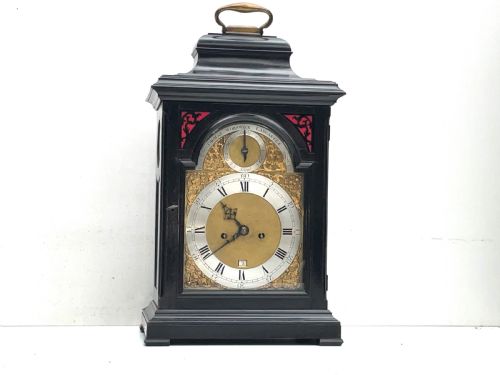
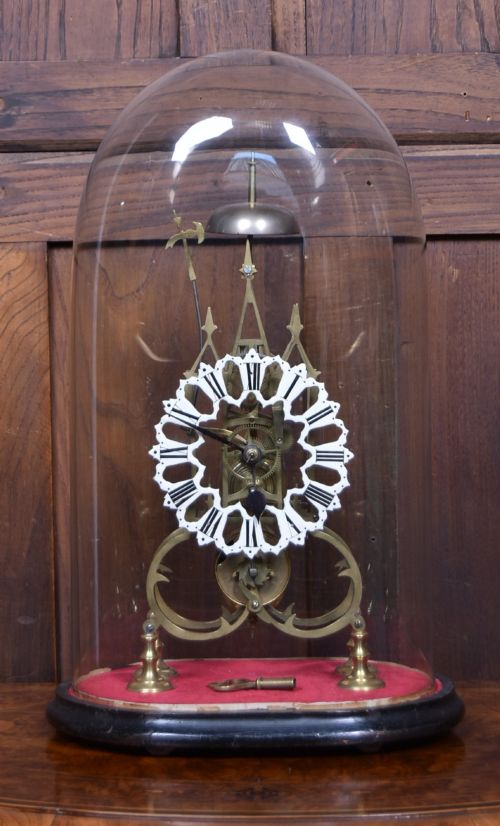
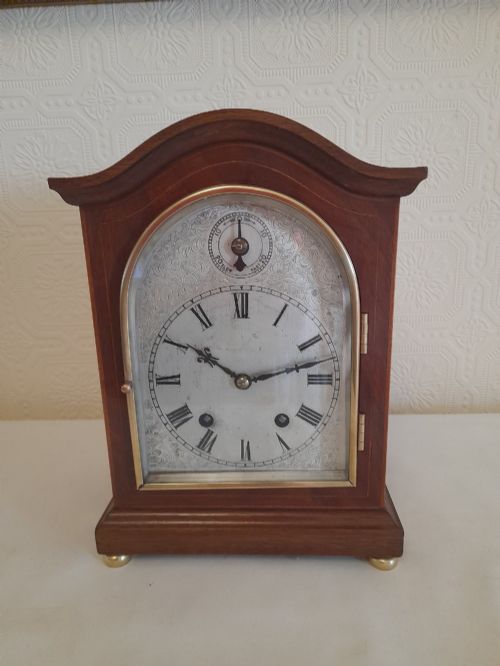
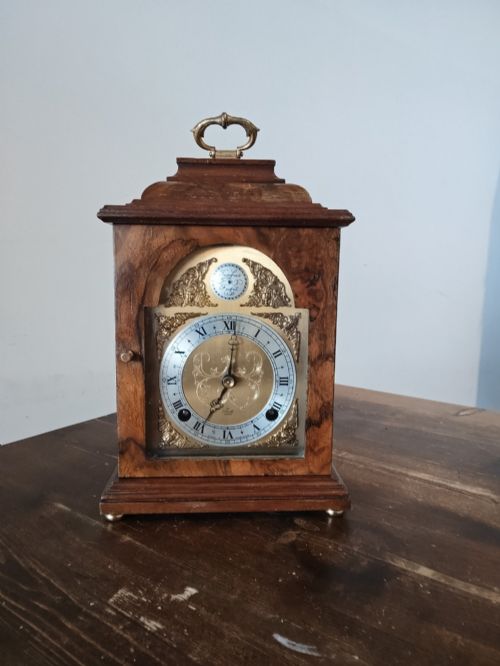
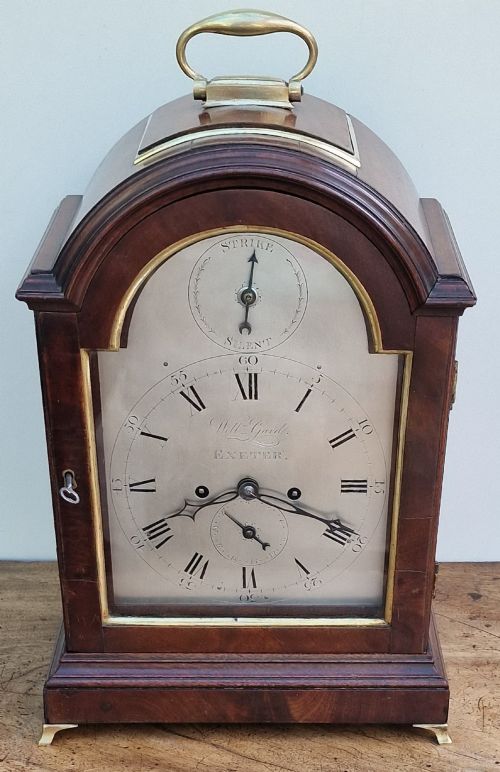
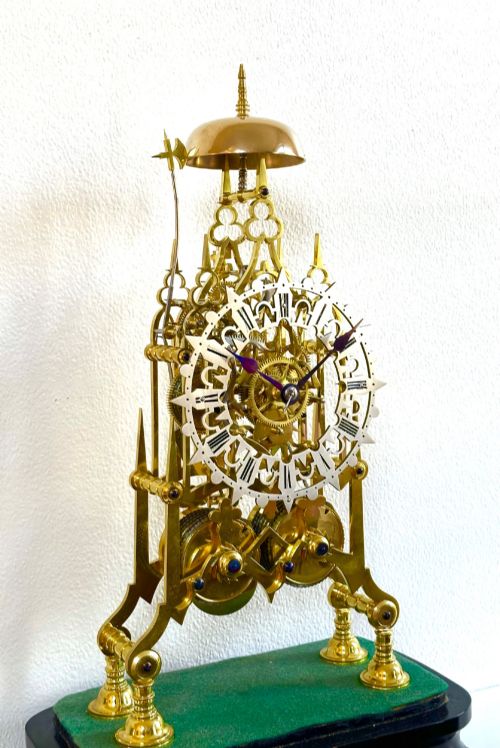
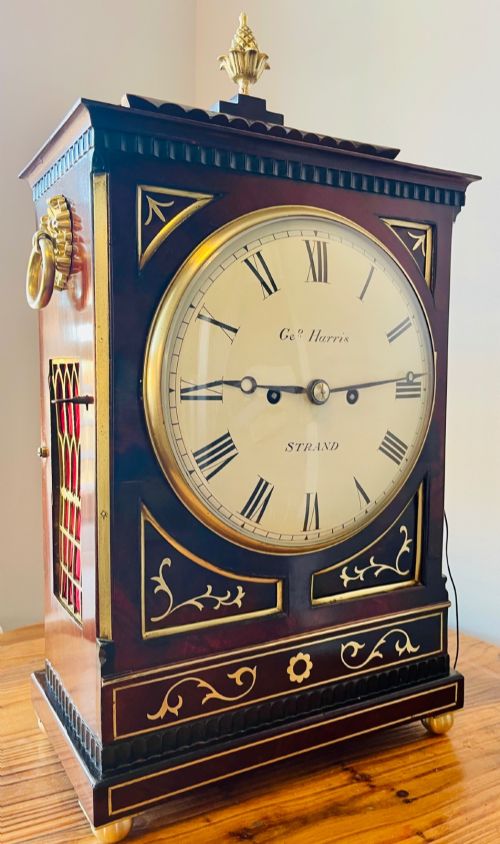
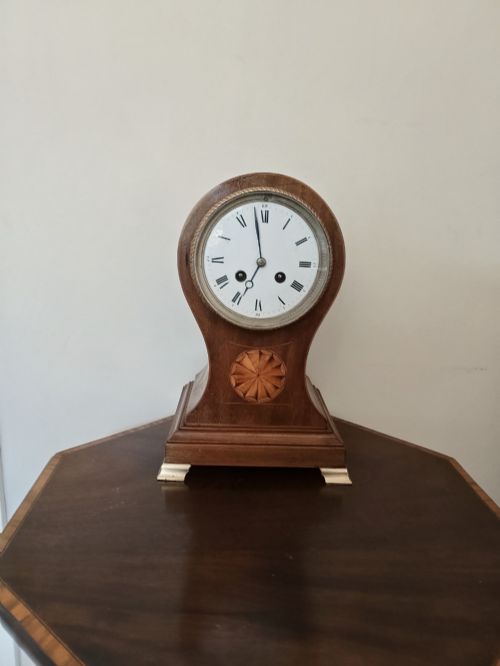
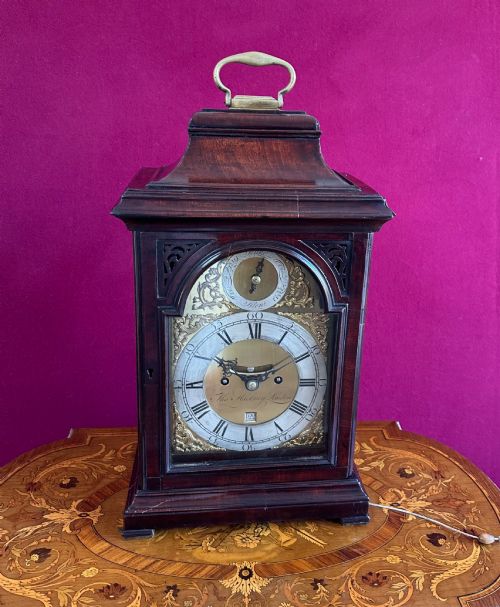
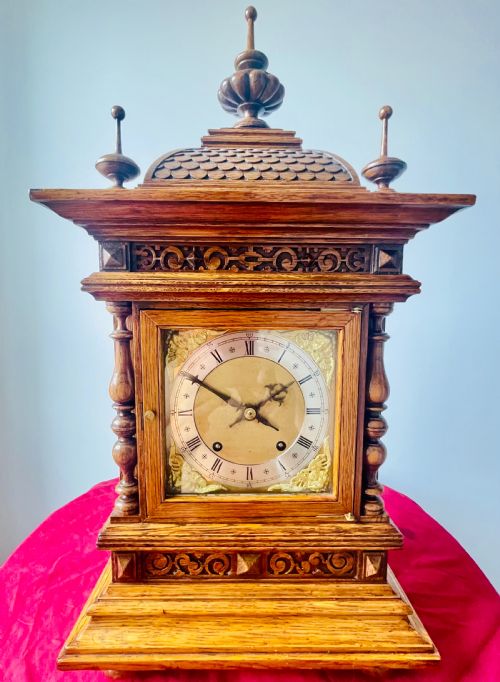
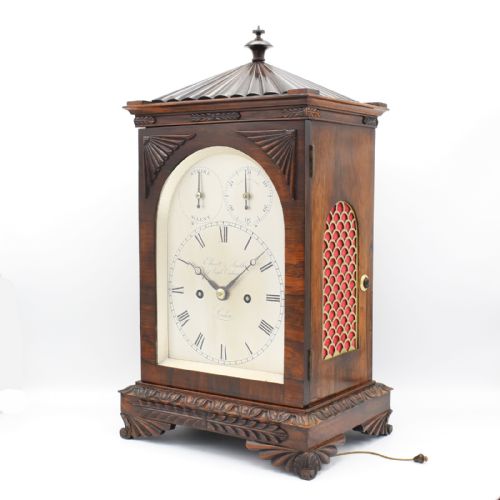
A table clock with strike unites domestic timekeeping with audible bell or gong signals, marking the passing hours in a room. You will encounter everything from substantial mahogany bracket clocks to portable French carriage clocks and exposed skeleton movements.
The selections span the eighteenth century through to the early twentieth century, showing Georgian London craftsmanship alongside Victorian and French empire styles. Mahogany bracket clocks and brass carriage clocks dominate the forms you see on this page.
Makers such as John Taylor, James Smith, and J. F. Bautte Et Cie represent the horological ambition found within these pieces. Whether housed in glass domes, ebonised wood, or red and gold lacquer, each example delivers mechanical utility alongside decorative presence.
What varies in quality
The refinement of the movement sets the standard, separating basic timepieces from examples with complex striking trains, alarm systems, and quarter repeating functions. Higher tier pieces demonstrate superior mechanical execution by established London and continental makers.
Case materials and decorative execution dictate visual distinction, from simple timber boxes to elaborate ormolu mounts, Sevres style panels, and bell top cases. The integration of fine joinery, lacquerwork, and crisp dial engraving marks the upper tier of production.
Table Clock with Strike Retail Price Guide 2026
Typical asking prices for table clock with strike among the pieces listed under this phrase on Sellingantiques today, from the lower quarter to the upper quarter. They describe what is for sale here now, not the wider market.
The listings on this page span the eighteenth, nineteenth, and early twentieth centuries, featuring materials from mahogany and ebonised wood to gilt bronze and enamel.
J. F. Bautte Et Cie·John Taylor·James Smith·Chater & Son·Robert Higgs·Joseph Lum·Henri Jacot
The Table Clock with Strike Glossary
- Bracket clock
- A portable spring driven clock originally designed to sit on a wall bracket. They commonly feature wooden cases with carrying handles and striking movements.
- Carriage clock
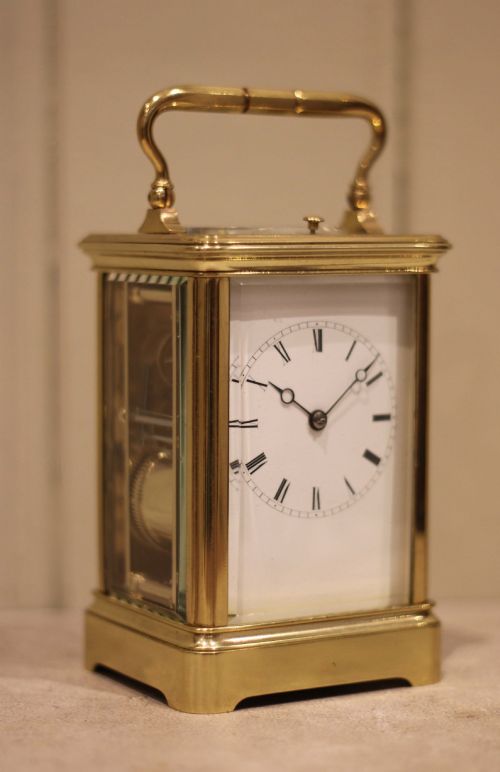
- A small, spring driven brass clock with a glass panelled case and a folding handle, made for travel. Many incorporate alarm and striking complications.
- Fusee
- A conical pulley connected to the mainspring by a chain or cord, designed to equalise the torque as the spring unwinds. This mechanism improves timekeeping consistency.
- Striking movement
- A clock mechanism that chimes the hours on a bell or gong. More complex versions include passing strikes or repeat functions.
- Sonnerie
- A striking train that sounds the hours and quarters automatically as they pass. Grand sonnerie mechanisms strike both the hours and the current quarter at every quarter hour.
Table Clock with Strike: Frequently Asked Questions
What is a striking table clock?
A striking table clock is a mechanical timepiece designed for domestic interiors that sounds bells or gongs to mark the hours or fractions of hours. These pieces range from substantial wooden bracket clocks to portable brass carriage designs.
Such clocks combine precision engineering with decorative cabinetry, serving as both functional timekeepers and sculptural objects for mantelpieces or tables.
How do fusee movements work?
A fusee movement uses a conical pulley connected to the mainspring via a fine chain to maintain even power delivery as the spring unwinds. This ingenious device compensates for the dropping tension of the spring.
Found in many English bracket clocks, this mechanism helps ensure consistent accuracy across the running duration of the clock.
Where should I place a bracket clock?
Bracket clocks suit sturdy horizontal surfaces such as sideboards, mantelpieces, or dedicated wall brackets where their architectural cases can be admired. Positioning them away from direct sunlight and drafts preserves the historic wood and metal finishes.
Ensure the surface is completely level so the pendulum or balance wheel maintains an even beat.
How do I identify a carriage clock?
Carriage clocks are characterised by their brass frames, bevelled glass panels, and a swinging handle on top for portability. They typically house spring driven platforms rather than pendulums.
Many examples feature additional complications like alarm mechanisms and striking or repeating functions housed within compact glazed cases.