



System Cane Concealed Weapon
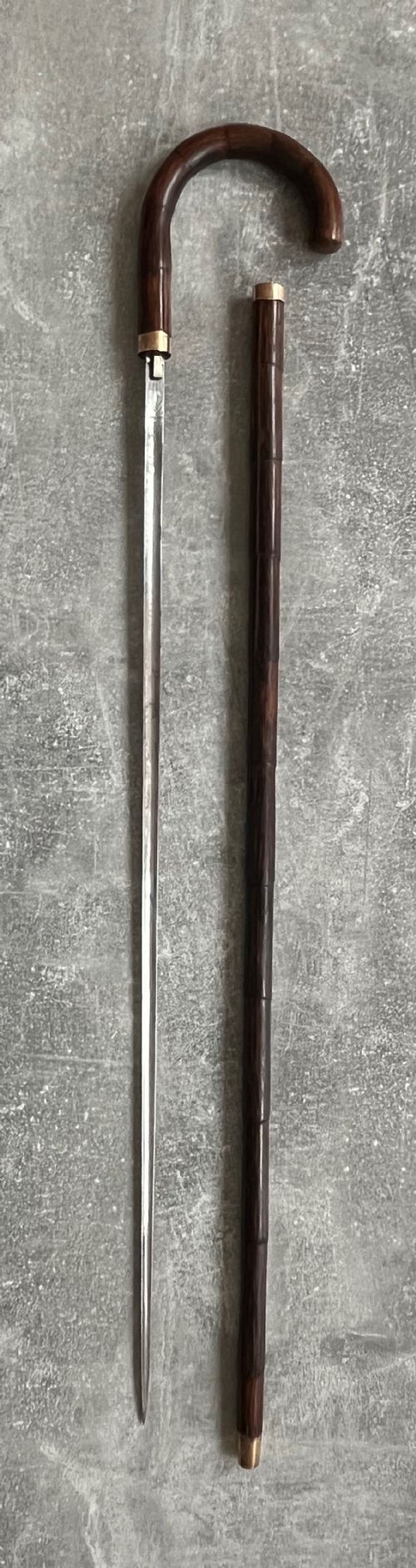
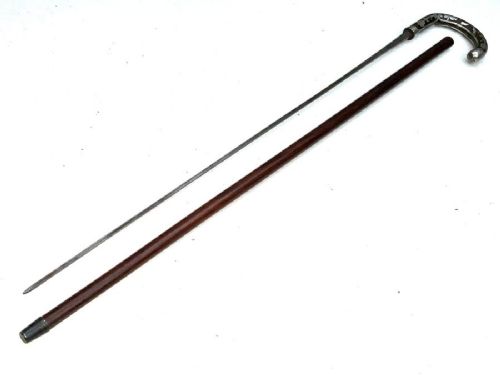
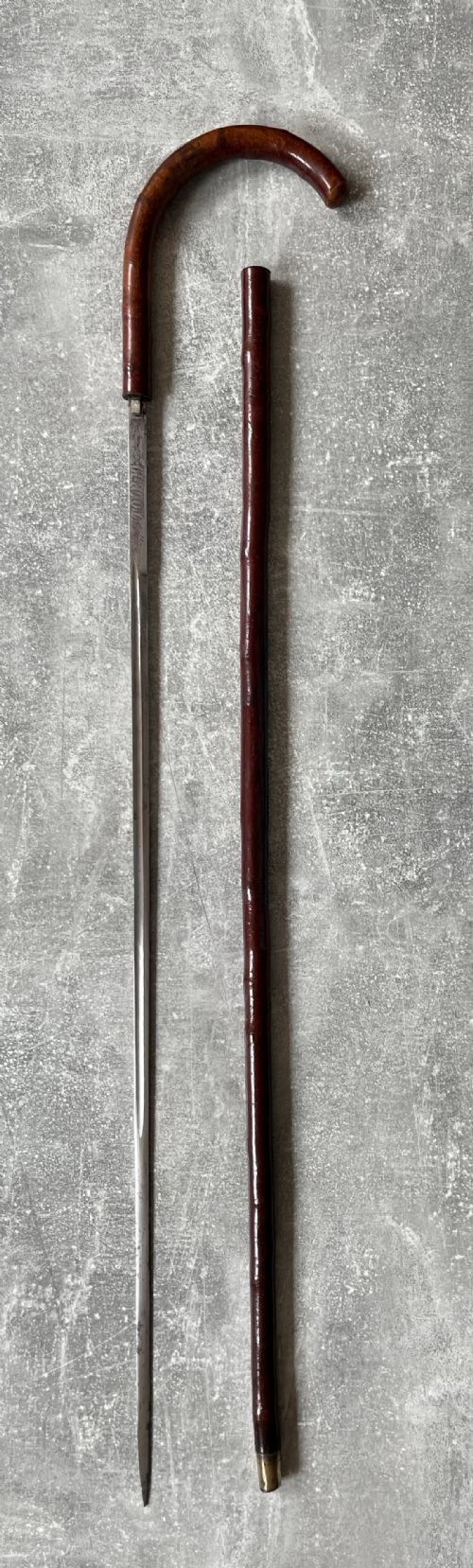
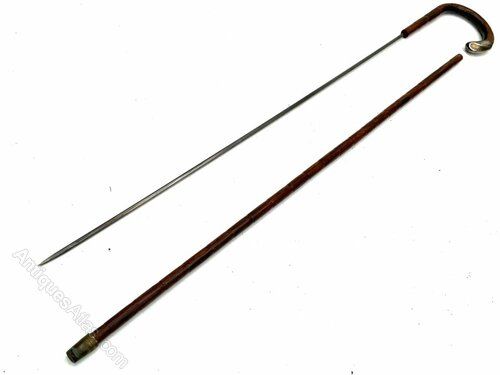
A system cane concealed weapon is a discrete defence tool disguised as a walking stick, combining everyday gentlemans accessories with hidden blades.
System Cane Concealed Weapon
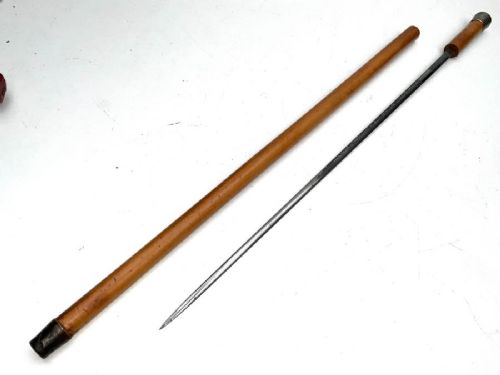
When you search for system cane concealed weapon options, you encounter walking sticks and canes equipped with hidden blades from the Victorian, Edwardian, and nineteenth century periods. These items range from simple wood shafts to decorated examples featuring metal mounts and specialised handles.
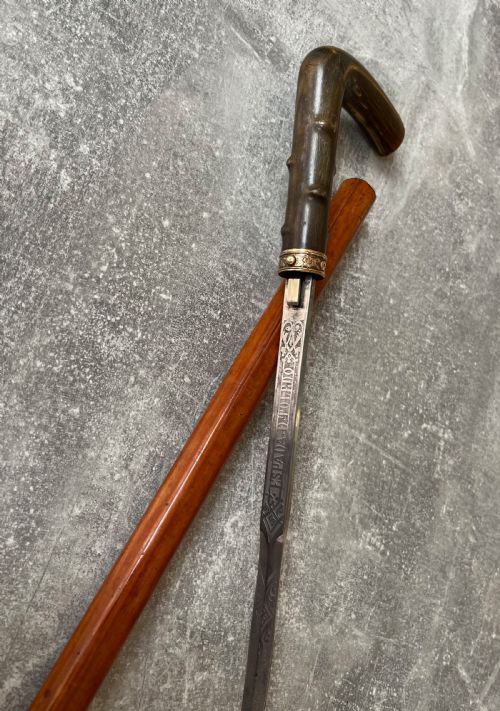
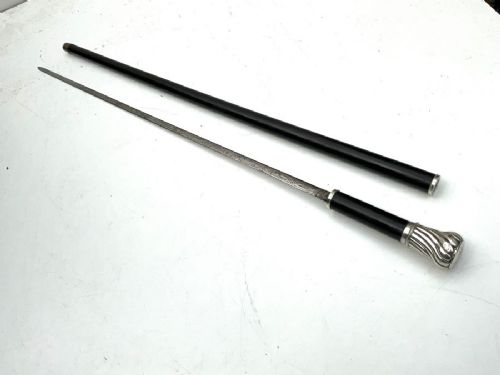
The most common versions on this page are sword sticks fashioned from malacca, bamboo, cherrywood, partridge wood, and ebonised wood. They include handle variations such as crook shapes, root balls, hammer head grips, and horn or antler tops.
Materials and construction
Shafts are turned from natural woods or fashioned from malacca and bamboo, fitted with button release mechanisms to secure the blade within. Metal components include brass, silver mounts and collars, and steel for the interior blades.
Blades are forged from steel, sometimes featuring etched Toledo patterns or bearing maker marks such as Wilkinson. Exterior finishes occasionally incorporate horn handles or haft coverings in snakeskin.
Periods represented span from the 1870s through the Edwardian era, with Victorian examples predominating.
Factors that define quality
Quality rests upon the precision of the locking mechanism and button release, ensuring the blade seats firmly inside the shaft without rattle. Finer examples display superior metalwork, hallmarked silver collars, and well-fitted horn or antler handles.
The choice of material and blade origin also influence standard, with marked blades from Toledo or makers like Wilkinson sitting above standard utility pieces. The execution of decorative elements like silver mounts and root ended handles separates standard items from superior specimens.
BRIGG·Wilkinson
The System Cane Concealed Weapon Glossary
- Toledo blade
- A steel blade originating from Toledo, known for traditional metalworking skill. These blades often feature etched details.
- Malacca
- A type of rattan cane recognised by its mottled brown finish and distinct joints, widely utilised for walking sticks.
- Collar
- A metal band fitted around the upper shaft of a cane, frequently rendered in silver or gold coloured metal.
- Root ball handle
- A natural handle formed from the root end of a timber branch, retained for its knobby texture.
System Cane Concealed Weapon: Frequently Asked Questions
What is a system cane concealed weapon?
A system cane concealed weapon is a walking stick designed to house a hidden blade, functioning as both a walking aid and a defensive implement.
These pieces were popular among gentlemen during the nineteenth and early twentieth centuries for personal protection during travel.
How do you release the blade?
Most examples utilise a mechanical button release located near the handle collar to unlatch the internal blade from the shaft.
Pressing this button allows the user to draw the concealed sword smoothly from its wooden housing.
What woods are used for shafts?
Shafts are constructed from natural materials including malacca, bamboo, cherrywood, partridge wood, chestnut, and ebonised wood.
Some pieces feature specialised coverings such as snakeskin over the haft, paired with handles made from horn or antler.
How do you date these pieces?
Dating relies on stylistic markers, hallmarks on silver mounts, and the specific construction techniques associated with the Victorian and Edwardian eras.
English silver mounts often bear assay office marks and date letters that pinpoint the exact year of manufacture.