



Swivelling Bedroom Mirror
A swivelling bedroom mirror is a pivoting glass used for grooming and reflection, bringing functional utility and period elegance to any interior space.
Swivelling Bedroom Mirror
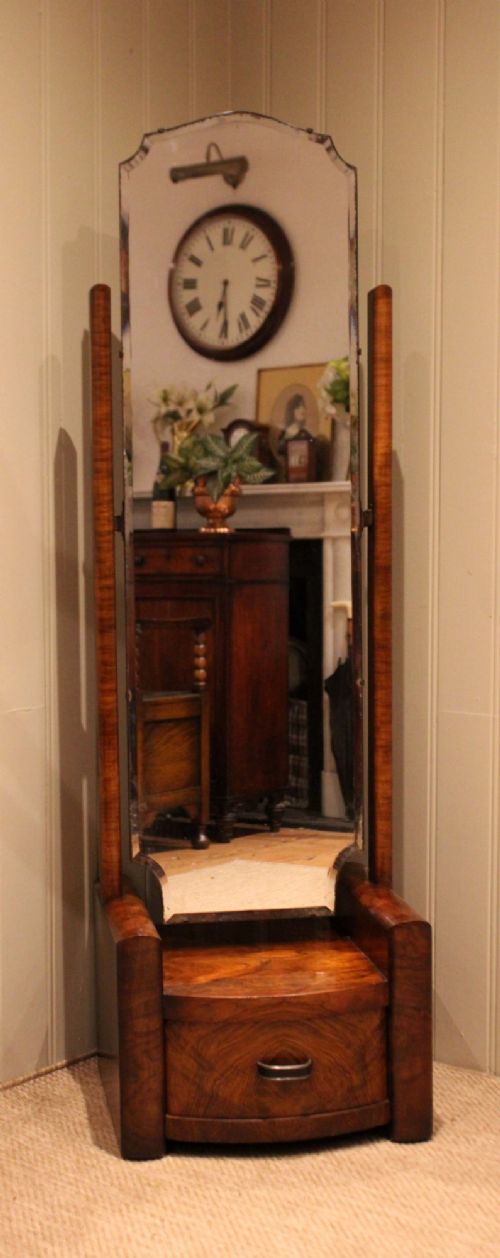
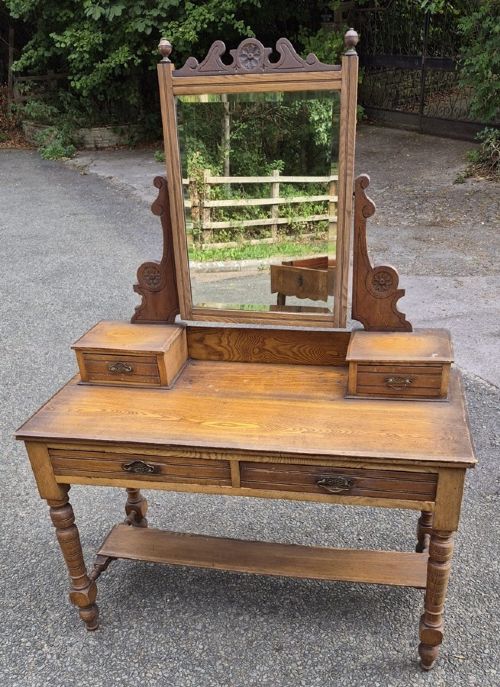
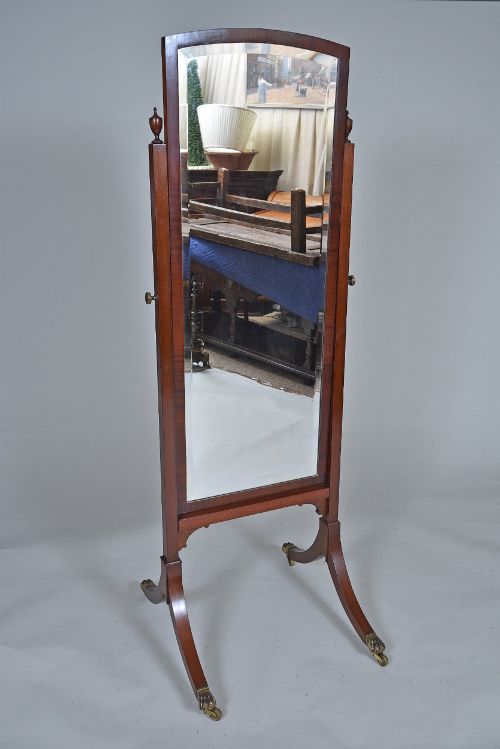
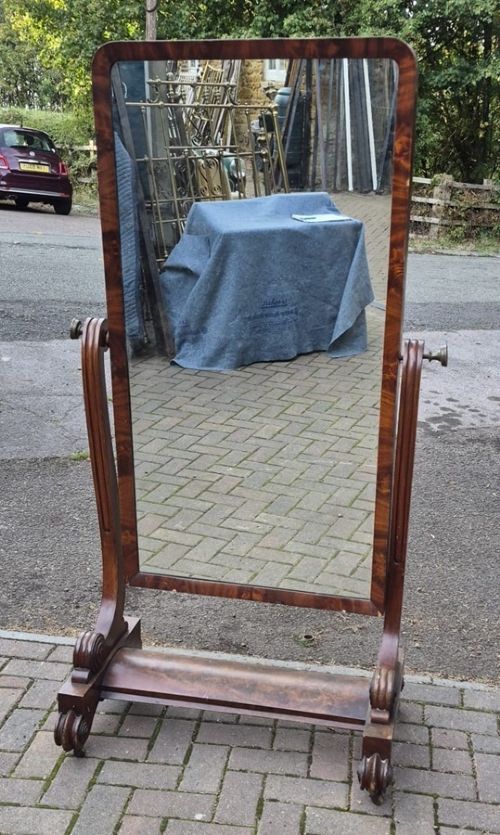
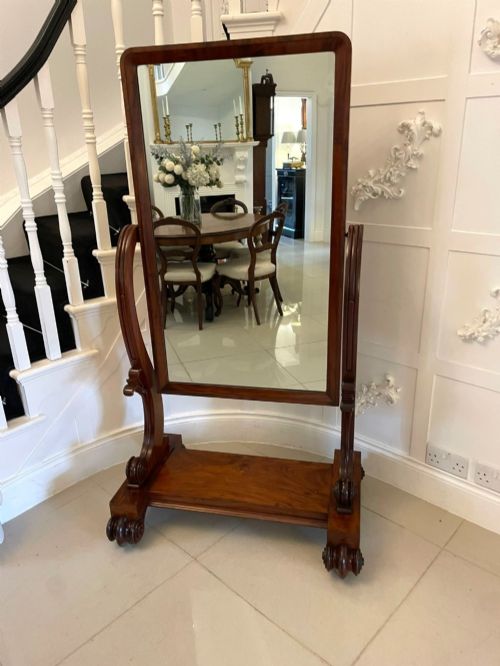
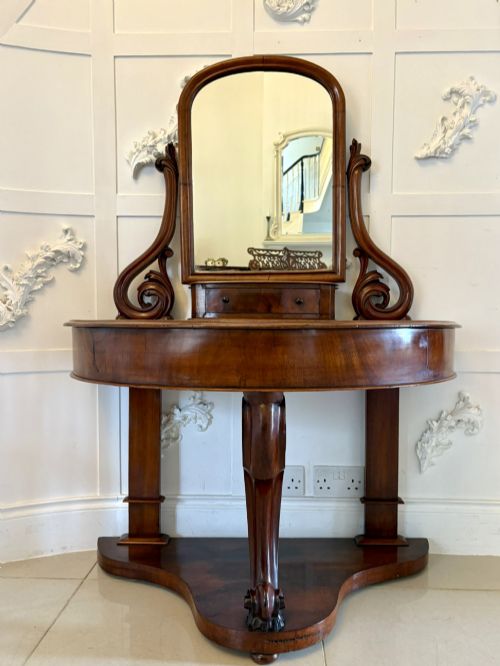
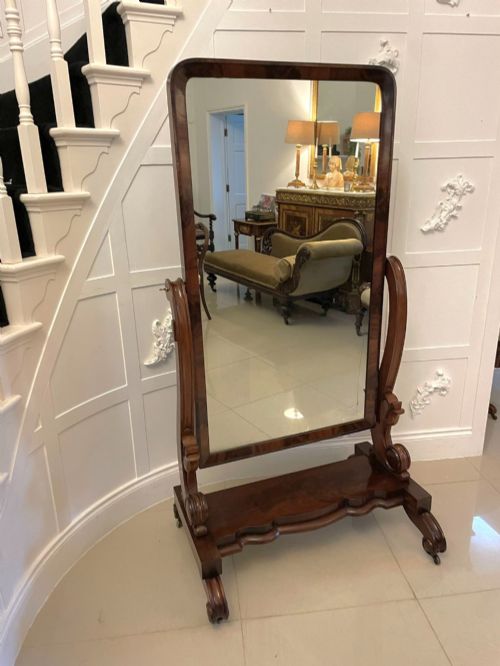
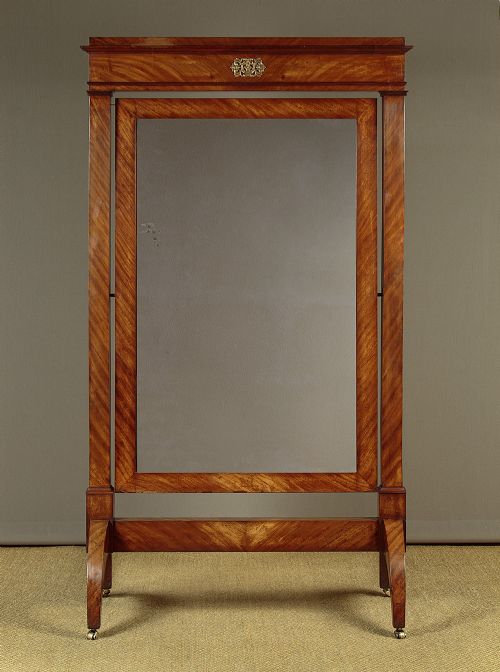
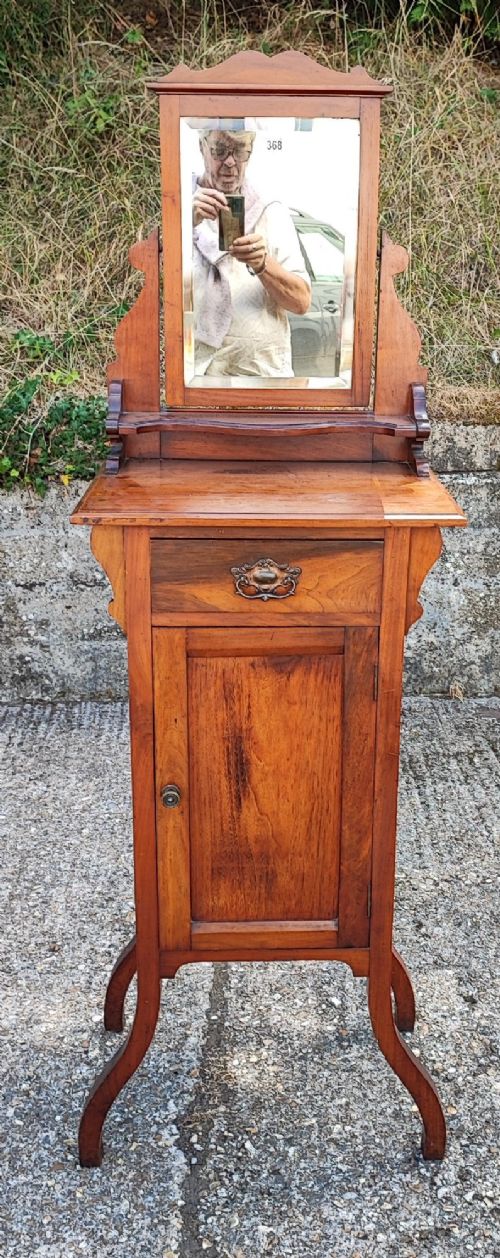
A swivelling bedroom mirror is primarily encountered in forms such as cheval mirrors, swing mirrors, and toilet mirrors designed for dressing tables. These pivoting pieces span the Victorian and Edwardian eras, alongside earlier Georgian and 18th-century French iterations.
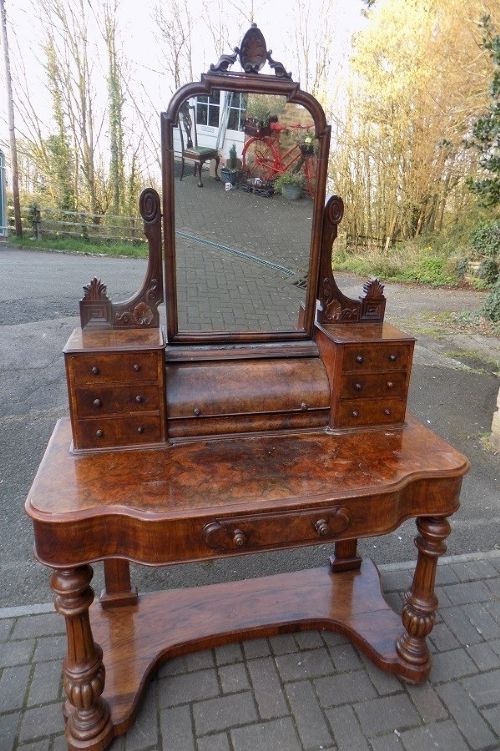
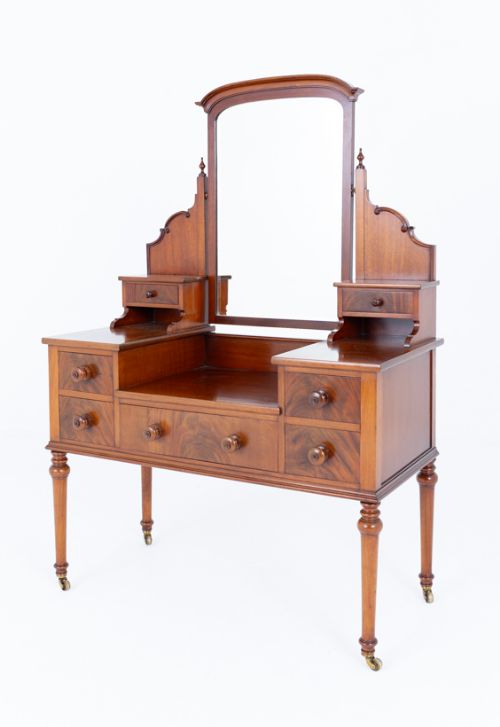
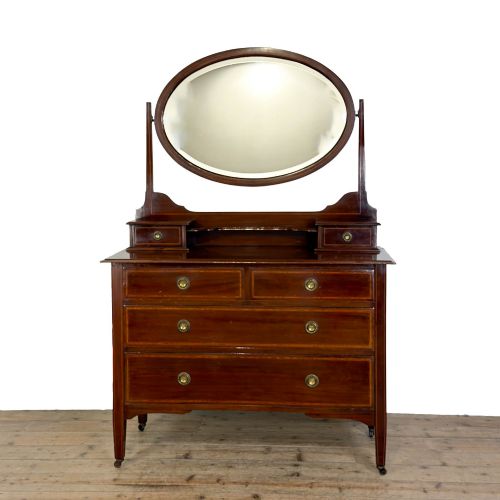
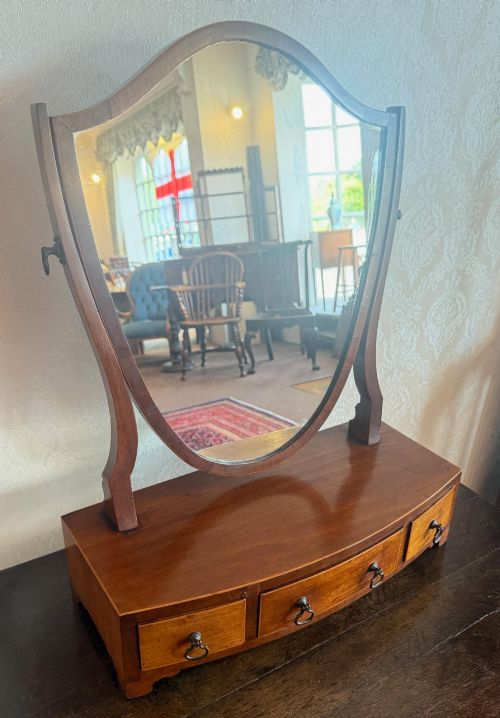
The selections on this page highlight mahogany and burr walnut constructions, often integrated into larger dressing tables or standing as tall cheval frames. Buyers typically encounter upright floor-standing versions and smaller table-top toilet mirrors meant for chests and dressing surfaces.
Materials and construction
Cabinet makers utilised dense timbers such as mahogany, walnut, and satinwood to build the frames and support structures for these pivoting glasses. Brass brackets, pivots, and screws allow the glass frame to tilt securely to the desired angle.
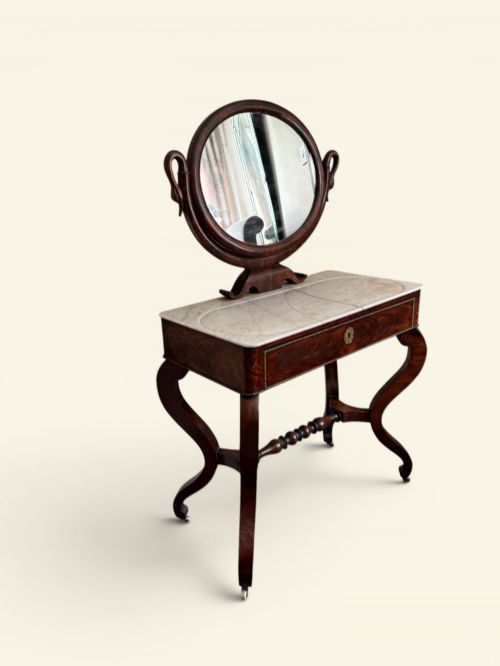
Glass mirrors are fitted into carved or moulded wooden surrounds, sometimes accompanied by marble tops on dressing table bases. Joinery methods of the period ensure the upright supports firmly bear the weight of the swivelling plate.
Swivelling Bedroom Mirror Retail Price Guide 2026
Typical asking prices for swivelling bedroom mirror among the pieces listed under this phrase on Sellingantiques today, from the lower quarter to the upper quarter. They describe what is for sale here now, not the wider market.
Materials recorded across the inventory include mahogany, burr walnut, satinwood, oak, pine, marble, and brass.
Distinctions in quality
Quality rests in the selection of timber figures, such as burr walnut grain or rich mahogany patination, alongside the crispness of any carved wooden details. Superior examples maintain original mirror glass and robust brass pivot hardware that holds the frame firmly without slipping.
Proportion and structural integrity distinguish finer pieces from standard utilitarian items, particularly in the balance of the supporting standards and the weight of the base. Cabinet work on the accompanying dressing tables or floor stands reveals the standard of the maker's workshop.
The Swivelling Bedroom Mirror Glossary
- Cheval mirror
- A tall floor-standing swivelling mirror designed for full-length viewing. These large frames pivot within vertical side supports.
- Swing mirror
- A smaller pivoting glass mounted on a stand or desktop base. It allows the user to adjust the viewing angle for grooming.
- Toilet mirror
- A traditional term for a dressing mirror designed to sit atop a table or chest of drawers. They often incorporate small storage drawers in the base.
- Burr walnut
- A prized timber veneer showing intricate, swirling grain patterns formed from tree growths. It was frequently applied to high-end Victorian furniture.
- Duchess dressing table
- A grand dressing table style featuring a large swivelling mirror attached to an arrangement of small drawers and a central surface.
Swivelling Bedroom Mirror: Frequently Asked Questions
How do I clean an antique mirror glass?
Use a soft cloth and a gentle glass cleaner applied to the cloth rather than directly onto the glass. This prevents moisture from seeping behind the silvering or into the wooden rabbet.
Avoid harsh chemicals or abrasive pads that can scratch the aged surface or damage the surrounding wooden frame.
Can I tighten a loose swivelling mirror?
Most pivoting mirrors rely on tension screws, nuts, or threaded brass pivot pins set into the side posts. Adjusting these fixings usually restores the friction needed to hold the glass in position.
Take care not to over-tighten, as this can stress the wooden frame or damage the metal threads.
Where should I place a cheval mirror?
Position the freestanding mirror in a bedroom or dressing area where it receives adequate natural light for full-length viewing. Ensure the floor is level so the heavy frame remains stable on its feet.
Keep the piece away from direct sunlight and damp walls to protect the timber and the antique mirror backing.
How do I identify a Victorian dressing mirror?
Look for dense timbers like mahogany or walnut, traditional hand-cut joinery, and heavy brass pivot hardware. Victorian examples often feature scroll-carved supports or integrated jewellery drawers.
Examine the backboards and fixings for signs of period construction methods consistent with the nineteenth century.