
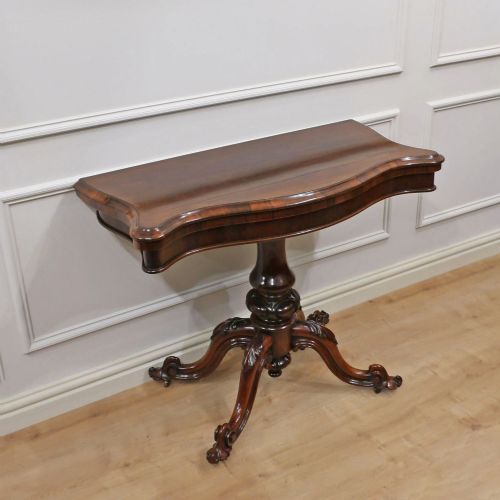
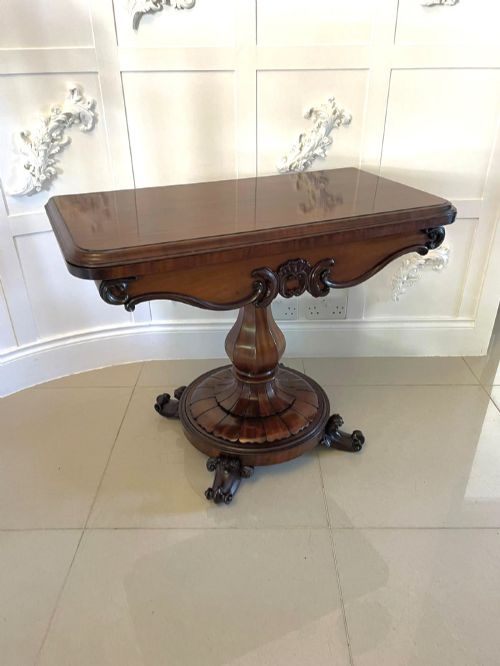
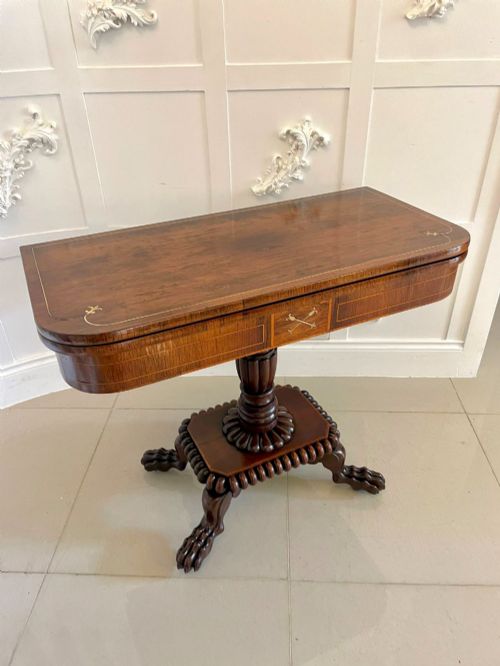
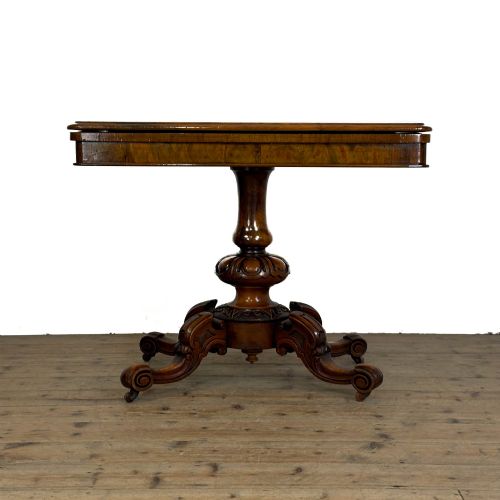
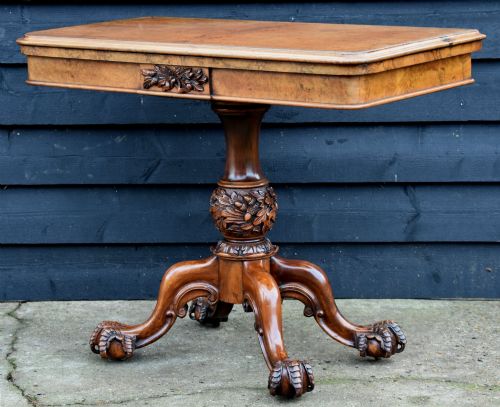
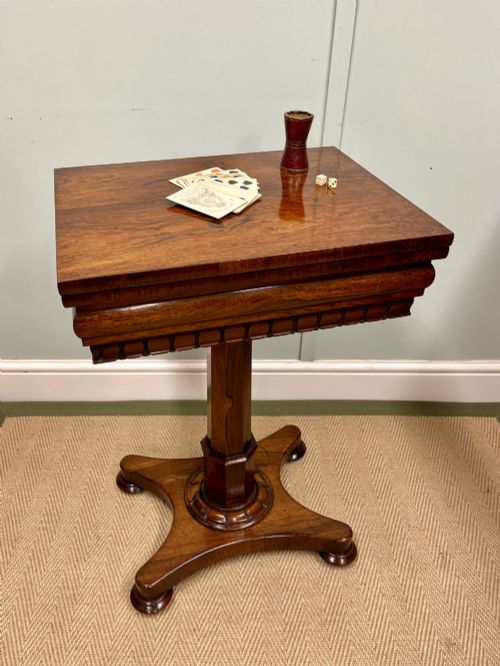
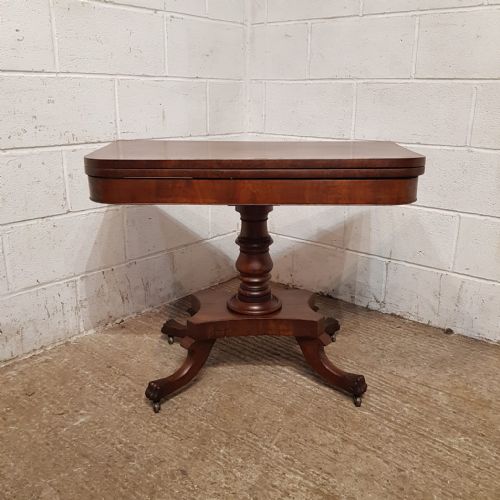
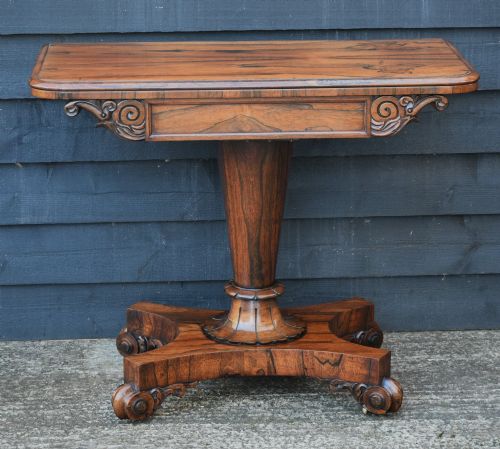

Swivel Top Pedestal
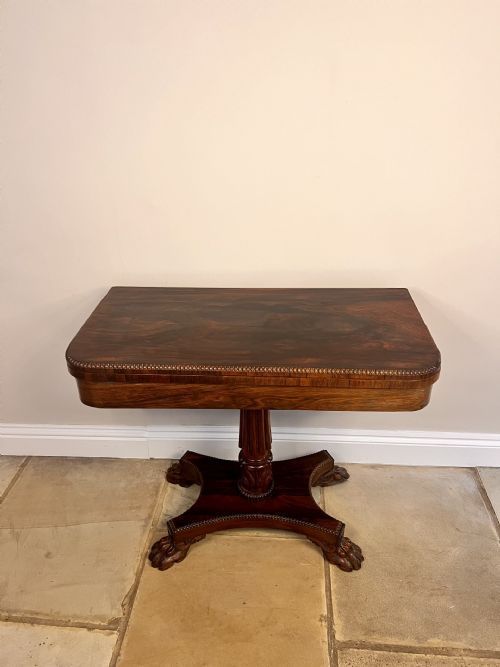
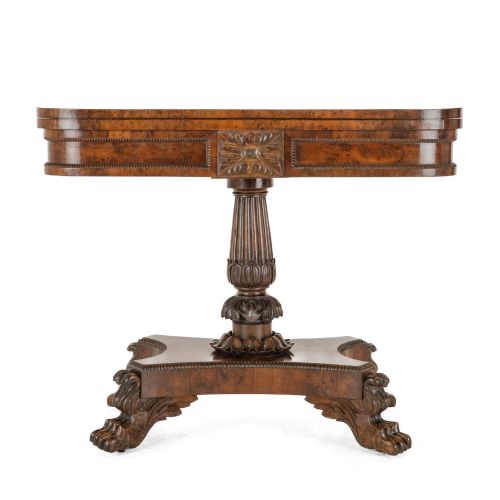
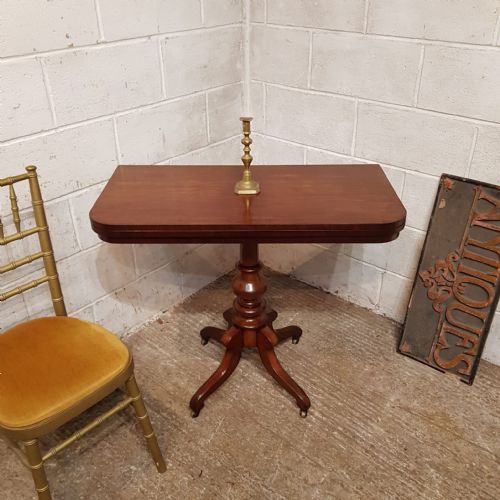
A swivel top pedestal is a clever piece of historical furniture designed to pivot open for card playing, tea, or writing.
Swivel Top Pedestal
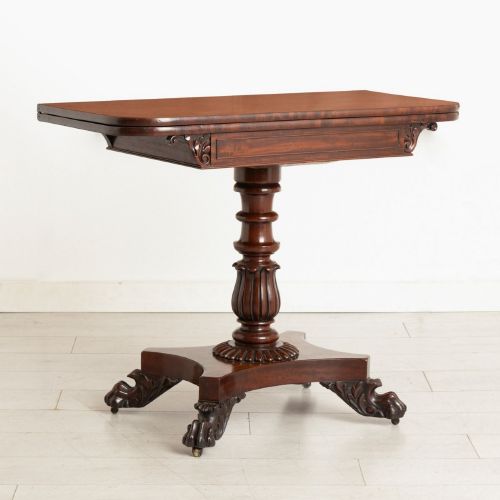
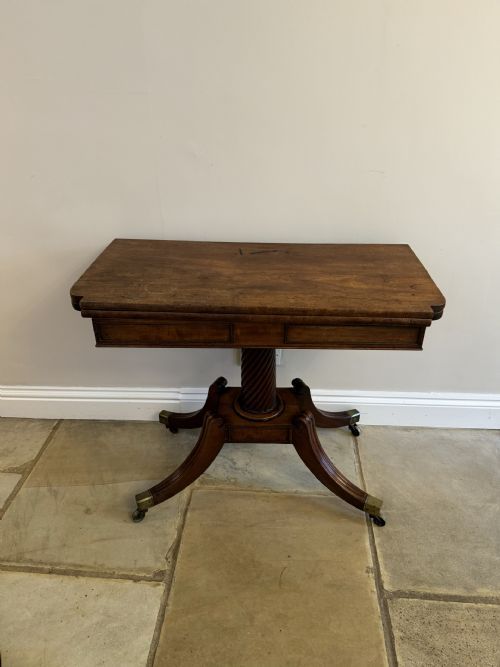
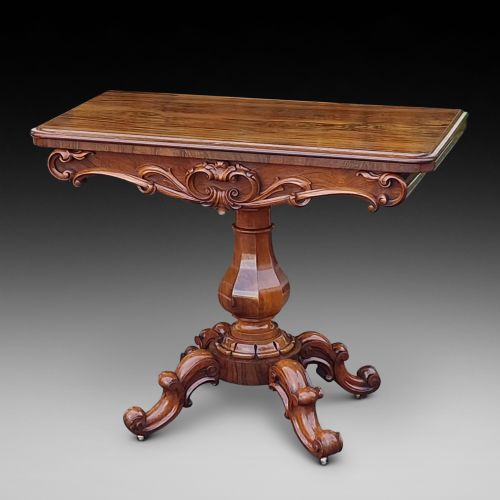
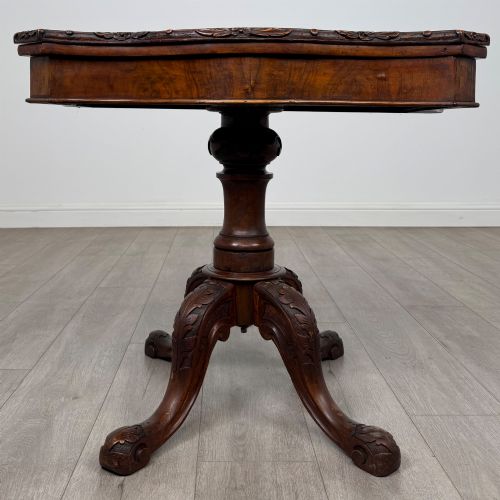
A swivel top pedestal is most commonly encountered as a card table, games table, or tea table dating from the Georgian, Regency, William IV, and Victorian periods.
These pieces typically feature a hinged top that folds over and rotates on a central column, supported by a platform base or pedestal foot.
Makers of the nineteenth century utilised this clever mechanism to transform compact console or side tables into full-sized gaming or serving surfaces.
Materials and construction methods
Cabinetmakers constructed these tables using dense timbers such as mahogany and rosewood, often applying figured walnut veneer, burr walnut, or burr yew to the prominent surfaces.
The interior playing surfaces of card and games tables were frequently lined with baize, providing a soft texture for handling cards.
Brass inlay and intricate carved wooden details were regularly applied to enrich the Regency and Victorian aesthetic.
Distinctions in craftsmanship
Quality in a swivel top pedestal rests upon the integrity of the pivoting mechanism and how snugly the folding leaves align when closed.
Finer examples display superior timber selection, such as highly figured walnut veneer or richly grained rosewood, matched across the fold-over top.
The weight and stability of the central pedestal and its base separate utilitarian pieces from those commissioned for grander drawing rooms.
The Swivel Top Pedestal Glossary
- Swivel top
- A table top designed to rotate horizontally on its central pedestal so that the folded leaf can be supported when opened.
- Foldover
- A hinged top surface that opens like a book to double the available area for cards, games, or tea.
- Baize
- A coarse woolen material used to line the playing surface of antique card and games tables.
- Demilune
- A half-moon shape commonly seen in the design of Victorian and Regency card table tops.
- Figured walnut
- Wood veneer marked with attractive natural patterns and grain variations, highly prized by nineteenth-century cabinetmakers.
Swivel Top Pedestal: Frequently Asked Questions
How do you open a swivel top pedestal table?
To open the table, you gently lift the upper leaf slightly to clear any locking peg or pivot catch, then rotate the top ninety degrees on its central column.
Once rotated so it rests across the pedestal base, the hinged leaf unfolds flat to create a stable surface for games or tea.
What were these tables originally used for?
These versatile tables served multiple social functions in nineteenth-century homes, functioning as modest console or side tables against a wall during the day.
When guests arrived, they were pivoted and unfolded to accommodate card games, tea service, or general parlor gatherings.
How do I date a Victorian swivel top table?
Dating relies on examining the timber species, decorative motifs, and structural form recorded across periods like Regency and Victorian.
Early pieces often favour mahogany and brass inlay, while later Victorian examples frequently showcase figured walnut veneer and carved serpentine edges.
Can I use a swivel top pedestal for everyday dining?
While the folding mechanism provides a generous surface area, these tables were built primarily for parlor games, tea, or occasional use rather than heavy daily dining.
The hinge and pivot mechanism requires gentle handling to preserve the antique construction.