



Swiss Wood Table
These swiss wood table examples bring deep alpine carving and rich walnut or linden timber straight into a room.
Swiss Wood Table
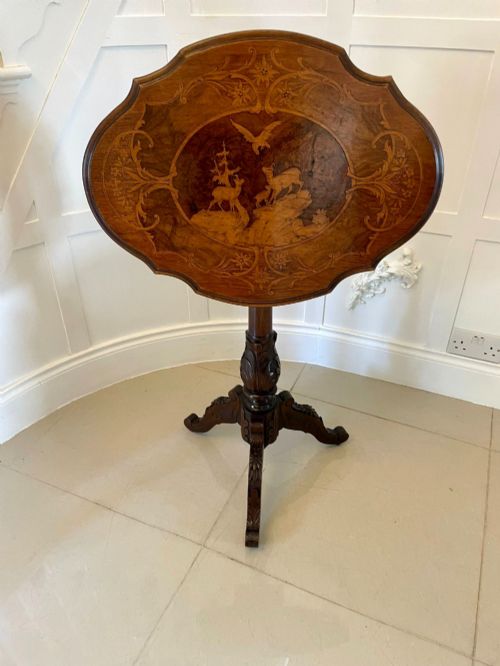
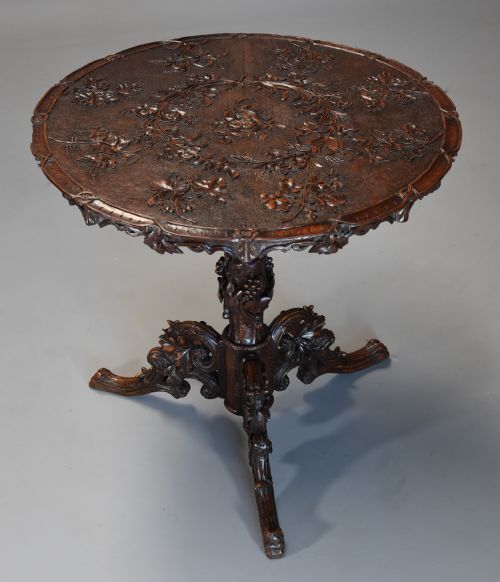
A swiss wood table combines intricate alpine carving with robust nineteenth-century timber construction, often incorporating the characteristic motifs of the Black Forest style. Buyers searching for a swiss wood table will encounter occasional tables, centre pieces and musical tables fashioned with deep relief work.
The objects stem predominantly from the nineteenth and early twentieth centuries, spanning periods from the eighteen-sixties through to the nineteen-thirties. Makers utilised regional timbers such as linden wood, lime wood and walnut to produce circular tops and naturalistically carved bases.
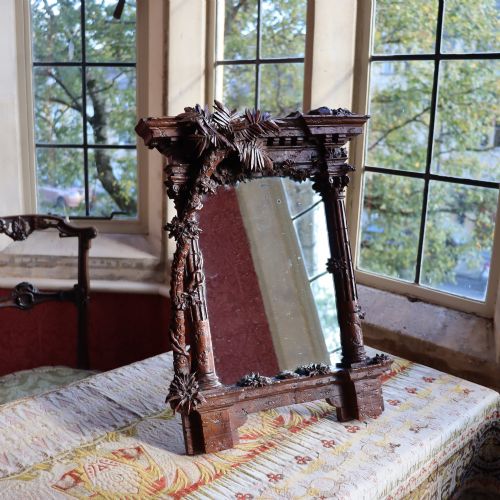
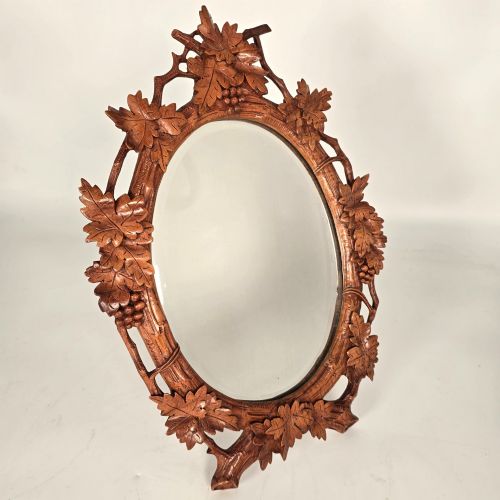
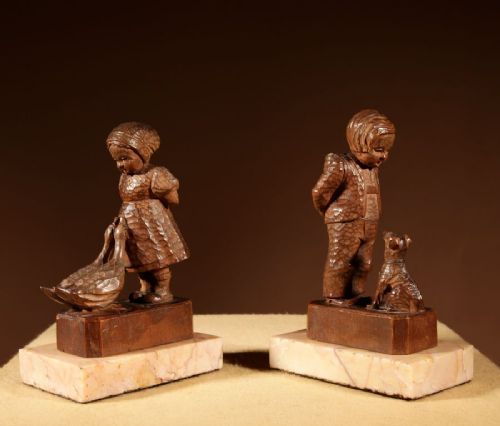
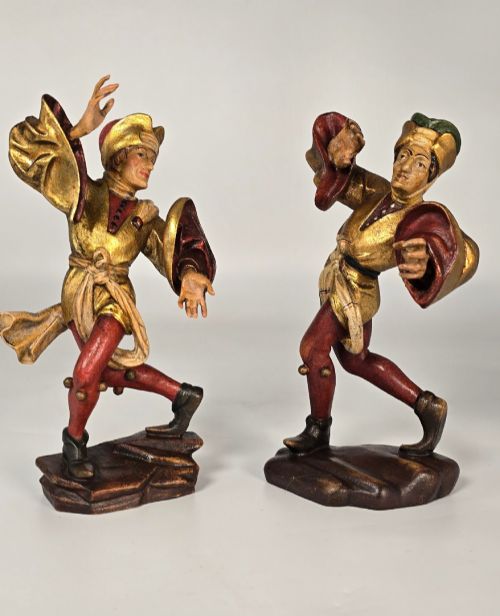
Alongside tables, the broader grouping includes related carved wood sculptures, mantel clocks and table mirrors sharing the same sculptural language. The most frequent table forms feature elaborate marquetry inlay or heavily carved animal and foliage motifs.
How they were made
Carvers shaped these pieces primarily from linden wood, lime wood and walnut using hand gouges and chisels to achieve high relief. The timber was selected for its fine grain, which allowed artisans to execute intricate foliage and animal figures without splintering.
Construction techniques combined traditional joinery with applied carved elements fixed to structural frames. Metal and brass components frequently appeared as functional hardware on clocks and musical boxes rather than primary structural elements.
Swiss Wood Table Retail Price Guide 2026
Typical asking prices for swiss wood table among the pieces listed under this phrase on Sellingantiques today, from the lower quarter to the upper quarter. They describe what is for sale here now, not the wider market.
A carved wooden bear occasionally peers out from beneath a table base, keeping watch over the parlour floor.
What varies in quality
Depth and precision of the chisel work separate ordinary items from exceptional pieces, particularly in the rendering of fur, foliage and anatomical detail. The sharpness of the undercut work and the crispness of the grain reveal the carver's hand.
The integration of the carved base with the tabletop dictates the architectural success of a table. Superior examples maintain structural harmony alongside complex pictorial marquetry or fully realised sculptural supports.
Bergen and Co
The Swiss Wood Table Glossary
- Linden wood
- A pale, fine-grained timber favoured by nineteenth-century carvers for its cooperative texture under cutting tools. It allowed artisans to execute deep, undercut foliage and animal figures.
- Marquetry
- The art of applying pieces of veneer to a structural surface to form decorative patterns. In these tables, contrasting woods created pictorial scenes on the tops.
- Black Forest
- A regional carving style originating in central Europe characterised by naturalistic depictions of animals, trees and woodland motifs. The designation applies broadly to Swiss and German alpine work from the Victorian era.
- Centre table
- A freestanding piece designed to be viewed from all sides rather than pushed against a wall. These tables often featured circular tops supported by heavily carved pedestals.
Swiss Wood Table: Frequently Asked Questions
How do I care for a carved wooden table?
Keep wooden surfaces away from direct heat sources and strong sunlight to prevent the timber from drying and splitting.
Dust regularly with a soft, dry cloth and avoid applying modern aerosol polishes that build up residue over time.
Where were these carved tables made?
These items originated in alpine regions including Switzerland and the Black Forest area of Germany during the nineteenth and early twentieth centuries.
Local workshops utilised abundant regional timbers like linden and walnut to supply tourist and export markets.
How can I tell the period of the wood?
Dating relies on tool marks, timber selection and stylistic indicators such as Victorian Gothic influences or naturalistic carving conventions.
Nineteenth-century pieces often display hand-chiseled undersides and traditional joinery methods distinct from later reproductions.
What is the difference between lime wood and walnut?
Lime wood and linden wood offer a softer, lighter-coloured canvas that accommodates extremely fine, deep relief carving without losing definition.
Walnut provides a darker, denser structure often utilised for tabletops and surfaces requiring greater durability and rich grain patterns.