



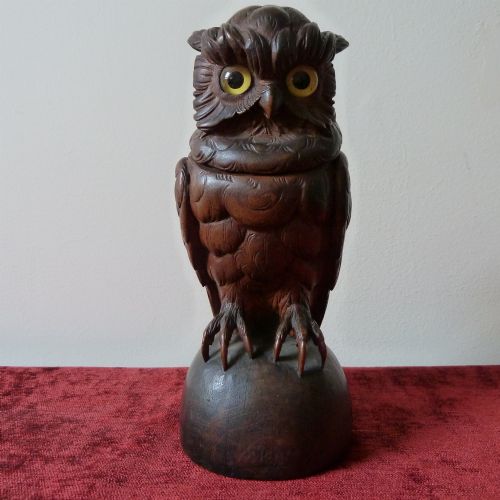


Swiss Wood Animals
Swiss wood animals are charming carved wooden figures of bears, cattle, dogs and forest creatures from the nineteenth and early twentieth centuries.
Swiss Wood Animals
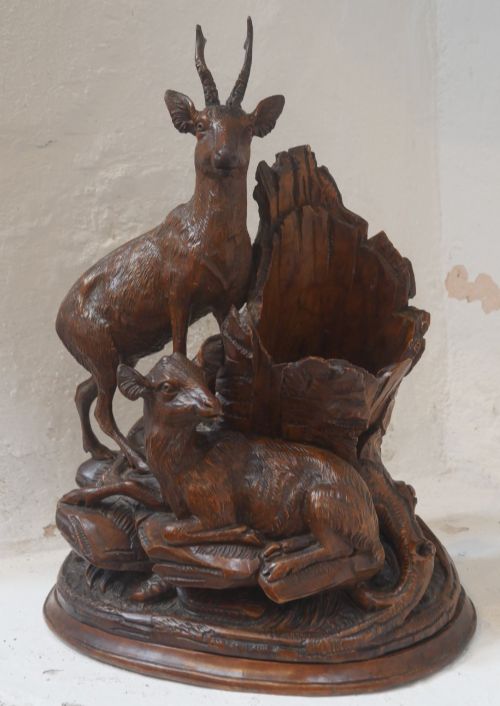
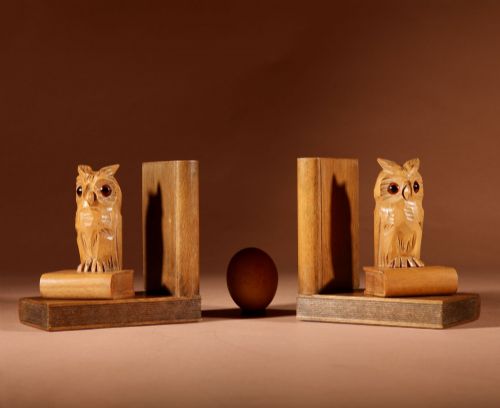
Swiss wood animals encompass decorative sculptures, bookends, inkwells and table lamps shaped as bears, dogs, cattle, goats and owls. These pieces emerge primarily from the nineteenth century and the early decades of the twentieth century.
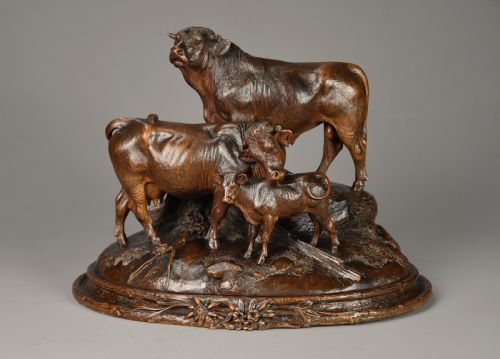
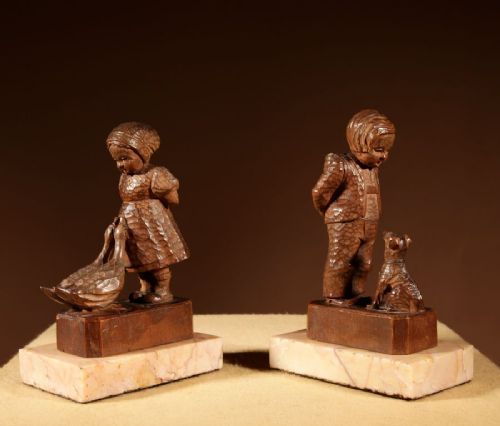
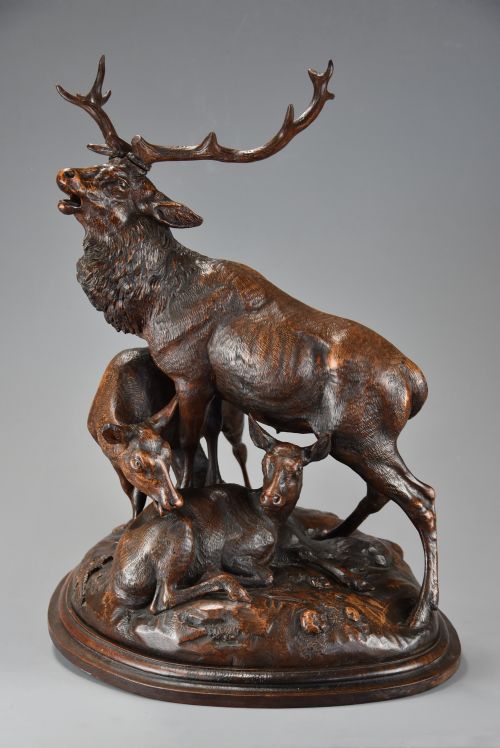
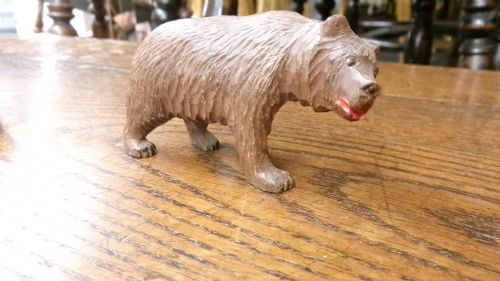
The most frequent encounters on this page include carved bears, cattle groups and bookends executed in the Black Forest and Alpine folk art styles. Figures range from miniature bears to monumental mantel clock sets and wall mirrors.
How they were made
Carvers predominantly utilised linden wood, walnut and general carved wood, often selecting linden for its fine grain which permitted intricate detail. Glass eyes, metal components and brass elements supplemented the carved wooden bodies on select figures, inkwells and bookends.
Swiss Wood Animals Retail Price Guide 2026
Typical asking prices for swiss wood animals among the pieces listed under this phrase on Sellingantiques today, from the lower quarter to the upper quarter. They describe what is for sale here now, not the wider market.
Bears appear frequently, occasionally trapped inside boots, hauling logs, or standing upright as fifteen miniature companions.
What varies in quality
The degree of anatomical realism and expression separates standard carvings from superior examples. Master carvers rendered musculature, fur texture and facial character with notable precision.
Scale and composition also differentiate the pieces, as multi-figure cattle groups and large bears demand greater skill than small single figures. The preservation of the original timber surface and subtle details dictates the distinction at the upper end.
J HUGGLER
The Swiss Wood Animals Glossary
- Black Forest
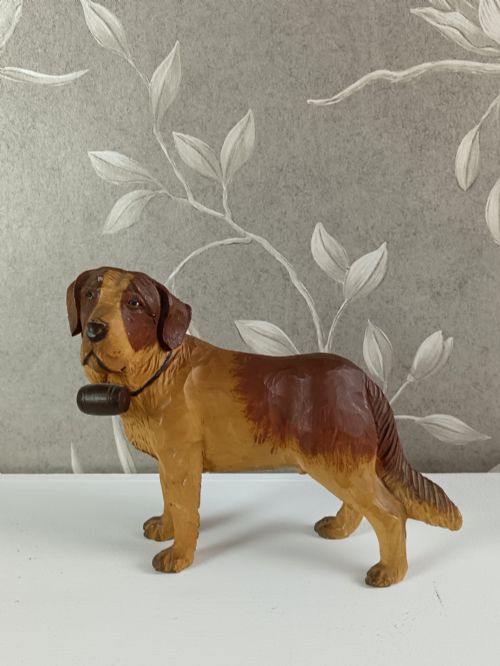
- A designation for nineteenth and twentieth-century wood carvings originating from the mountain regions of Central Europe, known for realistic depictions of wildlife. These items often take the form of bears, deer and dogs integrated into functional objects such as bookends and inkwells.
- Linden wood
- A pale timber with a fine, even grain favoured by European carvers for detailed figurative work. This material accepted sharp tool marks without splintering, making it ideal for intricate animal sculptures.
- Alpine folk art
- A regional decorative style reflecting mountain traditions through carved wooden household items and figures. Pieces in this tradition display simpler hand-carved traits distinct from academic sculpture.
- Bookends
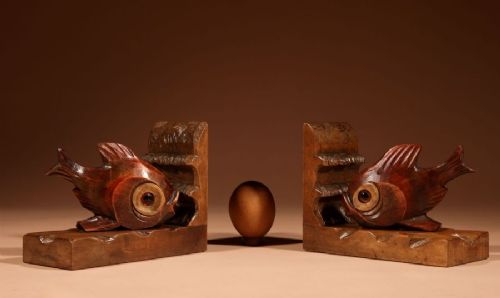
- A matched pair of heavy carved supports designed to hold upright rows of books on a shelf. In this category, they frequently depict pairs of bears, owls or goldfish.
Swiss Wood Animals: Frequently Asked Questions
What are swiss wood animals?
Swiss wood animals are hand-carved wooden sculptures and decorative objects depicting wildlife, domestic livestock and household pets. They originate predominantly from the nineteenth and early twentieth centuries in European mountain regions.
Craftsmen shaped these figures from linden wood and walnut to serve as standalone sculptures, bookends, inkwells, table lamps and clocks. The subjects range from bears and cattle to owls, dogs and mountain goats.
How were swiss wood animals used?
Many of these carved wooden pieces served practical domestic functions alongside their decorative appeal. They acted as bookends on library shelves, inkwells on writing desks and bases for table lamps.
Larger items functioned as wall mirrors, barometers and mantel clock sets within Victorian and Edwardian interiors. Miniature figures and groups were displayed simply as cabinet ornaments.
How do I live with swiss wood animals?
These wooden carvings integrate easily into traditional and contemporary interiors on mantelpieces, bookshelves and side tables. They benefit from stable indoor environments away from direct sunlight and excessive heat.
Dusting with a soft, dry cloth maintains the timber surface without the need for modern polishes or oils. Placing functional pieces such as bookends or inkwells on level surfaces prevents accidental tipping.
How do I tell periods apart?
Nineteenth-century examples often display deep walnut tones and larger sculptural formats, including monumental clock sets and detailed animal groups. Pieces from the Edwardian era and the early twentieth century frequently utilise linden wood and include specific functional forms like table lamps and marked studio figures.
Stylistic shifts move from formal Victorian naturalism toward slightly stylised folk art interpretations in the later twentieth-century decades. Maker stamps and specific material choices also help anchor the manufacturing date.