

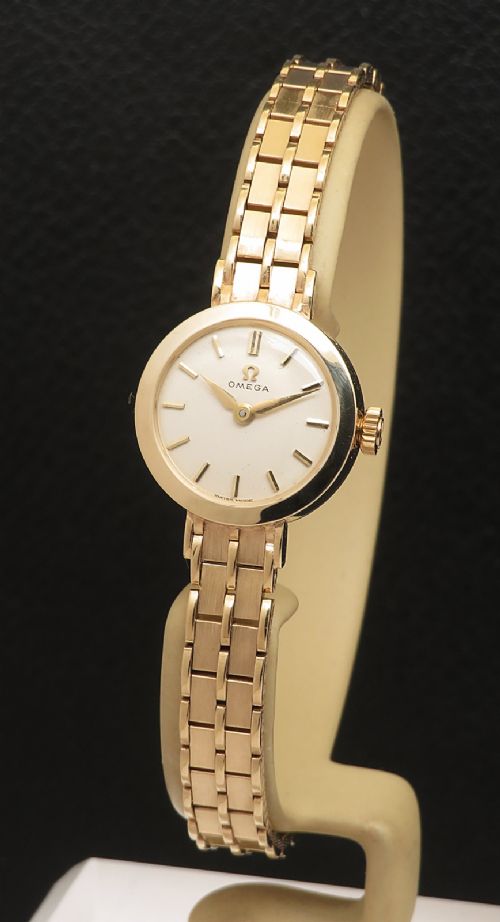
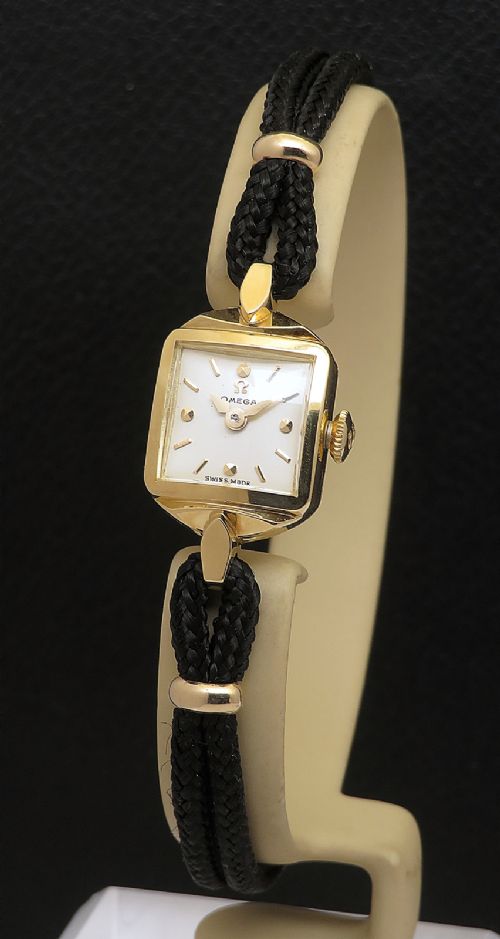
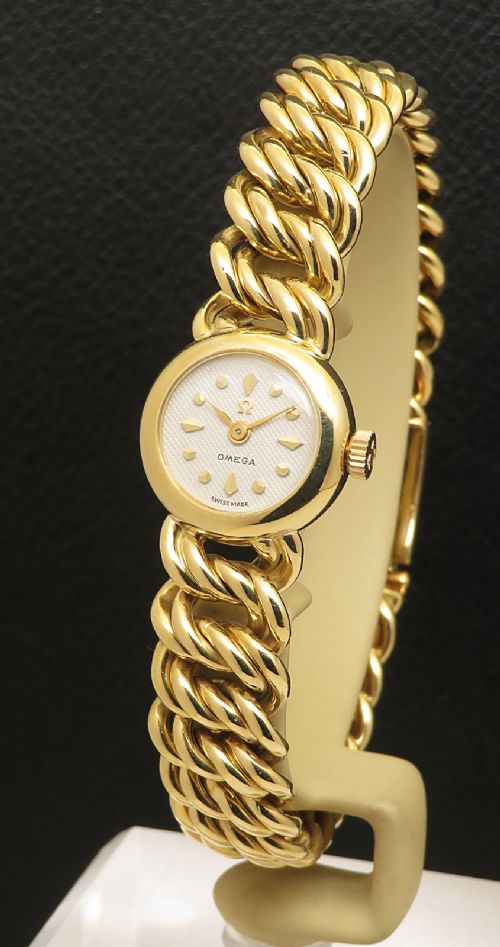
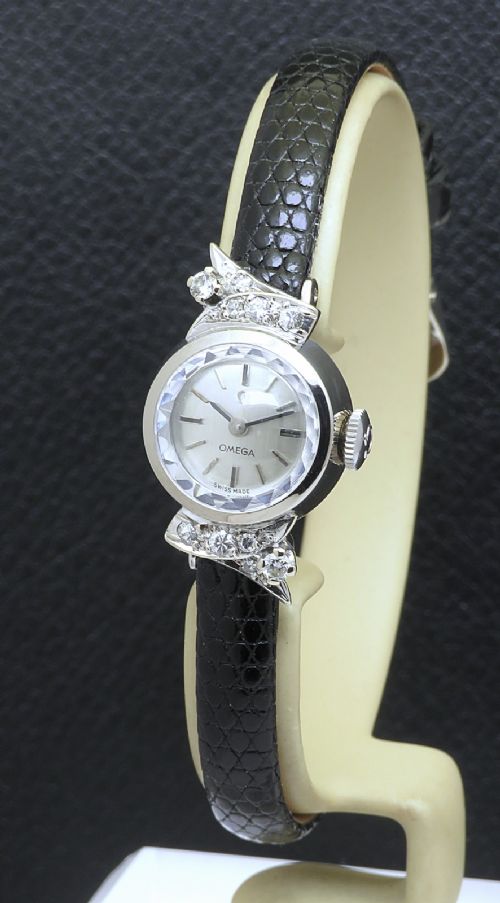


Swiss Mechanical Cocktail Watch
A swiss mechanical cocktail watch is a timepiece designed for evening wear, combining precise horology with high jewellery.
Swiss Mechanical Cocktail Watch
A swiss mechanical cocktail watch is a piece of wearable jewellery housing a miniature movement, made to tell the time discreetly at evening gatherings. When you search for this phrase, you find small wristwatches and cocktail watches dating from the nineteen twenties to the nineteen sixties.
The pieces on this page span several distinct decades, featuring the geometric lines of the Art Deco style alongside the cleaner forms of Mid-Century design. These watches bridge the gap between functional horology and decorative dress accessories.
How they were made
Makers constructed these watch cases using precious metals such as nine carat gold, eighteen carat yellow gold, eighteen carat white gold, platinum, and fourteen carat white gold, alongside occasional gold plated brass. Miniature mechanical movements sit inside these precious housings, often paired with leather or fabric straps.
Gemstone setting defines the decorative versions, with diamond accents integrated directly into the metalwork of the bezel and lugs. Glass crystals protect the tiny dials, whilst fitted presentation boxes often accompany the pieces from original retail.
Swiss Mechanical Cocktail Watch Retail Price Guide 2026
Typical asking prices for swiss mechanical cocktail watch among the pieces listed under this phrase on Sellingantiques today, from the lower quarter to the upper quarter. They describe what is for sale here now, not the wider market.
Some of these tiny evening watches are so small that the dial barely measures the width of a shirt button.
What varies in quality
The distinction between standard examples and top tier pieces lies in the complexity of the case architecture and the integration of precious stones. Heavier metal weights and original fitted boxes elevate particular specimens above simpler production models.
The presence of diamonds and fine precious metals like platinum or eighteen carat white gold marks out the higher end of the range. Originality of components and the preservation of delicate dials also separate ordinary items from exceptional survivors.
Omega·Rolex Tudor·Bucherer·Vertex·Tissot
The Swiss Mechanical Cocktail Watch Glossary
- Cocktail watch
- A small ladies wristwatch intended primarily for evening wear rather than daily timekeeping. These pieces prioritise ornamental design over legibility.
- Art Deco
- A design style spanning the nineteen twenties and nineteen thirties characterised by geometric symmetry and stylised motifs. This aesthetic heavily influences early wristwatch cases.
- Mid-Century
- A broad design period covering the nineteen fifties and nineteen sixties. Pieces from this era often feature streamlined forms distinct from earlier decorative excess.
- Mechanical movement
- A watch mechanism powered by a mainspring and gear train rather than a battery. These tiny calibres require manual winding to function.
Swiss Mechanical Cocktail Watch: Frequently Asked Questions
How do I wind a mechanical cocktail watch?
Gently rotate the small crown on the side of the case clockwise between your thumb and forefinger until you feel light resistance. Stop immediately at that point to avoid overwinding the delicate internal mainspring.
Because these movements are miniaturised, handle the crown with care. Regular winding keeps the oils distributed properly within the tiny gear train.
How do I date a swiss cocktail watch?
Dating relies on stylistic clues like the geometric lines of Art Deco pieces from the nineteen thirties or the streamlined forms of Mid-Century design. Hallmarks on gold and platinum cases also provide specific clues to the year of assay.
Movement serial numbers, where documented by the original maker, offer a more precise manufacturing date. Comparing the overall design against known production periods narrows down the decade.
What is an 18ct white gold cocktail watch?
This is a watch whose case is forged from an alloy containing seventy five percent pure gold mixed with white metals like palladium or silver. The resulting metal provides a bright background for diamond set bezels.
White gold gained significant popularity during the Art Deco period as a substitute for platinum. It offers durability alongside a cool, silvery appearance.