


Swiss Made Timepiece
A swiss made timepiece combines precision engineering with enduring design, offering tangible connections to the horological heritage of the early twentieth century.
Swiss Made Timepiece
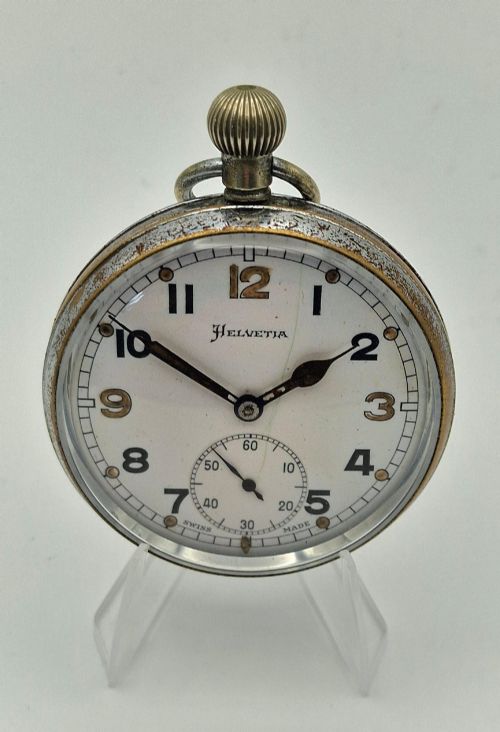
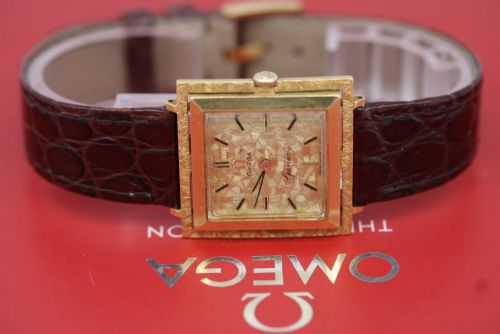
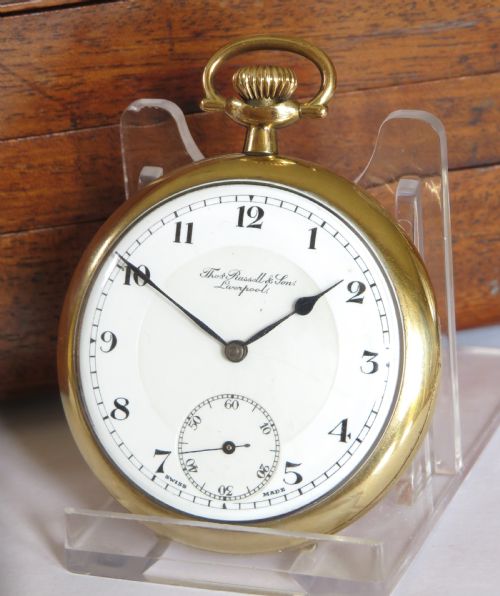
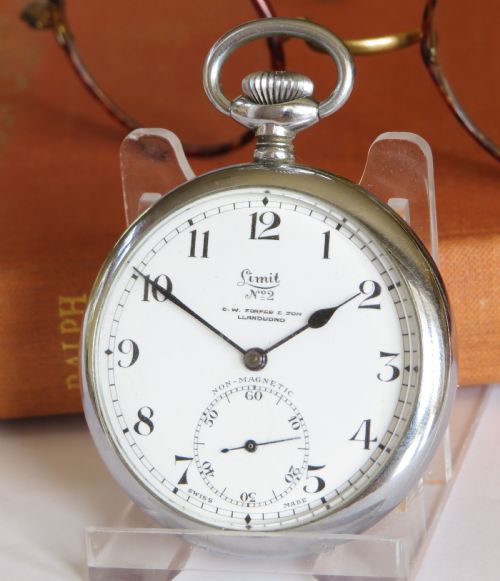
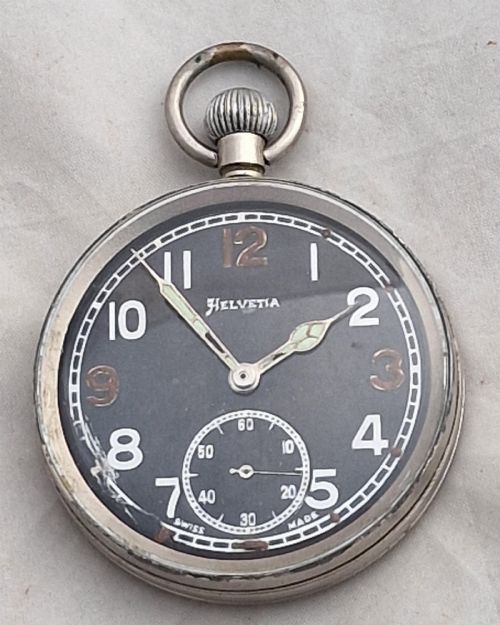
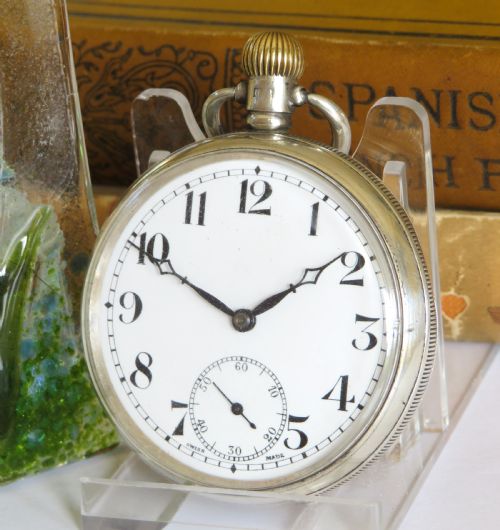
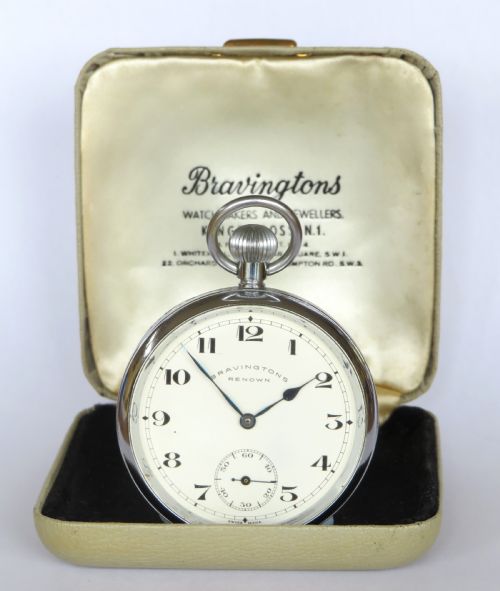
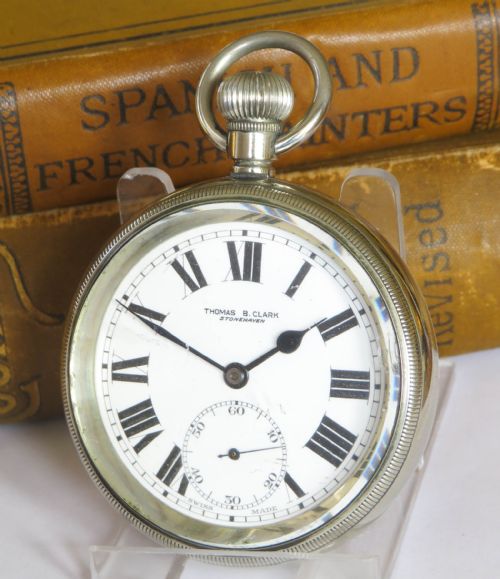
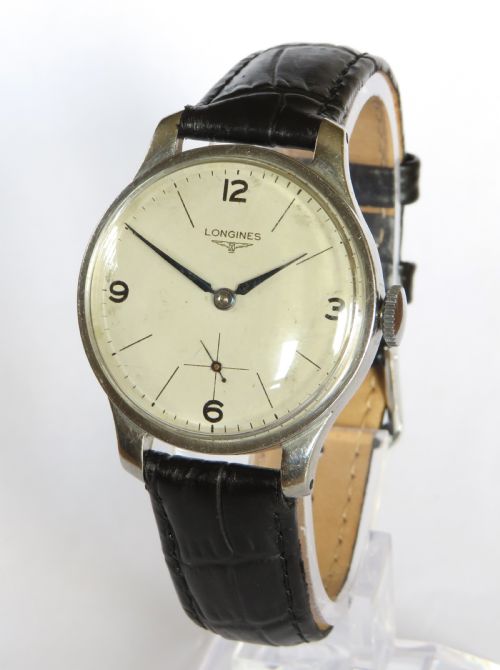
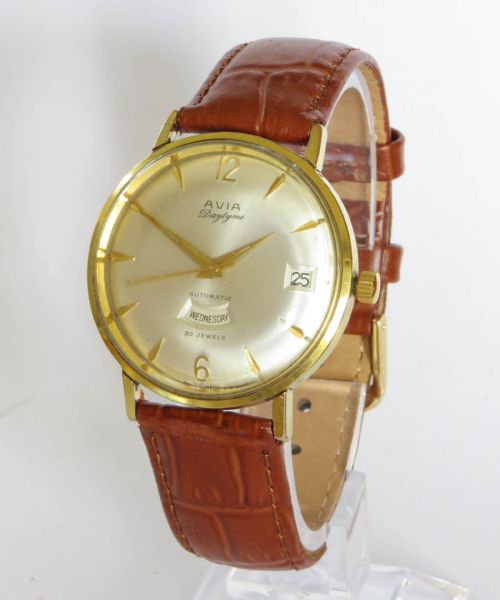
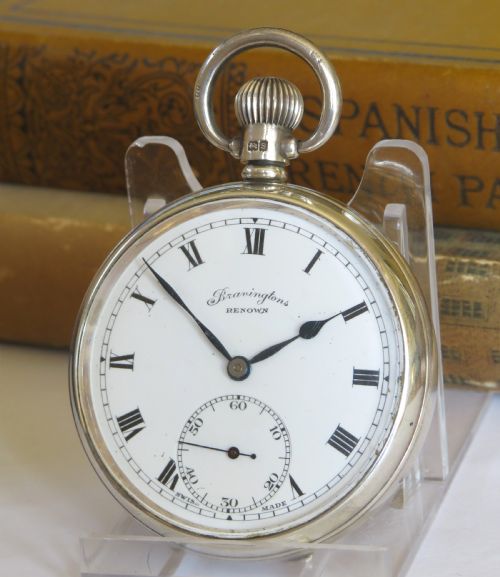
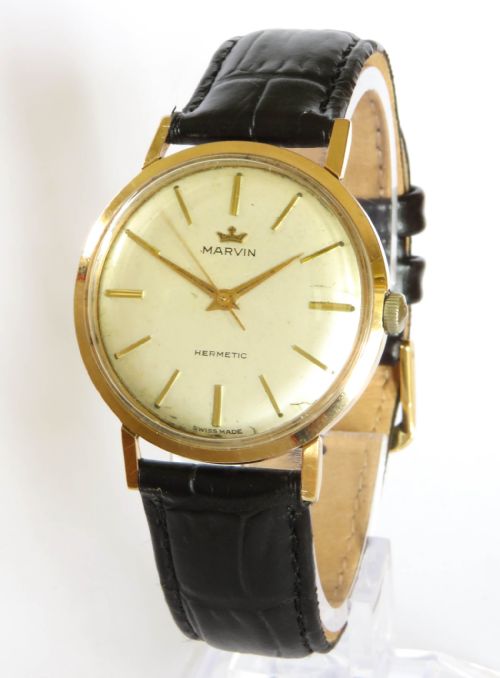
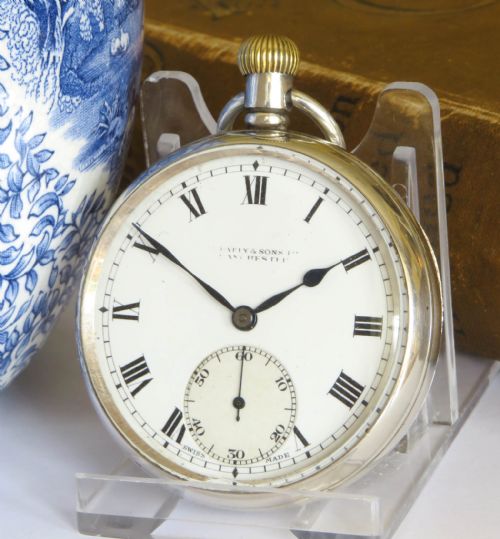
A swiss made timepiece encompasses portable and desk-bound instruments for measuring time, originating primarily from the nineteenth century through to the 1960s. These objects range from pocket watches and wristwatches to desk clocks and strut easel clocks.
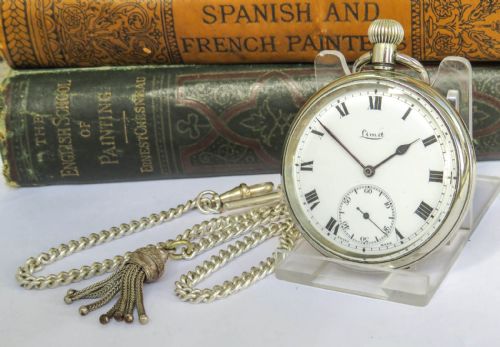
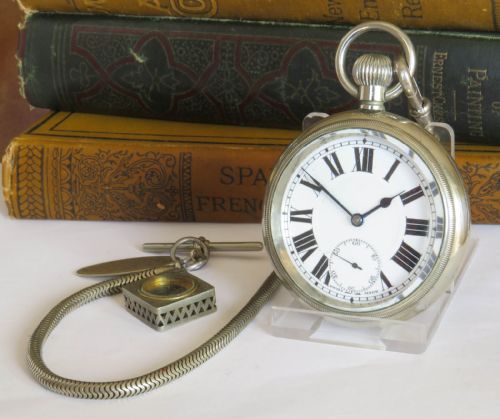
Pocket watches dominate the earlier periods, frequently accompanied by albert chains, compasses, and fobs. Wristwatches emerge more prominently in the 1940s, 1950s, and 1960s as wearable daily accessories.
Styles span Edwardian elegance, Art Deco geometry, and Mid-Century functionalism. Materials vary from base metals like stainless steel and chrome to solid gold plate, 9ct gold, and 14ct yellow gold.
Materials and Construction
Cases utilise metals such as stainless steel, chrome, gold plate, and solid gold, alongside glass crystals protecting the dial. Miniature clocks incorporate decorative elements like champlevé enamel and gilding.
Movements rely on mechanical components enclosed within metal housings, sometimes featuring jewelled bearings to reduce friction. Leather straps frequently accompany wristwatches, while pocket watches connect to metal chains.
Swiss Made Timepiece Retail Price Guide 2026
Typical asking prices for swiss made timepiece among the pieces listed under this phrase on Sellingantiques today, from the lower quarter to the upper quarter. They describe what is for sale here now, not the wider market.
Several pocket watches arrive paired with unexpected companions, including compasses, fobs, and chains.
Judging Quality
The choice of casing material distinguishes standard production from luxury tiers, with solid gold and gold plate representing higher investment than basic chrome or stainless steel. Complexity of movement, such as repeater mechanisms or chronometre standards, elevates the sophistication of the piece.
The integrity of dial enamel, glass clarity, and the presence of original components like chains and fobs influence the overall preservation of the object. Maker reputation, from established houses to military suppliers, shapes horological interest.
Thomas Russell and Son·Camerer Cuss·Van Cleef and Arpels
The Swiss Made Timepiece Glossary
- Albert
- A chain attached to a pocket watch, frequently secured to a waistcoat or belt. It often holds additional items such as fobs or compasses.
- Champlevé
- An enamelling technique where troughs are carved into the metal surface and filled with vitreous enamel before firing. This method creates decorative patterns on clock cases.
- Chronometer
- A precision timepiece tested and certified to high standards of accuracy under various conditions. These movements represent superior mechanical adjustment.
- Quarter Repeater
- A complication in a watch that chimes the hours and quarters on demand through gongs inside the case. It requires intricate internal gearing.
- Strut Easel Clock
- A small clock supported by a hinged leg at the back for standing upright on desks or tables. They frequently feature decorative enamel frames.
Swiss Made Timepiece: Frequently Asked Questions
How do I wind a vintage mechanical watch?
Turn the crown gently clockwise between your thumb and forefinger until you feel resistance. Stop immediately to avoid damaging the mainspring.
Most vintage mechanical pieces require daily winding to maintain accurate timekeeping throughout the day.
Can I wear a vintage pocket watch daily?
Pocket watches suit daily wear provided they are secured safely to a garment using an albert chain or stored securely in a pocket. Avoid exposing them to moisture or magnetic fields.
Regular servicing by a professional horologist keeps the internal gears functioning smoothly over time.
What does open faced mean?
An open faced watch has no metal cover protecting the glass crystal, allowing the dial to remain visible at all times. This style became popular for quick time-reading.
Such designs contrast with hunter cases, which feature a spring-loaded metal lid over the dial.
How do I identify the production era?
Examine the stylistic cues of the dial, numerals, and case shape, comparing Art Deco geometry or Edwardian ornamentation with known design periods. Hallmarks on metal cases also provide clues to the year of manufacture.
Movement serial numbers can often be cross-referenced against historical maker records for precise dating.