
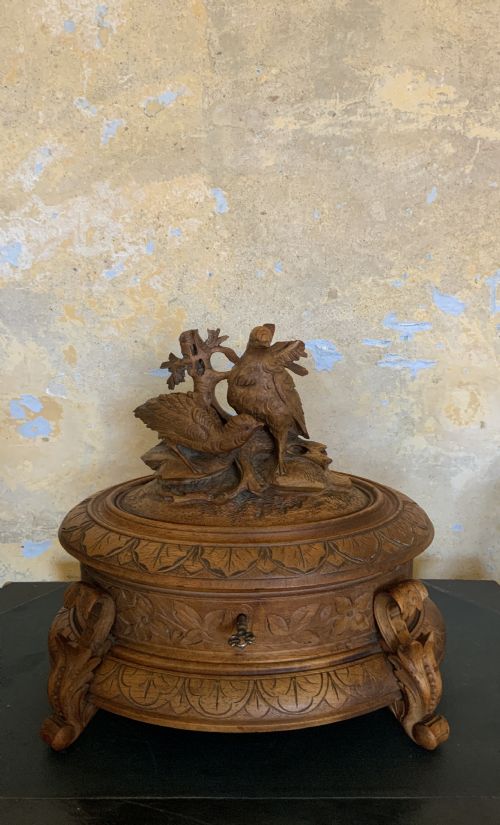


Swiss Brienz Carving
Swiss brienz carving brings home the meticulous naturalism of Alpine woodworking, depicting bears, cattle and forest life with charm and enduring character.
Swiss Brienz Carving
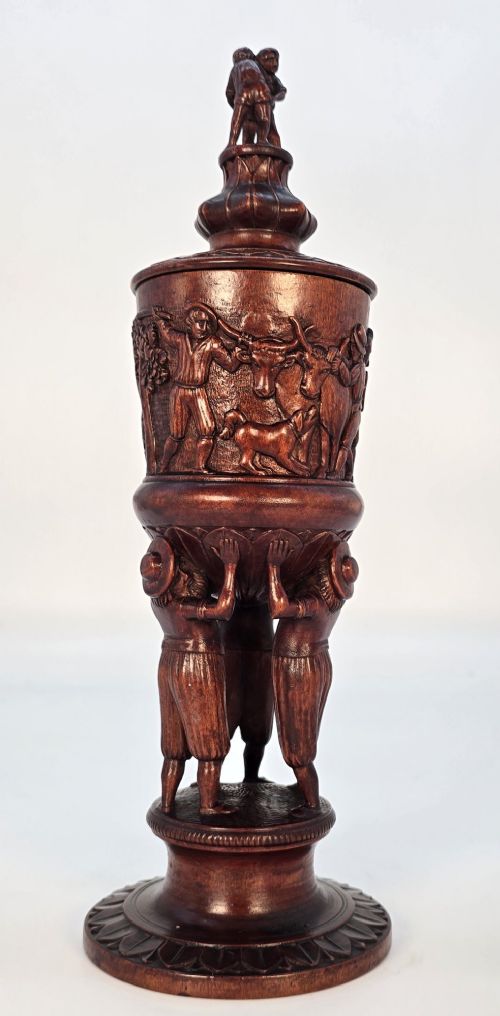
When you search for swiss brienz carving, you encounter a specialised tradition of wooden sculpture originating from the Swiss village of Brienz during the nineteenth and early twentieth centuries. These pieces encompass decorative animal figures, practical desk accessories, and substantial furniture elements like stick stands and hall stands.
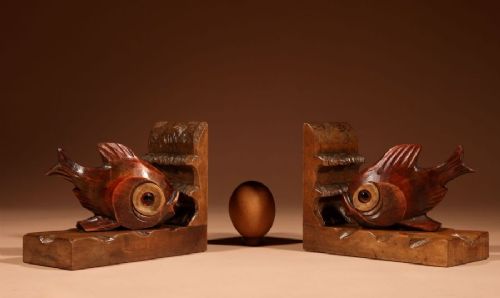
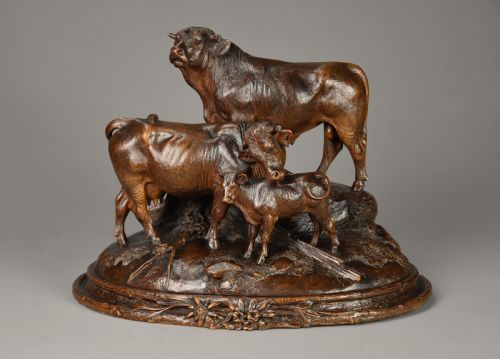
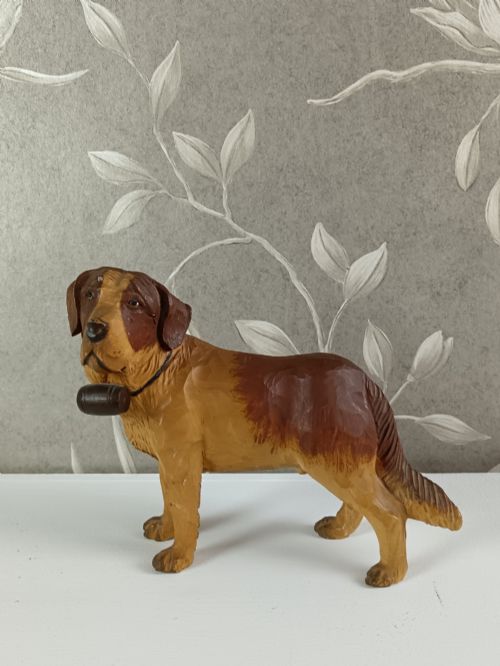
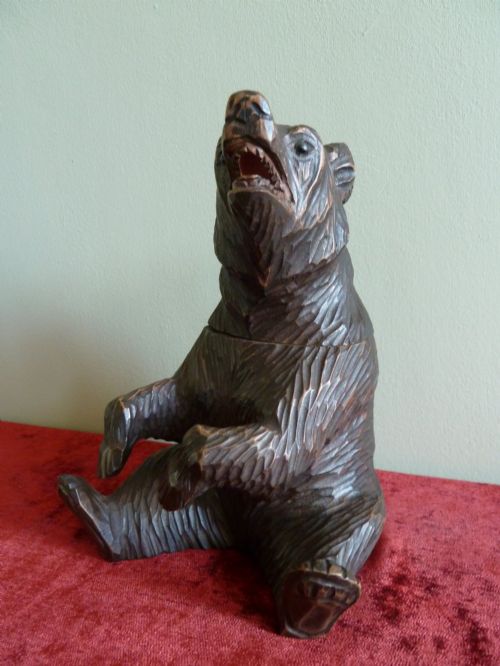
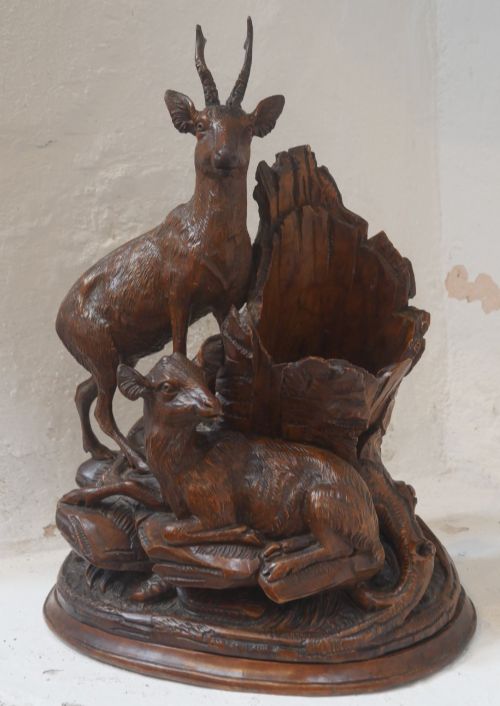
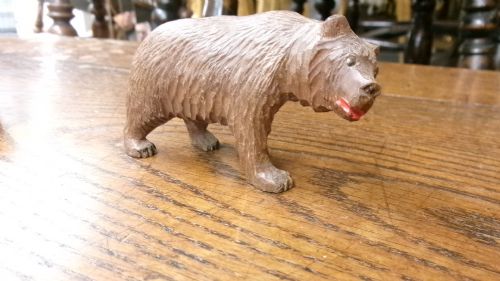
The objects frequently depict wildlife native to the Alps, including brown bears in various poses, mountain goats, ibex, chamois, Saint Bernard dogs, and cattle groups. You also find human figures such as peasant couples and historical subjects like William Tell, alongside utilitarian items like bookends, inkwells, and humidors.
Most examples date from the Victorian and Edwardian eras, spanning from eighteen sixty through to the nineteen twenties. The aesthetic blends finely detailed naturalism with folk art traditions, often categorised alongside broader Black Forest styles.
Materials and Techniques
Carvers predominantly utilised pale timbers native to European forests, most notably linden wood and walnut. Linden wood offered a fine grain and soft texture that permitted intricate detailing without splitting, while walnut provided a darker, heavier medium for larger sculptures and functional objects.
Makers shaped these woods using specialised chisels and gouges to render realistic fur texture, musculature, and facial expressions. Glass eyes frequently appeared in animal carvings to enhance the lifelike appearance, sometimes accompanied by metal or brass mounts on inkwells and boxes.
Functional items appear frequently, including inkwells, bookends, stick stands, and tobacco humidor boxes.
Judging Quality
Proportion and scale dictate the success of the sculpture, particularly in complex groups involving multiple animals or human figures. Finer items exhibit crisp undercutting that separates fur and foliage from the main body, whereas lesser examples remain flat and rigid.
J HUGGLER
The Swiss Brienz Carving Glossary
- Linden wood
- A pale, fine-grained timber favored by carvers for its cooperative texture and lack of prominent grain. It allows deep undercutting and minute detail work.
- Humidor
- A specialised box designed to keep cigars at the correct humidity, frequently carved in the form of sitting bears or woodland cabins in this tradition.
- Undercutting
- A carving technique where timber is removed beneath a subject, such as fur or limbs, to create depth and separation from the background.
- Stick stand
- A hall furniture piece made to hold walking sticks and umbrellas, often sculpted as a life-sized standing bear holding a hollow log.
- Desk tidy
- A functional desk accessory incorporating compartments for pens, stamps, and an inkwell, frequently embellished with carved dogs or forest fauna.
Swiss Brienz Carving: Frequently Asked Questions
What animals appear most often?
Brown bears dominate the production, appearing in dozens of configurations from tiny desk figures to large hall stands holding walking sticks.
Mountain goats, ibex, chamois, cattle, and dogs also feature regularly, reflecting the alpine fauna of the Brienz region.
How do I care for carved wood?
Keep wooden sculptures away from direct sunlight and radiators to prevent the timber from drying out and splitting over time.
Dust gently with a soft dry brush, avoiding liquid polishes that can build up in the recessed carved details.
Were these items purely decorative?
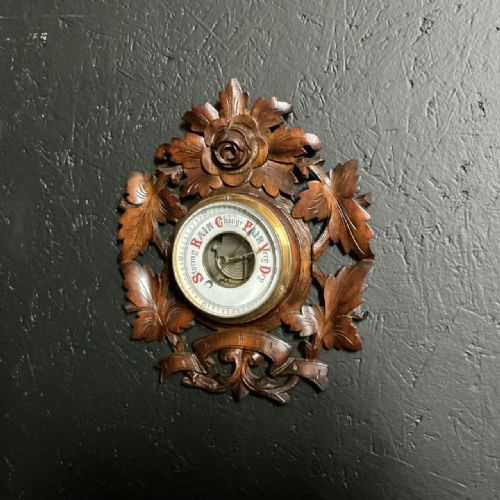
Many pieces served practical functions in nineteenth-century homes, acting as inkwells, tobacco boxes, bookends, and barometers.
Sculptural figures without utility were also produced purely for display on mantels and tables.
How are periods identified?
Stylistic shifts and mounting hardware help date pieces, with mid-nineteenth-century items tending toward heavier walnut and robust proportions.
Later Victorian and Edwardian examples often utilise linden wood and include glass eyes or metal hinges characteristic of the period.