


Swept Gilt Framed Artwork
Swept gilt framed artwork brings together ornate, curved mouldings and traditional oil paintings, offering a dramatic focal point for period or modern interiors.
Swept Gilt Framed Artwork
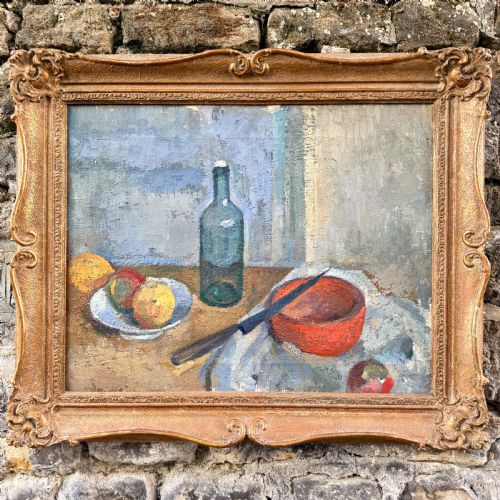
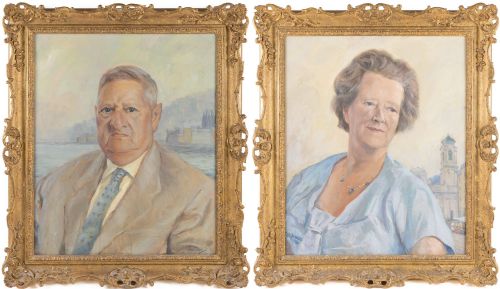
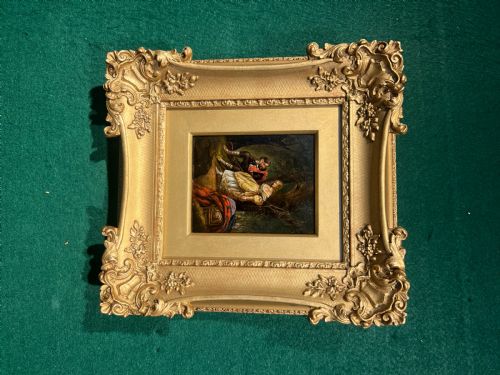
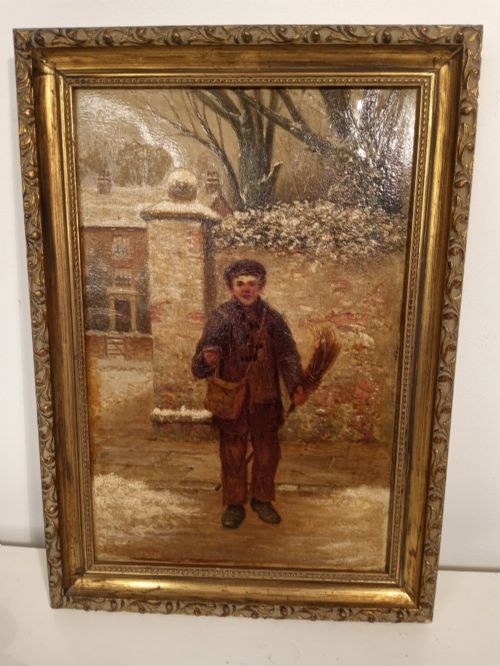
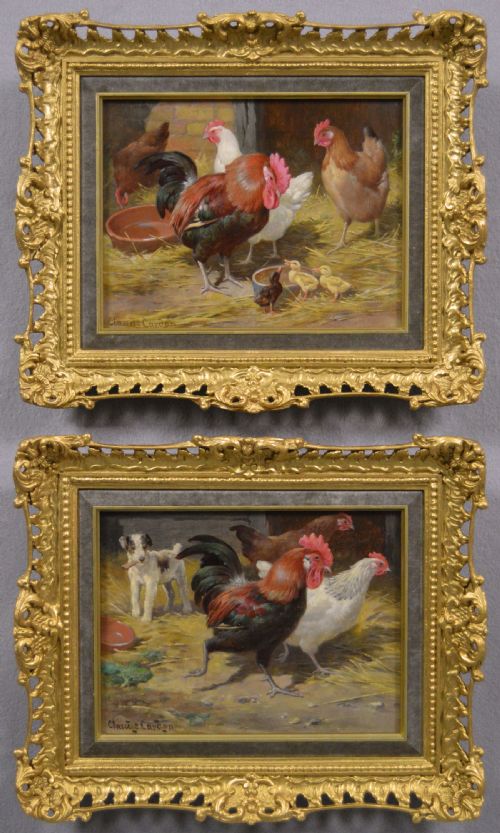
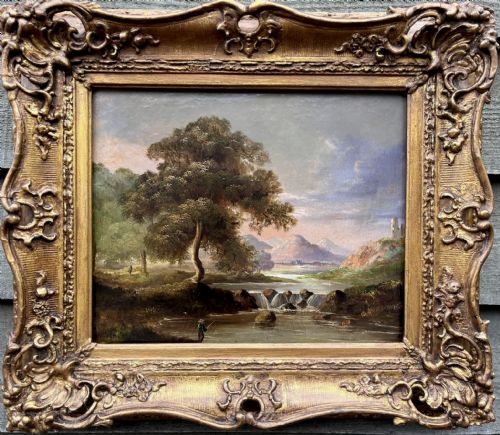
Swept gilt framed artwork comprises paintings housed within elaborately curved, moulded frames finished in gold tones, often encompassing oil paintings, watercolours, and pastel drawings. When searching for swept gilt framed artwork, buyers encounter a diverse selection ranging from Georgian and Victorian landscapes to mid-century portraits and continental townscapes.
The pieces span multiple centuries, capturing subjects such as tranquil country cottages, coastal harbours, still life arrangements, and pastoral scenes. These works combine the visual weight of heavy, ornate framing with the enduring appeal of canvas, board, and paper mediums.
Materials and Construction
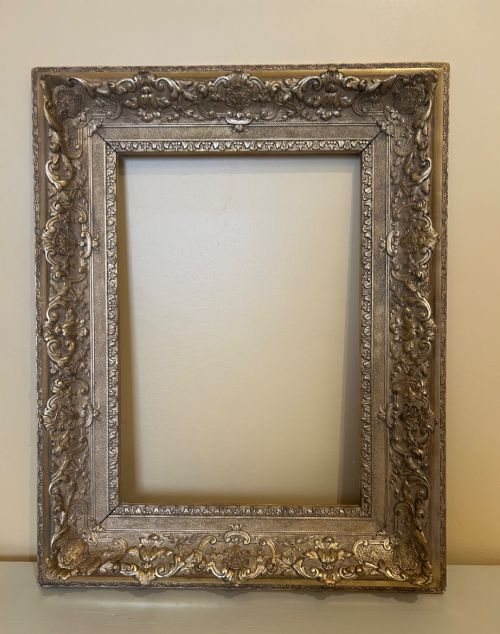
The frames are constructed primarily from wood and gesso, moulded into flowing, asymmetric scrolls before receiving a covering of gold leaf or gilt. This traditional process allows for deep relief carving and complex corner ornamentation that characterises the swept profile.
The artwork contained within utilises oil paint on canvas or panel, watercolour, and pastel. Pigments are applied with varying brushwork, from the tight detail of nineteenth-century realism to the looser strokes of impressionistic landscapes.
Listings feature works spanning the Georgian, Victorian, and mid-century eras, utilising wood, gesso, and oil paint on canvas.
Assessing Quality in Frames and Paintings
Quality rests upon the depth and crispness of the frame moulding, where hand-modelled gesso work on wood outshines simpler, flat alternatives. The harmony between the artwork and its surround dictates the piece's success, as original framing enhances visual cohesion.
In the paintings themselves, command of light, composition, and brushwork separates master canvases from standard decorative works. Pigment retention and the stability of the canvas or panel support further define the durability and standing of each piece.
Claude Cardon·Arthur Herbert Rigg·Percival Glenfern·J Barclay·Sir Herbert Hughes-Stanton·Jeffrey Pratt·William Miller Frazer·Emily Selinger·William Sidney Cooper·Harold Edward Conway·Ludwig Hermann·George Harrison·George Parson-Norman·Owen Bowen·Kenneth Washburn·John Holland Snr
The Swept Gilt Framed Artwork Glossary
- Gesso
- A plaster-like mixture applied to wood frames to create a smooth surface for gilding. It is built up in layers and carved to form intricate decorative motifs.
- Giltwood
- Timber that has been coated with gold leaf or metallic powder. It provides a luminous surface that catches ambient light.
- Pastel
- A medium consisting of powdered pigment and a binder rolled into sticks. It produces velvety colours with a soft matte finish.
- Provenance
- The documented history of a work's ownership and origin. It establishes authenticity and traces the journey of the piece over time.
Swept Gilt Framed Artwork: Frequently Asked Questions
How do I clean a gilt frame?
Dust the ornate mouldings gently with a soft, dry brush to prevent damage to the delicate gesso and gold leaf surfaces.
Avoid using water, liquid cleaners, or chemical solvents, as moisture strips the gilding and ruins the underlying plaster work.
Are these paintings original works?
The selection includes original oil paintings on canvas and panel, alongside authentic watercolours and pastel drawings.
Each piece represents a unique historical creation rather than a modern mechanical reproduction or print.
Where should I hang these pieces?
These works suit traditional drawing rooms, dining spaces, or study walls where the ornate frames can command sufficient visual space.
Keep them away from direct sunlight, high humidity, and heat sources to protect both the canvas and the gilt wood.
How can I date a gilt frame?
Dating relies on examining the construction materials, such as the composition of the gesso and the method of joining the wooden corners.
Georgian and Victorian frames display different moulding profiles and weight distributions compared to mid-century Italian variants.