



Swept Gilt Frame Artwork
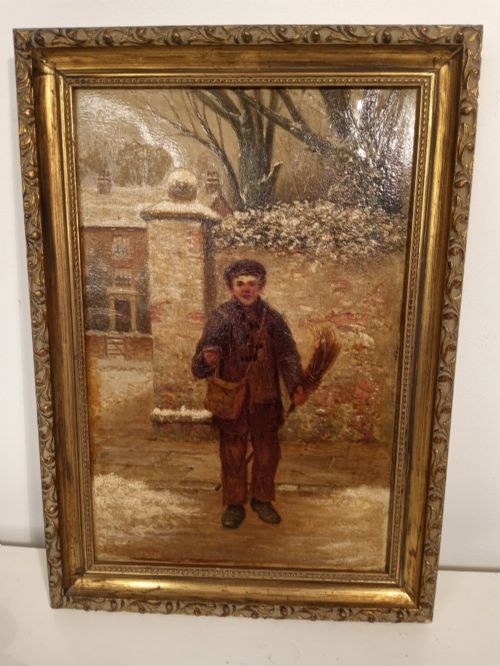
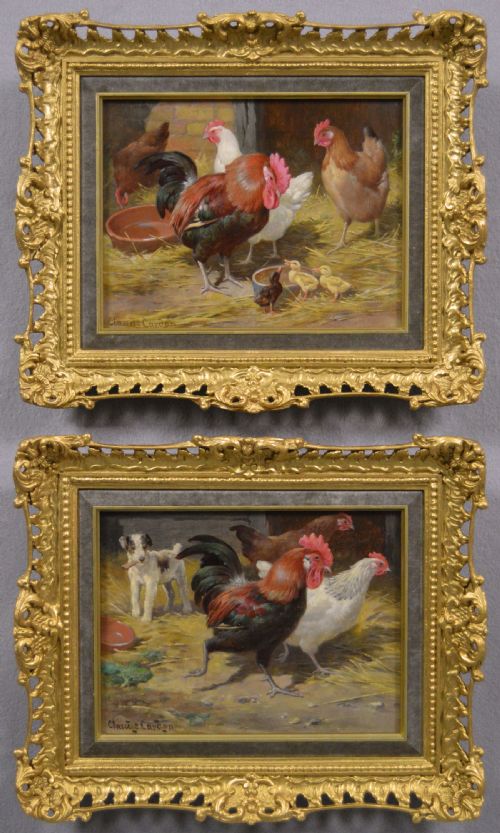
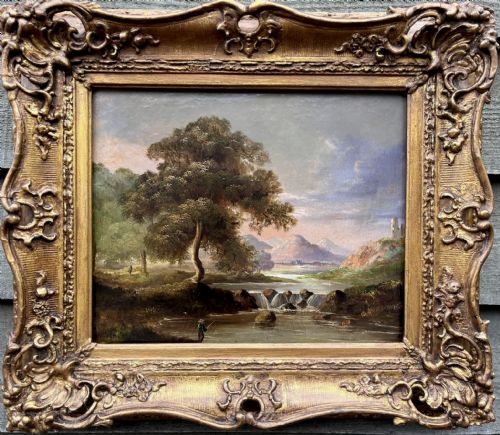
Swept gilt frame artwork unites oil paintings and picture frames shaped with exuberant curves and finished in gold leaf.
Swept Gilt Frame Artwork
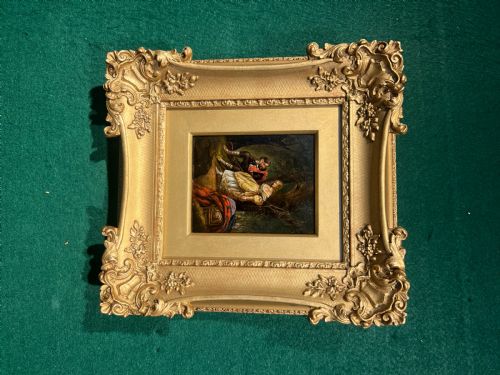
Swept gilt frame artwork comprises paintings and empty frames originating from periods such as the Georgian era, the nineteenth century, and the mid-twentieth century. Buyers searching for swept gilt frame artwork encounter oil paintings, watercolours, and picture frames displaying elaborate, flowing contours.
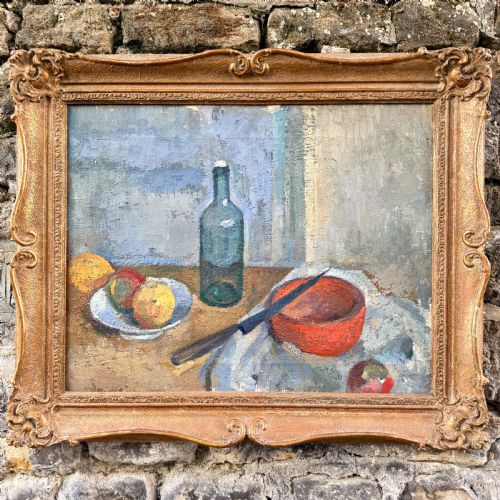
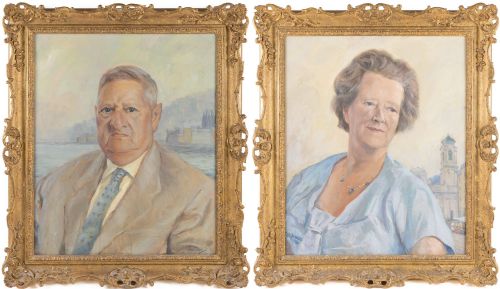
The pieces on this page span British and continental schools, encompassing landscapes, portraits, still lifes, and coastal scenes. Portraits and rural landscapes housed in moulded wooden mounts dominate the selection currently available.
Makers and artists represented range from nineteenth-century painters to mid-century Italian studios. These works reflect stylistic revivals, particularly Rococo and Victorian aesthetics, alongside impressionist and modernist approaches.
Materials and construction
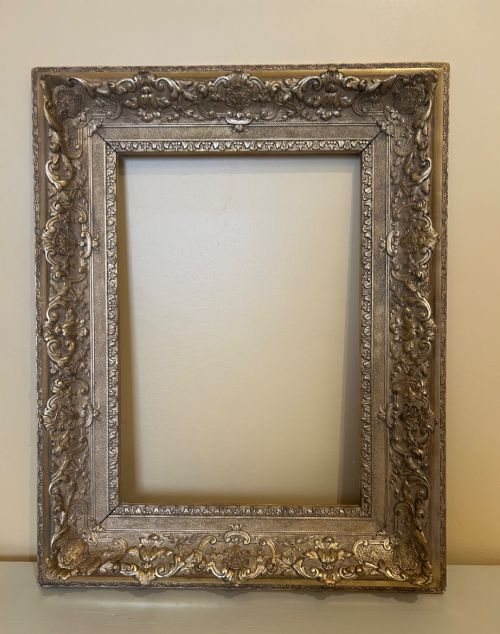
The construction of swept gilt frame artwork relies primarily on wood and gesso, which provide the structural core and the malleable surface for intricate moulding. Artisans apply layers of gesso to carved wooden bases before shaping the deep, sweeping scrolls characteristic of the style.
Finishing involves the application of gold leaf or giltwood to create the luminous metallic sheen. Paintings within these mounts utilise oil on canvas, oil on panel, and watercolour on paper, executed with traditional pigments.
Listings feature works executed in oil on canvas, oil on board, oil on panel, watercolour, pastel, and mixed media across multiple centuries.
Judging quality in frames and paintings
Quality in swept gilt frame artwork depends on the depth and crispness of the gesso moulding and the preservation of the original gilding. Finer examples display hand-modelled relief work with sharp scrollwork, whereas lesser pieces show shallower, mass-produced plaster details that obscure underlying definition.
The harmony between the artwork and its mount dictates overall standard. Superior works pair accomplished brushwork in oil or watercolour with mounts designed specifically for the canvas, retaining an integrated aesthetic across period and frame.
Claude Cardon·Percival Glenfern·J Barclay·Sir Herbert Hughes-Stanton·Jeffrey Pratt·William Miller Frazer·Emily Selinger·William Sidney Cooper·Harold Edward Conway·Ludwig Hermann·George Harrison·George Parson-Norman·Owen Bowen·Kenneth Washburn·John Holland Snr
The Swept Gilt Frame Artwork Glossary
- Gesso
- A plaster mix applied to wood bases to create a smooth surface for gilding. This mixture is built up in layers and carved to form ornamental details.
- Giltwood
- Timber that has been coated with gold leaf or gold paint. It forms the lustrous borders seen around period canvases.
- Oil on canvas
- Pigments bound in oil medium applied to a stretched woven fabric support. This technique allows for rich colour blending and textured brushstrokes.
- Rococo revival
- A decorative style popular in the nineteenth century that mimics eighteenth-century asymmetry, scrollwork, and organic curves. It strongly influences swept frame designs.
- Watercolour
- Paint consisting of pigment suspended in a water-based solution applied to paper. It produces transparent washes of colour.
Swept Gilt Frame Artwork: Frequently Asked Questions
Are the frames original to the paintings?
Many paintings retain their period mounts, though frames and canvases are sometimes paired together later in their histories. Examining the fit at the back helps determine if they belong together.
Matching wear patterns on the canvas edges and the internal rabbet of the frame often indicate a long association.
How do I clean a gilt frame?
Gilt surfaces require gentle dusting with a soft, dry brush to remove particulate matter without disturbing the delicate gold leaf. Moisture and chemical cleaners should be avoided entirely.
Professional conservators handle deeper cleaning if the gesso shows signs of flaking or staining.
What periods do these pieces date from?
The inventory spans the seventeenth century through to the mid-twentieth century. Nineteenth-century and Victorian works form a significant portion of the available selection.
Later mid-century Italian and modernist examples also appear among the traditional landscapes and portraits.