



Swept Gilded Frame Artwork
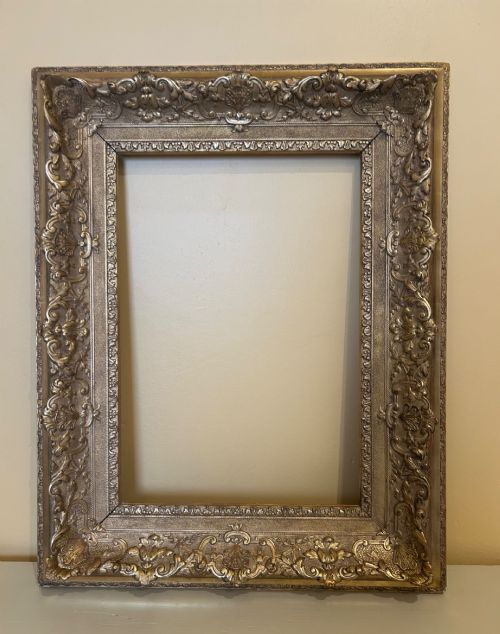
Swept gilded frame artwork brings together centuries of paintings and picture frames designed with ornate, curving moulding.
Swept Gilded Frame Artwork
Swept gilded frame artwork consists of paintings and picture frames spanning from the seventeenth century through to the twentieth century. These pieces showcase diverse visual traditions, including Victorian pastoral scenes, nineteenth-century realism, Scottish impressionism, and French modernist still life.
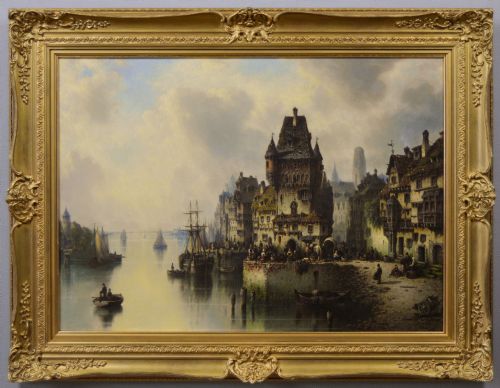
Buyers encountering this selection will frequently find oil paintings on canvas and watercolours on paper housed within ornate wooden structures. The forms range from antique picture frames to complete framed paintings depicting landscapes, harbour towns, and interior portraits.
How they were made
Makers constructed the framing structures from wood, applying layers of gesso and gold leaf to achieve a lustrous metallic finish. Artisans moulded the complex, curving profiles characteristic of the Rococo Revival style by hand.
Painters applied oil and watercolour pigments onto canvas and paper supports. These traditional mediums capture fine details in subjects ranging from floral vases to coastal waters.
Swept Gilded Frame Artwork Retail Price Guide 2026
Typical asking prices for swept gilded frame artwork among the pieces listed under this phrase on Sellingantiques today, from the lower quarter to the upper quarter. They describe what is for sale here now, not the wider market.
Cows by a river quietly observe centuries of artistic change from within their gilded boundaries.
What varies in quality
The sophistication of the carved wooden moulding and the application of the gold leaf determine the visual impact of the frame. Superior examples display crisp definition in the curves and scrolls without losing their underlying structural integrity.
The execution of the painted canvas or paper surface dictates the artistic merit of the overall piece. Skilled brushwork and harmonious colour palettes distinguish finer works from more standard productions.
Robert Eadie RSW·Sir Herbert Hughes Stanton·William Miller Frazer RSA·Emily Selinger·William Sidney Cooper·Ludwig Hermann·Owen Bowen·Kenneth Washburn
The Swept Gilded Frame Artwork Glossary
- Gesso
- A plaster-like mixture applied to wood as a smooth base before gilding. This material allows artisans to carve intricate relief details onto the frame.
- Gilt Wood
- Timber coated with a thin layer of gold leaf or metallic paint. It provides the signature luminous surface seen on antique frames.
- Watercolour
- A painting method where pigment is suspended in a water-based solution on paper. This medium creates translucent washes of colour.
- Rococo Revival
- An artistic style popular in the nineteenth century featuring asymmetrical scrolls and naturalistic plant motifs. It heavily influences the sweeping curves of these frames.
Swept Gilded Frame Artwork: Frequently Asked Questions
How do I date an antique frame?
Examine the underlying wood construction and the composition of the gesso layers beneath the gold leaf. Earlier pieces often display hand-carved details and distinct joinery methods.
Compare the moulding profile against known stylistic periods such as the seventeenth century or the Victorian era. Subtle shifts in decorative motifs help establish the manufacturing era.
Can I hang oil and watercolour paintings together?
Displaying oil and watercolour pieces in the same room works well when you manage the ambient light levels carefully. Watercolours on paper are sensitive to direct sunlight and require protective glazing.
Keep framed watercolours away from bright windows to prevent fading of the pigments. Oil paintings on canvas handle light more robustly but still benefit from stable indoor environments.
What subjects appear in these paintings?
The selection includes nineteenth-century landscapes, pastoral river scenes with livestock, and coastal harbour views. Floral still lifes and interior portraits also feature prominently among the available works.
Twentieth-century additions bring modernist still lifes and cubist-influenced compositions into the mix. This variety reflects changing artistic tastes across the centuries.
How should I clean gilded frames?
Remove surface dust gently using a soft, dry artist brush or a clean feather duster. Avoid applying moisture or chemical cleaning solutions directly to the gold leaf.
Licking or harsh rubbing can strip the delicate metallic finish from the wood substrate. Regular, gentle dusting preserves the historic surface safely.