




Swedish Wooden Box
A genuine swedish wooden box brings tactile warmth and historic utility into a room through hand-painted surfaces and robust pine construction.
Swedish Wooden Box
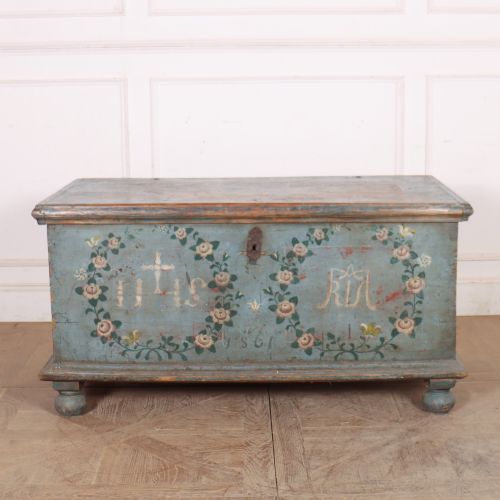
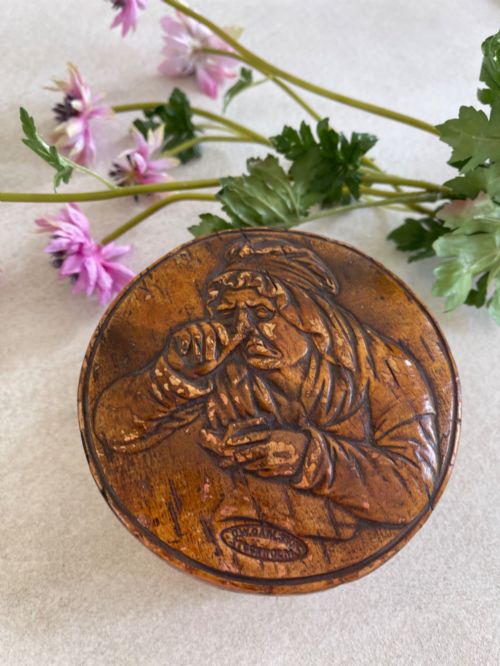
A swedish wooden box encompasses various domestic storage vessels, from small tabletop caskets and oval strong boxes to larger marriage chests and dome-top coffers.
The selections span the eighteenth and nineteenth centuries, reflecting Scandinavian country, folk art, and Gustavian stylistic influences.
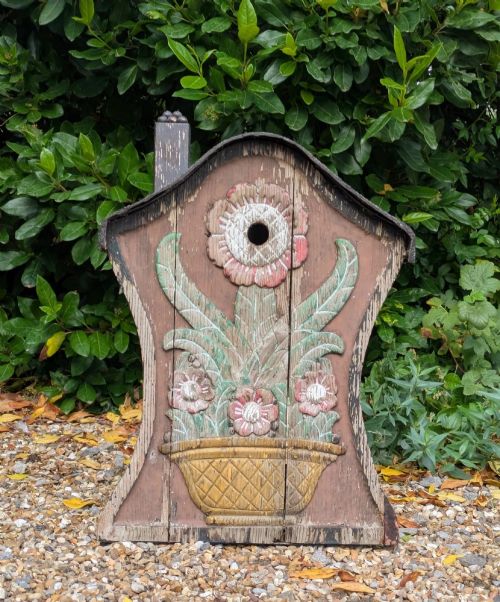
Buyers frequently encounter painted pine storage boxes and trunks decorated with traditional pigments alongside exposed natural timber grains.
Materials and Construction
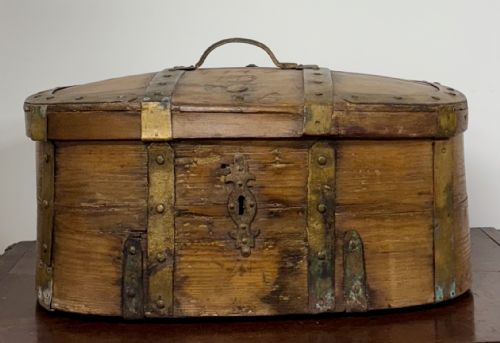
Carpenters relied primarily on pine for box bodies, utilising sturdy planks joined to endure heavy daily domestic use.
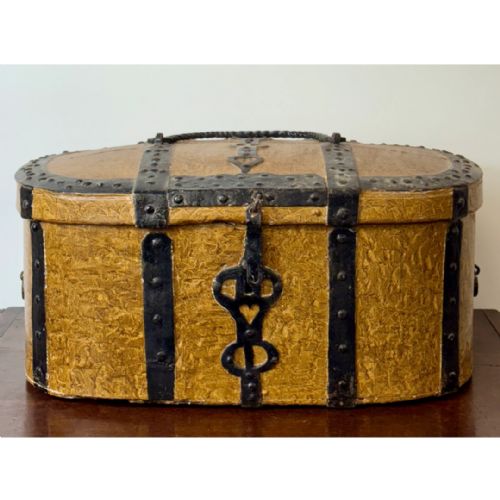
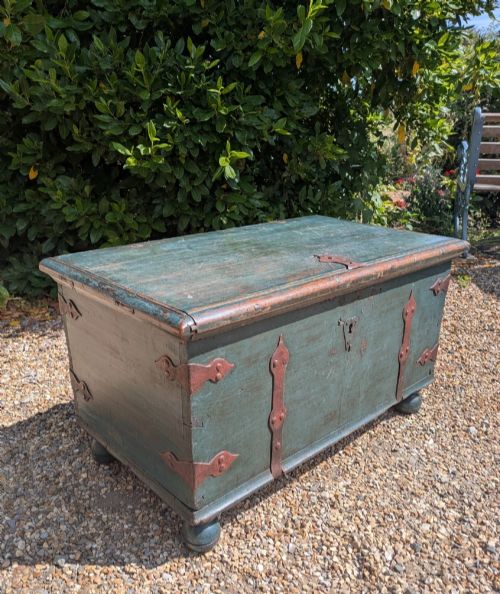
Makers applied traditional oil pigments and paint directly to the timber surfaces, often incorporating hand-forged iron strapwork and brass fittings for structural reinforcement and security.
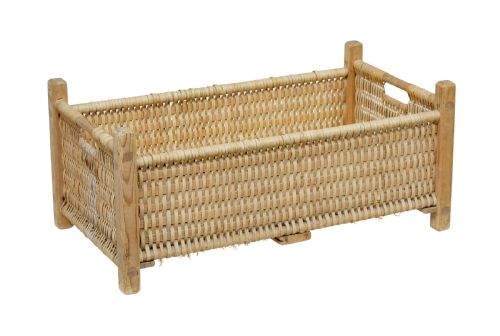
The inventory records functional domestic forms including dough bins, log baskets, mule trunks, and marriage chests.
Assessing Quality and Character
The integrity of the original paint surface dictates much of the character, with undisturbed pigment layers commanding greater interest than later overpainting.
Hand-forged ironwork and original strapwork demonstrate the smith's skill, distinguishing basic utility items from pieces made for significant occasions like weddings.
The Swedish Wooden Box Glossary
- Pine
- A softwood commonly utilised throughout Scandinavia for furniture and box construction due to its availability and workability.
- Folk Art
- Objects created by traditional craftsmen or rural communities, often featuring regional decorative motifs and unpretentious utilitarian designs.
- Strapwork
- Ornamental bands of iron applied to the exterior of a box or chest to reinforce the joints and secure the lid.
- Strong Box
- A heavy storage container, frequently fitted with robust iron hardware, designed to secure valuables and documents.
- Pigment
- Natural colouring matter mixed with a binder to create the decorative paint layers found on Scandinavian surfaces.
Swedish Wooden Box: Frequently Asked Questions
What were swedish wooden boxes used for?
These vessels served everyday storage needs in rural homes, holding textiles, dried goods, valuables, and documents. Specific forms like marriage boxes commemorated weddings and often held ceremonial gifts.
Smaller tabletop versions kept personal items secure, while larger coffers and trunks stored household blankets and winter clothing.
How do I date an 18th-century marriage chest?
Dating relies on construction methods, timber selection, and the style of the painted decoration. Eighteenth-century examples typically display earlier regional folk art motifs and heavier hand-wrought ironwork.
Examining the underside, interior joints, and pigment wear helps confirm the period against nineteenth-century alternatives.
Are painted pine boxes cleaned or restored?
Maintenance involves gentle cleaning to preserve the original surface pigments without stripping away historical patina. Collectors generally prefer pieces that retain their original paint layer rather than those with modern refinishing.
Waxing is occasionally applied to nourish dry pine and protect exposed iron fittings from further oxidation.
How do I style a folk art box at home?
These boxes function well as coffee table storage, accent pieces on sideboards, or blanket chests at the end of a bed. Their painted surfaces introduce colour and texture into neutral or rustic interiors.
Placing them away from direct heat sources and strong sunlight protects the historic timber and pigmented finishes.