




Swedish Furniture Pair
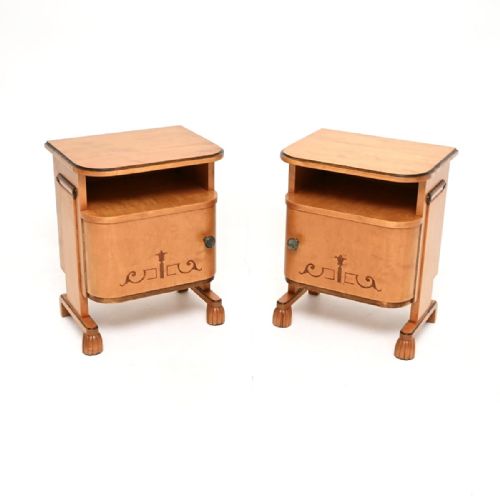
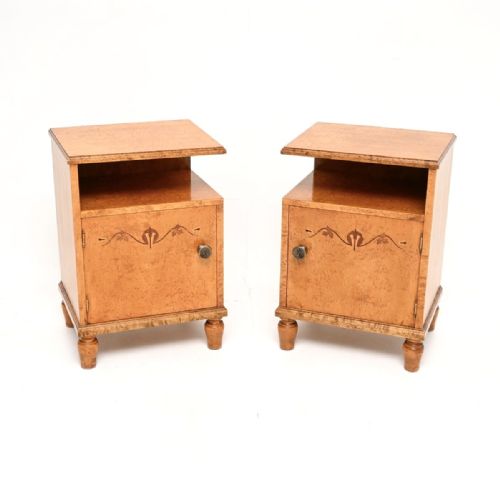
A Swedish furniture pair brings symmetry and architectural restraint to a room, offering matching proportions in pine, satin birch and painted wood.
Swedish Furniture Pair
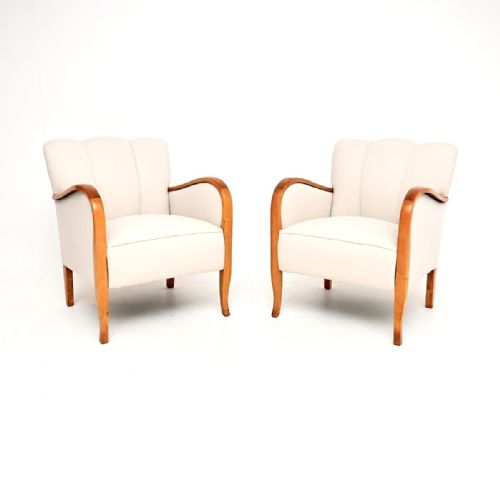
When searching for a swedish furniture pair, buyers encounter matched sets of seating, storage and small tables spanning the eighteenth century through to the Art Deco period. The selection includes armchairs, stools, bedside cabinets and chests of drawers intended to function in tandem within a domestic interior.
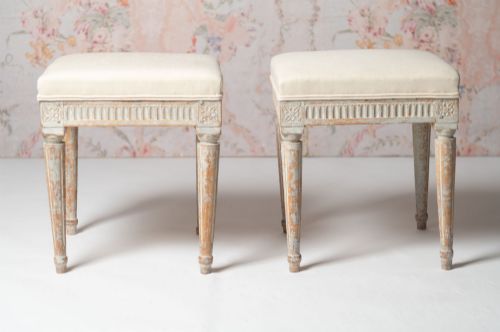
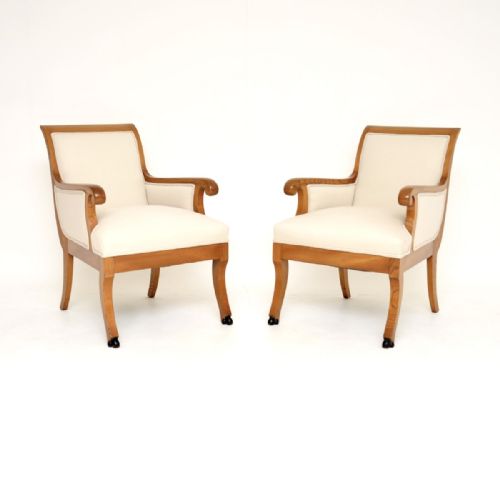
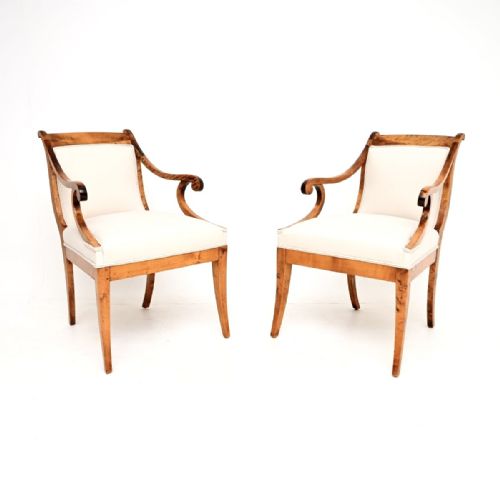
Seating forms range from eighteenth-century Gustavian stools and carved gilt armchairs to nineteenth-century Biedermeier satin birch chairs and Neoclassical elm designs. Tables and storage pieces frequently appear as demi-lune console tables, side tables and painted commodes reflecting Scandinavian country and neoclassical influences.
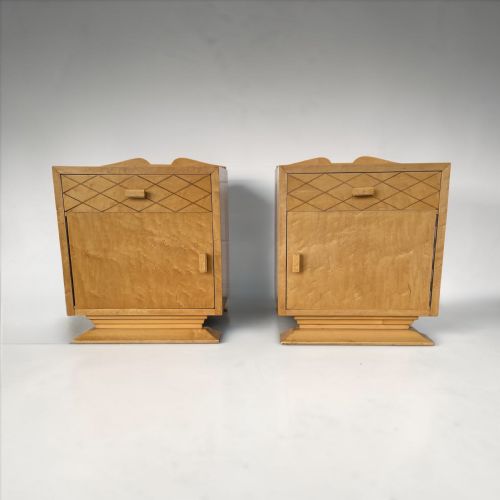
The nineteenth century provides the highest volume of surviving pairs, particularly painted chests of drawers and satin birch occasional tables. Twentieth-century examples shift towards Scandinavian Art Deco and Swedish Grace aesthetics, especially in bedside cabinets and armchairs.
How they were made
Construction relies heavily on native timbers such as pine, birch veneer and solid elm, complemented by decorative applications of paint and satin birch. Carpenters utilised traditional joinery methods to build stable carcases for chests of drawers and sturdy frames for seating.
Surface treatments define much of the visual character, ranging from layered painted finishes and ragwork effects to polished satin birch and faux marble top surfaces. Brass hardware and gilt carving occasionally provide focal accents on neoclassical and empire revival pieces.
What varies in quality
The distinction between standard examples and finer pieces lies in the crispness of the carving, the selection of timber veneers and the preservation of original painted surfaces. Master carpenters achieved superior proportions and more refined detailing in neoclassical armchairs and satin birch cabinetry.
Surface integrity greatly influences the standing of a piece, with untouched painted finishes or well-figured satin birch grain holding higher aesthetic merit than heavy restoration. The precision of turned elements on chairs and tables further indicates the level of workshop skill involved.
The Swedish Furniture Pair Glossary
- Gustavian
- The Swedish interpretation of neoclassical design, characterised by restrained carving, fluted legs and pale painted finishes. This style emerged during the reign of Gustav III in the late eighteenth century.
- Biedermeier
- A Central European and Scandinavian style popular in the nineteenth century, focusing on utilitarian comfort and clean lines that highlight the natural grain of woods like satin birch.
- Demi-lune
- A half-moon shape commonly applied to console tables and occasional tables designed to sit flush against a wall. These tables often feature two or three legs and folding or fixed tops.
- Satin Birch
- A pale, highly figured timber derived from birch trees, prized for its shimmering grain patterns in nineteenth-century and Art Deco Scandinavian furniture.
- Ragwork
- A decorative paint technique where rags are used to apply or manipulate colour on a surface, creating mottled or textured patterns typical of traditional painted furniture.
Swedish Furniture Pair: Frequently Asked Questions
How do I style a furniture pair in a modern room?
Symmetrical placement works best when matching items are flanked on either side of a fireplace, bed or window. Using matching bedside cabinets or armchairs anchors the room and introduces a sense of formal balance.
Mixing painted finishes with natural satin birch or mahogany pieces prevents a space from looking too uniform while maintaining the integrity of Scandinavian design.
What is the difference between Gustavian and Biedermeier styles?
Gustavian pieces date predominantly from the late eighteenth century and early nineteenth century, featuring light painted wood, neoclassical motifs and carved fluting. They lean towards an airy, neoclassical aesthetic.
Biedermeier furniture developed later in the nineteenth century, favouring unpainted wood veneers like satin birch, minimal ornamentation and comfortable, solid proportions.
Are painted commodes durable for daily use?
Nineteenth-century painted commodes and chests of drawers were built from sturdy timbers such as pine and hardwood, making them robust for regular storage. Traditional painted finishes withstand normal domestic use provided they are kept away from excessive moisture.
Regular dusting with a dry cloth helps preserve the original surface layers without stripping historic paint.
How do I identify Art Deco Swedish pieces?
Swedish Art Deco and Swedish Grace pieces from the 1920s and 1930s typically feature streamlined geometry, smooth satin birch surfaces and minimal carved decoration. Bedside cabinets and armchairs from this era emphasise functional elegance and luxurious wood grains.
These twentieth-century designs abandon heavier nineteenth-century revival motifs in favour of cleaner, more abstract silhouettes.