

Sub Seconds Mechanical Watch
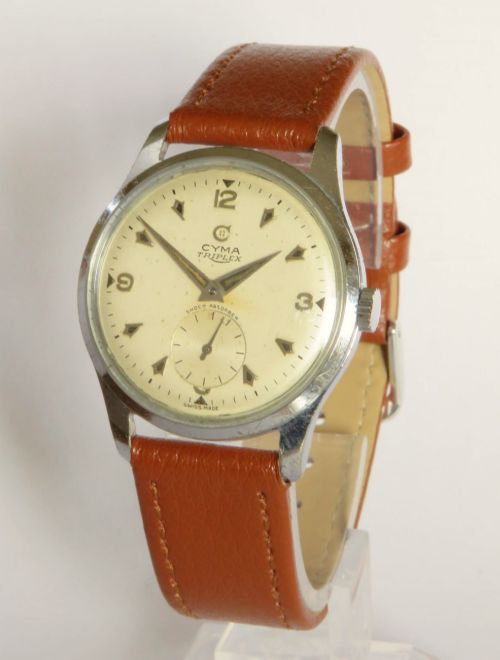
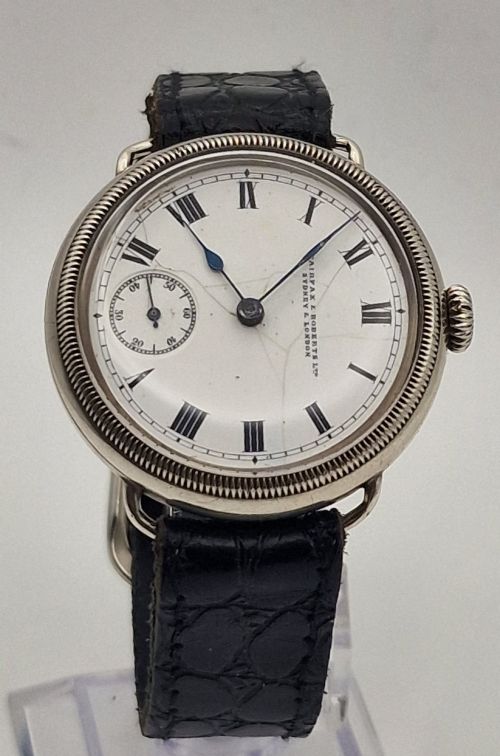
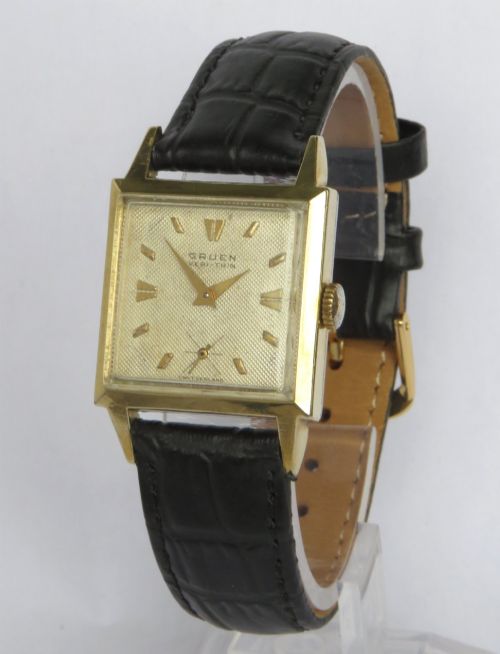
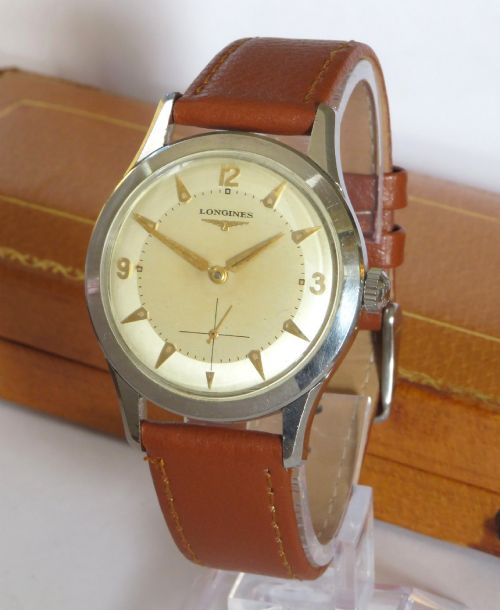
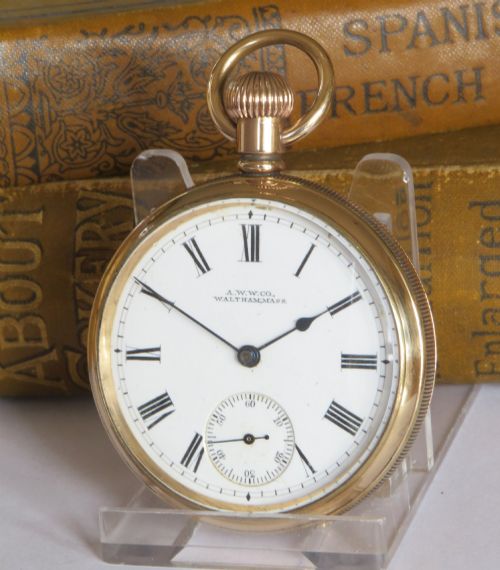
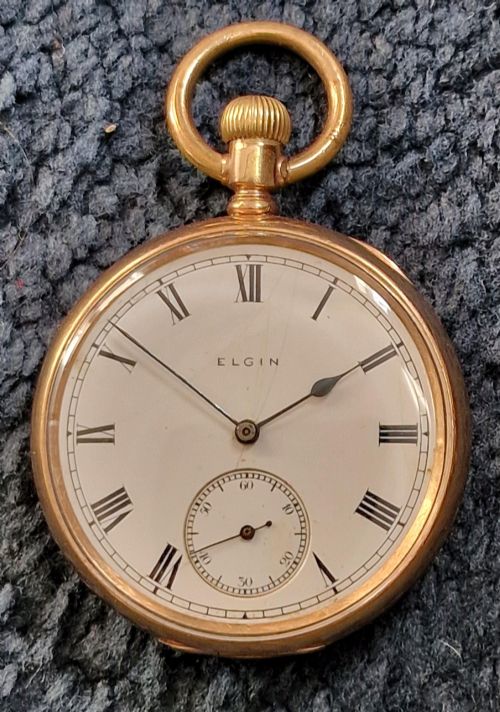
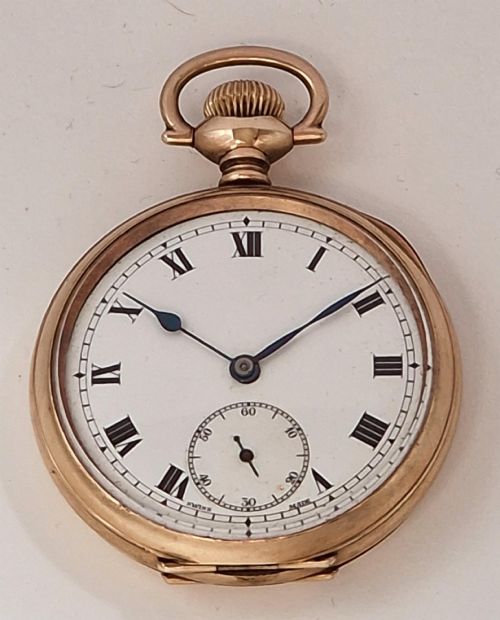
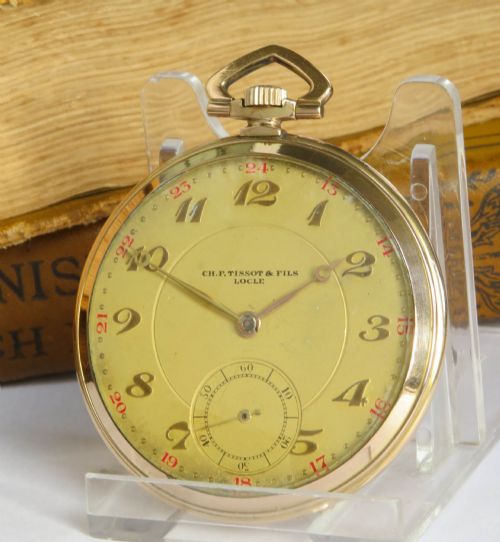
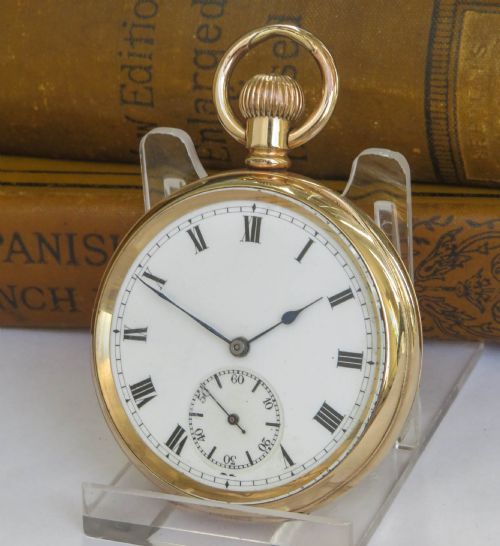
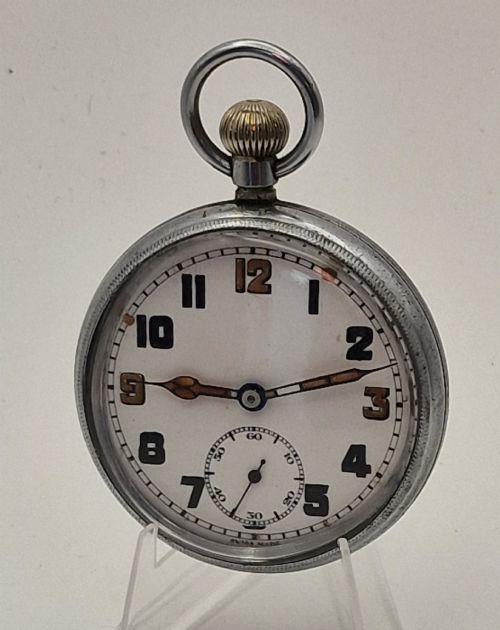
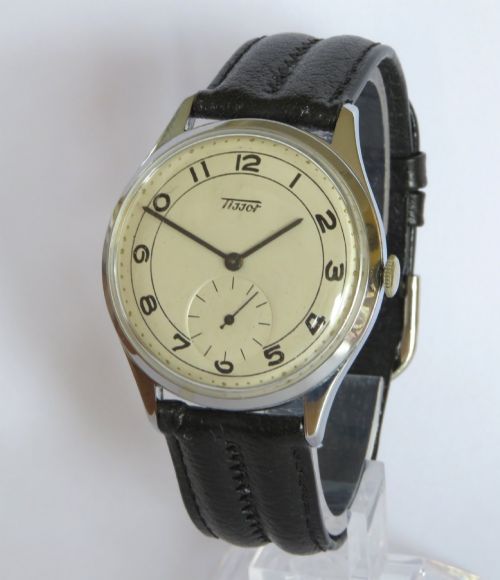
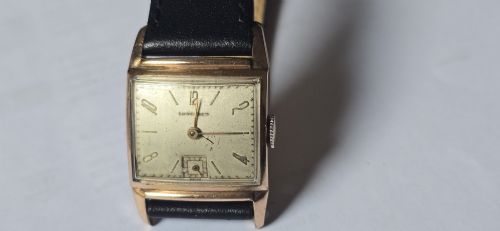
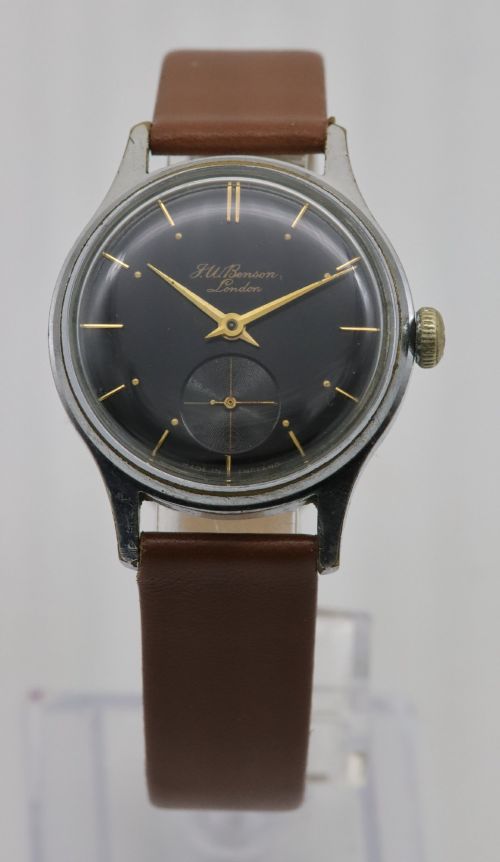
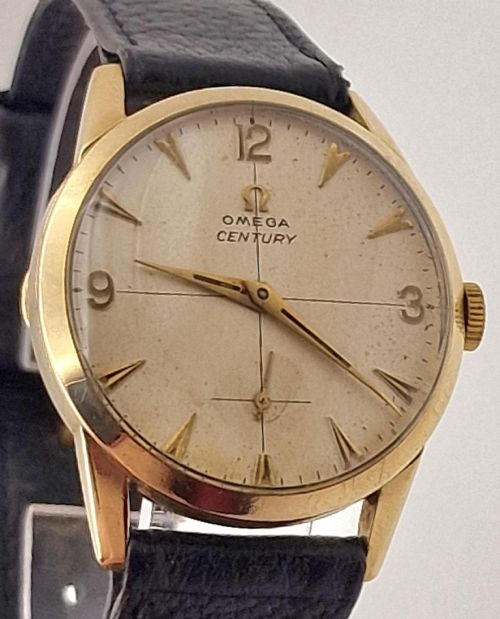
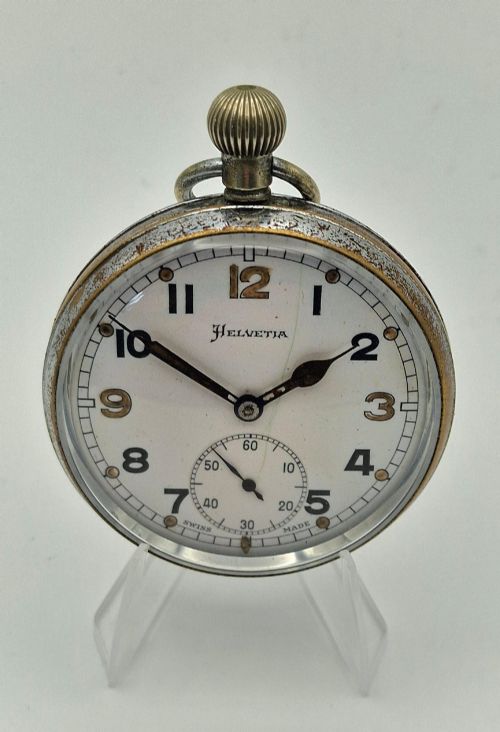
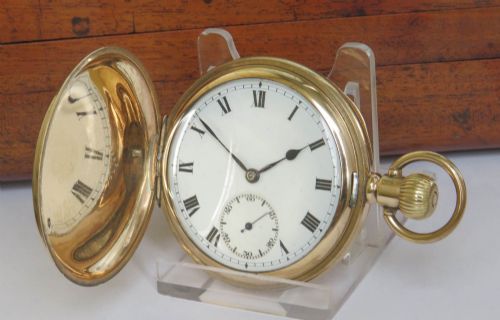
A sub seconds mechanical watch offers a traditional face design where the hour and minute hands share the centre while a separate dial tracks the seconds.
Sub Seconds Mechanical Watch
A sub seconds mechanical watch groups together portable timepieces driven by wound springs rather than batteries. When you search for a sub seconds mechanical watch, you encounter both pocket watches and wristwatches originating from decades spanning the early twentieth century through to the mid-century period.
The selections on this page draw from Victorian, Edwardian, Art Deco and mid-century design traditions. Pocket watches dominate the earlier decades, while wristwatches appear more frequently from the nineteen-forties and nineteen-fifties onward, incorporating styles like mid-century modern and nineteen-forties vintage.
Materials and construction
Cases utilise metals such as stainless steel, brass, silver and gold plate, often paired with glass crystals protecting the dial and enamel applied to the face or numerals. Leather straps accompany many wristwatches, while pocket watches frequently connect to chains made from matching metals.
Movements rely on mechanical gear trains driven by mainsprings, assembled by makers across Switzerland and Britain. Niello technique appears on specific pocket watch cases, creating dark metallic decorative contrasts against silver surfaces.
Sub Seconds Mechanical Watch Retail Price Guide 2026
Typical asking prices for sub seconds mechanical watch among the pieces listed under this phrase on Sellingantiques today, from the lower quarter to the upper quarter. They describe what is for sale here now, not the wider market.
Design aesthetics represented across the available inventory include Art Deco, Edwardian, Victorian, mid-century and nineteen-forties vintage styles.
Evaluating craftsmanship
Distinctions in quality rest upon the precision and finish of the movement components housed inside the case. Higher-grade examples demonstrate finer tolerances in gear cutting and more sophisticated jewel bearings that reduce friction over long periods of operation.
External execution also separates tiers of production, seen in the crispness of enamel dial lettering, the weight and uniformity of silver or gold-plated cases, and the preservation of original components such as matching hands and signed bridges.
J W Benson·Omega·Thomas Russell and Son·Cyma·Waltham·Longines·Smiths·Rotary·Tavannes
The Sub Seconds Mechanical Watch Glossary
- Sub seconds
- A small auxiliary dial positioned usually at the six o'clock position that tracks the seconds independently from the main hour and minute hands.
- Hunter pocket watch
- A pocket watch fitted with a spring-loaded metal cover that protects the glass crystal from scratches and impacts.
- Half hunter
- A pocket watch case featuring a small glass or open aperture in the outer cover allowing the user to check the time without fully opening the lid.
- Niello
- A black metallic alloy used as an inlay on engraved silver surfaces to produce dark contrasting decorative patterns.
- Calibre
- The specific manufacturer's designation for a particular watch movement design and size.
Sub Seconds Mechanical Watch: Frequently Asked Questions
How do I wind a mechanical watch?
Turn the crown clockwise between your thumb and forefinger until you feel gentle resistance. Stop immediately once the spring feels tight to avoid damaging the internal mechanism.
Most vintage pieces require winding once every twenty-four to forty-eight hours depending on the specific power reserve designed into the movement.
What is a sub seconds dial?
A sub seconds dial is a minor circle set into the lower portion of the main watch face. It employs its own dedicated hand to measure seconds independently from the primary hour and minute hands.
This layout represents a traditional approach to watchmaking found across many pocket watches and early wristwatches.
Are these watches waterproof?
Vintage mechanical timepieces lack modern rubber gaskets and screw-down crowns designed to repel moisture. Exposure to water or heavy rain can cause rust within the movement and ruin the dial.
Keep these items away from sinks, swimming pools and humid bathrooms to preserve their delicate internal components.
How do I date my watch?
Examine the hallmarks on silver or gold cases for assay office symbols and date letters. Serial numbers stamped onto the internal movement plates can also be cross-referenced against maker production records.
Stylistic cues such as dial typography and case shapes help narrow down the decade of manufacture when documentation is missing.