

Stripped Pine Larder
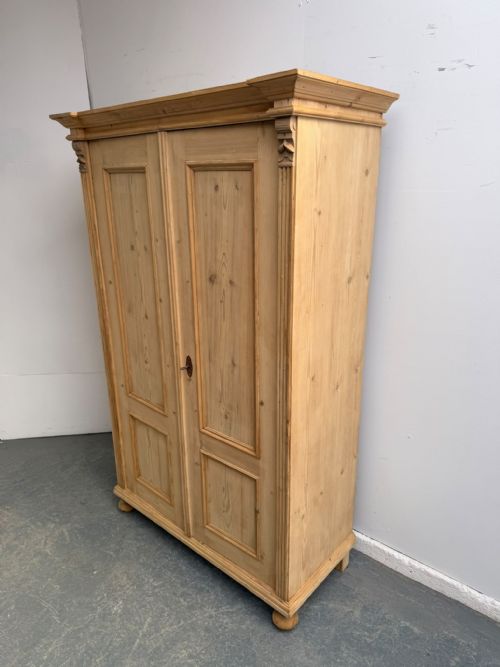
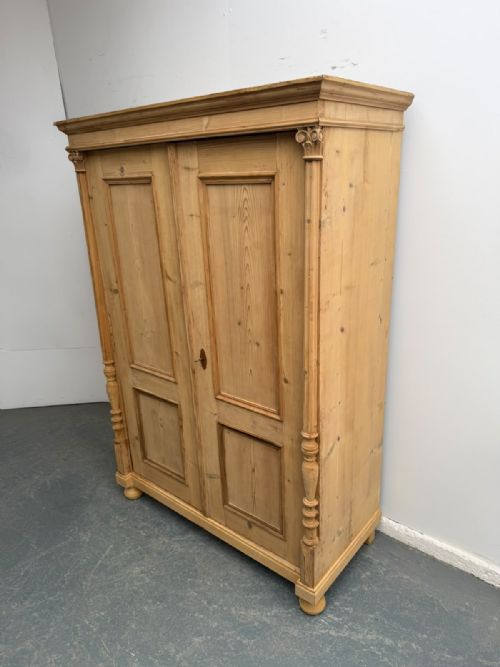
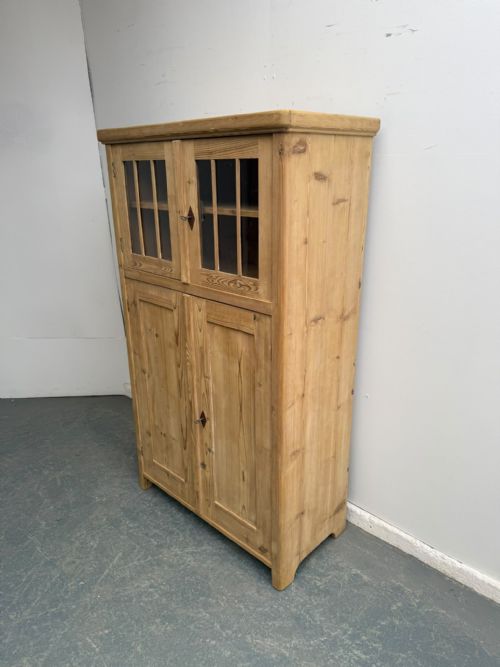
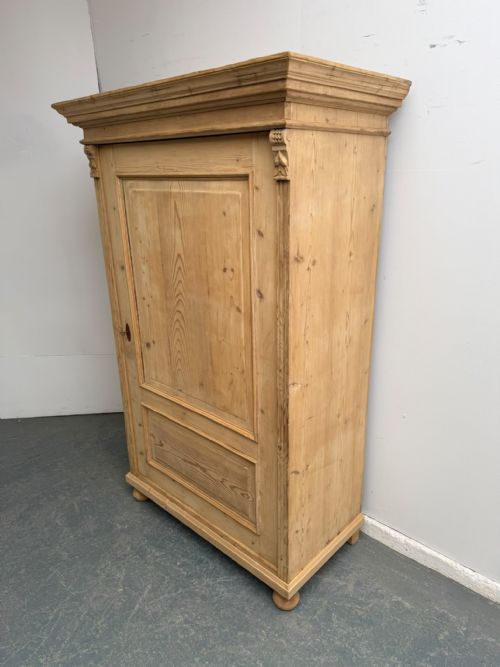
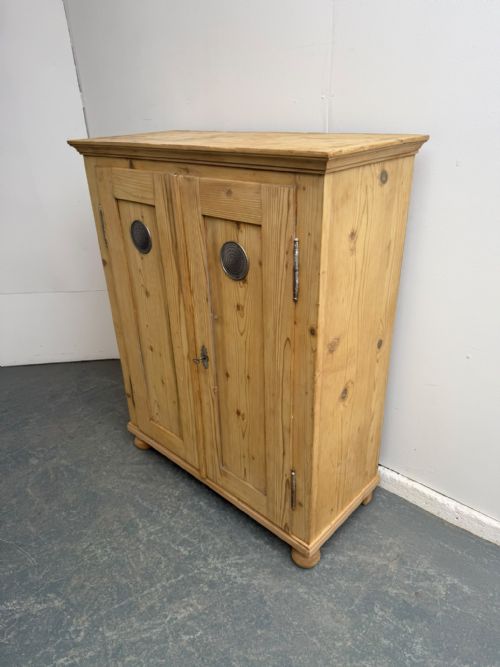
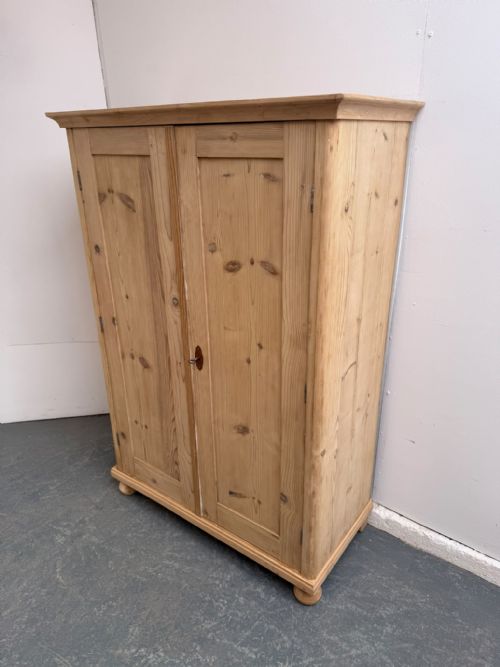
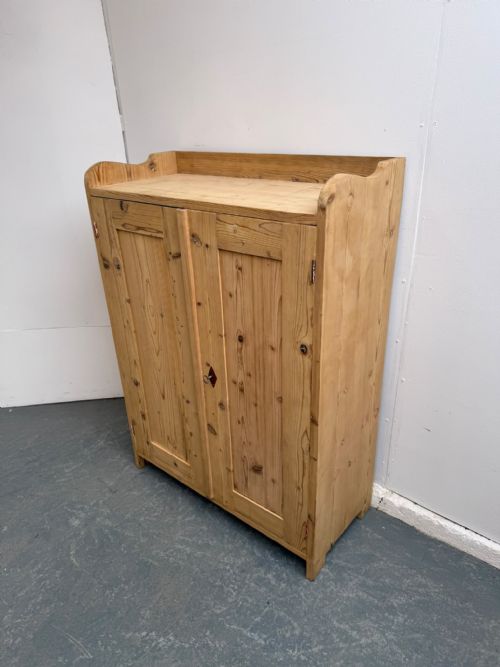
These stripped pine larder pieces are utilitarian domestic cupboards built to store provisions, bringing honest grain and practical storage to modern kitchens.
Stripped Pine Larder
When you search for a stripped pine larder, you find large, hard-working storage pieces that once held food in nineteenth-century homes. The examples available span the Victorian era, the year 1910, and the Georgian period, often described simply as old pine or antique pine.
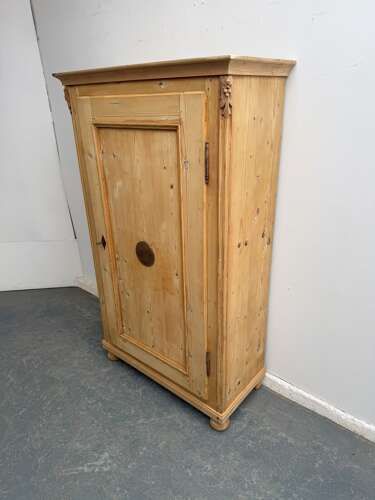
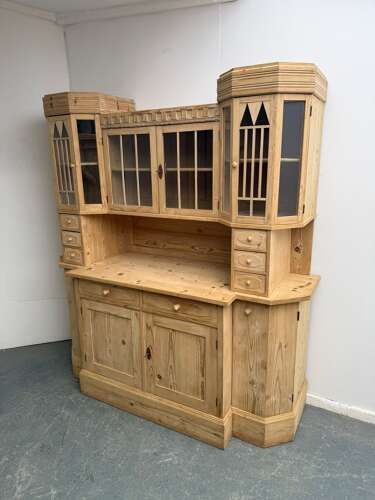
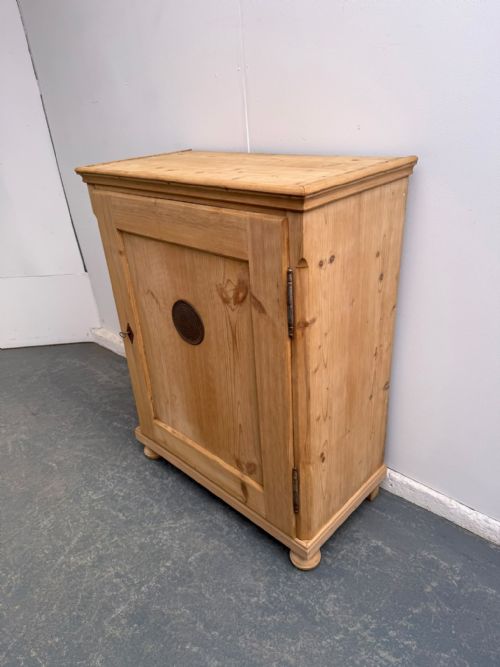
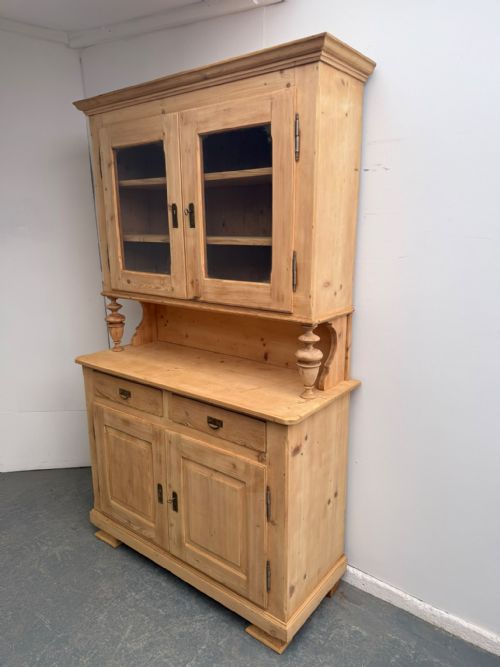
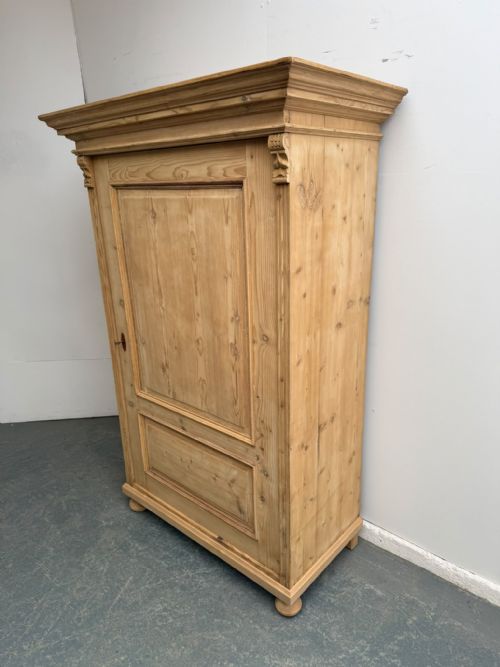
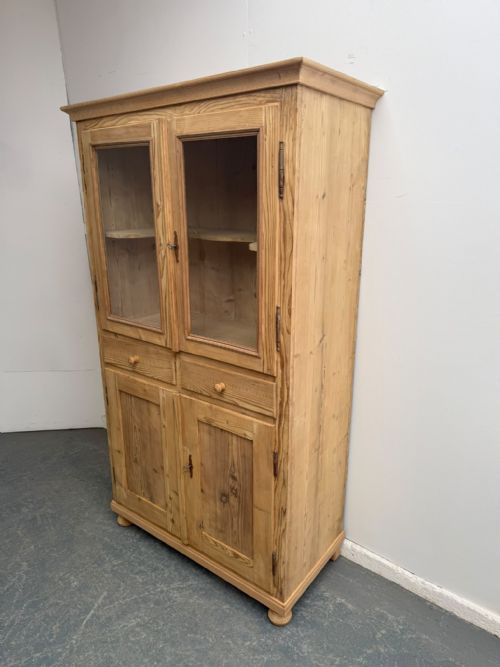
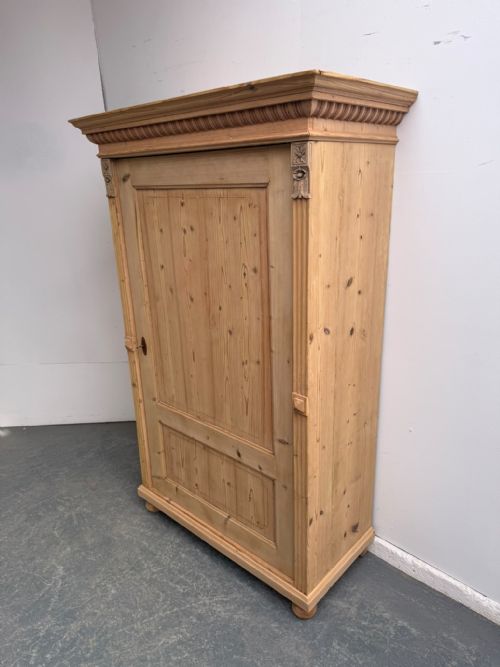
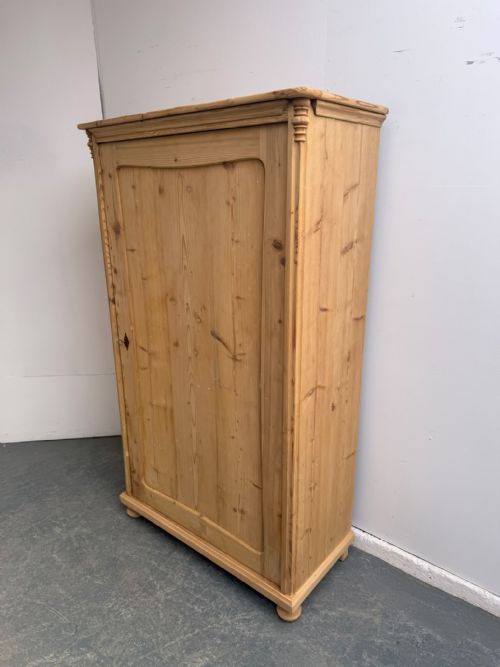
The most common form you meet on this page is the Victorian storage cupboard, ranging from single-door vented pieces to four-door glazed cabinets. These forms include kitchen dressers, storage cabinets, and armoires, reflecting the varied ways timber was utilised for domestic storage.
Alongside standard cupboards, the selection embraces specific regional and stylistic flavours such as French country, Georgian country, and rustic farmhouse. They arrive ready to wax or paint, retaining the versatile finish favoured by modern restorers.
Materials and Construction
The primary material across all listed items is pine, stripped back from older painted finishes to expose the natural timber grain. This softwood forms the solid carcases, shelves, and doors of the cupboards and dressers.
Metal hardware plays a functional role in these pieces, with iron, brass, and general metal fixtures appearing on hinges, latches, and pulls. Glazed panels also feature in specific display cabinets and storage units.
Construction techniques focus on practical utility, visible in fielded panels, adjustable internal shelving, and two-piece dresser builds. Many pieces incorporate ventilation elements, essential for their original purpose as food storage.
Pine, iron, glass, and brass are the primary materials recorded across these nineteenth- and early twentieth-century listings.
Assessing Quality and Build
The distinction between standard utility cupboards and finer pieces lies in the proportion and detailing of the timberwork. Better examples exhibit thoughtful joinery, such as fielded panels and careful carving on the doors.
Scale and configuration also dictate the character of the piece, distinguishing shallow single-door cupboards from expansive four-door storage cabinets and two-piece dressers. The depth of the carcase and the integration of internal fittings determine everyday usefulness.
The treatment of the pine itself affects the overall finish, with clean, wide boards offering a different visual weight than narrower timber assemblies. The presence of original hardware like brass or iron fixtures elevates the integrity of the piece.
The Stripped Pine Larder Glossary
- Fielded panel
- A wooden panel with bevelled or recessed edges designed to fit into a grooved frame. This technique allows the timber to expand and contract safely with changes in humidity.
- Vented cupboard
- A piece of furniture featuring mesh, pierced tin, or slotted panels to permit air circulation. This design kept food cool and fresh before mechanical refrigeration existed.
- Kitchen dresser
- A large piece combining base cupboards with upper shelving or display cabinets. It served as the central storage unit for crockery and provisions in older homes.
- Glazed display cabinet
- A storage unit featuring glass panes in the doors to showcase contents while protecting them from dust. These often appeared in the later Victorian period.
- Stripped pine
- Timber that has had its accumulated layers of twentieth-century paint removed to reveal the raw wood beneath. This finish highlights the natural grain and knots of the pine.
Stripped Pine Larder: Frequently Asked Questions
What is a stripped pine larder used for?
These cupboards were originally designed to store dry goods, perishables, and kitchen provisions in the days before domestic refrigerators. Their deep shelves and sturdy construction made them the central food store of the household.
Today, they translate easily into modern kitchens or dining rooms as pantry units, linen presses, or general storage cupboards for tableware and household items.
How do I tell Victorian pine from Georgian pine?
Georgian pine pieces generally display simpler, heavier carcase lines and earlier construction methods, reflecting eighteenth-century proportions. The timber often shows tighter grain and deeper patination.
Victorian examples tend to offer more variety in scale, from narrow single-door cupboards to large four-door glazed cabinets, often featuring decorative touches like fielded panels or carving.
What does ready to wax or paint mean?
This phrase indicates that the pine has been stripped of old paint or dark finishes and left bare. The raw wood is sanded and prepared for your own choice of surface treatment.
You can apply a clear wax to feed the grain and bring out a warm amber tone, or paint the exterior to suit your interior colour scheme.
Are these larders built in one piece?
Most of the smaller cupboards and single-door cabinets are constructed as a single solid unit. They rely on sturdy pine carcases built to last without disassembly.
Larger items, such as kitchen dressers, occasionally arrive in multiple sections, like a separate base and upper display tier, to make moving and positioning manageable.