
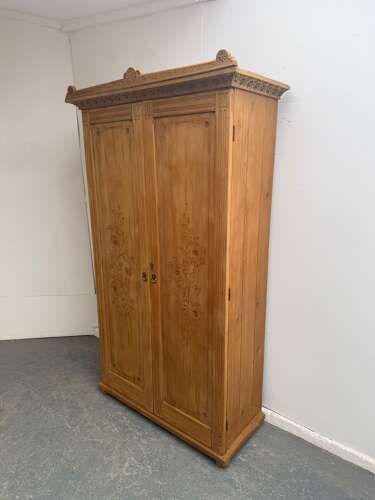
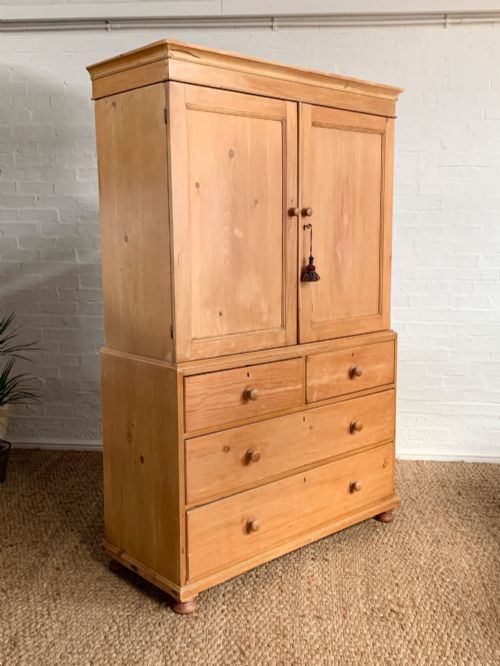
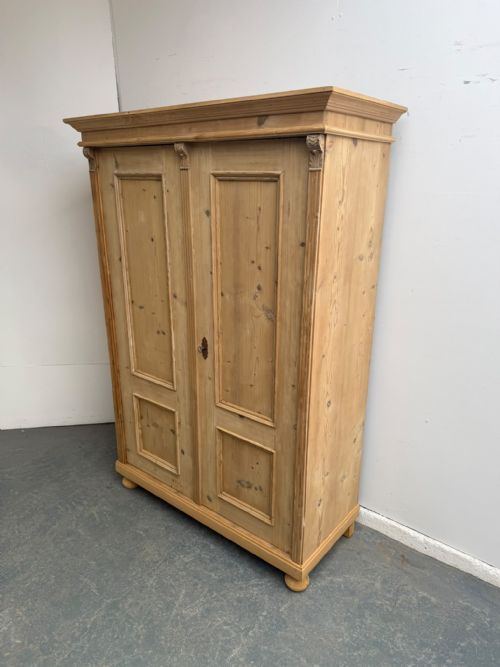
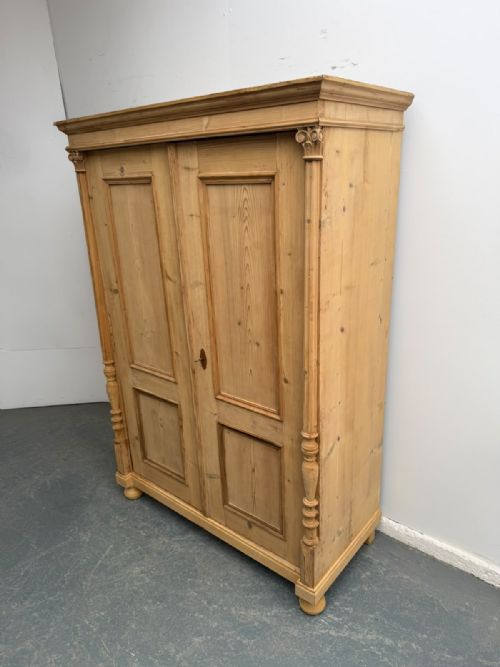
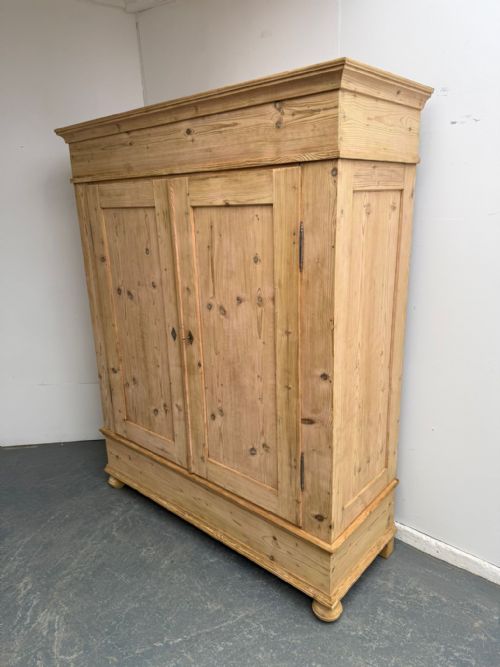


Honey Pine Linen Press
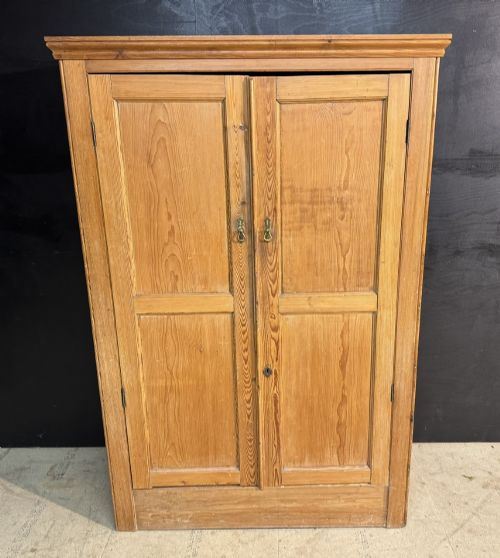
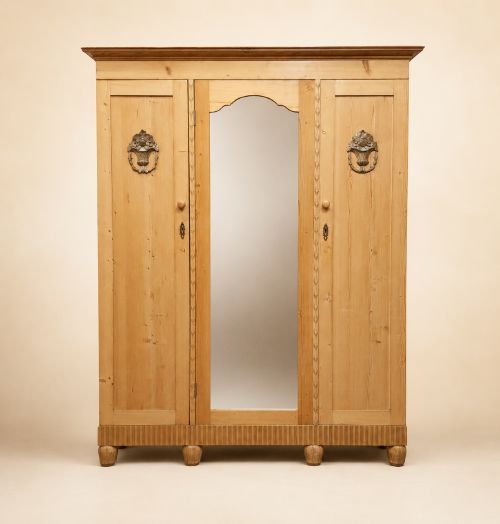
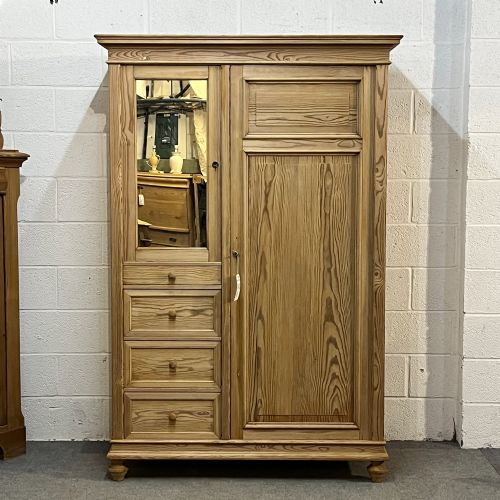
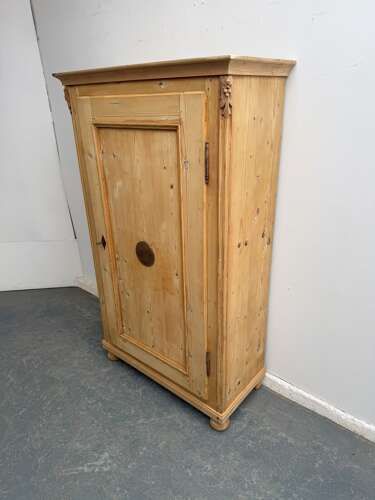
A honey pine linen press offers substantial bedroom storage built from robust timber, bringing warmth and character to an interior.
Honey Pine Linen Press
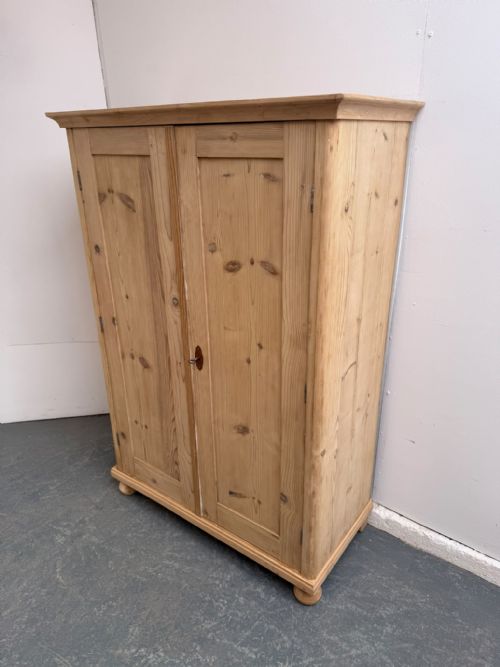
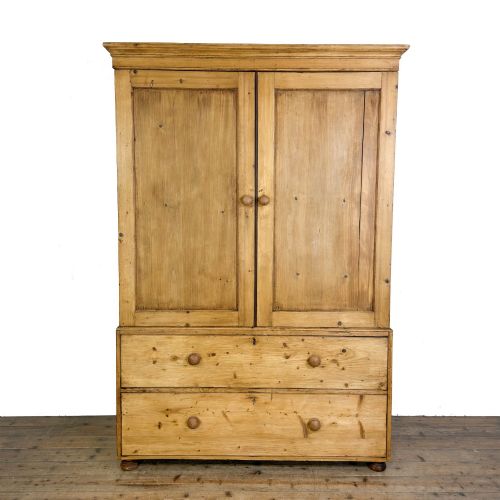
When buyers search for a honey pine linen press, they encounter large storage furniture primarily spanning the Georgian and Victorian eras, along with pieces from the early twentieth century. These items frequently manifest as tall wardrobes, cupboards, and compactum units designed for bedroom or hallway utility.
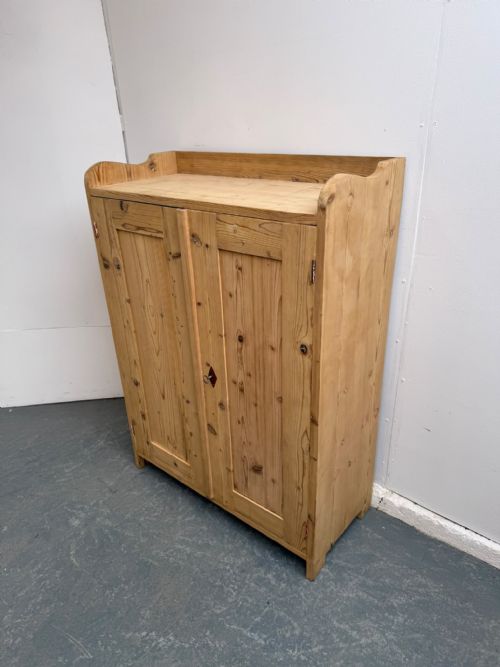
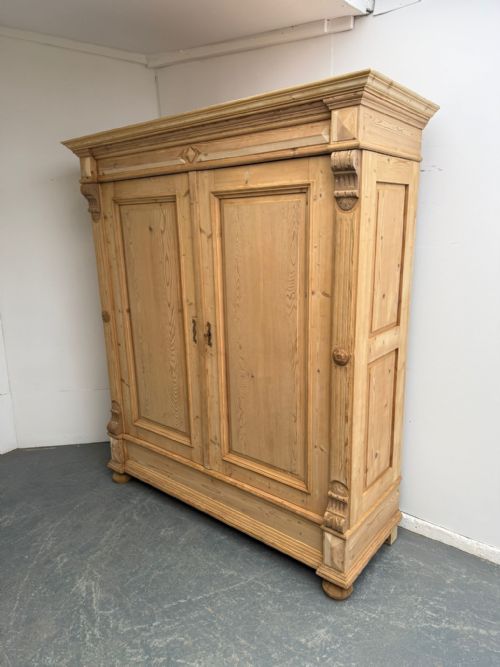
The dominant forms on this page include two-door knockdown wardrobes, fitted storage cupboards, and traditional presses that combine hanging space with internal shelving or drawers. Many examples originate from regional workshops or international sources such as Hungary, reflecting practical domestic storage needs.
Buyers select these substantial wooden pieces to introduce functional storage alongside historic charm. The natural grain and waxed finishes of the timber provide a warm aesthetic suited to both traditional and contemporary room schemes.
How they were made
Construction relies heavily on solid pine, including pitch pine varieties, assembled with traditional joinery methods that often allowed large wardrobes to dismantle for transport. Iron and brass hardware such as hinges, handles, and occasional lead light glass panels complete the structural and decorative elements.
Surface treatments depend significantly on the desired finish, with many examples featuring waxed pine to highlight the natural grain, whilst others remain prepared for painting. Additional materials like ceramic and metal appear in functional details like internal hooks and drawer pulls.
Several items arrive bearing the historic scars of old country kitchens and hurried household moves, retaining authentic charm.
What varies in quality
Quality in these storage pieces rests upon the selection of timber and the sophistication of the joinery rather than mere age. Superior examples display dense pine grain, well-fitted panel doors, and robust knockdown mechanisms that ensure structural stability.
Proportion and detailing also separate standard utility items from finer pieces, evident in columned cornices, carved ornaments, or thoughtful internal configurations involving multiple drawers and adjustable shelving.
Maple & Co.
The Honey Pine Linen Press Glossary
- Knockdown
- Furniture constructed to be easily dismantled into separate panels and sections for transport and reassembly. This technique was essential for moving large wardrobes up narrow staircases.
- Compactum
- A multi-functional wardrobe or storage cabinet combining hanging space with internal drawers, shelves, and sometimes shoe racks. These units maximise storage efficiency within a single footprint.
- Linen press
- A tall cupboard traditionally used for storing household linen, typically featuring upper shelving enclosed by doors and lower drawers. Many examples have since been adapted for general bedroom storage.
- Pitch pine
- A dense, resinous softwood sourced from pine species known for strong grain patterns and durability. It provides superior strength for heavy-duty structural components.
- Lead light
- Glass panels held together by lead caming, commonly found in doors of the Arts and Crafts and Art Nouveau periods. This technique allows decorative geometric or floral patterns within a window.
Honey Pine Linen Press: Frequently Asked Questions
What is a compactum wardrobe?
A compactum wardrobe is a comprehensive storage unit that integrates hanging space, compartments, and drawers into one piece of furniture. It offers varied internal organisation for garments and accessories.
These pieces were designed to maximise bedroom storage efficiency before fitted furniture became standard in domestic interiors.
How do knockdown wardrobes work?
Knockdown wardrobes are constructed using modular sections, bolts, and slot-together joints that allow the entire piece to be separated into flat panels. This design enabled easier transport into upper-floor bedrooms.
Owners can assemble and disassemble the frame repeatedly without compromising the structural integrity of the timber.
How should I care for waxed pine?
Waxed pine requires periodic application of natural beeswax to nourish the timber and maintain a protective barrier against moisture. Regular dusting with a soft cloth preserves the finish.
Avoid placing these pieces near direct heat sources to prevent the wood from drying out or splitting over time.
How do I identify a Victorian pine piece?
Victorian pine furniture often displays heavier proportions, hand-cut dovetails on drawers, and traditional waxed or painted finishes. Iron and brass hardware from this era reflects robust industrial production.
Stylistic markers such as arched cornices or simple paneling help distinguish nineteenth-century examples from later twentieth-century reproductions.