
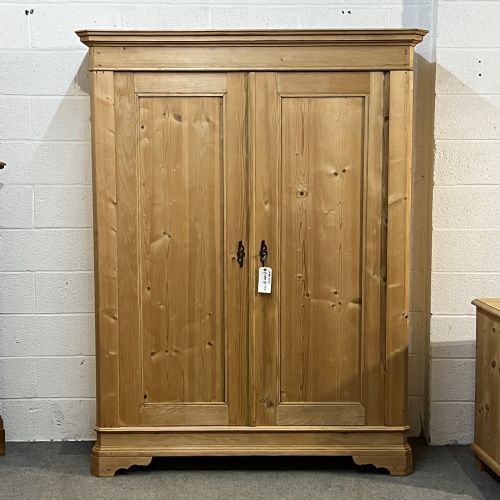
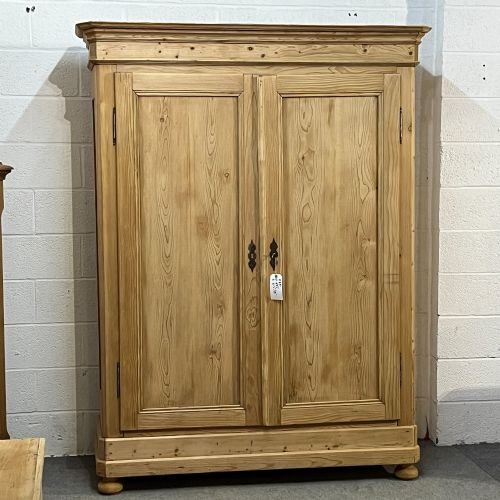
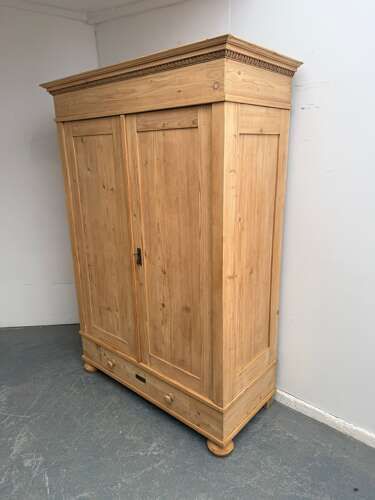
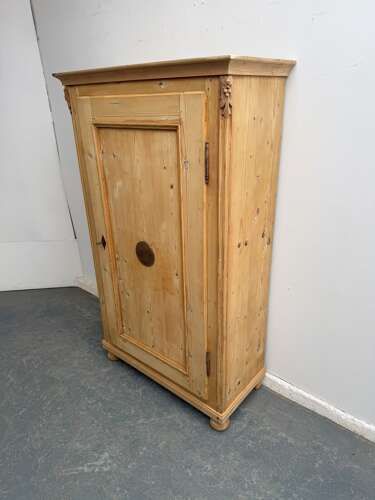
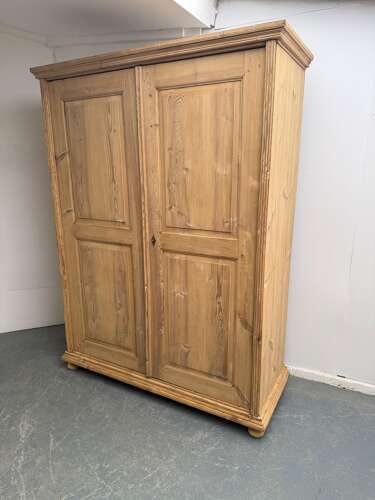
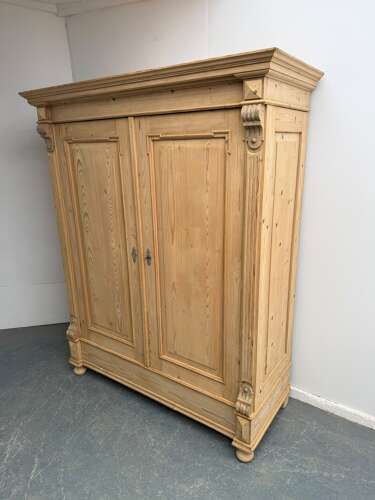
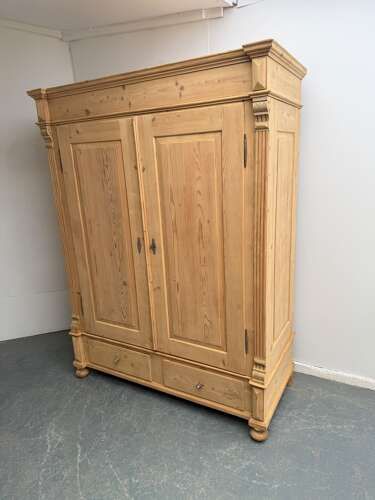
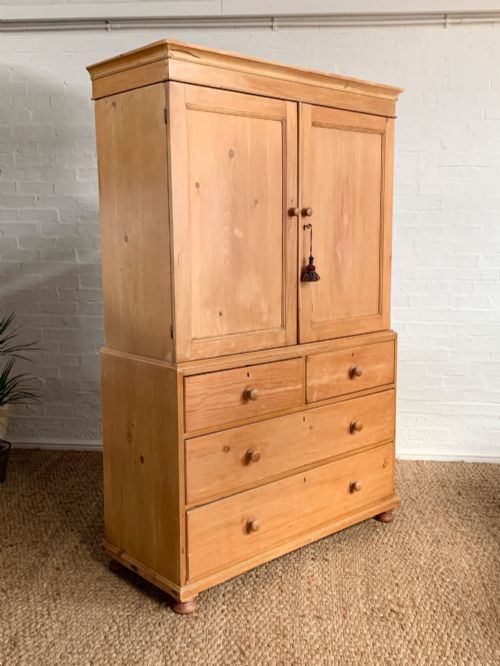
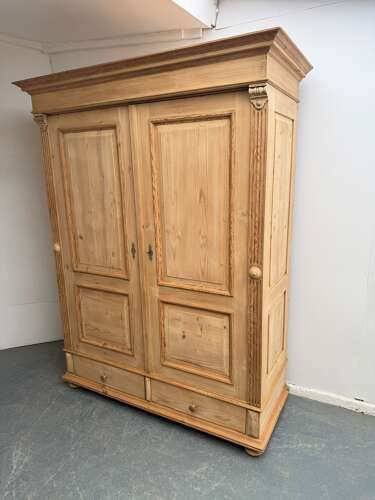
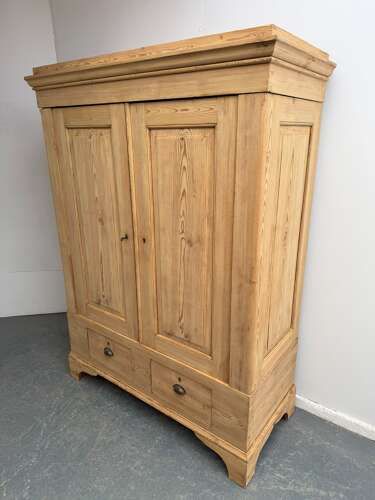
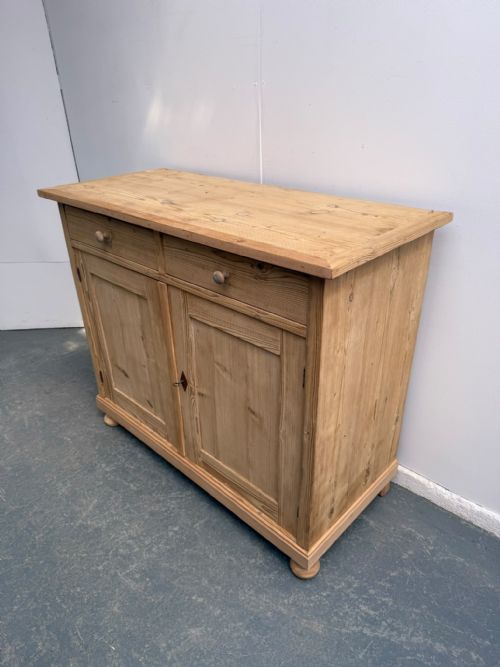
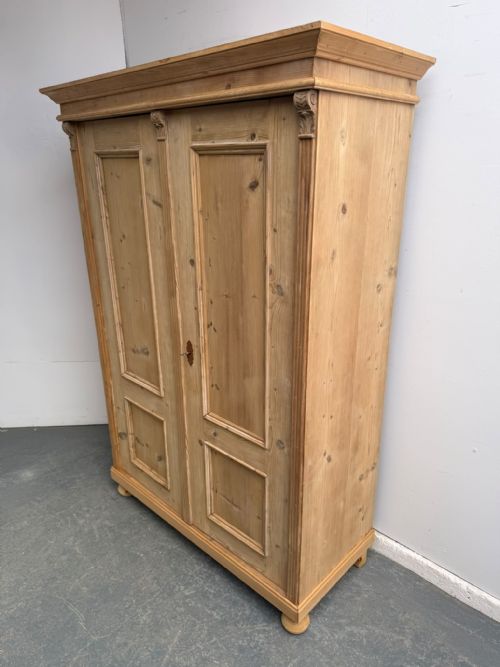
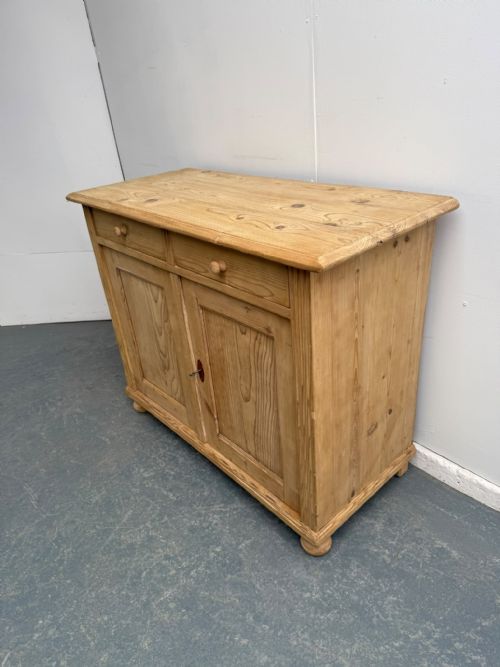
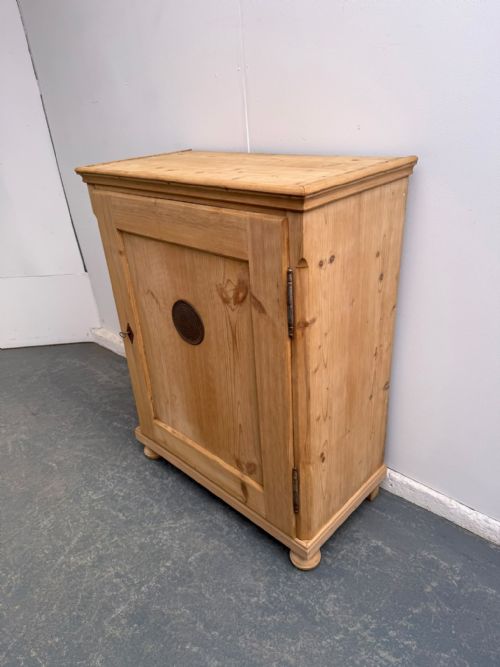
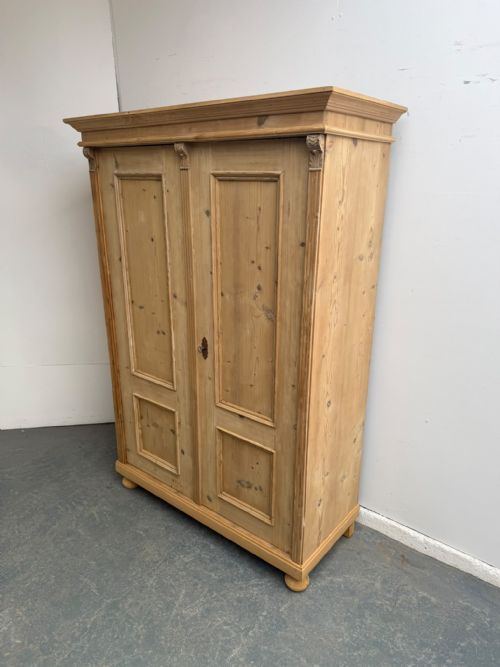
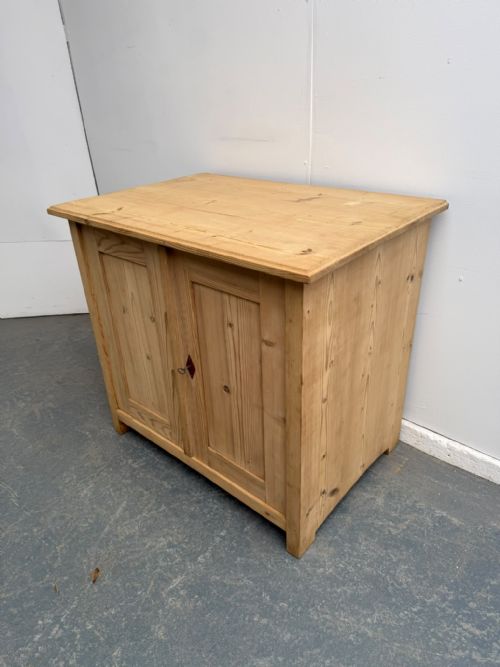
Stripped Pine Door
These stripped pine door listings offer solid timber architecture built to divide rooms or enclose storage with honest grain.
Stripped Pine Door
A stripped pine door provides functional timber architecture for period interiors, appearing as internal room entries fitted with leaded or stained glass. The selection draws from Victorian, Georgian, and nineteenth-century eras, reflecting domestic building traditions across past centuries.
Buyers encounter single and double formats, often retaining original glazing or panel construction designed for wax or paint finishes. These architectural elements suit period renovations seeking genuine historic fabric rather than modern reproductions.
Assessing quality in historical timber work
Quality depends upon the integrity of the timber frame, the precision of the original joinery, and the condition of integrated glass elements. Heavier construction and intact period hardware distinguish better examples.
The degree of surface preparation and the preservation of original glazing patterns also influence the overall character of the piece.
Current listings and historical archives feature Victorian, Georgian, and nineteenth-century pine panels incorporating leaded glass and brass ironmongery.
The Stripped Pine Door Glossary
- Stripped pine
- Timber joinery from which old layers of paint or dark finish have been removed to reveal the natural grain beneath. This exposes the underlying softwood character.
- Leaded glass
- Small panes of glass held together within decorative patterns by narrow strips of lead came. This technique provides rigidity and pattern to windows and door panels.
- Internal door
- A structural panel designed to close off interior rooms rather than withstand exterior weather conditions. These focus on domestic division and light transmission.
- Stained glass
- Coloured glass pieces assembled within a lead framework to create decorative translucent scenes or geometric designs. It adds colour when light passes through the panel.
Stripped Pine Door: Frequently Asked Questions
How do I hang a heavy pine door?
Hanging these timber panels requires robust hinges capable of supporting the weight of solid softwood and glass. Proper alignment within the doorframe ensures smooth operation over time.
Carpenters often recommend checking plumb lines carefully before fixing hardware to prevent binding along the floor or jambs.
Can I paint a stripped pine door?
These surfaces accept paint readily after proper preparation and priming of the bare softwood grain. Many historical examples were originally painted rather than left as exposed timber.
Applying a suitable primer prevents resin bleed from knots before adding topcoats of traditional or modern paint.
Are these doors suitable for bathrooms?
Softwood architecture functions in humid environments provided adequate ventilation protects the timber from moisture retention. Applying suitable protective finishes guards against warping.
Regular maintenance helps preserve the joint integrity in areas subject to steam and temperature changes.
How do I date a pine door?
Dating relies upon examining construction techniques, moulding profiles, and the type of glass integrated into the frame. Georgian and Victorian examples display distinct joinery characteristics.
Hardware placement and screw types also offer clues regarding the decade of manufacture.