






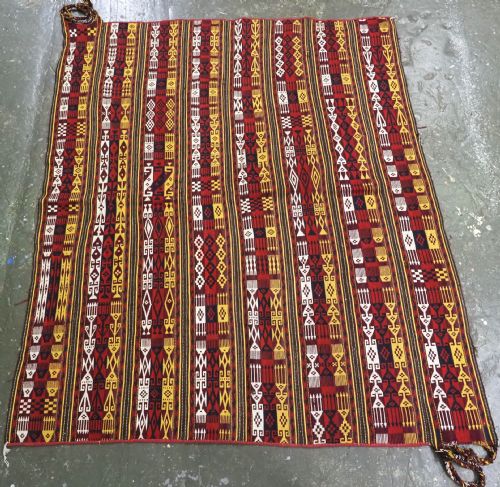

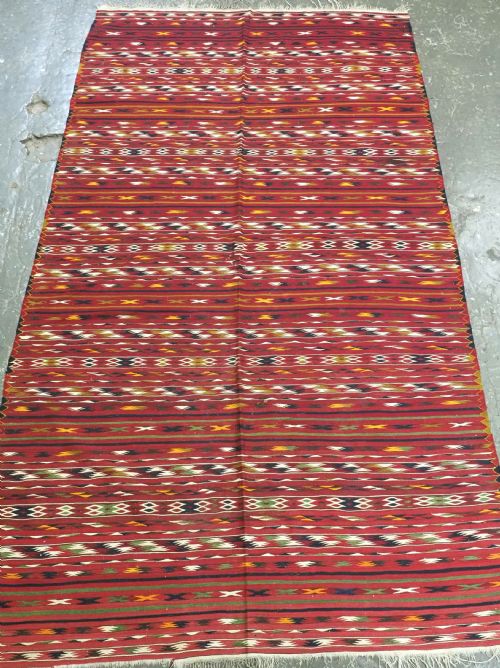

Striped Flatweave Rug
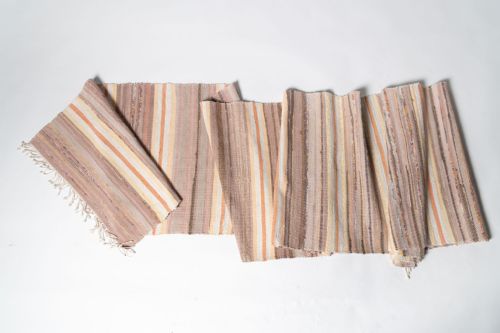
When you search for a striped flatweave rug, you find textiles built without pile through warp-faced or weft-faced interlocking structures.
Striped Flatweave Rug
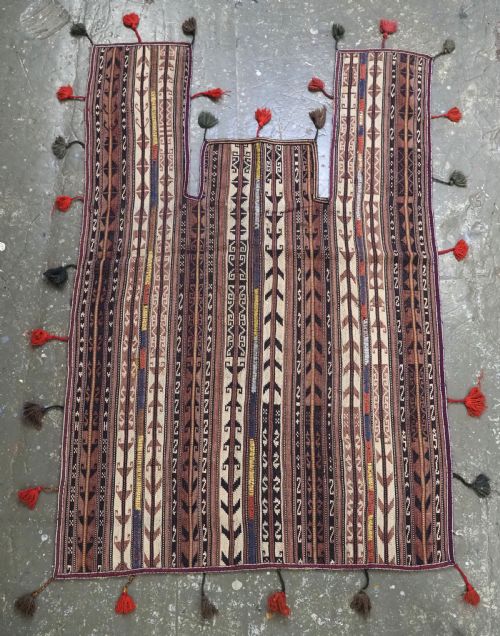
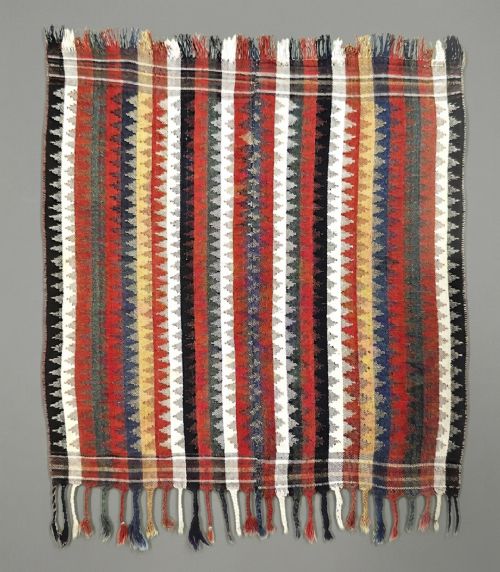
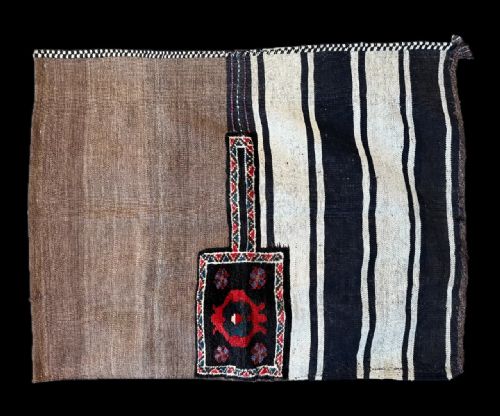
A striped flatweave rug encompasses a variety of utilitarian tribal textiles, including kilims, sofres, jajims, and grain sacks originating from Persia, Central Asia, and the Caucasus. These textiles date primarily from the late nineteenth century and the early decades of the twentieth century, reflecting traditional nomadic and village weaving practices.
The most common formats on this page are flatwoven covers, floor spreads, and banded kilims created by groups such as the Shahsavan, Qashqa'i, and Uzbek communities. Buyers encounter runners, panels, and animal trappings designed originally for domestic use inside tents and dwellings rather than formal decoration.
How they were made
The weavers utilised natural materials including hand-spun wool, cotton, linen, silk, and occasional goat hair, building sturdy textiles through straightforward interlacing. Wool provides the primary structural foundation for most pieces, offering resilience and a tactile surface.
Colour comes from natural dyes applied to the yarn before weaving, yielding organic tones that age evenly across bands and geometric motifs. Artisans employed specialised slit-tapestry and banded techniques, such as cicim and jajim weaves, to create crisp linear patterns without pile.
Striped Flatweave Rug Retail Price Guide 2026
Typical asking prices for striped flatweave rug among the pieces listed under this phrase on Sellingantiques today, from the lower quarter to the upper quarter. They describe what is for sale here now, not the wider market.
Several textiles began life as wheat sacks before finding new utility as floor spreads.
What varies in quality
Quality rests in the precision of the weave and the complexity of the banded or graphic design. Pieces with tighter structures and finer yarn preparation demonstrate greater control by the weaver.
The subtlety and depth of the natural dyes separate standard utility pieces from exceptional tribal examples. Harmony in the colour palette and integrity of the original tribal structure dictate the standing of each textile.
The Striped Flatweave Rug Glossary
- Kilim
- An un-piled flatwoven textile produced by tightly interweaving warp and weft strands to form geometric patterns. These pieces function as floor coverings, wall hangings, and covers.
- Sofre
- A flatwoven spread or cloth traditionally used for dining or food preparation among nomadic groups. They frequently feature strong linear bands and symbolic motifs.
- Jajim
- A sturdy flatweave textile constructed from narrow woven strips stitched together to form blankets, floor spreads, or wall hangings. They often display bright multicoloured stripes.
- Mafrash
- A storage bag or panel made by nomadic tribes, typically featuring banded flatweave designs. Surviving examples are frequently mounted or utilised as small kilims.
- Cicim
- A supplementary weft-float technique applied to flatwoven textiles to create raised geometric patterns across the surface. This method adds texture without introducing a dense pile.
Striped Flatweave Rug: Frequently Asked Questions
What is a flatweave rug?
A flatweave rug is a textile constructed without pile by interlacing warp and weft threads directly on a loom. This group includes kilims, jajims, and various tribal covers.
Unlike knotted carpets, these pieces rely entirely on the tension of the weave for their strength and visual pattern.
How were these rugs used originally?
Nomadic and village communities utilised these textiles as floor spreads, dining cloths, animal trappings, and grain sacks within tents. They served daily practical purposes for storage, transport, and seating.
Over time, many utility items transitioned into decorative domestic objects.
How do I care for an antique flatweave?
Protect the textile by placing a breathable underlay beneath it to prevent slipping and reduce friction on hard floors. Vacuum gently using low suction without a rotating brush.
Keep the piece away from direct sunlight to preserve the natural dyes.
How can I tell tribal styles apart?
Tribal styles differ through specific regional colour palettes, structural techniques, and repeating geometric motifs. Uzbek and Turkmen pieces often display bold graphic banding, while Persian tribal weavings incorporate intricate borders and varied wool textures.
Examining the weave density helps identify the originating group.