
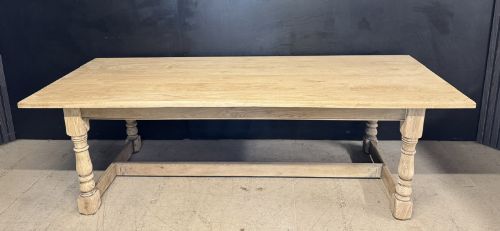
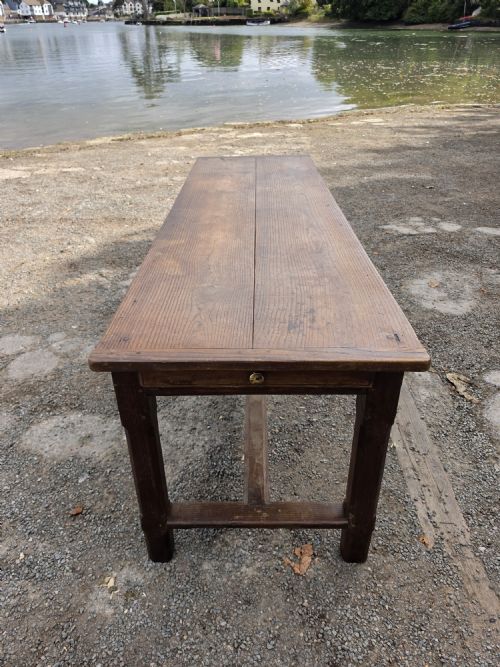
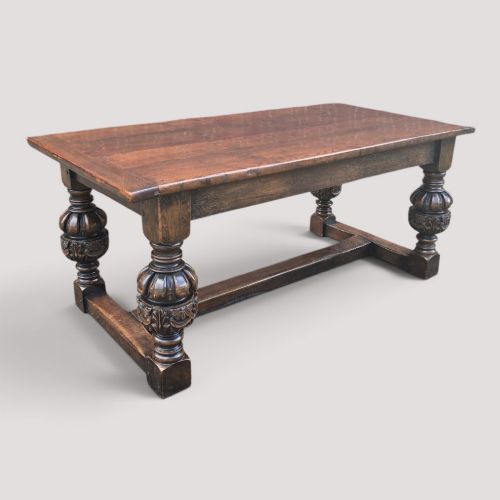
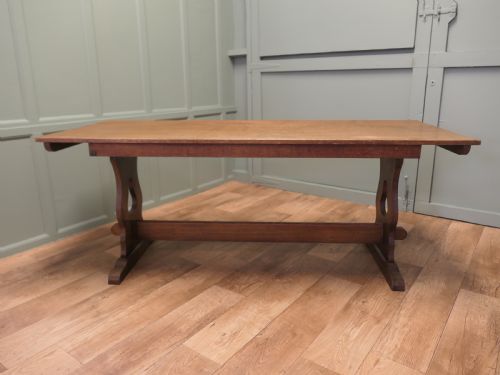
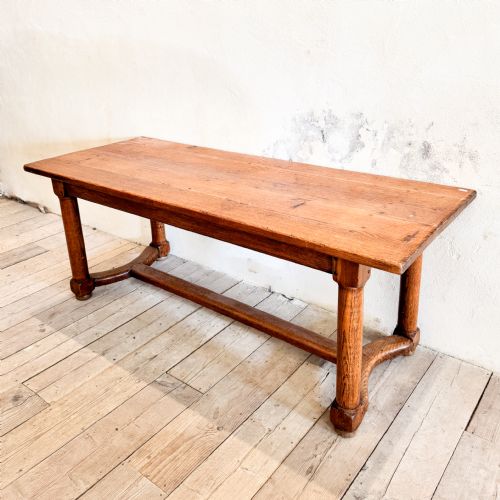


Stretcher Base Kitchen Table
A stretcher base kitchen table grounds a room with timber character and sturdy utility, offering ample seating for daily meals and gatherings.
Stretcher Base Kitchen Table
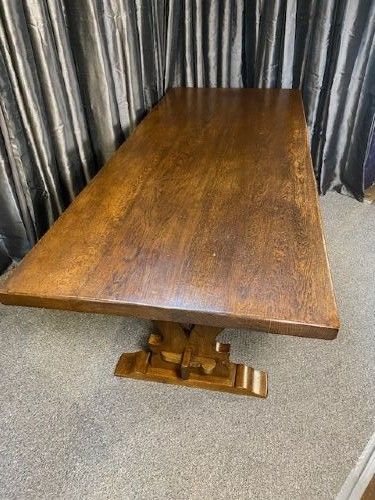
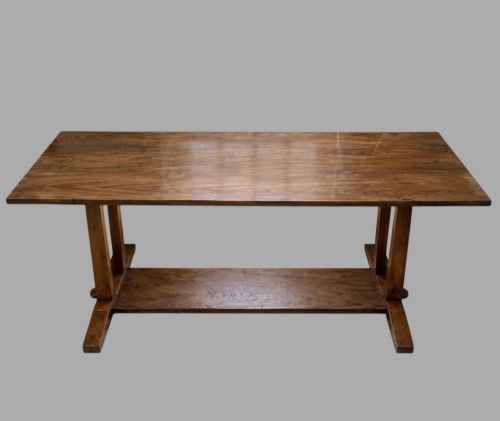
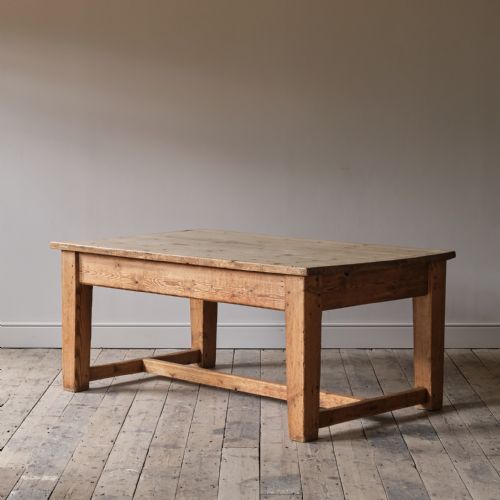
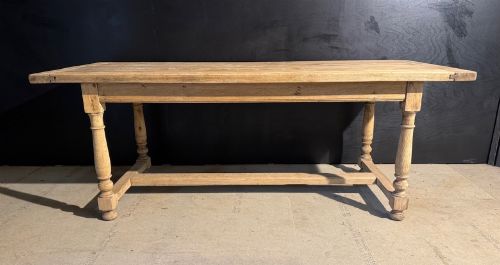
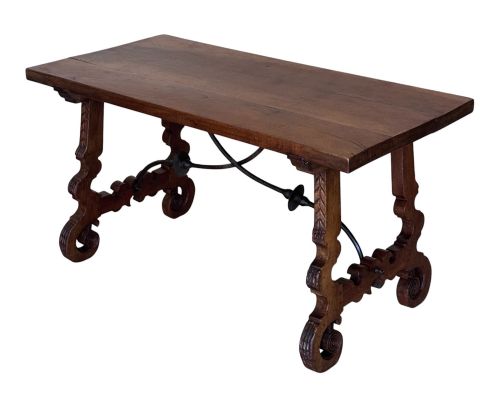
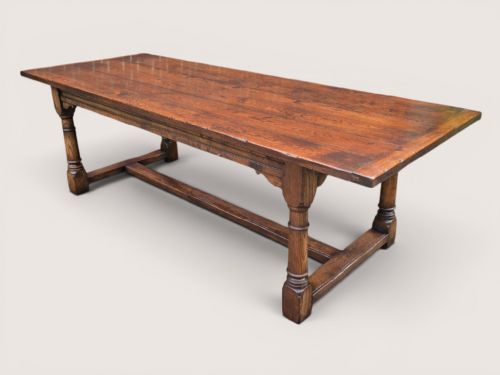
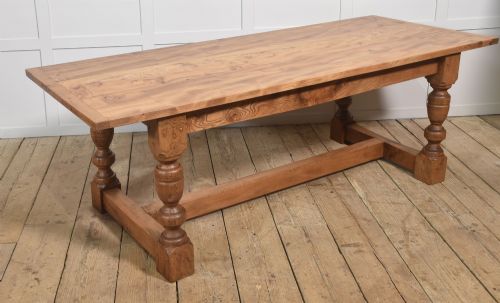
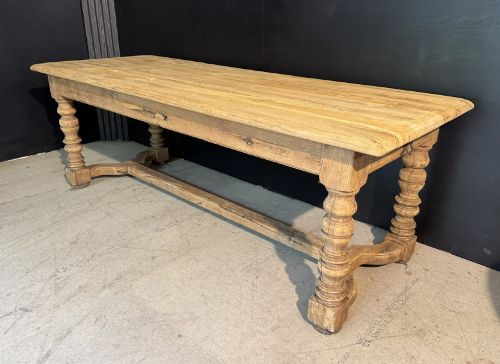
When you search for a stretcher base kitchen table, you encounter robust timber boards supported by horizontal stretchers connecting the legs for added stability. These tables span several centuries, with examples appearing from the late seventeenth century through the Victorian era and into the early twentieth century. Most pieces you meet on this page date from the nineteenth and early twentieth centuries, reflecting utilitarian domestic designs.
The selections include vernacular farmhouse forms, refectory tables, and draw leaf variants suited to dining and kitchen spaces. Materials vary from domestic hardwoods to softwoods, presenting natural oak, pine, elm, walnut, and cherrywood surfaces. French, English, Dutch, and Spanish origins emerge across the inventory, demonstrating diverse regional joinery traditions.
Materials and structural construction
Joiners built these tables primarily from solid hardwoods like oak, walnut, elm, and yew, alongside pine and cherrywood planks. Timber selection dictated the longevity of the top and the rigidity of the frame under heavy daily use.
Makers integrated stretchers low between the legs to brace the structure against lateral movement. Iron and phosphor bronze details occasionally reinforced feet or joints, adding industrial resilience to timber frames.
Listings feature timbers including solid oak, pine, walnut, elm, bleached oak, and yew across various regional farmhouse and refectory designs.
Evaluating structural integrity and timber selection
Proportion and surface finish separate standard utility boards from exceptional examples. A well-balanced frame with honest timber grain and patination shows the hand of a skilled maker who prioritized both strength and visual harmony.
Sir Robert Lorimer
The Stretcher Base Kitchen Table Glossary
- Stretcher base
- A structural framework where horizontal wooden bars connect the legs near the floor to reinforce the table. This addition prevents the legs from wobbling under heavy loads.
- Refectory table
- A long, narrow dining table traditionally used in monastic refectories and later adapted for domestic kitchens. These pieces often feature prominent stretcher systems.
- Draw leaf table
- A dining table equipped with sliding leaves stored beneath the main top that pull out to extend the surface area. This mechanism provides flexible seating capacity.
- Gateleg table
- A table with hinged drop leaves supported by legs that swing out like gates. This design allows the sides to fold down when not in use.
Stretcher Base Kitchen Table: Frequently Asked Questions
What is a stretcher base kitchen table?
A stretcher base kitchen table incorporates horizontal wooden bars connecting the legs to provide structural stability and rigidity.
These tables were designed for heavy domestic or communal use, ensuring the frame remains firm over decades of daily dining.
How do I choose the right size?
Measure your kitchen or dining space carefully, allowing ample clearance around the perimeter for chairs to pull out comfortably.
Consider the length of the stretcher and leg placement to ensure diners can sit without obstruction along the sides.
Are these tables suitable for daily use?
Solid timber construction and sturdy stretcher bracing make these tables exceptionally durable for everyday meals and family activities.
Routine maintenance involves gentle cleaning and occasional waxing to protect the historic wood surface from moisture.
How can I tell the period?
Examine the wood species, tool marks, joinery techniques, and overall form to determine the probable era of manufacture.
Characteristics such as hand-planed boards and pegged joints often point toward earlier centuries, while later pieces adopt simpler mechanical assembly.