


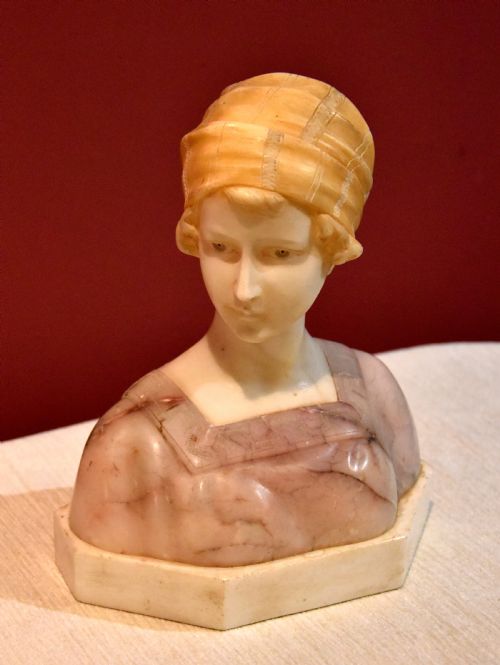
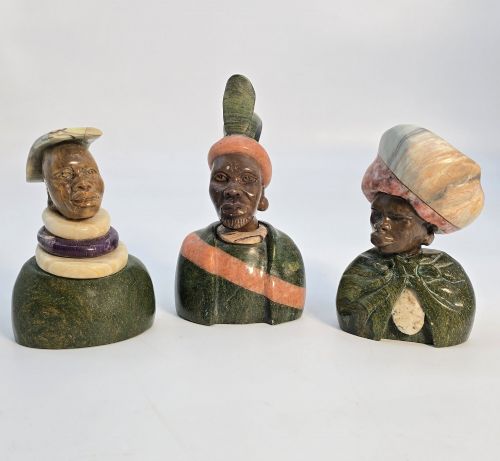
Stone Portrait Bust
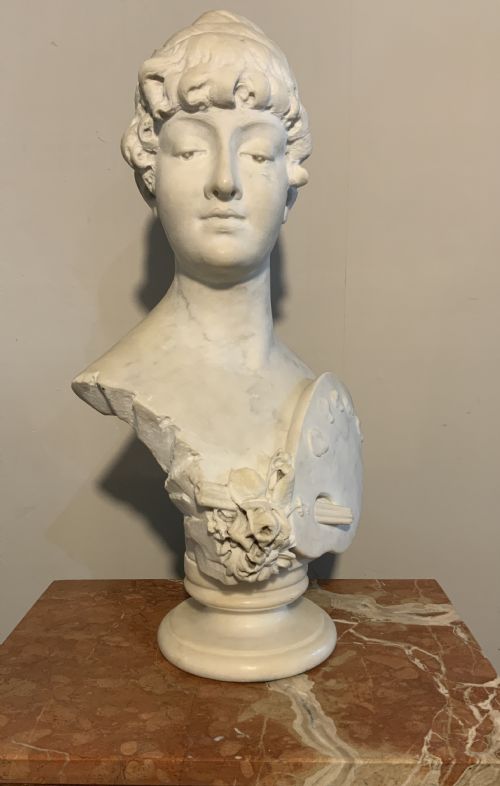
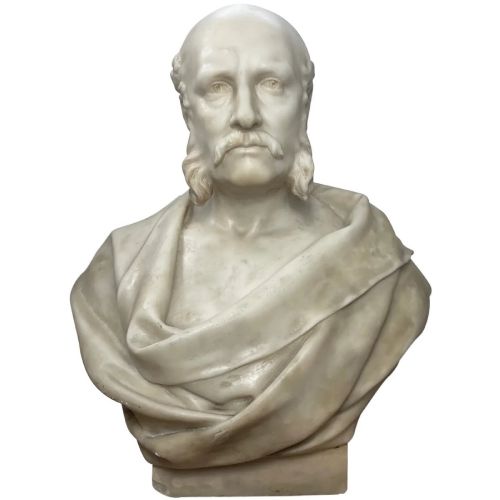
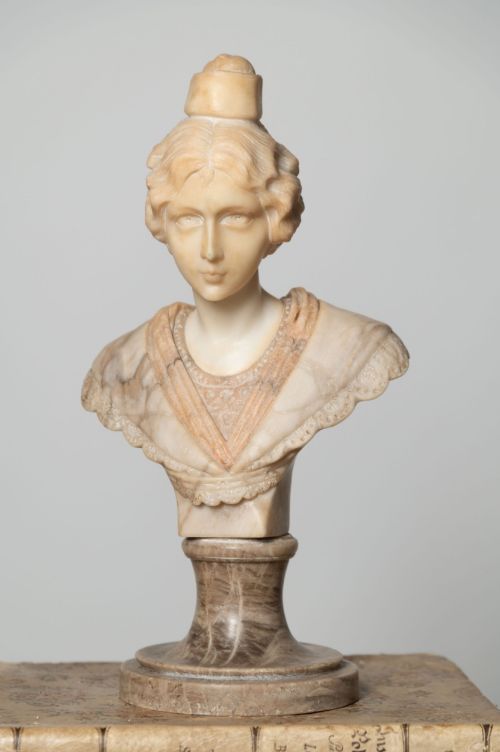
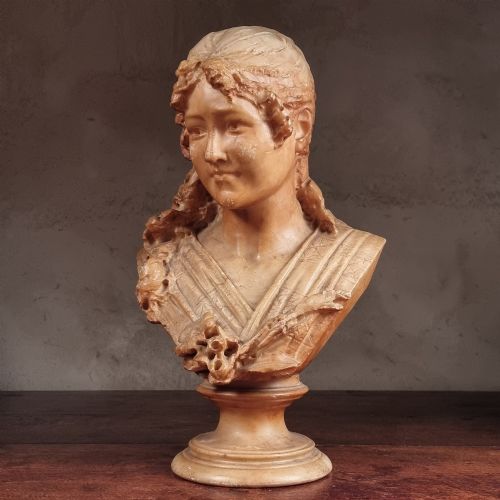
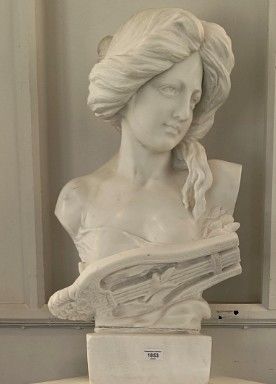
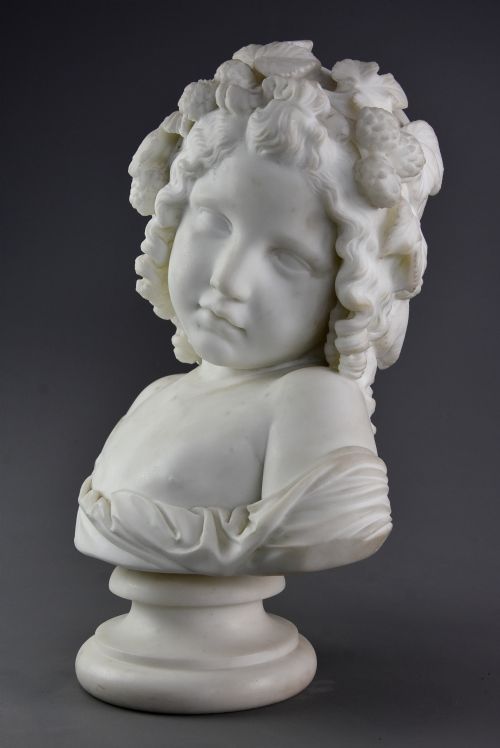
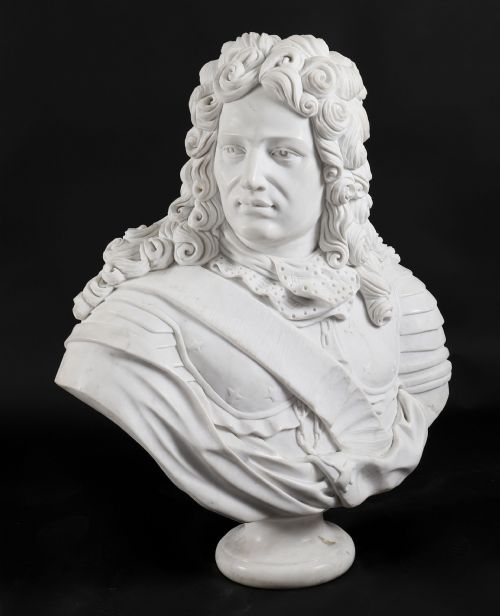
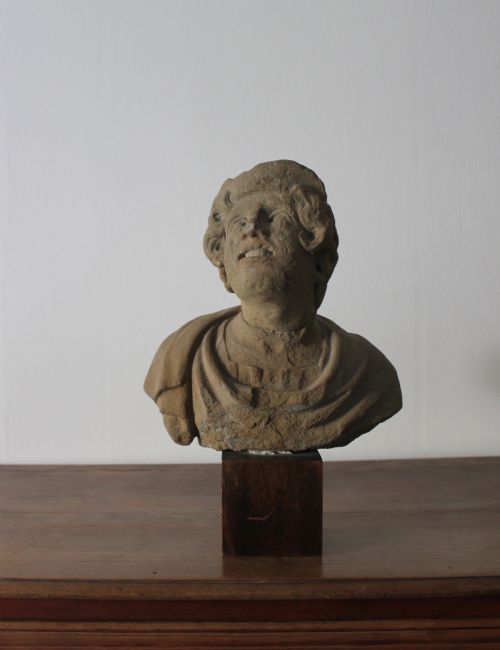
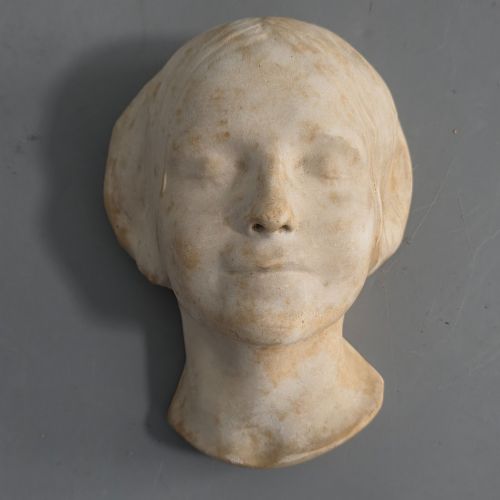
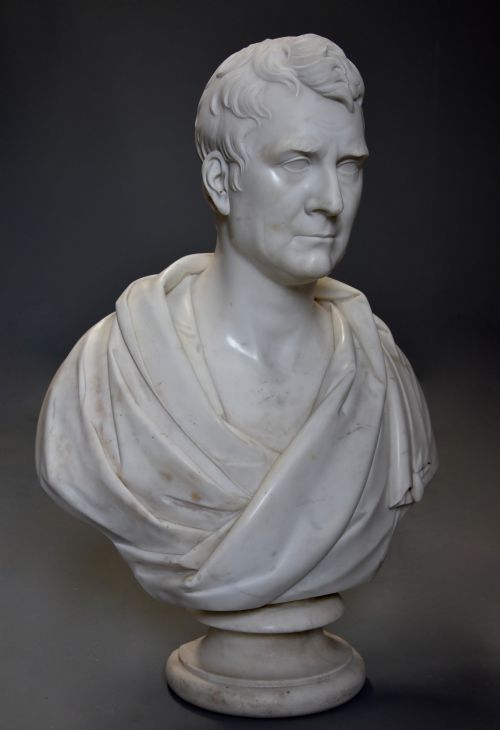
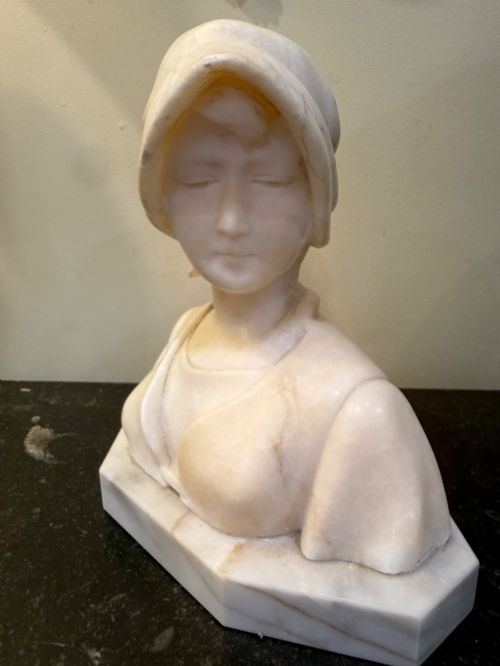
A stone portrait bust captures the likeness of a historical figure, classical muse, or private sitter in carved marble, alabaster, or stone.
Stone Portrait Bust
A stone portrait bust represents human subjects ranging from Roman emperors and literary figures to Victorian gentlemen and young girls. When exploring this selection, a buyer encounters carved likenesses spanning the seventeenth century through to the twentieth century, with nineteenth-century examples appearing frequently.
These sculptures take several distinct forms, including monumental civic portraits, library busts, and death masks. Originators across Britain, France, and Italy produced these pieces in styles that draw heavily on Neoclassical, Victorian, and Baroque traditions.
Makers often drew inspiration from classical antiquity, rendering subjects like Julius Caesar, Dante Alighieri, and mythological figures such as Erato alongside contemporary nobility and private sitters.
Materials and carving techniques
Carvers shaped these sculptures primarily from Carrara marble, white marble, and alabaster using traditional hand-chords, chisels, and rasps. The natural veining and translucency of the stone dictated how light fell across the facial planes and drapery.
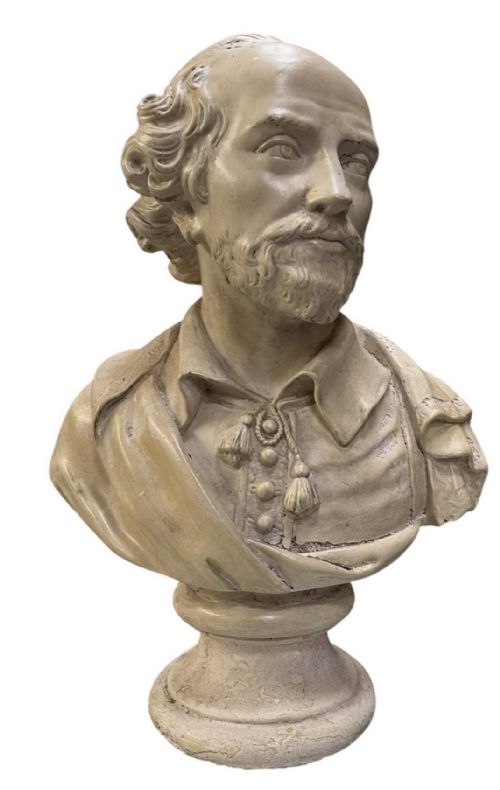
Alternative mediums appear alongside carved stone, including plaster, terracotta, and simulated stone. Artisans frequently mounted marble or alabaster shoulders onto contrasting stone plinths to complete the sculptural composition.
Several listings capture quiet literary moments, with Dante and Shakespeare keeping watch from library shelves.
Distinctions in craftsmanship
The choice of material heavily influences the piece, with flawless Carrara marble and fine translucent alabaster demanding greater skill from the carver than mixed marbles or plaster.
Houdon·J Francis·Raffaelo Monti·Auguste Henri Carli·John Wenlock Rollins·Mieczyslaw Leon Zawiejski
The Stone Portrait Bust Glossary
- Carrara marble
- A type of white or blue-grey marble from the city of Carrara in Tuscany, prized by sculptors for its fine grain.
- Alabaster
- A soft mineral stone that is easily carved and possesses a natural translucency resembling human skin.
- Neoclassical
- A Western cultural movement drawing on the art and culture of classical antiquity, prevalent in nineteenth-century sculpture.
- Library bust
- A smaller scale portrait sculpture designed specifically to sit upon bookshelves or library mantelpieces.
- Plinth
- The heavy base or pedestal upon which a portrait bust rests to elevate the sculpture.
Stone Portrait Bust: Frequently Asked Questions
Where were stone portrait busts displayed?
These sculptures typically stood in domestic libraries, grand halls, and civic institutions. Owners placed them on pedestals, console tables, or bookshelves to signal learning and cultural refinement.
Larger civic monuments occupied public buildings, while smaller library editions suited private study rooms and domestic interiors.
How do I identify the period of a bust?
Stylistic clues such as Victorian dress, Neoclassical drapery, or nineteenth-century hairstyles help narrow the date. Inscriptive signatures and specific marble types also point toward a period.
Makers often signed directly into the stone or incorporated period-specific foundry and workshop practices into the base.
How should I clean marble or alabaster?
Dust these sculptures regularly with a soft, dry microfibre cloth to prevent particulate accumulation. Avoid water and chemical solvents, which damage porous stone surfaces.
Alabaster requires particular care because it is softer than marble and dissolves easily upon contact with moisture.
What subjects are most common?
Portraits frequently depict Roman emperors, literary figures like Dante and Shakespeare, and Greek mythological muses. Commissioned portraits of nineteenth-century politicians and young children also appear often.
These subjects reflect the classical education and personal tastes of collectors during the Victorian and Grand Tour eras.