
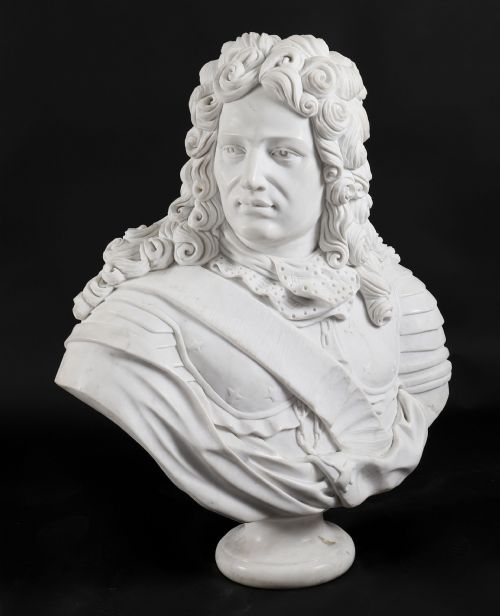
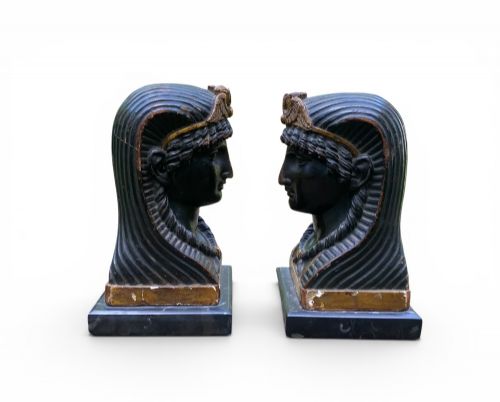


Classical Style Marble Bust
A classical style marble bust brings antiquity into a room, carved from solid stone to capture the serene dignity of a philosopher, noble or youth.
Classical Style Marble Bust
When you search for a classical style marble bust, you are looking at sculpted stone likenesses modelled on ancient Greek and Roman prototypes. These pieces span periods from the eighteenth century to the mid-twentieth century, capturing historical figures, literary icons such as Virgil and Dante, or anonymous youths and noblemen.
You are most likely to meet nineteenth-century interpretations on this page, often carved in white marble or alabaster. Forms range from high-relief profile plaques and head-and-shoulder sculptures to substantial works mounted on pedestals or columns.
How they were made
Many works follow earlier prototypes or interpret designs after artists like Greuze, relying on hand-finished detailing to create smooth flesh tones and textured locks of hair.
Object types range from standalone portrait busts and relief plaques to full-height columns and pedestals.
What varies in quality
The quality of a carved stone sculpture lies in the depth of undercut and the sensitivity given to expression and musculature. Softer, more lifelike transitions in the marble distinguish a master carver from a routine workshop production.
The choice of material also sets pieces apart, from uniform white Carrara marble to richly figured variegated green stone and crisp alabaster relief work.
Thomas Hope·Antonio Merente·Mieczyslaw Leon Zawiejski·Greuze
The Classical Style Marble Bust Glossary
- Carrara marble
- A type of white or blue-grey marble quarried in the city of Carrara in Tuscany, prized for its fine grain and consistent texture.
- Alabaster
- A fine-grained mineral stone, softer than marble, often used for detailed nineteenth-century sculptural figures and relief plaques.
- Neoclassical
- A Western cultural movement drawing inspiration from the classical art and culture of ancient Greece or Rome.
- Relief sculpture
- A sculptural technique where the sculpted elements remain attached to a solid background of the same material.
Classical Style Marble Bust: Frequently Asked Questions
Where should I display a marble bust?
These sculptures suit hallways, studies, or libraries where they can sit at eye level on a sturdy surface. Pairing them with a dedicated column or pedestal highlights their architectural presence in a room.
Ensure the support is level and capable of holding the substantial weight of solid stone without shifting.
How do I clean antique marble?
Dust the stone regularly with a soft, dry cloth to prevent dirt from settling into the porous surface. Avoid harsh chemical cleaners or excessive water, which can damage the finish of older alabaster and marble.
Professional conservation advice is best sought if deep cleaning is required to remove stubborn marks.
Are these busts solid stone?
Most pieces listed are carved from solid blocks of marble, alabaster, or stone rather than cast in composite materials. The weight of each sculpture typically reflects the density of the specific mineral used by the carver.
Base components or supporting columns may occasionally incorporate complementary materials such as wood, gilt bronze, or gilt detailing.
How can I tell the period of a bust?
Dating relies on stylistic cues, tool marks left by the carver, and the specific type of marble or mounting used. Eighteenth-century works often show distinct hand-chiselling techniques and specific patination compared to later Victorian or twentieth-century interpretations.
Comparative study of portrait styles, clothing details, and known signatures or inscriptions also helps narrow down the decade of creation.