






Stone Picture Frame
These stone picture frame pieces bring enduring craftsmanship and tactile weight to your walls, offering a distinct alternative to standard timber mouldings.
Stone Picture Frame
When you search for a stone picture frame, you encounter a specialised selection of wall art and decorative panels that incorporate carved masonry or inlaid mineral surfaces.
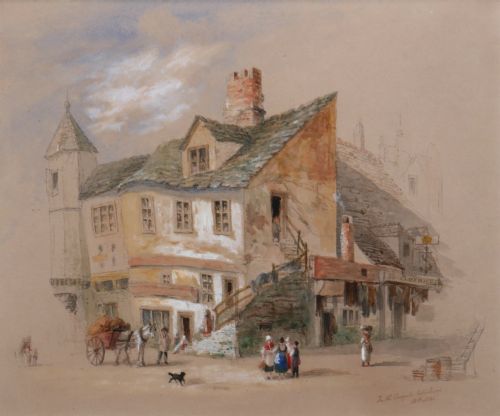
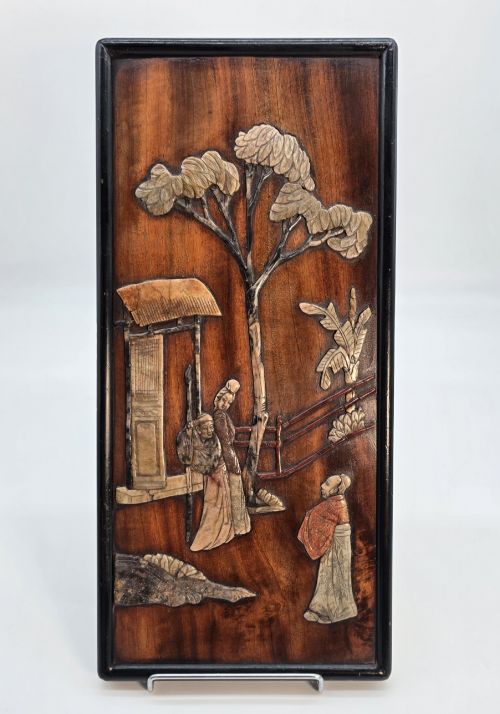
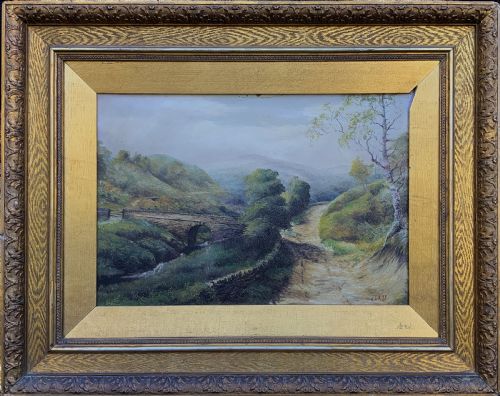
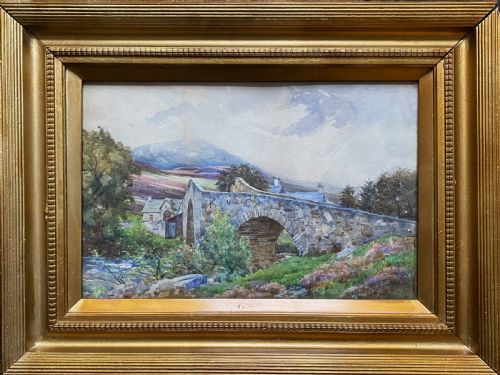
The selections on this page span from the nineteenth century into the twentieth, often presenting framed watercolours, oil paintings, or pietra dura panels rather than empty housings alone.
Originating from British, Italian, and Chinese workshops, these items integrate natural stone into the presentation of landscape paintings and decorative subjects.
Materials and construction
The construction relies on dense minerals and carved stone, frequently paired with inlaid marble or polished slate to create intricate mosaic patterns.
Makers utilised traditional cutting and polishing methods to shape hard stones, mounting them alongside wood, glass, and canvas to support the central artworks.
Stone Picture Frame Retail Price Guide 2026
Typical asking prices for stone picture frame among the pieces listed under this phrase on Sellingantiques today, from the lower quarter to the upper quarter. They describe what is for sale here now, not the wider market.
Sheep, fish, and Tang horses share wall space here alongside quiet Derbyshire streams and Venetian canals.
Assessing quality
Excellence in these pieces rests on the precision of the stone carving and the meticulousness of the inlay work, where tight joints and smooth mineral polishes distinguish superior examples.
The integration between the stone border and the artwork determines the visual balance, separating workshop items executed with care from simpler commercial pieces.
The Stone Picture Frame Glossary
- Pietra dura
- A pictorial mosaic technique using cut and fitted polished coloured stones. This method creates smooth, detailed images directly within a marble or slate ground.
- Ashford marble
- A Derbyshire limestone used for inlay work. It provides a dark, polished background that contrasts with lighter coloured mineral inserts.
- Brass rubbing
- An impression taken by placing paper over a brass plaque and rubbing with a pigment. The resulting image captures historical engravings.
- Watercolour painting
- Pigments suspended in a water-based solution applied to paper. This medium provides translucent colour washes common in nineteenth-century landscapes.
Stone Picture Frame: Frequently Asked Questions
How do I hang a heavy stone frame safely?
These items carry considerable weight due to their mineral composition. Ensure your fixings engage directly with wall studs or utilise heavy-duty cavity anchors suited to the load.
Check that any hanging wire or brackets attached to the reverse are rated for stone objects before mounting them on plaster walls.
What periods do these pieces represent?
The listings span the nineteenth century and extend into the early twentieth century. You will find Victorian examples alongside Edwardian and later periods.
Stylistic markers range from Italianate craft traditions to British landscape painting conventions of the era.
How should I clean a stone frame?
Dust the stone gently with a dry, soft cloth to prevent abrasive particles from scratching the polished mineral surface. Avoid using harsh chemical cleaners or excess moisture.
If the piece includes inlaid marble or pietra dura work, keep liquids away from the joints to protect the historic adhesives.
Are these frames sold with artwork included?
Many of the items listed under this heading combine the framing medium with an integral painting, print, or inlaid panel. The stone components frequently form part of the complete decorative work.
Examine each individual description to determine whether the piece is presented as a combined panel and housing or as a separate surround.