





Stone Desk Accessories
Stone desk accessories bring tangible weight and natural geology to a workspace through carved minerals, polished marbles and inlaid specimen pieces.
Stone Desk Accessories
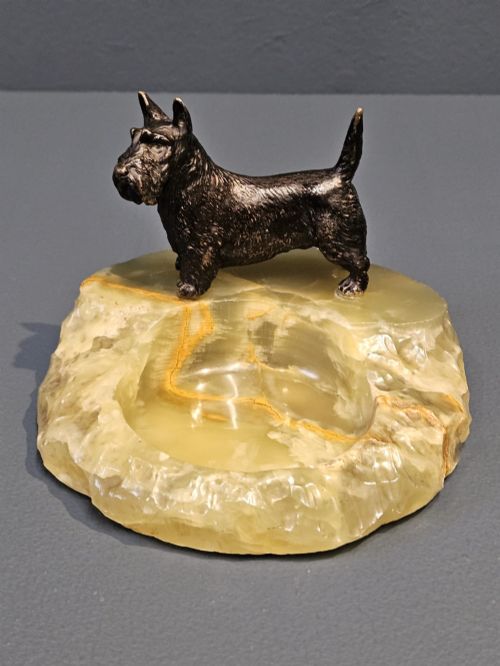
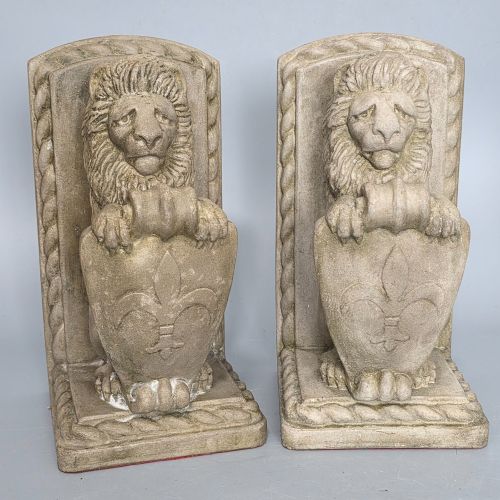
Stone desk accessories encompass functional and decorative objects designed for the writing table, appearing across periods from the Victorian era through the Art Deco movement. These functional items range from practical bookends and paperweights to elaborate inkstands and brush pots.
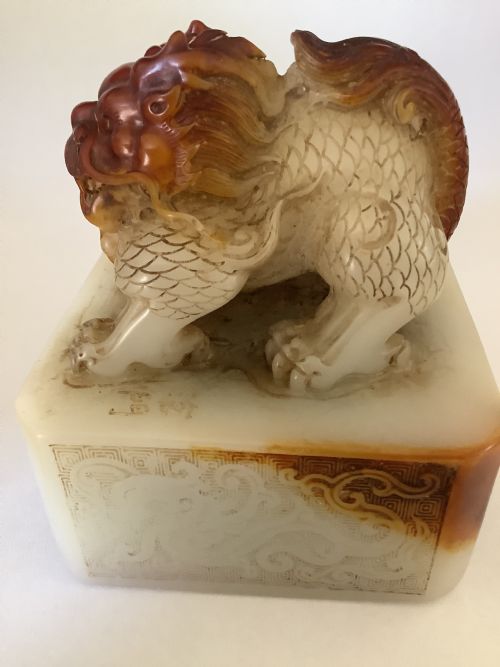
Buyers encounter numerous forms fashioned from dense minerals and ornamental rocks. Inkstands and desk stands often incorporate silver mounts or inlaid semi-precious stones, while bookends frequently feature carved Asian motifs or structural neoclassical designs.
Origins span European workshops, including Grand Tour souvenir centres, alongside traditional Chinese carving traditions. The variety reflects changing domestic requirements for correspondence and study from the nineteenth century into the twentieth.
Materials and construction
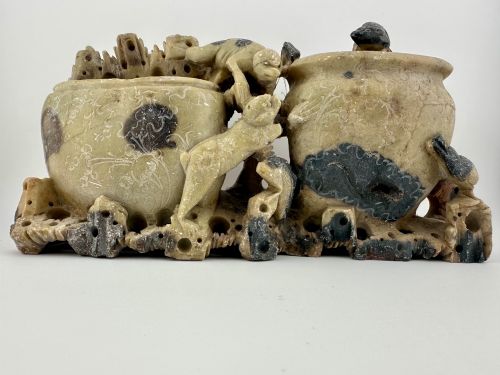
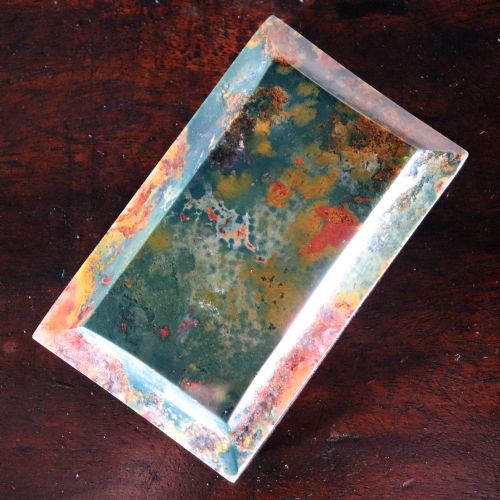
Craftsmen utilised a diverse palette of hardstones and marbles, employing soapstone, onyx, lapis lazuli, malachite, agate and alabaster. These materials required skilled cutting and prolonged polishing to reveal natural veining and crystalline depth.
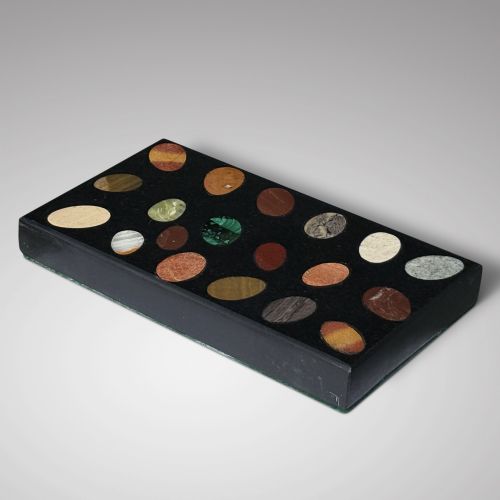
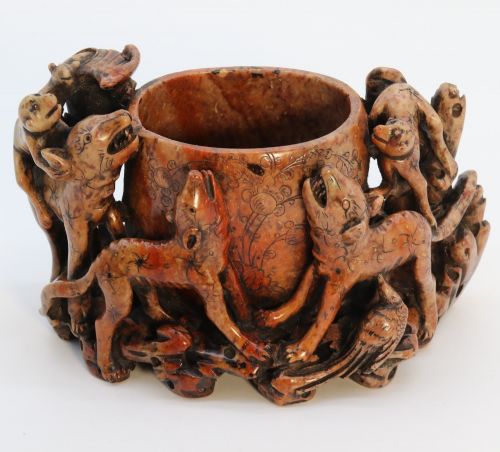
Inlay techniques such as pietra dura brought pictorial designs into flat stone surfaces using cut specimen marbles. Other pieces combined carved soapstone or jade-type minerals with fitted silver mounts and cast stone components.
Stone Desk Accessories Retail Price Guide 2026
Typical asking prices for stone desk accessories among the pieces listed under this phrase on Sellingantiques today, from the lower quarter to the upper quarter. They describe what is for sale here now, not the wider market.
Listings feature items from the 19th Century, Victorian period, Edwardian era, and Art Deco 1930s.
Quality and execution
Excellence in these objects rests upon the precision of the carving and the quality of the raw mineral specimen. Finer pieces demonstrate meticulous polishing, tight inlay joints and well-balanced proportions without clumsy repairs.
The integration of secondary materials defines the upper tier of the range. Silver mounts bearing proper hallmarks, intricate pietra dura pictorial work and substantial blocks of unblemished onyx or lapis separate standard items from superior examples.
George Betjemann
The Stone Desk Accessories Glossary
- Pietra dura
- Hardstone inlay technique where precision-cut coloured stones are fitted flush into a base marble to create pictorial designs. This painstaking method was especially popular among Grand Tour travellers.
- Encrier
- A portable or stationary inkstand designed to hold an inkwell and pen rests. These desk pieces often incorporate matching sanders and stamp boxes.
- Soapstone
- A talc-schist mineral prized for its soft texture and ease of carving. It frequently appears in Chinese scholar's desk items and brush pots.
- Grand Tour
- The cultural journey undertaken by wealthy Europeans in the eighteenth and nineteenth centuries. Souvenirs included specimen marble paperweights and architectural fragments.
- Specimen marble
- Multi-coloured decorative stone assembled from various geological samples. Tables and paperweights utilised these varied fragments to showcase natural mineral diversity.
Stone Desk Accessories: Frequently Asked Questions
What periods do these desk accessories date from?
The pieces span from the nineteenth century through the Edwardian period and into the Art Deco era of the 1930s. Victorian and Grand Tour examples sit alongside later modernist geometric designs.
Specific dating relies upon material fashion, mounting styles, and associated hallmarks on silver elements where present. Earlier nineteenth-century items often favour classical motifs and specimen stone assemblies.
How were stone inkstands used on historic desks?
Inkstands provided a secure central station for liquid ink, quill pens and blotting sand during the height of handwritten correspondence. They anchored the writing table while protecting fine wooden furniture from spills.
Many incorporated lidded glass wells, pen trays and small compartments for wafers or stamps. Their heavy stone bases ensured the stand remained steady while dipping pens.
What is the difference between onyx and marble desk pieces?
Onyx is a translucent banded chalcedony or calcite that allows light to penetrate the polished surface slightly. Marble is a metamorphic rock formed from recrystallised carbonate minerals with opaque veining.
Art Deco items frequently employed white or green onyx for smooth, streamlined forms. Nineteenth-century neoclassical and specimen pieces leaned towards heavier marbles and hardstones.
How do I care for antique stone desk accessories?
Dust regularly with a soft, dry cloth to prevent abrasion on polished mineral surfaces. Avoid harsh chemical cleaners or abrasive scouring pads that can dull the natural sheen.
Keep pieces away from direct heat sources and sudden temperature changes which can stress delicate mineral inclusions or inlaid stones. Wax is rarely required due to the inherent hardness of the polished material.