



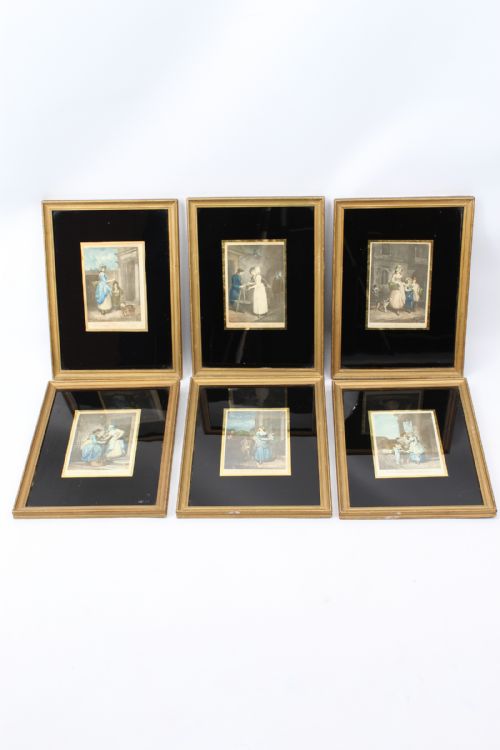


Stipple Print Art
Stipple print art brings intricate dot-work portraiture and classical scenes into domestic spaces.
Stipple Print Art
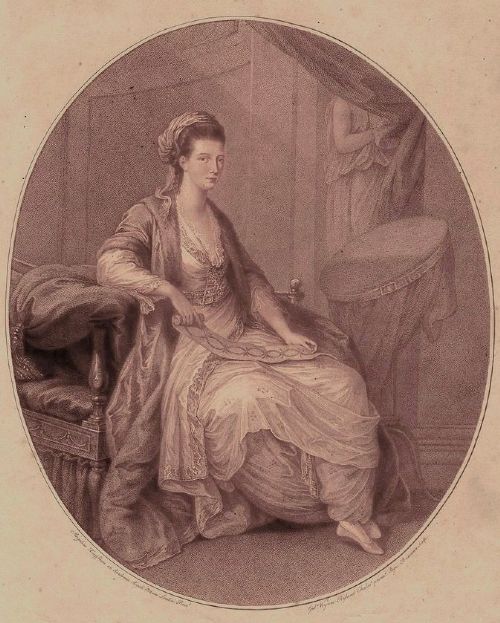
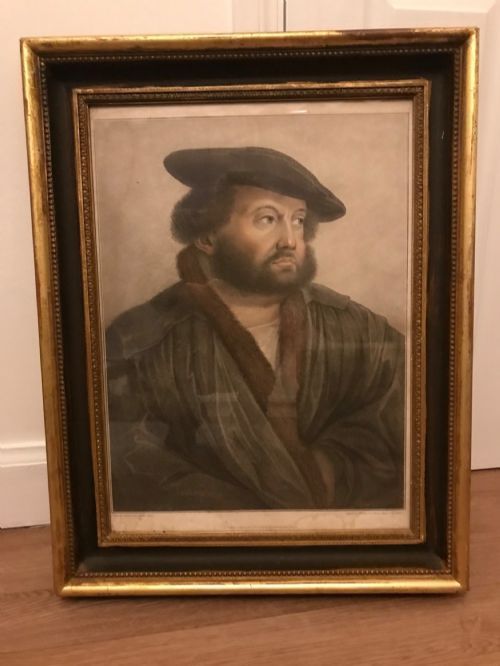
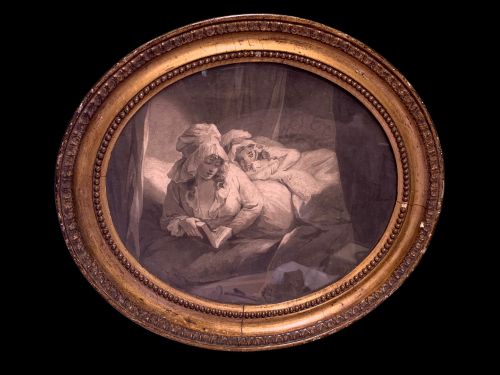
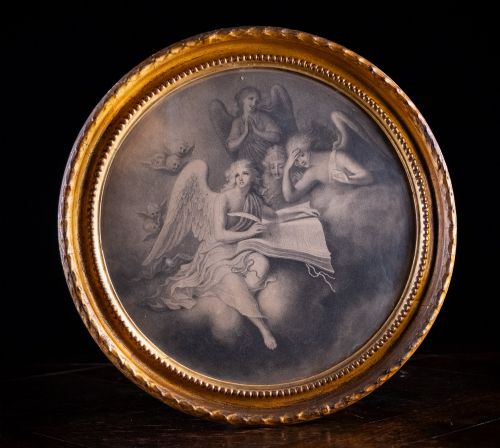
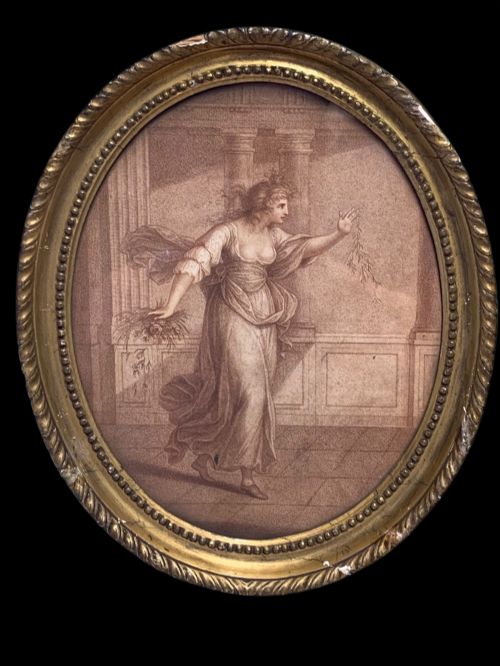
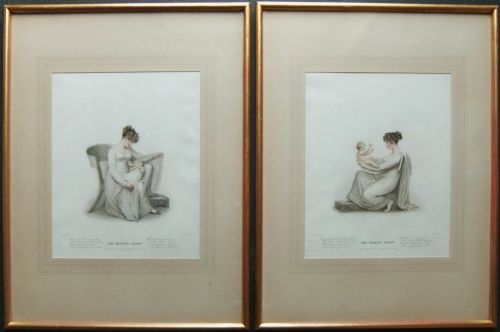
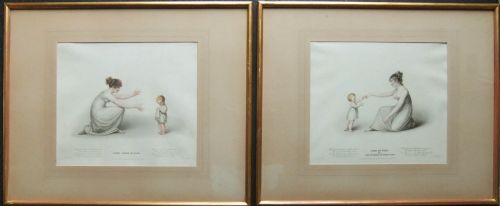
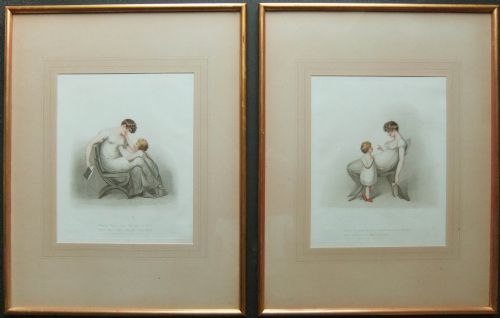
Stipple print art involves intricate works produced predominantly during the eighteenth century and the Regency period, capturing neoclassical subjects, domestic scenes and historic portraits. Collectors encounter these pieces presented within period frames of wood, giltwood and glass.
The selections on this page feature framed portrait prints, sets depicting narrative series like the cries of London, and mythological compositions after artists such as Adam Buck and Francesco Bartolozzi. These works span Georgian neoclassicism through to later revivals.
Engravings on paper and silk demonstrate the careful translation of painted originals into detailed dotted tonal fields. Buyers find individual portrait plates alongside coordinated pairs and larger decorative series.
Materials and technique
Maker plates were worked using dots and punctures applied to copper surfaces with needles and roulettes, building tone and shadow without relying entirely on continuous lines. Printing onto quality paper or silk preserved the subtle gradations achieved by the engraver.
Finished impressions frequently received careful hand-colouring in watercolour washes to enhance garments and flesh tones. Framing utilised timber mouldings, gold leaf and gilt wood, often retaining period glazing and backing materials.
Stipple Print Art Retail Price Guide 2026
Typical asking prices for stipple print art among the pieces listed under this phrase on Sellingantiques today, from the lower quarter to the upper quarter. They describe what is for sale here now, not the wider market.
Listings feature works created across the eighteenth century, the Regency era, and the early twentieth century, utilising paper, silk, and gilt wood.
Distinguishing quality
Quality rests in the crispness of the dot formation and the precision of the plate impression, where finer punctures yield greater tonal depth and softer facial expressions. Strong strikes retain delicate highlights in hair and drapery that worn plates lose entirely.
The preservation of original hand-colouring and the integrity of contemporary frames contribute significantly to the standing of a piece. Margins around the printed image and clear publication details further separate standard impressions from superior examples.
Francesco Bartolozzi·Adam Buck·E. Jackson Stodart
The Stipple Print Art Glossary
- Stipple engraving
- A printmaking technique using dots and flecks to build up tonal areas rather than continuous lines. This method creates soft, painterly transitions particularly suited to flesh and fabric.
- Roulette
- A small wheel with teeth used by engravers to rapidly apply rows of dots to a copper plate. It allowed artisans to create even shadows with precision.
- Hand-coloured
- The application of watercolour pigments by hand to a monochrome printed impression. This technique added decorative warmth to eighteenth and nineteenth-century domestic prints.
- Neoclassical
- An artistic style drawing inspiration from classical antiquity, prominent in Georgian and Regency design. Works in this vein frequently feature classical figures, drapery and idealized forms.
- Impression
- A single picture printed from an engraved plate onto paper or silk. Early impressions capture the finest detail before the metal plate wears down.
Stipple Print Art: Frequently Asked Questions
How should I hang stipple print art?
Protect these works from direct sunlight by placing them on interior walls away from strong windows, as the paper and hand-applied watercolours are sensitive to light.
Keep them away from damp environments like kitchens or bathrooms to preserve the paper support and original wooden frames.
Are these works original period pieces?
The inventory consists of period engravings and prints dating from the eighteenth century through the Regency era, alongside nineteenth-century and early twentieth-century printings.
Each listing records the specific period and technique associated with the item to help identify its era.
Why are some prints coloured by hand?
Publishers employed colourists to apply watercolour washes by hand to enhance the visual appeal of domestic subjects and narrative series.
This finish was intended to bridge the gap between monochrome engravings and original paintings for domestic interiors.
How do I care for antique framed prints?
Dust frames gently with a dry, soft cloth and avoid using liquid cleaners on the wood, gilt surfaces, or antique glass.
Ensure the hanging wire and fixings at the rear remain secure to support the weight of the period frame.